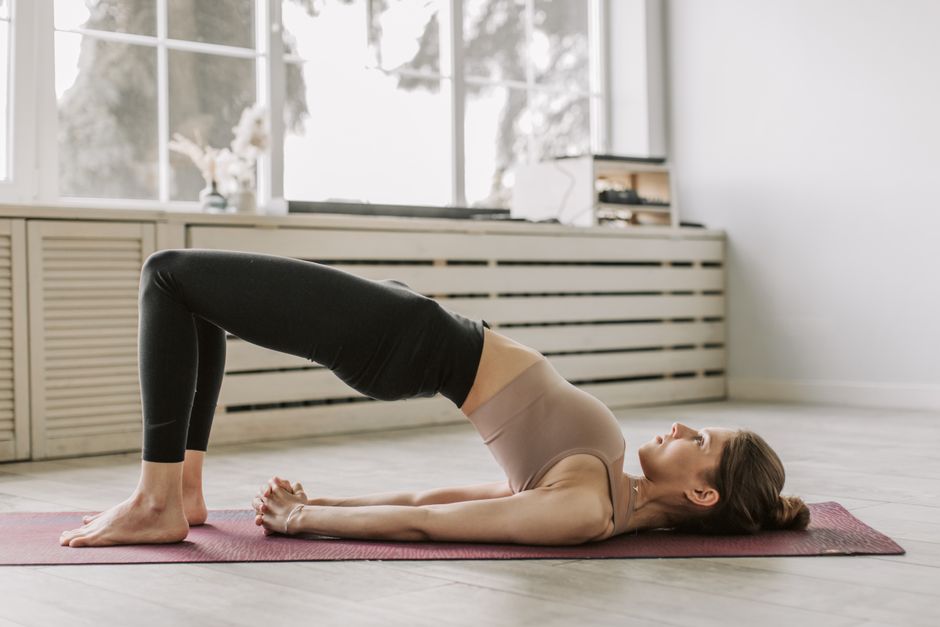
Warm-Up and Preparation
Starting your day with a morning yoga routine for flexibility beginners is one of the most rewarding habits you can build. Before you unroll your mat and move through any pose, taking a few minutes to warm up prepares your muscles, joints, and mind for a safer, more effective practice. A gentle warm-up increases blood flow to the body and signals to your nervous system that movement is coming, which helps prevent stiffness and reduces the risk of strain during deeper stretches.
Begin by standing tall with your feet hip-width apart. Take five deep breaths through your nose, letting your belly expand on the inhale and gently contract on the exhale. Roll your shoulders back three times, then forward three times. Let your neck gently circle — right ear toward right shoulder, chin toward chest, left ear toward left shoulder, and back to center. These small movements wake up the spine and shoulders without demanding anything strenuous.
Preparing your space matters just as much as preparing your body. Choose a quiet area with enough room to extend your arms and legs fully in all directions. Lay down a yoga mat or a non-slip surface so your hands and feet stay grounded during transitions. Dimming harsh lighting and playing soft background music can help you settle into a calm, focused mindset. When your environment is comfortable and distraction-free, you can stay present throughout the full 15 minutes.
Key preparation steps:
- Roll your neck and shoulders gently for 30 seconds
- Take five deep belly breaths to activate the diaphragm
- Clear a open floor space and lay down a yoga mat
- Set a gentle 15-minute timer so you stay on track
Quick pick: Compare top-rated Yoga options.
Basic Yoga Poses for Flexibility
With your body warmed up, you’re ready to move into foundational poses that form the backbone of any yoga practice. These basic poses build body awareness, improve posture, and gently stretch the major muscle groups. For a morning yoga routine for flexibility beginners, these poses are the perfect entry point because they require no prior experience and can be modified for any fitness level.
**Downward-Facing Dog** is arguably the most recognizable yoga pose, and for good reason. It simultaneously stretches the calves, hamstrings, and shoulders while strengthening the arms and legs. From a tabletop position with hands shoulder-width apart and knees under your hips, tuck your toes and lift your hips up and back. Press your chest toward your thighs and let your head hang naturally. Pedal your feet one at a time to release tension in the calves. Hold for five to eight breaths, focusing on pressing your hands firmly into the mat.
**Cat-Cow Pose** pairs perfectly with Downward Dog because it warms up the entire spine through alternating flexion and extension. Start on your hands and knees with wrists directly under shoulders and knees under hips. On an inhale, drop your belly toward the mat, lift your chest and tailbone, and look slightly upward — this is Cow. On an exhale, round your spine toward the ceiling, tuck your chin toward your chest, and draw your navel in — this is Cat. Move slowly between these two positions, syncing each movement with your breath. This gentle flow improves spinal flexibility and coordination.
**Child’s Pose** serves as a resting position and a gentle stretch for the hips, thighs, and ankles. From kneeling, sit your hips back toward your heels and fold forward, extending your arms in front of you or alongside your body. Rest your forehead on the mat and breathe deeply. If your hips do not comfortably reach your heels, place a folded blanket or pillow between your hips and heels. Child’s Pose calms the nervous system and gives you a moment to check in with how your body feels.
Building Core Strength and Balance
A strong core is the foundation of almost every yoga pose, and including balance work early in your practice sets you up for long-term progress. The following poses engage your abdominal muscles, back muscles, and stabilizing muscles throughout your legs and hips. For a morning yoga routine for flexibility beginners, these movements train your body to hold positions with control, which makes deeper stretches safer and more accessible over time.
**Tree Pose** is a classic standing balance that strengthens the ankles, calves, and thighs while improving focus and concentration. Stand on your left foot and place the sole of your right foot against your left inner thigh or calf — avoid pressing the foot directly against the knee joint. Bring your palms together at your chest, or extend your arms overhead like branches reaching toward the sky. Gaze at a fixed point on the floor about four feet in front of you to help maintain balance. Hold for five breaths, then switch sides. If you wobble, that is completely normal — every wobble is your body learning to stabilize itself.
**Warrior I and Warrior II** are powerhouse poses that build leg strength, open the hips, and stretch the chest and shoulders. In Warrior I, step your right foot forward into a lunge, keeping your back heel planted at roughly a 45-degree angle. Square your hips toward the front of your mat and raise both arms overhead, palms facing each other. In Warrior II, open your hips and shoulders to face the long edge of your mat while keeping your front knee stacked over your ankle. Extend your arms parallel to the floor, gazing over your front fingertips. These poses can be held for three to five breaths each before switching sides.
**Triangle Pose** engages nearly the entire body, requiring strength in your legs and core while stretching the inner thighs, hamstrings, and side body. From a wide stance, turn your right foot out 90 degrees and your left foot in slightly. Extend your arms parallel to the floor, then reach your right hand toward your right ankle while raising your left arm toward the ceiling. Keep both legs straight and strong, resisting the urge to lean forward. A yoga block placed beside your shin can support your lower hand if you cannot reach the floor comfortably.
Core and balance poses in this routine:
- Tree Pose: 5 breaths per side
- Warrior I: 3–5 breaths per side
- Warrior II: 3–5 breaths per side
- Triangle Pose: 3–5 breaths per side
Increasing Flexibility with Gentle Stretches
Once your body is warm and your core is engaged, you can move into stretches that target the hamstrings, hips, and spine. These gentle stretches are the heart of a morning yoga routine for flexibility beginners because they work best when your muscles are already warm. Hold each position without bouncing, allowing your breath to guide your body deeper with each exhale. Never force a stretch — you should feel a comfortable pull, not pain.
**Seated Forward Bend** is one of the most effective stretches for the entire posterior chain of the body. Sit on the floor with both legs extended straight in front of you. Inhale to lengthen your spine, then exhale to hinge forward from your hips, reaching your hands toward your feet or shins. Keep your spine long rather than rounding your back as much as possible. If your hamstrings are tight, place a yoga strap or towel around the balls of your feet and hold the ends with both hands. This pose stretches the hamstrings, calves, and lower back while calming the mind.
**Butterfly Pose** targets the inner thighs and groin, an area that many beginners find surprisingly tight. Sit tall on the floor and bring the soles of your feet together, letting your knees fall open out to each side. Hold onto your ankles or feet and gently press your knees toward the floor using the muscles of your thighs rather than forcing them down with your hands. Sit up tall and hinge slightly forward from your hips for a deeper stretch. This pose improves hip mobility and prepares your body for deeper hip openers.
**Supine Twist** is a gentle spinal twist performed lying on your back, making it accessible and relaxing for most body types. Lie flat, draw your right knee toward your chest, then guide it across your body toward the left side of the room. Extend your right arm out to the side and gaze toward your right fingertips. Keep both shoulders rooted to the floor. This stretch releases tension in the lower back, glutes, and outer hips while improving spinal range of motion. Hold for five breaths, then switch sides.
Back and Shoulder Opening Exercises
Many people carry tension in their shoulders and upper back, especially after a night of sleep or hours at a desk. Including targeted shoulder and back stretches in your morning yoga routine for flexibility beginners helps counteract this stiffness and improves posture throughout the day. These poses open the chest, release tight neck muscles, and restore mobility to the thoracic spine.
**Shoulder Circles and Stretches** are simple but effective ways to address upper body tension. Stand or sit tall and roll your shoulders forward five times, then backward five times. For a deeper stretch, bring your right arm across your chest and gently pull it toward your body using your left hand. Switch sides after holding for three to five breaths. These stretches relieve shoulder stiffness and improve range of motion in the rotator cuff muscles.
**Cobra Pose** is a gentle backbend that strengthens the spine while opening the chest, shoulders, and abdomen. Lie face down with your hands placed directly under your shoulders. On an inhale, press your hands into the floor and lift your chest off the ground, keeping your elbows close to your body. Your lower ribs should stay on the floor. Look straight ahead or slightly upward, keeping your neck neutral. Cobra Pose counteracts the forward hunch many people develop from phone and computer use, and it energizes the upper body for the day ahead.
**Eagle Arms Pose** simultaneously stretches and strengthens the shoulders, upper back, and arms. Extend your arms forward, cross your right arm under your left at the elbows, and bend your elbows to wrap your forearms around each other. Try to press your palms together if possible, or bring the backs of your hands together. Lift your elbows slightly to deepen the stretch across your upper back and shoulders. Hold for three to five breaths, then switch the arm crossover. This pose improves shoulder mobility and builds strength in the smaller stabilizing muscles of the arms.
Deepening the Practice with Advanced Poses
As your flexibility and strength improve over weeks of consistent practice, you can begin incorporating slightly more challenging poses that take your routine to the next level. These advanced poses are introduced gradually and should always feel manageable before you commit to them. Listen to your body and use props such as yoga blocks and straps whenever you need extra support.
**Camel Pose** is a deep backbend that opens the entire front body — the chest, abdomen, quadriceps, and hip flexors all benefit from this powerful pose. Kneel with your knees hip-width apart and place your hands on the back of your hips. Inhale to lift your chest, then on an exhale, begin to lean back, reaching for your heels one hand at a time. Keep your hips stacked over your knees and avoid collapsing your lower back. If reaching your heels is challenging, place yoga blocks beside your ankles and reach for those instead. Hold for three to five breaths, then slowly rise back up with control.
**Pigeon Pose** is one of the most effective yoga poses for stretching the glutes and outer hips. From Downward Dog, bring your right knee forward toward your right wrist and lower your right shin to the mat at a comfortable angle. Extend your left leg straight behind you. Square your hips as much as possible — you may need to place a folded blanket or block under your right hip for support. Fold forward over your front leg to stretch the hip and glute, or stay upright to focus on hip opening. Hold for five to eight breaths, then switch sides. Pigeon Pose requires patience; it may take several weeks of practice before your hips feel comfortable in this position.
**Seated Spinal Twist** is a seated twist that enhances spinal rotation, improves digestion, and stretches the shoulders and neck. Sit with both legs extended, then bend your right knee and place your right foot outside your left thigh. Inhale to lengthen your spine, then exhale to twist your torso to the right, placing your left elbow outside your right knee. Press your right hand into the floor behind you for leverage. Look over your right shoulder and hold for five breaths. This twist improves spinal flexibility and can help release tension stored in the back and shoulders from daily activities.
Pose difficulty comparison for beginners:
| Pose | Difficulty | Key Benefit | Recommended Hold |
|---|---|---|---|
| Child’s Pose | Beginner | Relaxation, hip stretch | 5–8 breaths |
| Cobra Pose | Beginner | Chest and back opening | 3–5 breaths |
| Warrior II | Intermediate | Leg strength, hip opening | 3–5 breaths |
| Pigeon Pose | Intermediate–Advanced | Glute and hip flexibility | 5–8 breaths |
| Camel Pose | Advanced | Full-body backbend | 3–5 breaths |
Cool Down and Relaxation
Ending your morning yoga routine for flexibility beginners with a proper cool down is just as important as the warm-up. A thoughtful cool-down allows your heart rate to gradually return to normal, your muscles to release residual tension, and your nervous system to shift from an active state into a calm, grounded state. Skipping this step can leave you feeling tense or mentally scattered rather than centered and energized for the day.
Begin your cool-down by moving from standing or seated poses back to the floor. A simple transition is to sit down, draw your knees into your chest, and gently rock side to side to massage the lower back. This movement signals to your body that the active portion of your practice is winding down and prepares you for the final relaxation pose.
**Corpse Pose**, also known as Savasana, is the traditional closing pose in yoga and arguably the most important. Lie flat on your back with your legs extended and feet falling naturally open. Place your arms alongside your body with palms facing upward. Close your eyes and let every muscle relax completely — your jaw, your shoulders, your hands, your feet. Breathe naturally and allow your body to sink into the floor beneath you. Stay here for at least two to three minutes, or as long as five minutes if time allows. Research suggests that even brief periods of guided relaxation can reduce cortisol levels and improve mental clarity. When you are ready to rise, take a deep breath, wiggle your fingers and toes, and slowly roll to one side before sitting up.
Cool-down checklist:
- Rock knees side to side while hugging them to your chest
- Perform a gentle Supine Twist on each side (5 breaths)
- Lie in Corpse Pose for 2–5 minutes
- Roll to one side and rest briefly before sitting up slowly
Frequently Asked Questions (FAQ)
What are the benefits of practicing morning yoga for flexibility?
A consistent morning yoga routine for flexibility beginners helps lengthen and strengthen muscles, improve joint mobility, and increase overall range of motion. Regular practice also supports better posture, reduces muscle stiffness, and can lower stress levels through controlled breathing and mindfulness. Flexibility improves gradually over weeks and months of consistent practice, so setting realistic expectations and showing up regularly matters more than pushing for dramatic results in a single session.
How often should beginners practice this 15-minute morning yoga routine?
Practicing this routine every day is ideal for beginners who want to build flexibility quickly and establish a lasting habit. If daily practice feels like too much at first, aim for at least four to five days per week with rest days in between. Consistency trumps intensity — a 15-minute routine performed every morning is far more effective than a long, intense session done sporadically. Over time, as your body adapts, you can extend the practice to 20 or 30 minutes.
Can I modify or adjust the poses in this routine to suit my needs and abilities?
Absolutely. Every pose in this morning yoga routine for flexibility beginners can be modified to match your current fitness level and body. Use yoga blocks under your hands in Triangle Pose or Camel Pose, place a folded blanket under your hips in Pigeon Pose, or keep your back knee down in Pigeon if the full expression feels too intense. The most important principle is to honor your body on any given day — some mornings you may feel more flexible than others, and that variation is completely normal. If you have any pre-existing injuries or medical conditions, consult a healthcare professional before beginning any new exercise program.
Do I need any equipment to follow this yoga routine?
You do not need any equipment to complete this routine, but a few simple props can make it more accessible and comfortable. A yoga mat provides a non-slip surface for standing and floor poses. Yoga blocks are helpful supports when you cannot reach the floor in poses like Triangle or Camel. A yoga strap or a household belt can substitute for a strap in Seated Forward Bend. These items are inexpensive and widely available on Amazon if you decide to invest in your practice long-term.
Top Product Recommendations
| Product Name | Rating | Key Feature | Est. Price | Action |
|---|---|---|---|---|
| Best Yoga Pick | ★★★★★ | Top-rated overall | $25–$45 | Check Lowest Price on Amazon |
| Budget Yoga Option | ★★★★☆ | Great for beginners | $12–$28 | Check Lowest Price on Amazon |
| Premium Yoga Choice | ★★★★☆ | Pro-level results | $50–$90 | Check Lowest Price on Amazon |
Affiliate Disclosure: This post contains affiliate links. We may earn a commission if you buy through our links, at no extra cost to you. Medical Disclaimer: This content is for informational purposes only and is not medical advice. Consult a healthcare professional before changing diet or exercise.
Leave a Reply