
Why a Morning Yoga Routine for Flexibility Beginners Works
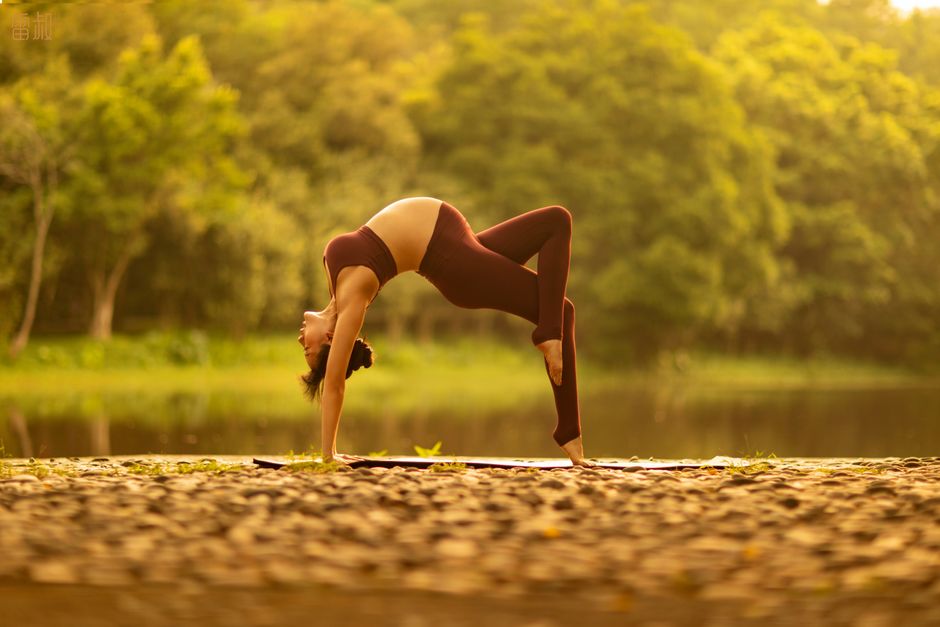
Starting your day with a **morning yoga routine for flexibility beginners** sets a calm, intentional tone before daily demands take over. Even 15 minutes is enough to wake up stiff muscles, improve circulation, and clear mental fog. Research consistently shows that morning movement — especially mindful stretching — reduces cortisol and supports mood regulation.
Flexibility isn’t just about touching your toes. It’s about joint health, injury prevention, and moving through daily tasks without pain or restriction. Beginners often see measurable gains in range of motion within two to four weeks of consistent practice — a realistic, encouraging timeline.
The mental benefit is equally real. A short, breath-focused session activates your parasympathetic nervous system, helping you feel grounded and focused. It’s one of the most time-efficient wellness habits you can build, and it pairs naturally with [other yoga practices for overall well-being](https://sieunjayb.blog/category/yoga/).
—
Quick pick: Compare top-rated Yoga options.
Essential Gear for Beginner Yogis
You don’t need much equipment to start, but the right gear makes a genuine difference in comfort and safety. A **non-slip yoga mat** is the single most important purchase — look for at least 4mm thickness for joint cushioning and a textured surface to prevent sliding.
A few affordable props also go a long way:
- **Yoga blocks** — support your hands when the floor feels too far away
- **A yoga strap or stretch band** — extends your reach in seated forward bends and hamstring stretches
- **A bolster or folded blanket** — adds comfort in restorative and cool-down poses
- **Comfortable, fitted clothing** — moisture-wicking fabric helps; avoid loose pants that bunch in low positions
Start with a quality mat and one block. Add props as your practice deepens and keep your setup simple — less friction means you’re more likely to show up each morning.
—
Warm-Up: The First 5 Minutes
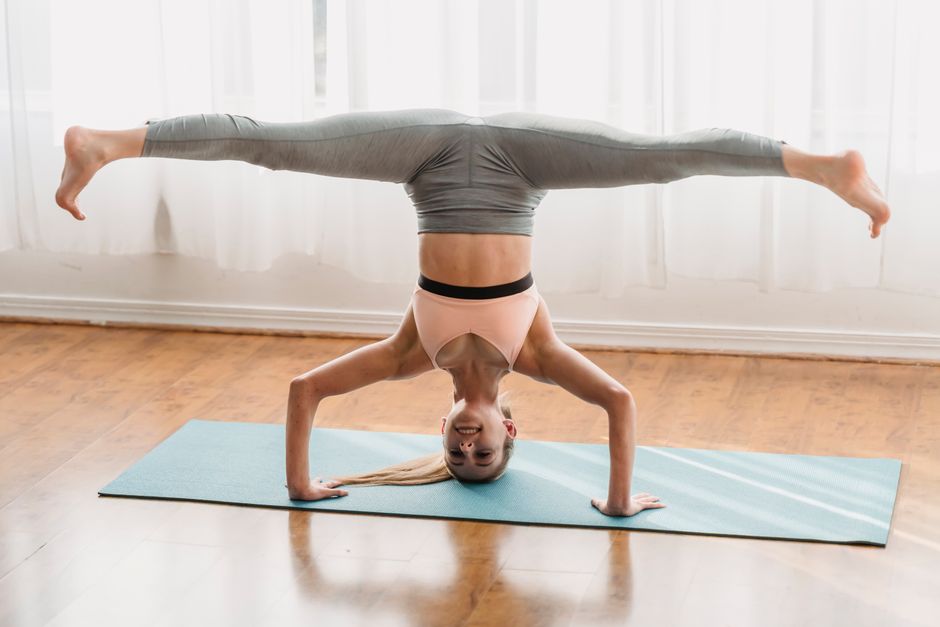
Rushing into deep stretches on a cold body is one of the most common beginner mistakes. Your first five minutes should focus on **gentle joint mobilization and breath awareness** — not intensity.
Start lying on your back. Draw both knees to your chest and rock side to side for 30 seconds to release overnight spinal compression. Then move into slow **neck rolls** — three circles each direction, fluid and pain-free.
From there, work through:
- **Wrist and ankle circles** — 5 rotations each direction to lubricate small joints
- **Supine spinal twist** — hold each side 20 seconds, breathing deeply
- **Child’s Pose** — rest 30–45 seconds, letting your lower back decompress
- **Pranayama breathing** — 5 rounds of 4-count inhale, 4-count exhale to settle the nervous system
This sequence primes your body for flexibility work without risk of strain.
—
Core Yoga Poses for Flexibility (10 Minutes)
This is the heart of your 15-minute practice. **Breath and alignment matter more than depth.** If you feel sharp pain at any point, ease out of the pose immediately and consult a healthcare professional before continuing.
Cat-Cow Pose (1–2 Minutes)
**Target: Spine and core.** On hands and knees, wrists under shoulders, knees under hips. Inhale — drop your belly, lift chest and tailbone (Cow). Exhale — round your spine upward, tuck chin and tailbone (Cat). Move through 8–10 full breath cycles. This is one of the best poses for restoring spinal mobility after sleep.
Downward Facing Dog (1–2 Minutes)
**Target: Hamstrings, calves, and shoulders.** From hands and knees, tuck toes and press hips up and back into an inverted V. Keep a slight bend in the knees if hamstrings are tight — forcing straight legs collapses the lower back. Hold 5 breaths, then pedal heels alternately for 30 seconds.
Low Lunge and Pigeon Pose (2 Minutes Each Side)
**Target: Hip flexors and outer hips.** Step one foot forward into Low Lunge to open tight hip flexors shortened by sitting. For **Pigeon Pose**, bring the front shin as parallel to the mat’s top edge as comfortable and fold forward — hold 30–45 seconds per side. Don’t force the hip down; patience is the practice here.
*Beginner modification:* Stay in Low Lunge if you feel knee discomfort. A folded blanket under the front hip reduces intensity.
Seated Forward Bend (1–2 Minutes)
**Target: Hamstrings and lower back.** Sit with legs extended, flex your feet, and hinge forward from the hips — not the waist. Use a strap around your feet if you can’t reach them. Aim for a **long, flat back** rather than a rounded spine. Hold 45–60 seconds, breathing into the stretch.
Shoulder and Tricep Stretch (1 Minute)
**Target: Shoulders, upper back, and triceps.** Reach one arm across your chest and press gently with the opposite hand — 20 seconds each side. Then bring one elbow overhead, bend it behind your head, and deepen with the other hand. These moves address upper-body tightness that builds from screen time and poor posture.
—
Pose Duration and Intensity Reference
Knowing how long to hold each pose makes a meaningful difference in results.
| Pose | Beginner Hold | Advanced Hold | Primary Benefit |
|---|---|---|---|
| Cat-Cow | 8–10 breath cycles | 12–15 cycles | Spinal mobility |
| Downward Dog | 5 breaths | 10 breaths + heel pedal | Hamstrings, shoulders |
| Low Lunge | 30 sec/side | 60 sec/side | Hip flexor length |
| Pigeon Pose | 30 sec/side | 60–90 sec/side | Outer hip release |
| Seated Forward Bend | 30–45 seconds | 60–90 seconds | Hamstring lengthening |
| Shoulder Stretch | 20 sec/side | 30 sec/side | Upper-body tension relief |
Work at **70–80% of your comfortable range** — never to pain. Flexibility gains come from consistent, moderate effort over time, not from forcing positions.
—
Deep Stretching: Holding With Intention
In the final active minutes, focus on **quality of sensation, not depth**. Slow your exhales to be slightly longer than your inhales — this neurologically relaxes muscle tissue and allows deeper release without added force.
If one side feels significantly tighter, that’s completely normal. Spend an extra 15–20 seconds on the stiffer side rather than rushing toward symmetry. That kind of body awareness is exactly what consistent [yoga practice](https://sieunjayb.blog/category/yoga/) builds over time.
- **Breathe into the tight area** — visualize the breath reaching the stretched muscle
- **Relax your face and jaw** — tension there signals full-body guarding
- **Don’t bounce** — static holds are safer and more effective than ballistic stretching for beginners
—
Cool Down and Closing (2 Minutes)
Never skip the cool down, even in a short session. Two intentional minutes seal in the benefits of your practice and signal your nervous system that the work is complete.
Lie flat on your back in **Corpse Pose (Savasana)**. Let your feet fall open, arms slightly away from your body, eyes closed. Focus on the natural rhythm of your breath for 60–90 seconds. This isn’t wasted time — it’s when your nervous system integrates the movement you just completed.
Close with a single conscious breath and a moment of appreciation for showing up. This small habit reinforces the consistency that makes morning yoga stick long-term.
—
Building Consistency: Making the Habit Stick
The biggest challenge for beginners isn’t the poses — it’s showing up consistently. A **15-minute routine has no real excuse for skipping**, which is exactly why this length is so effective for habit formation.
Try these strategies to lock in your practice:
- **Lay out your mat the night before** — removing friction eliminates the main reason people skip
- **Tie yoga to an existing habit** — do it right after brewing your coffee
- **Track a simple streak** — even a calendar checkmark builds momentum
- **Give yourself permission to do less on hard days** — five minutes of Child’s Pose still counts
- **Expect plateaus** — flexibility gains are nonlinear; trust the process over weeks, not days
Consistency beats intensity every time. Three weeks of daily 15-minute sessions will outperform one intense 90-minute class per week.
—
Frequently Asked Questions (FAQ)
Can I do this 15-minute routine every day?
Yes — this routine is designed to be gentle enough for daily practice. Because it focuses on **mobility and light stretching** rather than strength or high-intensity movement, your body can handle it each morning without rest days. If any area feels sore or inflamed, take a day off and check with a healthcare professional if discomfort persists.
How long before I notice real flexibility improvements?
Most beginners notice **meaningful gains in 3–4 weeks** of consistent daily practice. You’ll likely feel looser and more comfortable in poses within the first week, even before visible range-of-motion changes appear. Progress accelerates when you combine morning yoga with staying well-hydrated and taking movement breaks throughout the day.
What if I can’t do certain poses due to physical limitations?
Always modify before you skip. Most poses here have a gentler variation — use blocks, straps, or blankets to bring the floor closer to you rather than forcing your body toward the floor. If you have a specific injury, chronic condition, or post-surgical concern, get clearance from your doctor or physical therapist before starting any new flexibility routine.
Top Product Recommendations
| Product Name | Rating | Key Feature | Est. Price | Action |
|---|---|---|---|---|
| Top-rated non-slip yoga mat 4mm thick | ★★★★★ | Editor-recommended non-slip yoga mat 4mm thick from this guide | $18–$42 | Check Lowest Price on Amazon |
| Best-value yoga blocks and strap set beginners | ★★★★☆ | Affordable yoga blocks and strap set beginners — strong everyday results | $12–$28 | Check Lowest Price on Amazon |
| Premium yoga bolster pillow stretching | ★★★★☆ | Higher-end yoga bolster pillow stretching for visible, lasting results | $45–$95 | Check Lowest Price on Amazon |
Affiliate Disclosure: This post contains affiliate links. We may earn a commission if you buy through our links, at no extra cost to you. Medical Disclaimer: This content is for informational purposes only and is not medical advice. Consult a healthcare professional before changing diet or exercise.
Leave a Reply