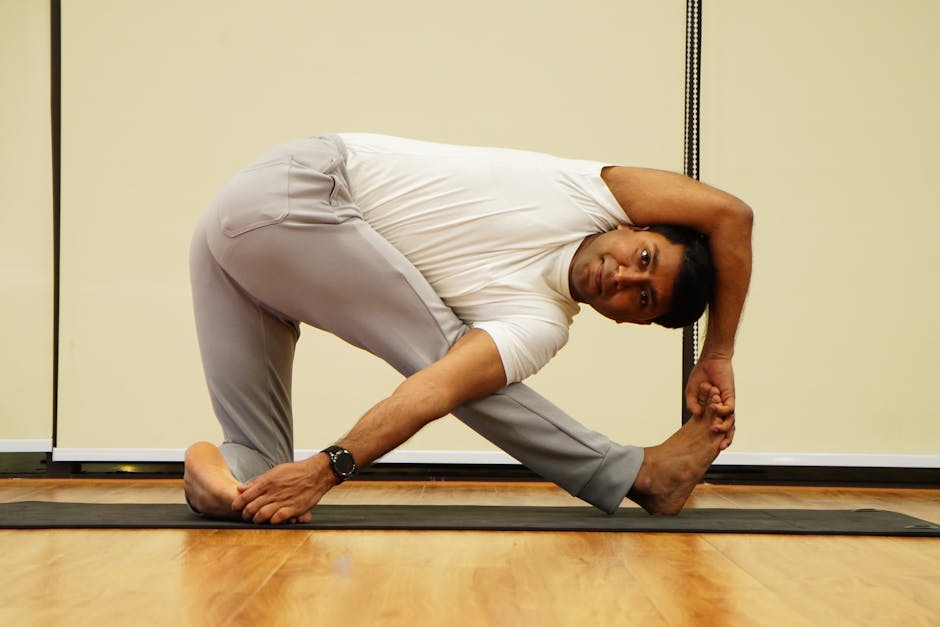
Introduction to Yoga
Yoga is a transformative practice that combines physical postures, breathing techniques, and mindfulness to enhance both physical and mental well-being. This ancient discipline offers numerous benefits including improved flexibility, increased strength, better balance, reduced stress, and enhanced mental clarity. Regular yoga practice can help lower blood pressure, improve cardiovascular health, and promote better sleep quality while building a stronger mind-body connection.
Originating in ancient India over 5,000 years ago, yoga has evolved from spiritual and philosophical traditions into a comprehensive wellness practice embraced worldwide. The word “yoga” comes from the Sanskrit root “yuj,” meaning to unite or join, reflecting the practice’s goal of harmonizing body, mind, and spirit. Traditional yoga encompasses eight limbs of practice, including ethical guidelines, physical postures, breath control, and meditation.
Modern yoga offers various styles to suit different fitness goals and preferences. Hatha yoga focuses on gentle, slower-paced movements perfect for beginners, while Ashtanga provides a more vigorous, athletic approach with set sequences. Vinyasa yoga emphasizes flowing movements synchronized with breath, and Yin yoga involves longer-held passive poses for deep stretching. Power yoga builds strength and endurance, while restorative yoga promotes relaxation and stress relief. Understanding these different approaches helps practitioners choose the most suitable style for their current fitness level and wellness objectives.
Preparing for Yoga Practice
Proper preparation sets the foundation for a safe and effective yoga practice. Essential equipment includes a non-slip yoga mat that provides adequate cushioning and grip, yoga blocks for support and alignment assistance, and a yoga strap to help with flexibility limitations. Comfortable, breathable clothing that allows full range of motion is crucial – avoid overly loose garments that might interfere with poses or create distractions during practice.
Nutrition and hydration play important roles in yoga preparation. Practice on a relatively empty stomach, ideally 2-3 hours after a large meal or 1 hour after a light snack. Stay well-hydrated throughout the day, but avoid drinking large amounts of water immediately before practice to prevent discomfort during twisting or inverted poses. Light foods like bananas or dates can provide energy if needed before morning sessions.
Creating an appropriate practice environment enhances focus and safety. Choose a quiet, well-ventilated space with enough room to extend arms and legs fully in all directions. Ensure the floor surface is level and stable, and remove any obstacles or distractions. Dim lighting or natural light often works better than harsh overhead lighting. Consider playing soft, instrumental music or practicing in silence to maintain concentration and inner awareness throughout your session.
Basic Yoga Poses for Beginners
Mountain Pose (Tadasana) serves as the foundation for all standing poses and teaches proper alignment. Stand with feet hip-width apart, distribute weight evenly across both feet, and engage leg muscles while lengthening through the crown of the head. Keep shoulders relaxed away from ears and arms at sides with palms facing forward. Hold for 30-60 seconds while breathing deeply, focusing on creating a strong, stable base while maintaining an elongated spine.
Downward Facing Dog (Adho Mukha Svanasana) builds upper body strength while stretching the hamstrings and calves. Begin on hands and knees, tuck toes under, and lift hips up and back. Press hands firmly into the mat with fingers spread wide, and work toward straightening legs while keeping a long spine. Common mistakes include placing hands too close together or allowing shoulders to collapse toward ears. Hold for 30-60 seconds, pedaling feet to warm up the legs.
Child’s Pose (Balasana) provides a restorative break and gentle hip and back stretch. Kneel on the mat, touch big toes together, and separate knees about hip-width apart. Sit back on heels and fold forward, extending arms in front or alongside the body. Rest forehead on the mat and breathe deeply for 1-3 minutes. This pose helps calm the nervous system and can be used as a resting position whenever needed during practice.
Intermediate Yoga Poses
Warrior II (Virabhadrasana II) develops leg strength, hip flexibility, and mental focus while improving balance and endurance. Step feet about 4 feet apart, turn right foot out 90 degrees and left foot in slightly. Bend right knee directly over ankle while keeping left leg straight and strong. Extend arms parallel to floor and gaze over right fingertips. Hold for 45-60 seconds before switching sides, focusing on maintaining equal weight distribution and steady breathing throughout the pose.
Triangle Pose (Trikonasana) creates length through the spine while strengthening legs and opening the chest and shoulders. From a wide-legged forward fold, turn right foot out 90 degrees and place right hand on shin, ankle, or a block. Extend left arm toward ceiling, creating a straight line from left fingertips to left heel. Keep both legs active and avoid collapsing over the front leg. This pose improves balance and coordination while building core stability.
Crow Pose (Bakasana) challenges arm strength, core engagement, and mental focus as practitioners learn to balance body weight on hands. Squat with feet close together, place hands on mat shoulder-width apart, and rest knees on upper arms. Shift weight forward while engaging core muscles and lifting toes off the ground. Start by holding for just a few seconds and gradually build up duration. This arm balance builds confidence and prepares practitioners for more advanced poses.
Advanced Yoga Techniques
Headstand (Sirsasana) is often called the king of poses, requiring significant upper body strength, core stability, and mental composure. Begin in a supported headstand against a wall, placing forearms on the mat with elbows shoulder-width apart. Create a cup with hands and place crown of head in palms. Walk feet closer to elbows, then slowly lift legs up while engaging core muscles. Advanced practitioners can hold for 3-5 minutes, but beginners should start with 30 seconds and progress gradually.
Wheel Pose (Urdhva Dhanurasana) demands exceptional back flexibility, shoulder mobility, and full-body strength. Lie on back with knees bent and feet flat on floor. Place hands beside ears with fingers pointing toward shoulders. Press into hands and feet while lifting hips and chest, creating a deep backbend. This pose requires extensive preparation through bridge poses and shoulder opening exercises. Hold for 15-30 seconds initially, working up to longer durations as strength and flexibility improve.
Advanced practitioners often incorporate complex sequences like the Ashtanga Primary Series, which links challenging poses through flowing movements coordinated with specific breathing patterns. These sequences require years of consistent practice to master safely and effectively. Focus on perfecting fundamental poses before attempting advanced variations, and always listen to your body’s signals to prevent injury and maintain sustainable progress in your practice.
Yoga for Specific Health Concerns
Yoga offers effective support for weight management through increased muscle tone, improved metabolism, and enhanced body awareness. Dynamic styles like Vinyasa and Power yoga can burn 200-400 calories per hour while building lean muscle mass. Sun Salutations performed at a moderate pace provide cardiovascular benefits while strengthening major muscle groups. Combine regular yoga practice with mindful eating habits and other physical activities for sustainable weight management results.
Stress reduction represents one of yoga’s most significant benefits, achieved through the combination of physical movement, breath control, and mindfulness practices. Poses like Forward Fold, Legs Up the Wall, and Supported Child’s Pose activate the parasympathetic nervous system, promoting relaxation and reducing cortisol levels. Regular practice helps develop coping strategies for daily stressors while improving emotional regulation and mental resilience.
Cardiovascular health improves through yoga’s emphasis on deep breathing, gentle movement, and stress reduction. Studies show that consistent practice can help lower blood pressure, reduce heart rate, and improve circulation. Gentle backbends open the chest and improve breathing capacity, while twisting poses support healthy digestion and detoxification. However, individuals with serious cardiovascular conditions should consult healthcare providers before beginning any new exercise program, including yoga.
Yoga and Mindfulness
Mindfulness forms the foundation of authentic yoga practice, transforming physical postures into moving meditation. This awareness involves paying attention to breath, bodily sensations, thoughts, and emotions without judgment while maintaining present-moment focus. Begin by simply noticing the breath during poses, observing its natural rhythm and quality. This practice develops concentration skills that extend beyond the yoga mat into daily life situations.
Meditation techniques can be seamlessly integrated into yoga sessions through breath awareness, body scanning, and loving-kindness practices. Start each session with 2-3 minutes of seated meditation, focusing on natural breathing patterns. During poses, maintain awareness of physical sensations and mental states. End practice with Savasana (Corpse Pose), allowing complete relaxation while remaining mentally alert and present.
Advanced mindfulness practices include walking meditation, where practitioners move slowly and deliberately while maintaining full awareness of each step and breath. Mantra repetition during poses can deepen concentration and create positive mental patterns. Visualization techniques, such as imagining light or energy flowing through the body, enhance the mind-body connection and promote healing. These practices require patience and consistency to develop but offer profound benefits for mental clarity and emotional well-being.
Frequently Asked Questions (FAQ)
What is the best time of day to practice yoga?
The optimal time for yoga practice depends on your schedule, energy levels, and personal preferences. Morning practice energizes the body and mind for the day ahead, while evening sessions help release tension and prepare for restful sleep. Many practitioners find that consistency matters more than timing – choose a time you can maintain regularly. Morning practice on an empty stomach is traditional, but any time that allows for regular practice is beneficial.
How often should I practice yoga to see results?
Beginners can see improvements in flexibility, strength, and stress levels with 2-3 sessions per week, each lasting 30-60 minutes. More frequent practice accelerates progress, but quality and consistency matter more than quantity. Daily practice, even if just 15-20 minutes, often produces better results than longer, infrequent sessions. Listen to your body and gradually increase frequency and duration as your strength and flexibility improve.
Can I practice yoga if I have a medical condition or injury?
Many medical conditions can benefit from modified yoga practice, but it’s essential to consult with healthcare providers before beginning. Gentle, therapeutic yoga can support recovery from injuries and help manage chronic conditions like arthritis, back pain, and anxiety. Work with experienced instructors who can provide appropriate modifications and avoid poses that might aggravate existing conditions. Always inform instructors about any health concerns or physical limitations.
What are some common mistakes beginners make when starting yoga?
Common beginner mistakes include pushing too hard too fast, comparing themselves to others, holding the breath during poses, and neglecting proper alignment. Focus on your own practice rather than trying to achieve advanced poses immediately. Breathe steadily throughout all movements and poses. Use props like blocks and straps to maintain proper form rather than forcing poses. Remember that yoga is a lifelong practice – progress comes through patience, consistency, and self-compassion rather than force or competition.
Explore more yoga guides on our site.
Top Product Recommendations
| Product Name | Rating | Key Feature | Est. Price | Action |
|---|---|---|---|---|
| Best Yoga Pick | ★★★★★ | Top-rated overall | $25–$45 | Check Lowest Price on Amazon |
| Budget Yoga Option | ★★★★☆ | Great for beginners | $12–$28 | Check Lowest Price on Amazon |
| Premium Yoga Choice | ★★★★☆ | Pro-level results | $50–$90 | Check Lowest Price on Amazon |
Affiliate Disclosure: This post contains affiliate links. We may earn a commission if you buy through our links, at no extra cost to you. Medical Disclaimer: This content is for informational purposes only and is not medical advice. Consult a healthcare professional before changing diet or exercise.
Leave a Reply