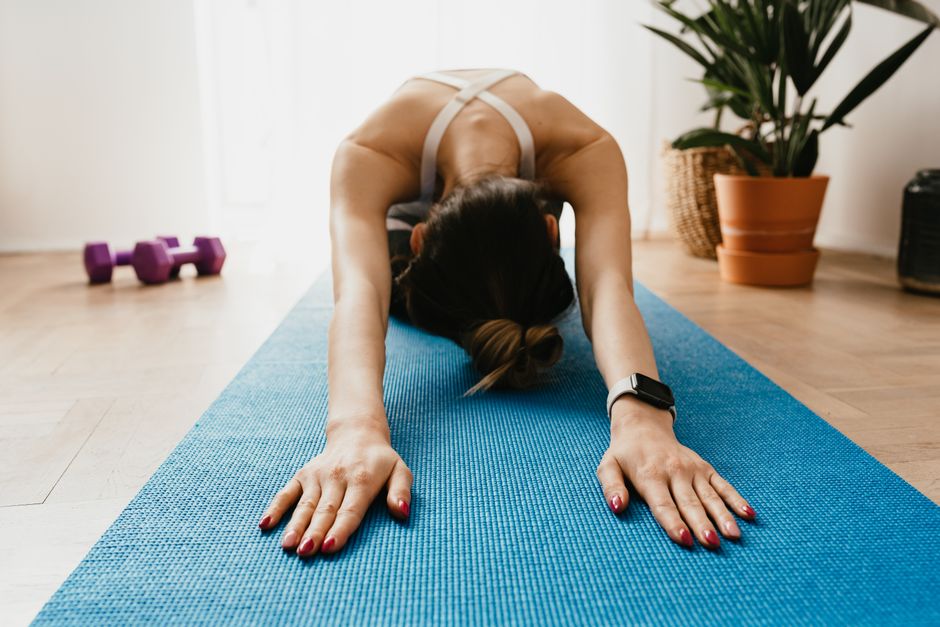
Why a Morning Yoga Routine for Flexibility Beginners Works
A **morning yoga routine for flexibility beginners** done in just 15 minutes can reset overnight stiffness and wake up your entire musculoskeletal system before you leave the house. Research in kinesiology shows that consistent, moderate-duration stretching outperforms sporadic long sessions for building sustainable range of motion. Yoga blends flexibility training, strength work, and breath awareness — making it uniquely efficient for beginners who want results without a major time commitment.
The focused breathing in yoga activates the parasympathetic nervous system, lowering cortisol and sharpening mental clarity. Even a short daily practice compounds meaningfully over weeks. For anyone new to movement routines, this combination of physical and mental payoff makes morning yoga one of the highest-return habits available.
Quick pick: Compare top-rated Yoga options.
Setting Up Your Space and Mindset
You don’t need a studio — a quiet corner with enough floor space to lie down is sufficient. A **yoga mat** provides the traction that prevents slipping during standing poses and downward dog. Lay it out the night before so the practice is ready the moment you step out of bed.
Approach these 15 minutes as non-negotiable self-care, not a workout to grind through. Yoga rewards consistency over intensity. Pushing too hard early leads to soreness and dropout — a gentle, sustainable start is where real flexibility gains happen.
The Core 15-Minute Beginner Sequence
This sequence targets the major muscle groups responsible for everyday stiffness: hamstrings, hip flexors, calves, chest, and shoulders. Move through each pose in order for a logical warm-to-cool progression.
- **Cat-Cow (warm-up):** On hands and knees, alternate arching and dropping your spine with each breath — 5 slow rounds.
- **Downward-Facing Dog:** Press hands into the floor, lift hips into an inverted V, and pedal your feet to release hamstring tension. Hold 5–8 breaths.
- **Low Lunge:** Step one foot forward, lower the back knee, and lift arms overhead to open tight hip flexors. Hold 5–8 breaths per side.
- **Seated Forward Fold:** Legs extended, hinge from the hips — not the waist. Bend knees if hamstrings are tight. Hold 60 seconds.
- **Supine Twist:** Lying on your back, guide one knee across your body for a gentle lower-back release. Hold 60 seconds per side.
- **Savasana (cool-down):** Lie flat, eyes closed, slow diaphragmatic breathing for 2 full minutes.
For guided options and deeper instruction, explore the full library of beginner flows at beginner yoga routines.
Pose Reference: Duration and Modifications
| Pose | Target Area | Duration | Beginner Modification |
|---|---|---|---|
| Downward Dog | Hamstrings, calves | 5–8 breaths | Bend knees, pedal feet |
| Low Lunge | Hip flexors, quads | 5–8 breaths/side | Keep hands on floor or blocks |
| Seated Forward Fold | Hamstrings, lower back | 60 seconds | Bend knees, use a strap |
| Supine Twist | Lower back, spine | 60 seconds/side | Rest knee on a folded blanket |
Tracking Progress and Staying Consistent
Flexibility gains feel subjective, but simple benchmarks provide real data. The **sit-and-reach test** — measuring how far past your toes you can reach with legs extended — is easy to repeat every two weeks. Increasing your hold time in a hip flexor stretch by 15–20 seconds over a month is a genuine, measurable win.
Set process-based goals rather than outcome-based ones. Aim to practice five days per week for four weeks rather than fixating on touching your toes. The flexibility follows consistent practice — not the other way around. If you want to expand your habit beyond this sequence, yoga for flexibility and recovery offers progressions suited to every level.
> **Note:** If you have a pre-existing injury or joint condition, consult a healthcare professional before beginning any new movement routine.
FAQ
When is the best time to do this routine?
Practice 30–60 minutes after waking, on an empty stomach, after drinking a glass of water. This prevents digestive discomfort and allows full range of motion through every pose.
How often should beginners practice to improve flexibility?
Daily practice produces the fastest results, but four to five sessions per week works well for most beginners. **Frequency matters more than duration** — four 15-minute sessions per week outperform one 60-minute session for building lasting flexibility.
Do I need a yoga mat for this routine?
A mat isn’t strictly required, but it provides critical grip during standing poses on hardwood or tile. A textured mat with at least a quarter-inch of cushioning is the single best equipment investment for safety and joint comfort.
Top Product Recommendations
| Product Name | Rating | Key Feature | Est. Price | Action |
|---|---|---|---|---|
| Top-rated yoga mat non slip beginners | ★★★★★ | Editor-recommended yoga mat non slip beginners from this guide | $18–$42 | Check Lowest Price on Amazon |
| Best-value yoga strap for stretching | ★★★★☆ | Affordable yoga strap for stretching — strong everyday results | $12–$28 | Check Lowest Price on Amazon |
| Premium yoga blocks set for beginners | ★★★★☆ | Higher-end yoga blocks set for beginners for visible, lasting results | $45–$95 | Check Lowest Price on Amazon |
Affiliate Disclosure: This post contains affiliate links. We may earn a commission if you buy through our links, at no extra cost to you. Medical Disclaimer: This content is for informational purposes only and is not medical advice. Consult a healthcare professional before changing diet or exercise.
Leave a Reply