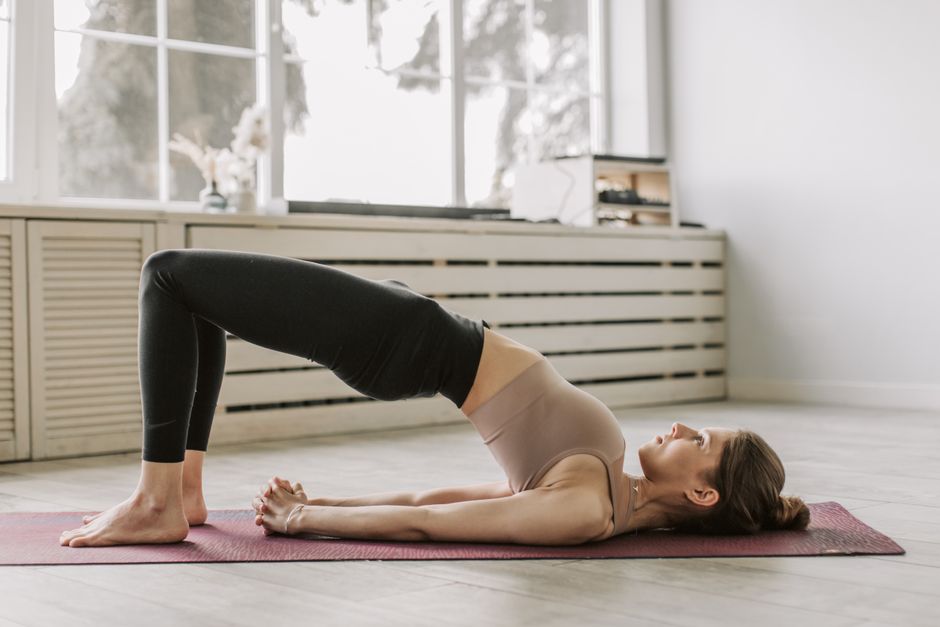
Why Start Your Day with Morning Yoga
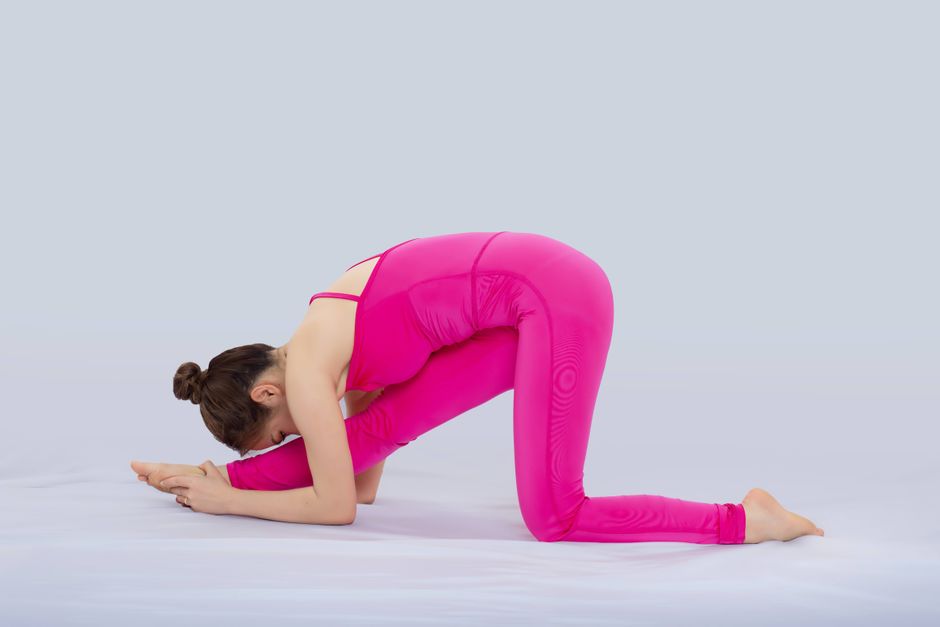
A **morning yoga routine for flexibility beginners** doesn’t need to be complicated or time-consuming. Just 15 minutes each morning can loosen tight muscles, improve your range of motion, and set a calm, focused tone for the rest of your day. Research consistently shows that regular stretching improves functional flexibility over time — and morning is when your commitment is hardest to skip.
Yoga combines controlled movement with intentional breathing, making it uniquely effective for both physical and mental wellness. Unlike static stretching alone, yoga poses engage stabilizing muscles while lengthening others. For beginners, this means you’re building body awareness and strength alongside flexibility from day one.
- **Reduces morning stiffness** from sleep-related muscle tightness
- **Improves posture** by lengthening the spine and hip flexors
- **Boosts circulation** to wake up the body naturally
- **Calms the nervous system** before the day’s demands begin
If you’re new to yoga and looking for a structured entry point, check out our yoga for beginners guide for more foundational tips.
Quick pick: Compare top-rated Yoga options.
Warm-Up and Preparation (Minutes 1–3)
Before moving into yoga poses, your body needs a brief warm-up — especially in the morning when muscles are cool and stiff. Spend the first 2–3 minutes doing gentle neck rolls, shoulder circles, and seated spinal twists. These micro-movements increase blood flow and lubricate your joints without any risk of strain.
Set up your space with a **non-slip yoga mat** on a flat, quiet surface. You don’t need a dedicated studio — a cleared bedroom floor works perfectly. Keep a folded blanket or yoga block nearby for modifications.
- Roll your neck slowly side to side: 5 reps each direction
- Shoulder circles forward and back: 8 reps each
- Seated spinal twist (both sides): hold 20–30 seconds per side
- Cat-Cow on hands and knees: 6–8 slow rounds, synced with breath
**Cat-Cow form cue:** On the inhale, drop your belly and lift your gaze (Cow). On the exhale, round your spine toward the ceiling (Cat). Move with your breath — not your momentum.
The 15-Minute Beginner Yoga Sequence
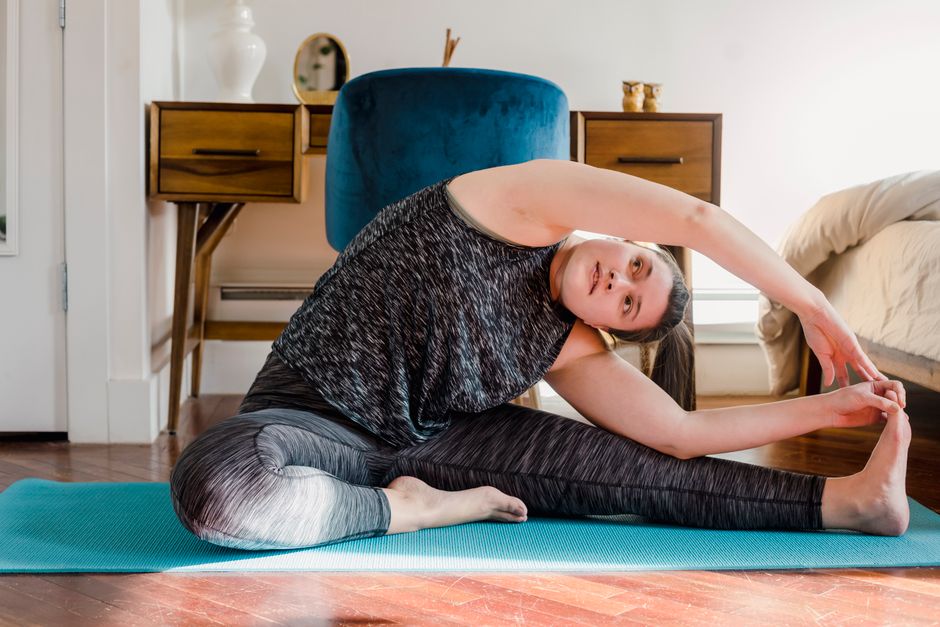
This sequence flows through six foundational poses designed to target the hips, hamstrings, spine, and shoulders — the areas beginners feel tightest most often. Hold each pose for 30–45 seconds unless noted otherwise.
1. Child’s Pose (Balasana) — 45 seconds
Kneel, sit back toward your heels, and extend your arms forward on the mat. This pose gently stretches the lower back, hips, and ankles. **Modification:** Place a folded blanket between your thighs and calves if your hips don’t reach your heels.
2. Downward Facing Dog — 45 seconds
From hands and knees, tuck your toes and lift your hips toward the ceiling into an inverted V-shape. Pedal your heels alternately for 10 seconds to warm up the hamstrings. **Beginner tip:** Bend your knees generously — a flat back matters more than straight legs.
3. Low Lunge (Anjaneyasana) — 30 seconds each side
Step one foot forward between your hands, lower the back knee to the mat, and sink your hips forward. This is one of the best poses for tight hip flexors. **Form cue:** Keep your front knee stacked directly over your ankle.
4. Seated Forward Fold (Paschimottanasana) — 45 seconds
Sit with legs extended, hinge from the hips (not the waist), and reach toward your feet. **Do not round aggressively** — a straight spine with a slight lean beats a curved collapse every time. Use a strap or towel around your feet if needed.
5. Supine Spinal Twist — 30 seconds each side
Lie on your back, draw one knee to your chest, and guide it across your body while your arms open wide. This releases the thoracic spine and outer hips. Breathe slowly and let gravity do the work.
6. Legs-Up-the-Wall (Viparita Karani) — 1 minute
Scoot close to a wall, swing your legs up, and rest with your back flat on the floor. This passive inversion drains fatigue from the legs and calms the nervous system — the perfect closing pose.
Breathing Techniques for Beginners
**Breath control (pranayama)** is what separates yoga from basic stretching. For a 15-minute morning routine, you only need one breathing technique: **3-part breath (Dirga Pranayama)**.
Inhale slowly, filling your belly first, then your ribcage, then your upper chest. Exhale in reverse — chest, ribs, belly. Aim for a 4-count inhale and a 4-count exhale. Practice this during every held pose and you’ll find each stretch deepens naturally over time.
- **Never hold your breath** in a stretch — tension signals your muscles to contract
- Exhale into deeper range of motion; inhale to stabilize
- If you feel lightheaded, return to normal breathing immediately
Beginner Mistakes and How to Fix Them
The most common mistake beginners make is pushing too hard too fast. Flexibility is a **long-term adaptation** — your connective tissue (fascia, tendons, ligaments) responds to consistent, moderate stress over weeks, not one aggressive session.
| Common Mistake | Why It Happens | Better Approach |
|---|---|---|
| Bouncing in stretches | Trying to go deeper faster | Hold steady; breathe and wait |
| Rounding the lower back | Tight hamstrings pulling the pelvis | Bend knees; hinge from hips |
| Skipping warm-up | Short on time | Do 90 seconds minimum |
| Comparing to others | Social media benchmarks | Measure your own week-over-week progress |
| Practicing only once a week | Inconsistency | Aim for 4–5 short sessions over 1 long one |
Building a Sustainable Yoga Habit
Consistency beats intensity every time in yoga. Scheduling your 15 minutes immediately after waking — before checking your phone — removes the friction of decision-making. Keep your mat unrolled the night before as a visual cue. For equipment, a **sticky yoga mat** (4–6mm thickness) provides the grip and cushioning beginners need. Wear form-fitting, breathable clothing that doesn’t bunch during forward folds.
**When to consult a healthcare professional:** If you experience sharp joint pain (not muscle stretch discomfort), numbness, or tingling during any pose, stop and speak with your doctor before continuing. This routine is appropriate for generally healthy adults — it is not medical advice and is not a substitute for professional evaluation of existing injuries. Looking for more ways to support your wellness journey? Browse our full yoga category for routines at every level.
Frequently Asked Questions (FAQ)
Q: How often should beginners practice morning yoga for flexibility?
A: Aim for **4–5 sessions per week** for the first 4–6 weeks. Daily practice is ideal, but consistency over frequency is the real driver — four steady sessions beat one intense weekly session every time. Most beginners notice meaningful flexibility gains within 3–4 weeks of regular practice.
Q: What are the signs of improvement in flexibility?
A: Early signs include reaching slightly further in a forward fold, feeling less stiffness within the first 5 minutes of your routine, and moving into Low Lunge without the hip flexor pulling sensation. **Take a photo of your forward fold on week 1 and week 4** — the visual difference is often surprising and highly motivating.
Q: Can I practice morning yoga if I have a medical condition?
A: Many conditions — including mild back pain, stress, and general stiffness — respond well to gentle morning yoga. However, if you have a diagnosed spinal condition, recent surgery, osteoporosis, or cardiovascular concerns, **consult your healthcare provider before starting**. A qualified yoga instructor can also provide personalized modifications once you have medical clearance.
Q: Do I need any equipment to start?
A: A quality non-slip yoga mat is the most important investment. A yoga block or folded blanket can help with modifications in poses like Child’s Pose and Forward Fold. A yoga strap is useful if your hamstrings are very tight. No other equipment is required for this 15-minute beginner sequence.
Q: Is 15 minutes enough to see flexibility results?
A: Yes — but realistic expectations matter. Fifteen focused minutes daily produces better results than one hour-long session per week. Most beginners see noticeable improvements in range of motion within 3–6 weeks of consistent practice. The key is showing up regularly, not pushing aggressively in any single session.
Top Product Recommendations
| Product Name | Rating | Key Feature | Est. Price | Action |
|---|---|---|---|---|
| Top-rated sticky yoga mat non slip | ★★★★★ | Editor-recommended sticky yoga mat non slip from this guide | $18–$42 | Check Lowest Price on Amazon |
| Best-value yoga mat for beginners | ★★★★☆ | Affordable yoga mat for beginners — strong everyday results | $12–$28 | Check Lowest Price on Amazon |
| Premium yoga block for modifications | ★★★★☆ | Higher-end yoga block for modifications for visible, lasting results | $45–$95 | Check Lowest Price on Amazon |
Affiliate Disclosure: This post contains affiliate links. We may earn a commission if you buy through our links, at no extra cost to you. Medical Disclaimer: This content is for informational purposes only and is not medical advice. Consult a healthcare professional before changing diet or exercise.
Leave a Reply