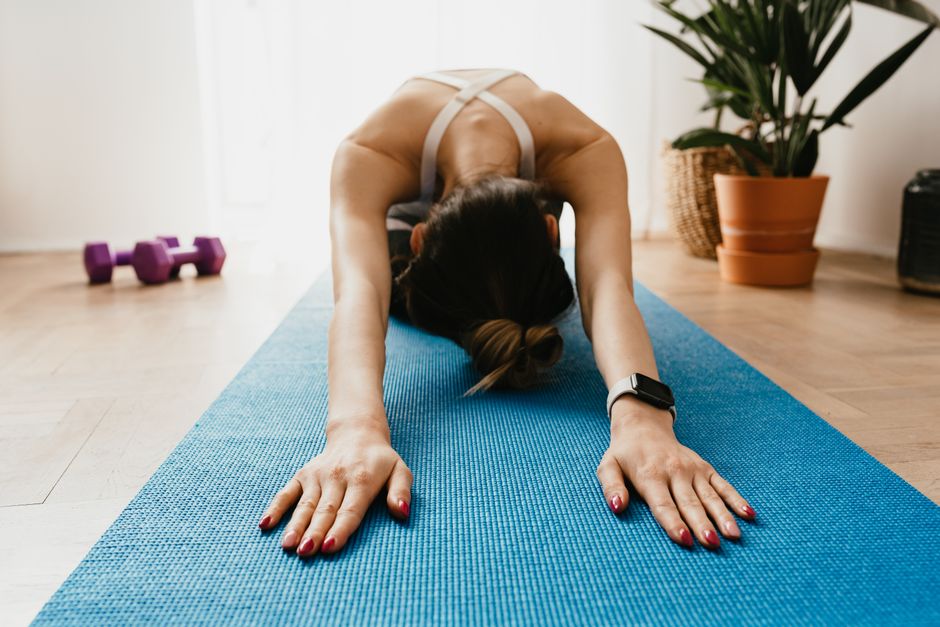
Why Morning Yoga Improves Flexibility for Beginners
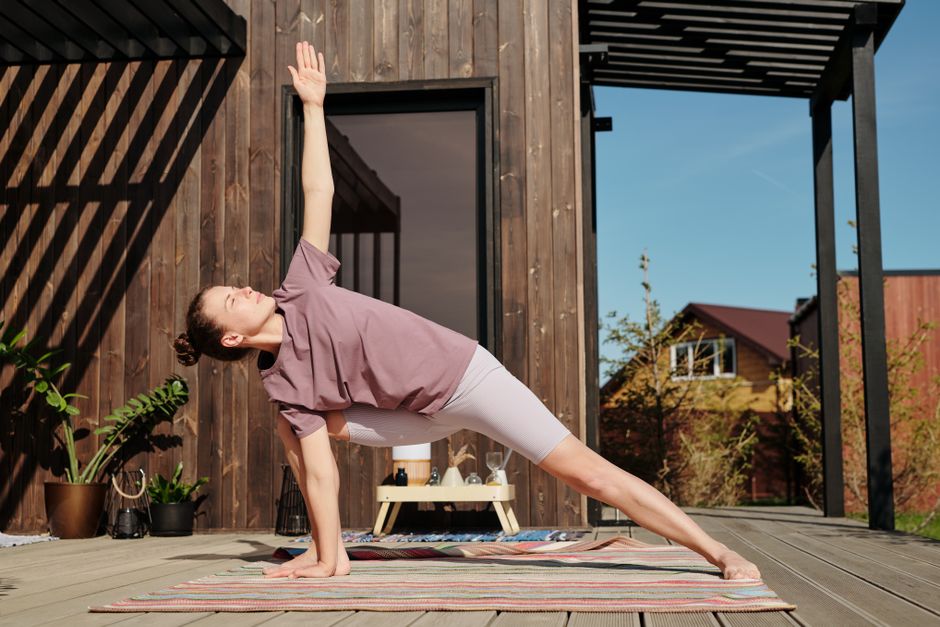
Starting your day with a **15-minute yoga routine** helps unlock tight muscles and prepares your body for the day ahead. Morning yoga targets stiffness that builds overnight, especially in the hips, hamstrings, and spine. Beginners benefit from consistent gentle stretching that gradually increases range of motion without force.
This routine requires no prior experience and fits easily into busy schedules before work or family responsibilities. Flexibility develops through regular practice, not extreme stretching. A short daily session produces better results than occasional long workouts, and morning practice sets a calm, focused tone for your entire day.
Quick pick: Compare top-rated Yoga options.
Setting Up Your Practice Space
Choose a quiet area with enough room to extend your arms and legs in all directions. A **yoga mat** provides cushioning and prevents slipping during poses. If you don’t own a mat yet, a large towel on carpet works temporarily.
Beginner often appreciate a **yoga block** or sturdy book to bring the floor closer during forward bends. Wear comfortable clothing that allows full movement without restriction. Practice barefoot for better grip and body awareness, and keep your phone on silent so you can focus without distractions.
Morning light energizes your practice, but dim lighting works if you prefer a calmer atmosphere. The key is consistency in location and time, which helps your body recognize the routine and respond more readily.
Warm-Up: Preparing Your Body (2 Minutes)
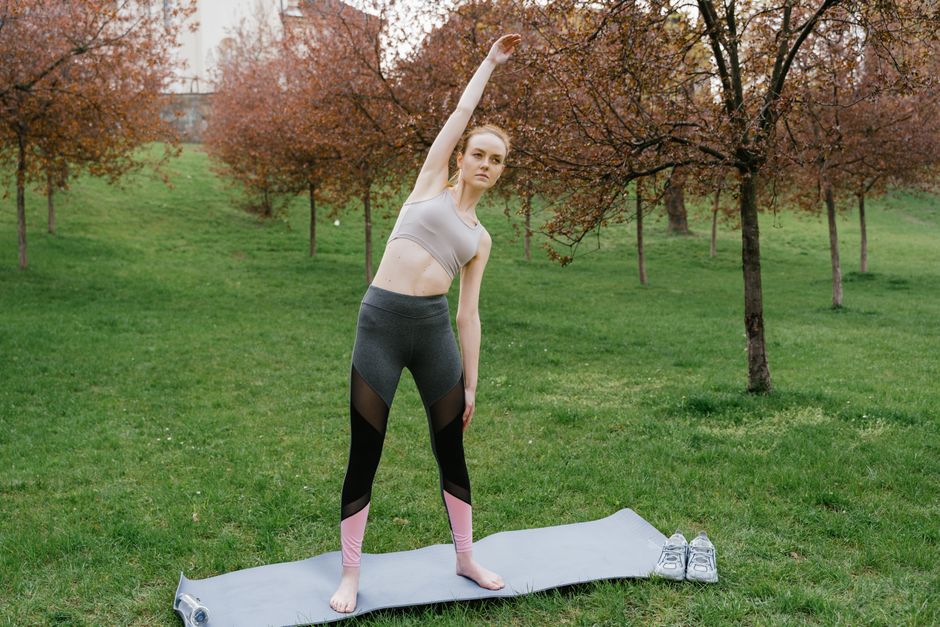
Begin in a comfortable seated position with legs crossed and spine tall. **Neck rolls** release tension from sleep—slowly drop your right ear toward your right shoulder, then roll your chin down to your chest, and continue to the left side. Complete three full circles in each direction.
Move to **shoulder rolls** by lifting both shoulders toward your ears on an inhale, then releasing them back and down on an exhale. Repeat five times. Extend your arms overhead and interlace your fingers, pressing your palms toward the ceiling to lengthen your spine and wake up your shoulders.
Finish the warm-up by coming onto your hands and knees for **cat-cow stretches**. Arch your back as you look up (cow), then round your spine as you tuck your chin (cat). Flow between these positions for 8-10 breaths, moving with your natural breathing rhythm.
Sun Salutations: Building Heat (3 Minutes)
**Sun salutations** link breath with movement to warm muscles and increase circulation. Beginners should move slowly through 2-3 complete rounds. Start standing with feet hip-width apart, hands at your heart center.
Inhale and sweep your arms overhead, then exhale and fold forward from your hips, bending your knees generously. Inhale to lengthen your spine halfway up with a flat back, hands on shins. Exhale and step or walk both feet back to a plank position, lowering your knees, chest, and chin to the floor.
Inhale and slide forward into a gentle **cobra pose**, lifting your chest while keeping your hips grounded. Exhale and press back to downward-facing dog, or rest in child’s pose if needed. Hold for three breaths, then step or walk your feet forward to your hands and return to standing.
Standing Poses: Building Strength and Balance (4 Minutes)
**Tree pose** improves balance while opening your hip. Stand on your left foot and place your right foot on your inner left ankle, calf, or thigh (never on the knee joint). Press your foot and leg together, bring your hands to your heart, and hold for 5-8 breaths. Beginners can keep one hand on a wall for support.
**Warrior I** strengthens legs and opens the chest. Step your right foot forward into a lunge with your knee over your ankle, back foot angled 45 degrees. Square your hips forward and raise your arms overhead, holding for 5 breaths while feeling length in your spine.
Transition to **Warrior II** by opening your hips and arms to the side, gazing over your front hand. Your front knee stays bent while your back leg remains straight and strong. Hold for 5 breaths on each side to activate large muscle groups and improve lower body flexibility over time. For more yoga poses that build strength and flexibility, explore variations that suit your current ability level.
Seated Stretches: Lengthening Tight Muscles (4 Minutes)
Sit on your mat with legs extended for **seated forward bend**. Flex your feet and hinge forward from your hips, not your lower back. Reach for your shins, ankles, or feet depending on your flexibility, keeping your spine long rather than rounding to touch your toes. Hold for 8-10 breaths, feeling gentle traction in your hamstrings and lower back.
Bring the soles of your feet together for **butterfly pose**, letting your knees drop toward the floor. Hold your feet and gently press your elbows into your inner thighs while maintaining a tall spine. This pose targets hip flexibility, which is often restricted from prolonged sitting.
Move into **head-to-knee forward bend** by extending your right leg and tucking your left foot into your right inner thigh. Fold over your extended leg, keeping both sitting bones grounded. This asymmetrical stretch addresses each side individually, holding for 5 breaths per side.
Twists and Gentle Backbends (3 Minutes)
**Seated spinal twist** releases tension through your entire back. Sit with your right leg extended and cross your left foot over your right knee. Place your right elbow outside your left knee and twist to the left, keeping your spine tall. Hold for 5 breaths, then switch sides.
Twists massage internal organs and restore spinal mobility naturally. **Bridge pose** is a beginner-friendly backbend that opens the chest and strengthens the back. Lie on your back with knees bent and feet hip-width apart, then press into your feet and lift your hips toward the ceiling.
Interlace your hands beneath you and hold for 5-8 breaths, feeling your chest expand and your spine extend. For a deeper stretch, try **supported camel pose** by kneeling with knees hip-width apart, placing your hands on your lower back for support and gently arching back. Keep your core engaged to protect your lower back.
Cool Down and Final Relaxation (2 Minutes)
Lie on your back and hug your knees into your chest, gently rocking side to side to massage your lower back. Extend your legs and let your feet fall open naturally, placing your arms by your sides with palms facing up for **corpse pose** (savasana). Close your eyes and take 10 slow, deep breaths.
Allow your body to completely relax into the floor, releasing any remaining tension. This final rest integrates the benefits of your practice and signals to your nervous system that it’s safe to restore and recharge. Even two minutes of conscious relaxation significantly impacts your mental clarity and stress levels.
Slowly deepen your breath, wiggle your fingers and toes, and roll to your right side before pressing up to a seated position. Take a moment to notice how your body feels compared to when you started.
Tracking Your Flexibility Progress
Measure your flexibility gains by noting how far you can reach in forward bends or how long you can hold balance poses. Most beginners notice improvements within **2-3 weeks** of daily practice. Take photos monthly to visualize your progress, as changes happen gradually and are easy to miss day-to-day.
Keep a simple practice journal noting which poses feel easier and where you still experience resistance. Flexibility is not linear—some days you’ll feel tighter due to activity levels, sleep quality, or stress. Consistency matters more than daily perfection.
| Timeframe | Expected Flexibility Changes | Key Indicators |
|---|---|---|
| Week 1-2 | Reduced morning stiffness | Easier to touch shins in forward bend |
| Week 3-4 | Improved hip mobility | Knees closer to floor in butterfly pose |
| Month 2-3 | Noticeable hamstring length | Flatter back in forward folds |
| Month 4+ | Sustained range of motion | Poses feel natural, not forced |
Consult a healthcare professional if you experience sharp pain, joint instability, or symptoms that worsen with practice. Yoga should challenge you gently, never cause injury.
Common Beginner Mistakes to Avoid
**Rushing through poses** prevents your muscles from properly lengthening. Hold each position for at least 5 breaths to allow your nervous system to relax and release tension. Quick movements trigger protective muscle contractions that limit flexibility gains.
Many beginners hold their breath during challenging stretches. **Continuous breathing** is essential—it delivers oxygen to working muscles and signals your body to soften. If you can’t maintain steady breath in a pose, ease back to a more comfortable variation.
Skipping warm-up or cool-down sections may seem like a time-saver but increases injury risk and reduces effectiveness. These transitions prepare and restore your body, making them just as important as the main poses. Complete the full 15-minute sequence for best results. Building a sustainable yoga practice means honoring every phase of your routine.
Frequently Asked Questions
What if I’m not flexible enough for yoga?
Yoga develops flexibility—you don’t need it to start. Use props like **yoga blocks**, **yoga straps**, or folded blankets to bring the floor closer or support your body. Bend your knees in forward folds, and choose modifications that feel sustainable. Your flexibility will improve with consistent practice, typically within 3-4 weeks of regular sessions.
Can I practice morning yoga every day?
Yes, this gentle 15-minute routine is designed for daily practice. Consistency builds flexibility faster than intense occasional sessions. Listen to your body and take rest days if you feel overly sore or fatigued. Most beginners practice 5-6 days per week with exc nt results and notice measurable improvements in their range of motion.
How do I stay motivated to practice yoga regularly?
Set your **yoga mat** out the night before as a visual reminder. Practice at the same time each morning to build a habit—your body will begin to expect and crave the routine. Track your progress in a journal or with monthly photos to see tangible improvements. Join online beginner communities for accountability, or invite a friend to practice together virtually. Focus on how yoga makes you feel rather than achieving perfect form in every pose.
Top Product Recommendations
| Product Name | Rating | Key Feature | Est. Price | Action |
|---|---|---|---|---|
| Top-rated yoga mat for beginners | ★★★★★ | Editor-recommended yoga mat for beginners from this guide | $18–$42 | Check Lowest Price on Amazon |
| Best-value yoga blocks for stretching | ★★★★☆ | Affordable yoga blocks for stretching — strong everyday results | $12–$28 | Check Lowest Price on Amazon |
| Premium yoga strap flexibility | ★★★★☆ | Higher-end yoga strap flexibility for visible, lasting results | $45–$95 | Check Lowest Price on Amazon |
Affiliate Disclosure: This post contains affiliate links. We may earn a commission if you buy through our links, at no extra cost to you. Medical Disclaimer: This content is for informational purposes only and is not medical advice. Consult a healthcare professional before changing diet or exercise.
Leave a Reply