
Understanding the 7-Day Whole Food Detox Meal Plan
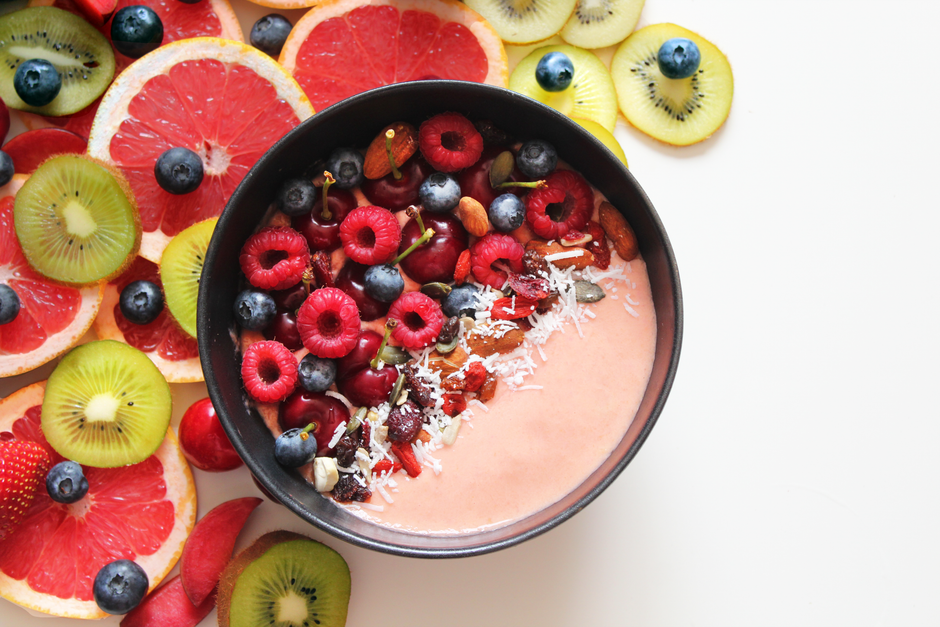
A **whole food detox** focuses on eliminating processed foods, refined sugars, and artificial ingredients while emphasizing nutrient-dense natural foods. This approach supports your body’s natural detoxification systems without extreme restrictions or fasting. For beginners, a 7-day timeframe offers enough time to experience benefits without overwhelming your lifestyle.
The primary benefits include **improved digestion**, increased energy levels, and reduced inflammation throughout the body. Many people report clearer skin, better sleep quality, and a reset of taste preferences away from overly processed foods.
**Allowed foods** include fresh vegetables, fruits, whole grains like quinoa and brown rice, lean proteins such as chicken and fish, nuts, seeds, and legumes. **Prohibited items** during the detox are processed foods, added sugars, alcohol, caffeine beyond minimal amounts, refined grains, and artificial sweeteners. Focus on foods in their most natural state—if it comes in a package with more than five ingredients, skip it.
Quick pick: Compare top-rated Detox Guides options.
Preparing for Your Detox Week
Successful detox preparation starts with a well-stocked kitchen of **whole food essentials**. Stock up on leafy greens like spinach and kale, colorful vegetables such as bell peppers and carrots, fresh fruits including berries and apples, and proteins like wild-caught salmon and organic chicken. Don’t forget pantry staples: quinoa, brown rice, oats, almonds, chia seeds, and olive oil.
Clear your pantry and refrigerator of items that will tempt you during the week. Remove chips, cookies, candy, sodas, frozen meals, and any products with ingredient lists you can’t pronounce. This creates an environment that supports your commitment and eliminates decision fatigue when hunger strikes.
**Meal planning** is your secret weapon for detox success:
- Dedicate 2-3 hours before Day 1 to batch-cook grains and chop vegetables
- Prepare overnight oats for quick breakfasts
- Pre-portion snacks into containers
- Plan dinners around a protein and two vegetable sides
When healthy food is ready to eat, you’re far more likely to stick with the plan. For more strategies on maintaining clean eating habits, explore our comprehensive detox and wellness approaches.
Day 1: Starting Strong
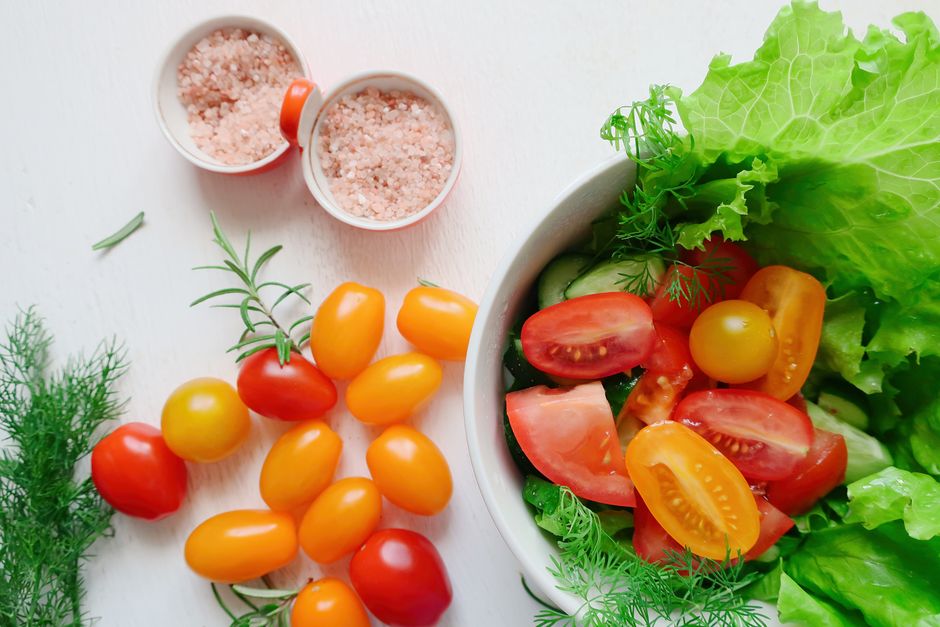
Your first day introduces your body to a **new eating pattern** that may feel unfamiliar. Start with a breakfast of steel-cut oats topped with fresh berries, a tablespoon of almond butter, and chia seeds. For lunch, build a large salad with mixed greens, grilled chicken, cucumber, tomatoes, and a simple olive oil and lemon dressing.
Expect some **adjustment period** as your body transitions away from processed foods, caffeine, and sugar. You might experience mild headaches, fatigue, or irritability during the first 24-48 hours. These symptoms are temporary and indicate your body is adapting to cleaner fuel.
Drink plenty of water—aim for at least 8-10 glasses throughout the day. Stay motivated by journaling how you feel after each meal and noting any positive changes. Set reminders on your phone to drink water and eat at regular intervals.
Days 2-4: Building Momentum
**Consistency becomes crucial** during the middle stretch of your detox. By Day 2, your body begins adapting to whole foods, and you may notice improved digestion and more stable energy levels. Stick to three balanced meals plus 1-2 whole food snacks like apple slices with almond butter or raw vegetables with hummus.
Cravings for prohibited foods typically peak between Days 2 and 4. When sugar or caffeine cravings hit, reach for naturally sweet options like dates, fresh fruit, or a small handful of cashews.
**Distraction techniques** that work well:
- Take a 10-minute walk outdoors
- Drink a glass of water with lemon
- Engage in a hobby or call a friend
- Practice deep breathing exercises
Cravings usually pass within 15-20 minutes if you don’t give in immediately. Monitor your progress by tracking energy levels, sleep quality, and digestive changes in a simple notebook or phone app.
Days 5-7: Finishing Strong
The final stretch requires **sustained commitment** as you approach the finish line. By Day 5, many beginners report feeling lighter, more energized, and proud of their discipline. Your taste buds have likely adjusted, making whole foods more satisfying and processed foods less appealing.
Final challenges often include social situations or weekend temptations. Plan ahead by eating a whole food meal before attending events where prohibited foods will be present. Bring your own dish to gatherings—a quinoa salad or vegetable tray ensures you have compliant options.
**Celebrate your success** on Day 7 by reflecting on the benefits you’ve experienced. Take note of improvements in energy, digestion, skin clarity, or mental focus. Consider taking before-and-after photos or measurements if you’re tracking physical changes.
Sample 7-Day Meal Plan
Having a concrete meal plan removes guesswork and increases your likelihood of success. Below is a **sample framework** showing the variety and satisfaction possible with whole foods. Adjust portions based on your activity level and hunger cues.
| Day | Breakfast | Lunch | Dinner |
|---|---|---|---|
| 1 | Steel-cut oats with berries & almond butter | Grilled chicken salad with olive oil dressing | Baked salmon, sweet potato, steamed broccoli |
| 2 | Green smoothie with spinach, banana, chia seeds | Quinoa bowl with black beans & vegetables | Turkey lettuce wraps with carrot sticks |
| 3 | Scrambled eggs with spinach & tomatoes | Lentil soup with side salad | Grilled chicken, brown rice, roasted vegetables |
| 4 | Overnight oats with apple & cinnamon | Tuna salad on mixed greens | Baked cod, quinoa, sautéed kale |
| 5 | Fruit smoothie bowl with nuts & seeds | Vegetable stir-fry with tofu | Grass-fed beef, roasted brussels sprouts |
| 6 | Avocado on sprouted grain bread | Chicken and vegetable soup | Grilled shrimp, wild rice, asparagus |
| 7 | Greek yogurt parfait with berries | Large mixed green salad with chickpeas | Herb-roasted chicken, baked potato, green beans |
Each day includes 2-3 snacks like fresh fruit, raw nuts, vegetable sticks with hummus, or a small handful of trail mix. Drink **water consistently** throughout the day, aiming for at least 64 ounces.
Post-Detox Transition
After seven days of clean eating, avoid immediately returning to your old diet. **Gradually reintroduce** prohibited foods one category at a time over 3-5 days. Start with small amounts of caffeine, then dairy, then grains you eliminated, observing how your body responds to each.
Maintain the healthy habits you’ve developed by continuing to build meals around whole foods. Aim for the **80/20 rule**: eat whole, unprocessed foods 80% of the time and allow flexibility for occasional treats. Keep your pantry stocked with whole food staples and continue meal prepping on weekends.
Consider scheduling future detoxes every 3-4 months or after periods of travel or holidays when eating habits typically slip. If you’re looking for additional ways to support your wellness journey, check out our proven detox strategies and recovery techniques.
Tips for Long-Term Success
Beyond the initial seven days, incorporating whole food principles into your regular routine creates **lasting health benefits**. Focus on adding more whole foods rather than obsessing over eliminating everything processed. Small, sustainable changes accumulate into significant improvements over time.
Develop a rotation of 10-15 whole food meals you genuinely enjoy preparing and eating. When healthy eating feels satisfying rather than restrictive, you’re more likely to maintain it.
**Batch cooking** remains valuable even after the detox ends:
- Dedicate time weekly to prepare grains, proteins, and chopped vegetables
- Store them in clear containers for quick assembly
- Cook double portions of dinner for next-day lunch
- Pre-wash and chop vegetables on Sunday
This strategy saves time and money while supporting your commitment to whole food nutrition. Experiment with herbs, spices, and different cooking methods to keep meals interesting.
Frequently Asked Questions
What foods are considered whole foods?
**Whole foods** include fresh fruits and vegetables, whole grains like brown rice and quinoa, lean proteins such as chicken, fish, and legumes, nuts, seeds, and minimally processed items. If it grew from the ground or came from an animal in its natural form, it’s generally a whole food. Avoid anything with artificial ingredients, preservatives, or long ingredient lists.
Can I consume coffee or tea during the detox?
**Limited consumption** of herbal tea is encouraged throughout the detox. Regular coffee and caffeinated tea should be eliminated during the seven days to allow your body a complete reset. If you’re a heavy caffeine user, consider tapering down for 2-3 days before starting to minimize withdrawal headaches.
How often should I do a 7-day whole food detox?
Most people benefit from a whole food detox every **3-4 months** or after periods when eating habits have declined. However, individual needs vary based on health status, lifestyle, and goals. Consult with a healthcare professional or registered dietitian to determine the frequency that best supports your wellness objectives.
Will I lose weight on this detox plan?
Many people experience **modest weight loss** during a 7-day whole food detox, typically 2-5 pounds, due to reduced sodium, eliminated processed foods, and increased water intake. However, the primary goal is resetting your relationship with food and supporting your body’s natural detoxification processes. Sustainable weight management requires long-term dietary changes beyond a one-week detox.
What if I feel extremely tired during the detox?
Some fatigue is normal during the first 2-3 days as your body adjusts. If you feel **excessively tired** or lightheaded, increase your portion sizes of complex carbohydrates like sweet potatoes, quinoa, or brown rice. Ensure you’re eating enough calories to support your activity level. If symptoms persist or worsen, discontinue the detox and consult a healthcare professional.
Top Product Recommendations
| Product Name | Rating | Key Feature | Est. Price | Action |
|---|---|---|---|---|
| Top-rated meal prep containers glass | ★★★★★ | Editor-recommended meal prep containers glass from this guide | $18–$42 | Check Lowest Price on Amazon |
| Best-value steel cut oats organic | ★★★★☆ | Affordable steel cut oats organic — strong everyday results | $12–$28 | Check Lowest Price on Amazon |
| Premium quinoa bulk organic | ★★★★☆ | Higher-end quinoa bulk organic for visible, lasting results | $45–$95 | Check Lowest Price on Amazon |
Affiliate Disclosure: This post contains affiliate links. We may earn a commission if you buy through our links, at no extra cost to you. Medical Disclaimer: This content is for informational purposes only and is not medical advice. Consult a healthcare professional before changing diet or exercise.
Leave a Reply