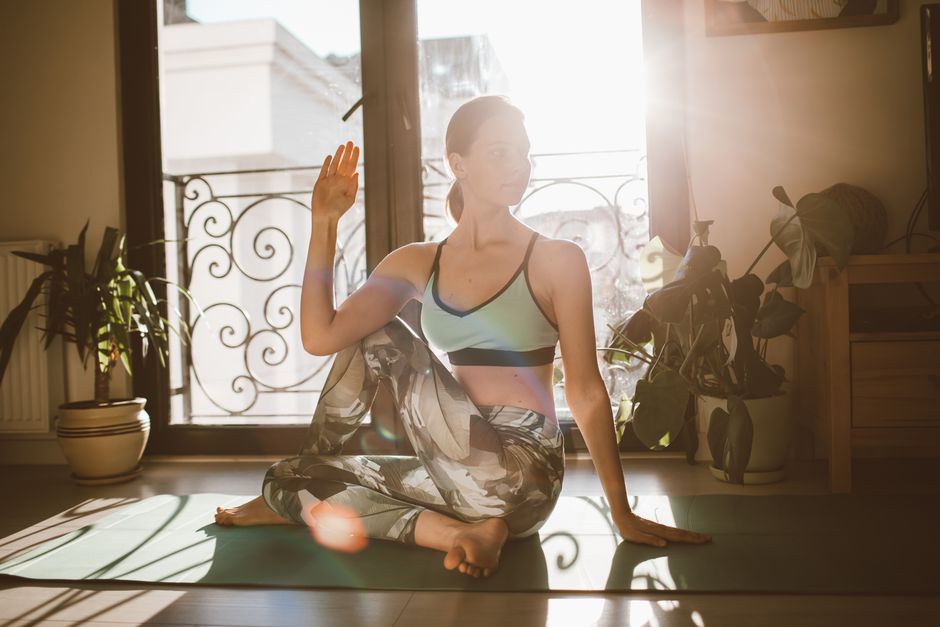
Start Your Day Right: Why Morning Yoga Works
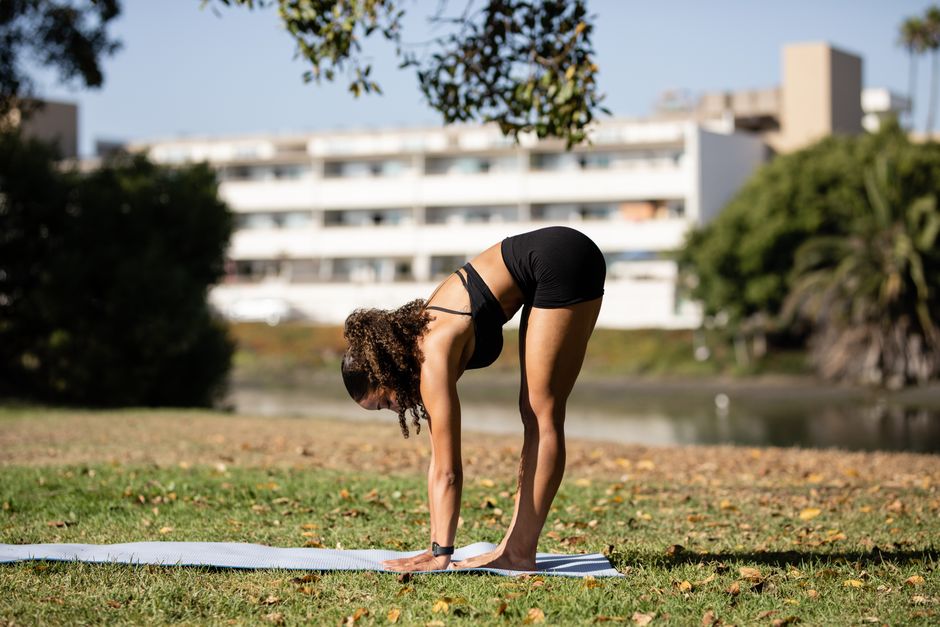
A **morning yoga routine for flexibility beginners** doesn’t need to be an hour-long commitment to deliver real results. Just 15 minutes of intentional movement each morning can meaningfully improve your range of motion, calm your nervous system, and set a focused tone for the day ahead. Research consistently shows that short, consistent practice outperforms occasional long sessions when it comes to building flexibility.
Flexibility is often the first thing beginners want to improve — and for good reason. Tight hips, a stiff lower back, and tense shoulders are the norm for most American adults who sit at desks or spend long hours commuting. A short daily yoga practice directly targets these areas with poses designed to gradually lengthen muscles and improve joint mobility over time. For those just beginning their journey, exploring the foundational principles through a trusted yoga practice guide can make the difference between a frustrating plateau and steady progress.
This guide walks you through a practical, beginner-friendly 15-minute sequence you can do every morning. No prior experience required — just a mat, a few feet of floor space, and a willingness to show up consistently.
—
Quick pick: Compare top-rated Yoga options.
What to Prepare Before You Begin
The right setup makes a real difference in whether your morning practice actually sticks. Before you roll out your mat, keep these essentials in mind:
- **Yoga mat**: A non-slip mat protects your joints and gives you stable footing. Look for at least 4mm thickness if you have sensitive knees.
- **Comfortable clothing**: Stretchy, breathable fabric — nothing that restricts movement at the hips or shoulders.
- **Water**: Hydrate before you start, especially if you haven’t had anything to drink since the night before.
- **Clear floor space**: You need roughly a 6×4 foot area for most beginner sequences.
Timing matters too. Most yoga practitioners find early morning — ideally within 30 minutes of waking — offers the clearest mental state and fewest distractions. Your body will feel stiffer in the morning than it does later in the day, which is completely normal. Move slowly and don’t push into pain.
Avoid eating a full meal immediately before practice. If you’re hungry, a small snack like a banana 20 minutes prior works well without weighing you down.
—
Warm-Up: 3 Minutes to Loosen Up
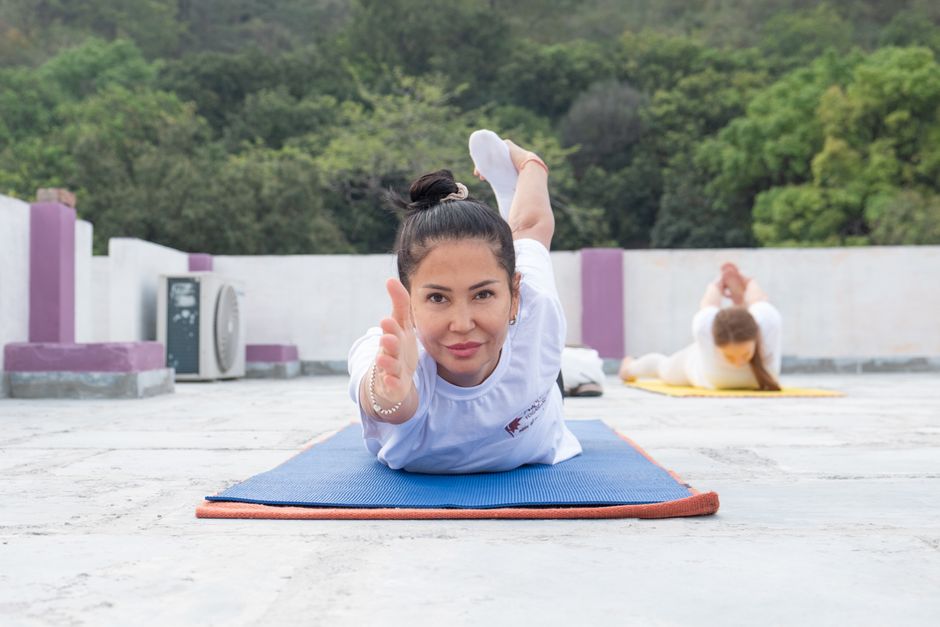
Never skip the warm-up. Cold muscles are less pliable and more prone to strain, even in gentle yoga. A brief 3-minute warm-up primes your body for the deeper stretches ahead.
**Neck rolls (30 seconds):** Sit cross-legged or in a chair. Drop your chin to your chest and slowly roll your head in a half-circle from shoulder to shoulder. This releases tension that accumulates overnight.
**Cat-Cow (1 minute):** Come to all fours with wrists under shoulders and knees under hips. On an inhale, drop your belly and lift your gaze (**Cow**). On an exhale, round your spine toward the ceiling (**Cat**). Move with your breath for 6–8 slow cycles.
**Seated forward fold (1 minute):** Sit with legs extended. On an exhale, hinge at the hips and reach toward your feet — go only as far as is comfortable. Hold for 30 seconds, breathing steadily. This gently wakes up the hamstrings and lower back.
Focus on **diaphragmatic breathing** throughout: inhale through the nose for 4 counts, exhale through the nose for 6 counts. This activates your parasympathetic nervous system, reducing morning cortisol and helping you ease into movement.
—
The Core 15-Minute Sequence
This sequence is structured to move from grounded floor poses to standing poses, then back down to finish. Hold each pose for the suggested duration and breathe consistently.
| Pose | Duration | Primary Benefit | Beginner Modification |
|---|---|---|---|
| Child’s Pose | 60 seconds | Spinal decompression, hip opening | Place a folded blanket under hips |
| Downward Dog | 45 seconds | Full-body stretch, hamstrings | Bend knees generously |
| Low Lunge (each side) | 45 seconds per side | Hip flexors, quads | Drop back knee to the floor |
| Standing Forward Fold | 45 seconds | Hamstrings, lower back | Keep a slight bend in the knees |
| Warrior I (each side) | 30 seconds per side | Hips, balance, strength | Shorten your stance |
| Bridge Pose | 45 seconds | Glutes, spine mobility | Keep feet flat, hips low |
| Supine Twist (each side) | 45 seconds per side | Thoracic spine rotation | Stack knees if hips are tight |
**Child’s Pose** is your reset button throughout the sequence. Return to it any time you need a break — there’s no penalty for taking rest.
**Downward Dog** should feel like a dynamic stretch, not a static hold. Pedal your heels alternately for the first 10 seconds to warm up the calves and Achilles before settling into the full position.
**Low Lunge** directly addresses tight hip flexors — one of the most common problem areas for beginners. Keep your front knee stacked directly over your front ankle, never caving inward.
—
Building Flexibility Over Time
Beginners often expect flexibility to improve within days. Realistic expectations matter here: **noticeable flexibility gains typically appear within 3–6 weeks** of consistent daily practice. The body adapts gradually, and pushing too hard too soon leads to soreness that derails your routine.
Here’s how to progress safely:
- **Week 1–2**: Focus entirely on form and breath. Don’t worry about depth.
- **Week 3–4**: Begin holding poses 10–15 seconds longer. Notice where tension releases.
- **Week 5+**: Introduce slightly deeper variations — such as full Warrior II or a deeper lunge with arms raised.
Strength and flexibility develop together. Poses like **Warrior I** and **Bridge** are not purely stretches — they also build the supporting muscle strength that makes deeper flexibility sustainable. Neglecting strength in favor of just stretching is a common beginner mistake that leads to instability.
If you feel sharp pain (not the dull pull of a stretch), stop immediately. Consult a physical therapist or healthcare professional before continuing if pain persists.
—
Cool-Down: The Final 3 Minutes
The cool-down is where flexibility gains are actually consolidated. After muscles have been warmed and worked, this is the most effective window for passive stretching.
**Legs-Up-the-Wall (90 seconds):** Lie on your back and extend your legs vertically against a wall. This gentle inversion reduces lower-body swelling, calms the nervous system, and is exc nt for tight hamstrings with zero strain.
**Supine Spinal Twist (30 seconds per side):** Lying on your back, draw one knee to your chest and guide it across your body while extending the opposite arm. This wrings tension from the thoracic spine and releases the IT band.
**Savasana (1 minute):** Lie flat, palms up, eyes closed. Let your body fully relax. This isn’t optional filler — it’s a critical integration period where your nervous system absorbs the session’s benefits.
End with 3 slow, deep breaths. Set a simple intention for your day before standing up.
—
Equipment That Makes a Difference
You don’t need much to start, but a few tools genuinely support a beginner flexibility practice:
- **Yoga blocks**: Bring the floor closer to you in standing poses like Forward Fold or Triangle. Beginners use these constantly — it’s a sign of good technique, not weakness.
- **Yoga strap**: Extends your reach in hamstring stretches when your hands can’t reach your feet yet.
- **Bolster or firm pillow**: Supports your lower back or hips in seated and restorative poses.
These props help you hold poses with correct alignment rather than collapsing into compensatory patterns that create bad habits. The right yoga equipment recommendations can genuinely accelerate your progress in the early weeks.
—
Tracking Progress and Staying Consistent
Consistency is the single biggest factor in flexibility improvement. A 15-minute session every morning beats a 90-minute session once a week — every time.
Practical tips for building the habit:
- **Habit stack**: Roll out your mat the night before and place it where you’ll see it when you wake up.
- **Same time daily**: Attaching your practice to an existing morning anchor (like right after brushing your teeth) dramatically improves follow-through.
- **Track your milestones**: Note your starting flexibility — for example, how far you can reach in a forward fold — and re-test every two weeks.
- **Be flexible about flexibility**: If you miss a day, that’s fine. Never skip two in a row.
Avoid comparing your flexibility to online videos or other practitioners. Everyone starts from a different baseline shaped by anatomy, age, and prior activity history.
—
Frequently Asked Questions (FAQ)
Q: Can I do this 15-minute routine every single day?
A: Yes — this sequence is gentle enough for daily practice. Consistency is actually the key driver of flexibility gains. If you feel sore, reduce the hold times rather than skipping entirely. Rest days are fine but not required for a routine this mild.
Q: How do I modify poses if I’m very stiff or have limited flexibility?
A: Use props freely — yoga blocks under your hands in Forward Fold, a blanket under your knees in low lunges, and a strap around your feet in seated stretches. Bend your knees in Downward Dog and Standing Forward Fold as much as needed. The goal is to feel a stretch, not to achieve a textbook shape.
Q: What yoga mat and props should I buy as a beginner?
A: For most beginners, a 4–6mm thick non-slip mat is ideal for joint cushioning. A two-block set and a 6-foot yoga strap cover 90% of beginner modification needs. These are widely available and you don’t need to spend a lot to get functional quality.
Top Product Recommendations
| Product Name | Rating | Key Feature | Est. Price | Action |
|---|---|---|---|---|
| Top-rated yoga mat non slip | ★★★★★ | Editor-recommended yoga mat non slip from this guide | $18–$42 | Check Lowest Price on Amazon |
| Best-value yoga blocks set | ★★★★☆ | Affordable yoga blocks set — strong everyday results | $12–$28 | Check Lowest Price on Amazon |
| Premium yoga strap beginner | ★★★★☆ | Higher-end yoga strap beginner for visible, lasting results | $45–$95 | Check Lowest Price on Amazon |
Affiliate Disclosure: This post contains affiliate links. We may earn a commission if you buy through our links, at no extra cost to you. Medical Disclaimer: This content is for informational purposes only and is not medical advice. Consult a healthcare professional before changing diet or exercise.
Leave a Reply