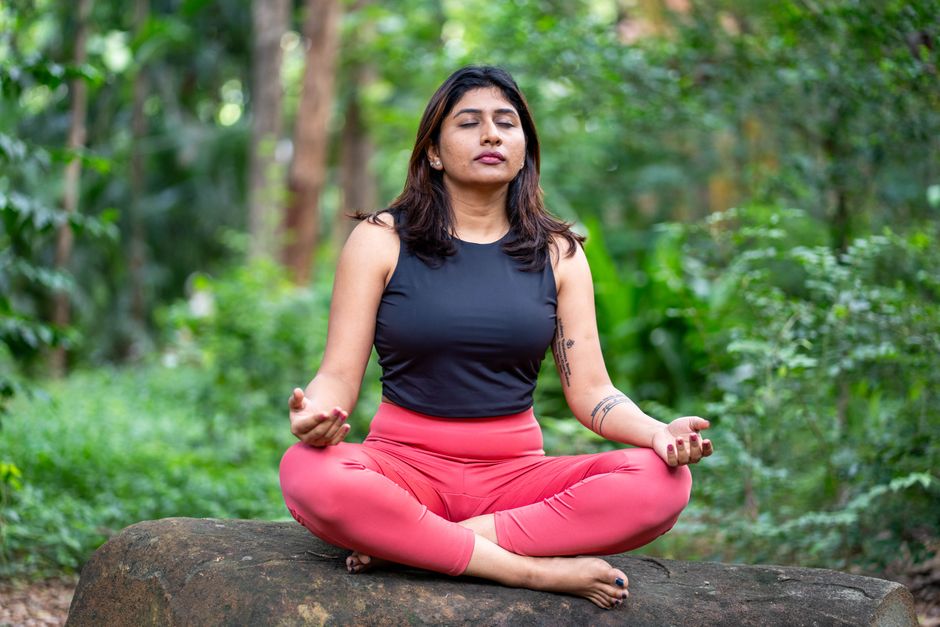
Yoga Morning Awakening Sequence
Starting your day with yoga is one of the most transformative habits you can build for your overall well-being. A morning yoga sequence gently wakes up your body, sets a calm tone for the day ahead, and creates a sense of intentionality before the chaos of daily life kicks in. You do not need a full hour to experience the benefits — even fifteen minutes of focused movement and breath work can shift your energy dramatically. The key is consistency over perfection. Rolling out your mat each morning, even when motivation is low, builds the kind of lasting routine that creates real change over weeks and months.
The physical benefits of morning yoga include improved circulation, reduced morning stiffness, and better posture throughout the day. Mentally, a short yoga practice can sharpen focus and reduce the anxiety many people feel upon waking. When you dedicate time to your practice before checking your phone or responding to emails, you are giving your nervous system a chance to calibrate on its own terms. This small window of self-care compounds into greater emotional resilience, better sleep at night, and more sustained energy during afternoon hours.
Preparing for your morning yoga practice does not require elaborate setup. Lay your yoga mat out the night before so it is the first thing you see when you wake up. Wear comfortable clothing that allows a full range of motion. Keep a glass of water nearby and start with the gentlest movements before progressing to more active poses. Over time, your body will learn to associate this sequence with waking up, making it easier to begin each day without internal resistance.
Quick pick: Compare top-rated Yoga options.
Warming Up and Breathing Techniques
A proper warm-up is essential before any physical activity, and yoga is no exception. Gentle warm-up exercises prepare your joints, ligaments, and muscles for deeper work, reducing the risk of strain or injury. Start with simple neck rolls — five rotations in each direction — to release tension that builds up overnight. Follow with shoulder shrugs and circles, then gentle spinal twists while seated or standing. These movements signal to your body that it is time to move and awaken.
Breathing techniques, known as pranayama in the yoga tradition, form the foundation of every practice. For beginners, the simplest and most effective technique is called Dirga Pranayama, or three-part breath. To practice it, lie on your back or sit comfortably with your spine tall. Inhale slowly through your nose, filling your belly first, then your ribcage, and finally your chest. Exhale completely in the reverse order. Repeat this cycle five to ten times before beginning your physical poses. This technique activates the parasympathetic nervous system, which calms the stress response and promotes mental clarity.
Connecting breath to movement is what elevates yoga beyond simple stretching. When you inhale as you extend or open, and exhale as you fold or contract, you create a rhythmic flow that keeps your mind anchored in the present moment. If you find your mind wandering, simply return your attention to the breath. That gentle redirection is itself a form of mindfulness practice and is one of the most valuable skills yoga teaches.
Sun Salutations: Your Morning Yoga Backbone
Sun Salutations, or Surya Namaskar, are the backbone of most morning yoga sequences. This flowing series of poses warms the entire body, strengthens the arms and core, and stretches the major muscle groups from shoulders to calves. A single round of Sun Salutation includes a forward fold, a plank pose, a low push-up, an upward-facing dog or cobra, and a downward-facing dog. Each transition is timed with either an inhale or an exhale, reinforcing the breath-movement connection you established during your warm-up.
There are several variations of Sun Salutation suited to different experience levels. The classic form, known as Sun Salutation A, follows a predictable sequence of nine poses and is ideal for beginners. Sun Salutation B adds a chair pose at the beginning and a warrior I pose in the middle, increasing the intensity and strength demand. If you are new to yoga, begin with three to five rounds of Sun Salutation A, focusing on form rather than speed. As your endurance builds, you can increase the count or incorporate Sun Salutation B.
The beauty of Sun Salutations lies in their adaptability. You can modify plank pose by dropping your knees to the mat. You can skip the push-up and transition directly from forward fold to low cobra. There is no perfect form that works for every body — there is only the form that works for your body today. Honouring where you are right now is not a shortcut; it is the practice itself.
Yoga Poses for Morning Clarity
Certain yoga poses are particularly effective for clearing mental fog and boosting morning energy. The gentle standing sequence — including mountain pose, standing forward fold, and ragdoll — warms the spine and legs while the inverted positions increase blood flow to the brain. Warrior I and Warrior II poses build heat in the body and strengthen the legs, creating a sense of grounded confidence that carries into your day. Triangle pose and half moon pose improve balance and lateral flexibility, waking up areas of the body that tend to stiffen with prolonged sitting.
Holding poses for an appropriate duration is more important than rushing through them. A good rule of thumb for beginners is to hold each standing pose for three to five full breaths. This allows the muscles to settle into the pose correctly and gives your mind time to focus on alignment cues. When transitioning between poses, move with intention. Avoid rushing through rest periods — child’s pose and mountain pose are not filler; they are integral parts of the practice that allow your nervous system to integrate what you have done.
A simple morning clarity sequence might include mountain pose, standing forward fold, half lift, plank, cobra, downward-facing dog, and child’s pose. Repeat the sequence two to three times, then rest in child’s pose for five to ten breaths. This five-to-ten-minute flow covers the essential ground and leaves you feeling energized and focused without requiring any previous yoga experience.
Incorporating Mindfulness in Yoga Practice
Mindfulness in yoga means maintaining present-moment awareness during your practice — noticing the texture of your breath, the quality of your balance, the sensations in your joints without judgment. This is not a separate skill you add on top of the physical practice; it is the natural by-product of moving slowly and paying attention. When you stop chasing the perfect pose and start noticing what is actually happening in your body, you are practicing mindfulness.
Integrating mindfulness into your morning yoga routine begins before you step onto the mat. Take three slow breaths before you begin. Set a simple intention for your practice — it does not need to be grand or spiritual. Something as straightforward as “I want to move my body with care today” or “I want to notice when I hold tension” is enough. This small moment of intention creates a container for your practice and gives it personal meaning beyond following a sequence of poses.
The benefits of mindful yoga practice extend well beyond the mat. People who practice yoga mindfully report greater emotional regulation, reduced reactivity to stress, and improved relationships with their bodies. Over time, the attention skills you develop during your fifteen-minute morning practice begin to show up in conversations, driving, working, and parenting. You do not have to believe this — you simply have to practice consistently enough to discover it for yourself.
Building a Consistent Yoga Routine
Creating a sustainable yoga routine requires more than enthusiasm — it requires strategy. Start by choosing a specific time each morning for your practice and protecting that time the way you would protect a doctor’s appointment. Treat it as non-negotiable for the first thirty days. After thirty days, the habit becomes neurologically embedded enough that skipping it creates a sense of loss rather than relief. Most people find that practicing at the same time each day, ideally right after waking and before breakfast, produces the most consistent results.
Setting realistic goals is critical for long-term motivation. If you are new to yoga, aim for three to five sessions per week rather than seven. A fifteen-minute practice is infinitely more valuable than a forty-five-minute practice you complete twice and then abandon. As your practice deepens and your body adapts, the duration will naturally extend. For intermediate practitioners, a goal of twenty to thirty minutes most days of the week is appropriate. Advanced practitioners may build toward forty-five to sixty minutes, but even experienced yogis benefit from shorter, focused sessions on busy days.
Staying motivated through plateaus and low-motivation days requires a flexible approach. Keep a simple practice journal noting the date, duration, and how you felt before and after. Over weeks and months, this record becomes undeniable evidence that your practice is working. When you feel resistance rising, remind yourself of how you felt after your last practice — that memory is more accurate than the doubt your mind manufactures in the moment.
Yoga Props and Accessories
Yoga props are not crutches for people who cannot do the real practice — they are tools that help every body access poses safely and effectively. The most important prop is a quality yoga mat. A good mat provides enough cushioning for your joints, enough grip to prevent your hands and feet from sliding, and enough texture to allow smooth transitions. Thinner travel mats are convenient but tend to lack the support needed for daily practice on hard floors.
Yoga blocks are invaluable for beginners and experienced practitioners alike. When you cannot yet reach the floor in a forward fold or twist, a block brings the floor to you, allowing you to maintain proper spinal alignment instead of rounding the spine excessively. Yoga straps extend your reach for hamstring stretches and binding poses that your current flexibility does not yet support. Straps transform poses that feel impossible into poses that feel approachable.
When choosing props, prioritise durability and material safety. Look for mats made from natural rubber, cork, or non-toxic TPE blends if sustainability matters to you. Blocks come in foam, cork, or wood — cork and wood are more eco-friendly and tend to last longer than compressible foam. A yoga blanket can serve multiple purposes: knee cushioning, support under the spine, or warmth during final relaxation. Investing in two or three quality props dramatically improves the safety and depth of your practice.
Yoga for Physical and Mental Health
Regular yoga practice delivers measurable improvements in physical health. Studies consistently show that practitioners develop better flexibility, stronger cores, and improved balance over time. Yoga’s emphasis on bodyweight resistance builds functional strength — the kind that makes everyday activities like carrying groceries, climbing stairs, and gardening easier and safer. The low-impact nature of most yoga styles makes it accessible for people with joint concerns, back pain, or recovery needs that rule out higher-impact exercise.
The mental health benefits of yoga are equally well-documented. A consistent practice reduces cortisol levels, the primary stress hormone, and increases GABA production, a neurotransmitter associated with calmness and contentment. Many practitioners report improvements in sleep quality, anxiety management, and mood stability after just four to eight weeks of consistent practice. Yoga also appears to improve body awareness, which helps people recognise early signs of physical tension or emotional overwhelm before they escalate.
While yoga is generally safe for most people, certain situations call for professional guidance. If you have a diagnosed spine condition, severe osteoporosis, an injury in the acute phase, or a cardiovascular concern, consult a qualified healthcare professional before beginning or modifying a yoga practice. Pregnant individuals, seniors, and people with mobility limitations should seek instruction from a certified yoga therapist who can offer appropriate modifications. Yoga complements professional medical care — it does not replace it.
When to Consult a Healthcare Professional About Yoga
There are specific situations where working with a healthcare professional alongside your yoga practice is strongly advisable. If you experience pain — rather than discomfort — during any pose, stop immediately and seek guidance. Sharp pain in the joints, radiating pain down the arms or legs, and chest pain during practice are all signals that warrant professional evaluation before you resume. Dull, stretching-type discomfort in the muscles is normal and expected, but pain in connective tissues or bones is not.
People managing chronic conditions such as diabetes, high blood pressure, or anxiety disorders can often benefit greatly from yoga, but they should coordinate with their primary care provider to ensure their practice is appropriate for their health picture. Certain inversions and breath-holding techniques can affect blood pressure and heart rate, so tailored guidance is valuable. A yoga therapist — distinct from a general yoga instructor — has specific training in adapting yoga for therapeutic contexts and can work alongside your medical team.
Transparency with your yoga instructor about your health history is also important. A good instructor will ask about injuries, surgeries, and ongoing conditions before class and will offer modifications accordingly. Never feel embarrassed about using a wall, block, or strap. The safest practice is one where every person present, regardless of their body’s current condition, feels fully supported and appropriately challenged.
How Yoga Supports Stress and Anxiety Relief
Stress and anxiety are among the most common reasons people seek out yoga, and the practice delivers on this need remarkably well. The combination of physical movement, breath work, and present-moment awareness addresses the stress response from multiple angles simultaneously. While a single session can produce immediate feelings of calm, the most significant benefits come from consistent practice over time. The nervous system gradually learns to return to baseline more quickly after stressful events, a phenomenon researchers call stress resilience.
Specific poses are particularly effective for calming the nervous system. Legs-up-the-wall pose, or Viparita Karani, activates the parasympathetic response almost immediately. Supported fish pose, where you lie back over a bolster or stacked blankets, opens the chest and encourages deep, unrestricted breathing. Reclined spinal twist gently massages the abdominal organs and encourages the body to release physical tension stored in the back and hips.
Beyond the poses, the ritual of practice itself is therapeutic. Showing up to the mat each morning, regardless of how you feel, builds a sense of self-reliance and agency that counteracts the helplessness anxiety often brings. The fact that you did something positive for yourself before the day demanded anything from you is a quiet but powerful antidote to the sense of being overwhelmed that many people experience upon waking.
Yoga for Flexibility and Strength Building
Flexibility and strength are not opposing goals — they develop simultaneously through yoga, and each supports the other. Poses that build strength include plank, chaturanga, warrior poses, and boat pose. These require sustained muscular engagement that gradually increases the load your muscles can handle. Over weeks, the muscle fibres adapt, and the same poses that once left you trembling become accessible and manageable.
Flexibility develops differently in different body types, and the timeline varies considerably from person to person. Genetics play a significant role in connective tissue elasticity, which means some people will notice rapid gains in flexibility while others make slower, steadier progress. Comparing yourself to others in class is not useful. What matters is your own range of motion in relation to where you started, measured in months and years rather than days and weeks.
A common misconception is that you must already be flexible to begin practicing yoga. This is categorically false. You begin practicing yoga precisely because you are not flexible. Flexibility is the result of consistent practice, not a prerequisite for it. Every pose you cannot currently achieve is an opportunity for a prop, a modification, or a longer hold time. There is no destination in yoga — only a continuous process of exploration and deepening.
The Best Yoga Poses for Beginners
Beginners benefit most from a focused set of poses that build foundational strength and body awareness. Mountain pose teaches postural alignment and grounding. Downward-facing dog stretches the hamstrings, calves, and shoulders while building arm strength. Warrior I and Warrior II develop leg strength and hip opening. Bridge pose strengthens the back body and opens the chest. Cat-cow sequence mobilises the entire spine and warms the back muscles gently.
Child’s pose is the most important resting pose in any practice and should never feel like a retreat from the “real” work. It is the real work. Learning to rest fully and without guilt is a skill that serves every area of life. When you practice child’s pose between challenging sequences, you teach your nervous system that effort and rest are equally valid parts of the same practice.
Cobra pose and upward-facing dog build back strength and counter the forward-rounded posture most people develop from desk work and phone use. Low lunge opens the hip flexors, which tend to be chronically tight in people who sit for extended periods. These five or six poses, practiced consistently, form a complete and deeply effective beginner practice that serves you for months before a wider range of poses becomes necessary.
Yoga Sequences for Evening Wind-Down
While morning yoga energises and activates, evening yoga serves a completely different purpose — it signals to your body and mind that the demands of the day are over and that it is safe to rest. An evening wind-down sequence should be slower, softer, and more introspective than your morning practice. The goal is not to build heat or strength but to systematically release the physical tension accumulated throughout the day.
An effective evening sequence begins with five minutes of gentle stretching in any direction that feels good — there is no wrong direction at this hour. Follow with seated forward fold, which stretches the entire posterior chain. Supine twist, performed on each side with three to five breaths held, releases tension stored in the ribcage and lower back. Legs-up-the-wall pose for three to five minutes calms the nervous system and reduces swelling in the legs from a day of standing or sitting.
Finish every evening practice with Savasana, the pose of complete rest. Lie flat on your back with your arms at your sides, palms facing up, and let your feet fall open naturally. Close your eyes and breathe normally. Stay in Savasana for at least five minutes — longer if you have it. This is not wasted time. The body processes and integrates the physical and mental work of your practice during Savasana, and skipping it is one of the most common mistakes new practitioners make.
Yoga and Weight Management
Yoga supports weight management through several mechanisms, though it is rarely the primary driver of caloric deficit. The physical practice burns calories, particularly in more active styles like Vinyasa, Power Yoga, and Ashtanga. A sixty-minute Vinyasa session can burn between 250 and 400 calories depending on the practitioner’s weight and the intensity of the practice. Over time, increased muscle mass from regular practice also raises resting metabolic rate, meaning your body burns more calories even when you are not moving.
Beyond calorie burn, yoga positively influences the psychological and behavioural dimensions of weight management. Mindful movement cultivated through yoga practice has been shown to improve eating behaviours, reduce emotional eating, and increase awareness of hunger and satiety signals. Practitioners who develop a consistent yoga habit often find that they naturally gravitates toward healthier food choices without feeling restricted or deprived.
Yoga is not a substitute for cardiovascular exercise or strength training if weight loss is a primary goal, but it is a powerful complement to both. The stress-reduction benefits are particularly relevant here, since chronically elevated cortisol — often driven by chronic stress — promotes visceral fat storage. By lowering baseline stress levels, yoga creates a physiological environment more favourable to maintaining a healthy weight.
Yoga Breathing Exercises for Beginners
Pranayama, or yoga breathing exercises, offer some of the most immediate and accessible benefits of the entire yoga tradition. Box breathing, also known as four-square breathing, is ideal for beginners because it is simple to learn and requires no special equipment or positioning. Inhale to a count of four, hold for a count of four, exhale for a count of four, and hold again for a count of four. Repeat for five to ten cycles. This technique is widely used by first responders and therapists to manage acute stress and anxiety in the moment.
Skull-shining breath, or Kapalabhati, is a more energising pranayama technique suited for morning practice. Sit tall, take a deep inhale, then exhale sharply through the nose, snapping the belly toward the spine. The inhale happens passively as the belly springs back. Perform twenty to thirty rapid exhales followed by a long, slow inhale and full exhalation. This technique clears the respiratory passages, increases oxygen uptake, and produces a natural sense of alertness and warmth.
Alternate nostril breathing, or Nadi Shodhana, balances the two hemispheres of the brain and promotes deep relaxation. Using your right hand, close the right nostril with your thumb and inhale through the left nostril. Close the left nostril with your ring finger and exhale through the right. Inhale through the right, close it, and exhale through the left. This completes one cycle. Perform five to ten cycles to notice a significant shift in mental clarity and calmness.
Tips for Deepening Your Yoga Practice
Deepening your yoga practice is less about achieving more advanced poses and more about discovering subtler dimensions of poses you already know. Pay increasing attention to alignment details you previously overlooked. In downward-facing dog, for example, most beginners focus on getting their heels toward the floor. A more advanced attention is whether the肩胛骨 are drawing toward the pelvis, whether the ears are aligned between the biceps, and whether the spine is actively lengthening rather than simply hanging.
Working with a teacher — whether in person or through a reputable online platform — accelerates your progress significantly. A skilled teacher sees imbalances and compensation patterns that you cannot see in yourself and can offer adjustments and modifications tailored to your body’s specific needs. Group classes offer the energy of a community practice, while private sessions allow for completely individualised guidance.
Consistency matters more than intensity for long-term deepening. Practicing thirty minutes daily produces far better results than practicing two hours once a week. The daily repetition builds muscle memory, develops body awareness, and integrates the philosophical dimensions of yoga into your life in ways that occasional intensive sessions cannot. Trust the process, even when progress feels imperceptible. Growth happens in the spaces between dramatic breakthroughs.
Yoga for Better Sleep
Poor sleep is one of the most pervasive health challenges in modern life, and yoga offers practical, evidence-based tools for improving sleep quality without medication. The key mechanisms are nervous system regulation, cortisol reduction, and the physical release of accumulated tension. A short evening yoga practice performed forty-five to sixty minutes before bedtime signals to your body that it is time to shift from sympathetic activation to parasympathetic restoration.
The most effective sleep-supporting yoga practices are those that emphasise gentle forward folds, supported inversions, and deep relaxation poses. Reclined bound angle pose, or Supta Baddha Konasana, opens the inner thighs and groin while the chest remains supported. Supported fish pose, as mentioned earlier, counteracts the forward-curled posture of desk work and screen time. Gentle spinal twists performed very slowly release the lower back and encourage the body into a state of physical surrender.
Beyond the physical practice, the breathing techniques you learn during yoga directly transfer to the bedtime routine. When you wake in the middle of the night with racing thoughts, the box breathing technique you practiced during your morning yoga session is immediately available as a self-regulation tool. The habit of returning to slow, intentional breathing at any hour is one of the most durable gifts a regular yoga practice provides.
Yoga Philosophy and Mind-Body Connection
The physical practice of yoga is only one of eight limbs outlined in the classical Yoga Sutras of Patanjali, an ancient philosophical text that forms the foundation of the yoga tradition. The physical limb, called Hatha Yoga, prepares the body for the deeper work of meditation and self-realisation described in the other seven limbs. Understanding this context does not require adopting a spiritual belief system — it simply frames your physical practice as part of a larger tradition with practical wisdom to offer.
The mind-body connection explored through yoga is not mystical; it is neurological. Chronic stress, unprocessed emotions, and traumatic experiences often manifest as physical tension patterns in the body — tight shoulders, compressed lower back, guarded hip muscles. When you practice yoga, you bring awareness to these holding patterns and, through sustained breath and movement, begin to release them. This process is sometimes uncomfortable because it surfaces what the body has been managing beneath conscious awareness.
Practicing yoga philosophy does not mean chanting or adopting a particular worldview. It means applying the principle of Ahimsa, or non-harm, to how you speak to yourself when a pose feels difficult. It means embodying Santosha, or contentment, by practicing gratitude for what your body can do today rather than frustration about what it cannot do yet. These are practical, actionable attitudes that improve daily life regardless of your spiritual orientation.
Common Yoga Mistakes to Avoid
Several common mistakes undermine yoga practice in ways that limit progress and increase injury risk. The most prevalent is holding the breath. Many beginners unconsciously hold their breath during challenging poses, which spikes cortisol, reduces oxygen delivery to working muscles, and makes the experience more difficult than it needs to be. The fix is simple: prioritise continuous, smooth breathing at all times, even if it means backing out of the pose significantly.
Another frequent mistake is comparing your practice to others in the room. Yoga is an individual process, and the person beside you may have been practicing for fifteen years or three weeks. Your body has its own history, its own limitations, and its own trajectory. The only comparison that matters is who you were at the start of your practice and who you are becoming through consistent effort.
Skipping warm-up and jumping directly into deeper poses is a common pattern among people who are short on time. This approach significantly increases injury risk and actually reduces the quality of your practice. The warm-up is not a luxury — it is the foundation that makes everything else possible. Rushing it is never worth the cost.
Yoga and the Mind-Body Wellness Connection
Yoga functions as a bridge between physical fitness and mental wellness, which are far more connected than most fitness approaches acknowledge. Physical movement affects neurotransmitter levels, hormonal balance, and gut-brain communication. Mental states affect posture, breathing patterns, and muscle tension. Yoga works simultaneously on both sides of this equation, making it unusually comprehensive as a wellness tool.
The emphasis on interoception — the sense of the body’s internal state — cultivated through yoga practice has been linked in research to improved emotional regulation, better pain management, and greater resilience to mental health challenges. People who practice yoga regularly tend to notice physical symptoms earlier and seek appropriate care more promptly. This improved body awareness is protective in ways that extend well beyond the yoga mat.
For people navigating burnout, anxiety, or depression, yoga is not a cure, but it is a meaningful complement to professional mental health care. The routine structure provides predictability and agency. The physical exertion produces endorphins. The breath work regulates the nervous system. The community aspect, if practiced in studios or groups, reduces isolation. These factors collectively create conditions more conducive to mental health recovery and maintenance.
Yoga Props and Accessories Comparison
| Prop | Best For | Material Options | Beginner Recommendation |
|---|---|---|---|
| Yoga Mat | All practices — foundation | Rubber, cork, TPE, PVC | 5–6mm thick, non-slip surface |
| Yoga Blocks | Reaching floor, support | Foam, cork, wood | Cork — durable and eco-friendly |
| Yoga Strap | Extended reach, binding | Cotton, hemp, nylon | 6–8 foot cotton strap |
| Yoga Blanket | Cushioning, warmth | Wool, cotton, microfiber | Cotton — versatile and washable |
| Bolster | Supported poses, Savasana | Cotton, buckwheat hulls | Round bolster for backbends |
Frequently Asked Questions (FAQ)
Q: How often should I practice yoga to see results?
A: Most people begin to notice mental and physical benefits from practicing three to four times per week. Consistency matters far more than frequency or duration. A fifteen-minute daily practice is more effective than a ninety-minute session once a week. As your practice deepens, you can gradually increase both frequency and session length.
Q: Can I do yoga if I have a medical condition or injury?
A: In most cases, yes — with appropriate modifications and, ideally, guidance from a certified yoga therapist or healthcare provider. Certain conditions require specific precautions, and a qualified instructor can help you adapt poses safely. Never push through sharp pain, and always disclose your health history to your instructor so they can offer tailored support.
Q: What equipment do I need to start practicing yoga?
A: The bare minimum is comfortable clothing and enough floor space to lie down. A quality yoga mat significantly improves your practice by providing cushioning, grip, and a defined personal space for your work. Yoga blocks and a strap are inexpensive additions that dramatically increase the accessibility of many poses and are especially helpful for beginners.
Q: Is yoga enough exercise, or do I need other forms of fitness?
A: Yoga provides exc nt flexibility, balance, and mind-body awareness benefits, and more active styles like Vinyasa offer meaningful cardiovascular conditioning. However, adding complementary movement practices — such as walking, swimming, or strength training — creates a more全面 fitness programme. Yoga pairs exceptionally well with most other forms of exercise.
Top Product Recommendations
| Product Name | Rating | Key Feature | Est. Price | Action |
|---|---|---|---|---|
| Best Yoga Pick | ★★★★★ | Top-rated overall | $25–$45 | Check Lowest Price on Amazon |
| Budget Yoga Option | ★★★★☆ | Great for beginners | $12–$28 | Check Lowest Price on Amazon |
| Premium Yoga Choice | ★★★★☆ | Pro-level results | $50–$90 | Check Lowest Price on Amazon |
Affiliate Disclosure: This post contains affiliate links. We may earn a commission if you buy through our links, at no extra cost to you. Medical Disclaimer: This content is for informational purposes only and is not medical advice. Consult a healthcare professional before changing diet or exercise.
Leave a Reply