Yoga Basics for Beginners
Starting a yoga practice can feel overwhelming with so many styles, poses, and philosophies to navigate. The good news is that yoga is remarkably accessible regardless of your current fitness level or flexibility. At its core, yoga is a practice that combines physical postures, breathing techniques, and meditation to improve overall well-being. Understanding these fundamentals helps you approach your practice with confidence rather than confusion.
One of the first decisions you’ll make as a beginner is choosing the right yoga style for your goals. Vinyasa yoga flows smoothly between poses and works well if you enjoy movement and variety. Hatha yoga offers a slower pace with holds that deepen your awareness of each posture. Restorative yoga focuses on relaxation and uses props extensively to support the body in passive poses. Hot yoga and Bikram styles take place in heated rooms and appeal to those who want an intense, detoxifying workout.
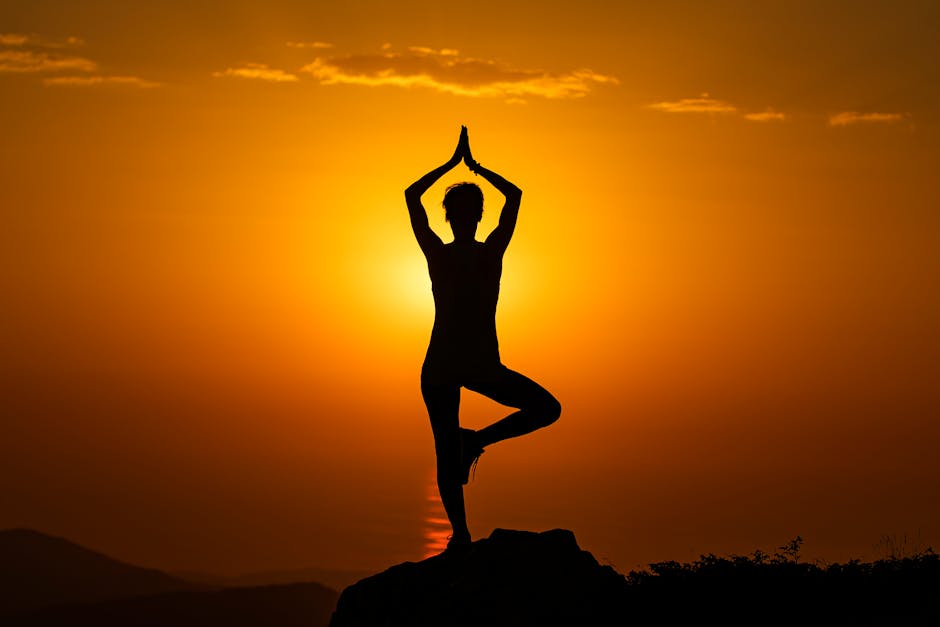
Essential yoga poses every beginner should master include Mountain Pose (Tadasana), Downward-Facing Dog (Adho Mukha Svanasana), Warrior I and II, Tree Pose (Vrksasana), and Child’s Pose (Balasana). These foundational postures build body awareness, strengthen the legs and core, and prepare you for more advanced sequences. Spend several weeks practicing these poses before adding complexity. Proper form and alignment matter more than going deeper into a stretch or holding a pose longer than your body can support.
Developing a Consistent Yoga Practice
Consistency trumps intensity when building a sustainable yoga practice. Rather than attempting long sessions that leave you exhausted, start with shorter practices of 15 to 20 minutes and gradually extend your time on the mat. Many beginners find that morning yoga energizes their day, while others prefer evening sessions to unwind and release tension. Experiment with different times to discover what fits your natural rhythms and schedule.
Creating a realistic yoga schedule requires honest assessment of your available time and energy levels. Block specific days and times on your calendar just as you would any important appointment. Beginning with three sessions per week gives your body time to recover while building habitual practice. As strength and flexibility improve, you can add additional days or extend session duration. Tracking your practice in a journal or app helps you see patterns and stay accountable to your goals.
Staying motivated works best when you vary your practice and celebrate small wins along the way. Try different instructors, styles, and environments to keep things fresh. Set process-oriented goals such as holding Warrior II for 30 seconds comfortably rather than outcome-based goals like touching your toes. Remember that yoga is a practice, not a performance, and every session offers value regardless of how it feels.
Yoga Poses for Better Flexibility and Mobility
Flexibility and mobility develop gradually through regular, patient practice. Key poses that target these qualities include Forward Folds (Uttanasana), Low Lunge (Anjaneyasana), Pigeon Pose (Eka Pada Rajakapotasana), and Seated Spinal Twist (Ardha Matsyendrasana). These poses lengthen the hamstrings, hip flexors, and spine while teaching your body to move through full ranges of motion safely.
Sequencing matters when seeking flexibility gains. Always begin with gentle warm-up movements like cat-cow stretches, gentle twists, and sun salutations to prepare your muscles and joints. Hold each stretch for 30 to 60 seconds while breathing deeply and consciously releasing tension. Cool-down stretches after practice help your body integrate the work and reduce post-session soreness.
Progressive challenge means returning to poses you’ve practiced before and noticing how your range of motion has changed over weeks and months. Be patient with yourself and trust that consistent practice yields results. Never force your body into a position or bounce while stretching, as both approaches increase injury risk. If you experience pain beyond gentle stretching sensation, stop the pose and consult a qualified healthcare professional.
Yoga for Stress Management and Relaxation
Yoga offers powerful tools for managing stress and promoting relaxation in daily life. Deep breathing exercises such as diaphragmatic breathing, alternate nostril breathing, and extended exhale breathing activate the parasympathetic nervous system and calm the fight-or-flight response. These techniques can be practiced anywhere, making them practical tools for managing stress at work, in traffic, or during challenging conversations.
Incorporating brief meditation practices enhances yoga’s stress-relieving benefits. Even five minutes of seated meditation after your physical practice amplifies relaxation and mental clarity. Guided body scan meditations help you notice areas of held tension and consciously release them. Over time, these practices build emotional resilience and improve your ability to respond thoughtfully rather than reactively to stressors.
Better sleep often follows regular yoga practice as the mind and body learn to relax more completely. Evening restorative yoga sequences with supported poses like Legs-Up-the-Wall (Viparita Karani) and Corpse Pose (Savasana) prepare you for restful sleep. If stress, anxiety, or sleep difficulties persist despite consistent practice, consider seeking support from a mental health professional who can provide additional tools and resources.
Yoga for Weight Management and Healthy Eating
Yoga supports weight management through multiple pathways beyond calorie burning. Vigorous styles like Vinyasa, Power Yoga, and Ashtanga elevate heart rate and build lean muscle that increases metabolic rate. These practices also build body awareness that translates into more mindful daily choices around food and activity. The mindfulness cultivated through yoga practice helps you recognize emotional eating patterns and respond to hunger and fullness cues more accurately.
Poses that support digestion and metabolic function include twists, forward folds, and gentle backbends. These movements massage abdominal organs, stimulate the digestive tract, and may improve gut motility. Poses like Boat Pose (Navasana) strengthen the core and can be modified for beginners while still providing metabolic benefit. Combining these targeted poses with a balanced, whole-food diet creates the foundation for healthy weight management.
Mindful eating practices learned through yoga transfer to your kitchen and dining table. Slow down during meals, savor each bite, and pause between bites to check your hunger and fullness levels. These simple habits often produce more sustainable results than restrictive diets. If you have specific weight management goals, consulting a registered dietitian can help you create a nutrition plan that complements your yoga practice.
Yoga for Strength Building and Muscle Tone
Yoga builds functional strength that supports everyday movement and athletic performance. Standing poses like Warrior sequences, Chair Pose (Utkatasana), and Eagle Pose (Garudasana) strengthen the legs, hips, and ankles. Arm balances like Crow Pose (Bakasana) and Side Plank (Vasisthasana) develop upper body and core strength. Even seemingly gentle poses like Plank (Phalakasana) and Chaturanga build significant strength when held with proper alignment.
Balancing strength building with flexibility prevents the common problem of becoming “tight and strong” or “loose and weak.” Include both strength-focused holds and flexibility stretches in each session. Pay particular attention to hip flexibility if you sit frequently, as tight hip flexors can limit your ability to engage properly in standing poses. Conversely, overstretching without adequate strength can compromise joint stability.
Progressing to more challenging poses requires patience and consistent practice of foundational postures. Most advanced yoga poses build upon basic shapes you’ve already mastered. Spend at least several months practicing a pose’s preparatory variations before attempting the full expression. Working with a qualified yoga instructor helps ensure proper progression and reduces injury risk.
Yoga for Better Posture and Back Health
Poor posture and back pain often stem from imbalanced muscle engagement and prolonged sitting. Yoga addresses both issues by strengthening the core, opening the chest and shoulders, and teaching body awareness that supports conscious alignment throughout your day. Key poses for posture include Mountain Pose, Cobra (Bhujangasana), Bridge (Setu Bandhasana), and Thread the Needle.
Common posture mistakes in yoga practice include collapsing the chest in forward folds, hiking the shoulders in standing poses, and arching the lower back excessively in backbends. Focus on lengthening through the crown of your head, drawing the shoulder blades down and together, and maintaining natural spinal curves in every posture. These alignment principles create a stable, pain-free practice.
Core strength provides the foundation for both good posture and back health. Dead Bug, Bird Dog, and modified Boat Pose offer accessible core training for beginners. Progress gradually as your core endurance improves. If you experience persistent back pain, consult a healthcare professional before continuing yoga practice to rule out underlying conditions that require medical treatment.
Yoga Accessories and Props for Enhanced Practice
Yoga accessories support proper alignment, make poses more accessible, and help prevent injury. Essential beginner accessories include a quality yoga mat, yoga blocks (usually two), and a yoga strap. These three items enable you to practice most poses safely regardless of your current flexibility or strength level. Additional accessories like blankets, bolsters, and blocks with different densities expand your practice options as you advance.
Choosing the right yoga mat affects your practice safety and enjoyment significantly. Look for a mat with adequate thickness (4-6mm typically) for cushioning your joints, especially if practicing on hard floors. Non-slip texture matters when hands or feet get sweaty during vigorous practice. Standard mat dimensions of approximately 68 by 24 inches provide enough space for most body types. Higher-quality mats made from natural materials like rubber or cork offer better grip and durability than cheaper foam alternatives.
Caring for your yoga accessories extends their lifespan and maintains hygiene. Clean your mat weekly with a gentle soap and water solution or yoga mat cleaner spray. Allow the mat to air dry completely before rolling or storing it. Wash blocks periodically and check straps for fraying that could compromise safety. Investing in quality accessories pays off over years of practice.
Frequently Asked Questions (FAQ)
What are the benefits of practicing yoga regularly?
Regular yoga practice improves flexibility and joint range of motion, builds functional strength throughout the body, and enhances balance and coordination. The breathing and meditation components reduce stress levels, promote mental clarity, and support better sleep quality. Yoga also cultivates body awareness that carries into daily activities, improving posture and reducing injury risk during other exercises or physical tasks.
How often should I practice yoga to see results?
Most beginners see noticeable improvements in flexibility and strength within 4-6 weeks of consistent practice 3-4 times per week. Daily short practices of 15-30 minutes often produce better results than occasional long sessions. As you advance, adding more practice days or extending session duration further accelerates progress. Remember that consistency matters more than session length for building sustainable results.
Can yoga help with weight loss and healthy eating habits?
Yes, yoga supports weight management through multiple mechanisms. Vigorous styles burn calories and build lean muscle that elevates metabolic rate. Mindful practice cultivates awareness around eating behaviors and helps break emotional eating patterns. The stress-reduction benefits also address cortisol-related weight gain. For best results, combine regular yoga practice with balanced nutrition and other physical activities you enjoy.
Is yoga safe for beginners with no prior experience?
Yoga is generally safe for complete beginners when approached with appropriate modifications and realistic expectations. Start with beginner-friendly classes or online videos specifically designed for new practitioners. Use props generously and never force your body into uncomfortable positions. Listen to your body and respect its limits. Consult a healthcare professional before starting any new exercise program if you have pre-existing injuries, medical conditions, or concerns.
Top Product Recommendations
| Product Name | Rating | Key Feature | Est. Price | Action |
|---|---|---|---|---|
| Top-rated yoga mat non-slip | ★★★★★ | Editor-recommended yoga mat non-slip from this guide | $18–$42 | Check Lowest Price on Amazon |
| Best-value yoga blocks set | ★★★★☆ | Affordable yoga blocks set — strong everyday results | $12–$28 | Check Lowest Price on Amazon |
| Premium yoga strap cotton | ★★★★☆ | Higher-end yoga strap cotton for visible, lasting results | $45–$95 | Check Lowest Price on Amazon |
Affiliate Disclosure: This post contains affiliate links. We may earn a commission if you buy through our links, at no extra cost to you. Medical Disclaimer: This content is for informational purposes only and is not medical advice. Consult a healthcare professional before changing diet or exercise.
Leave a Reply