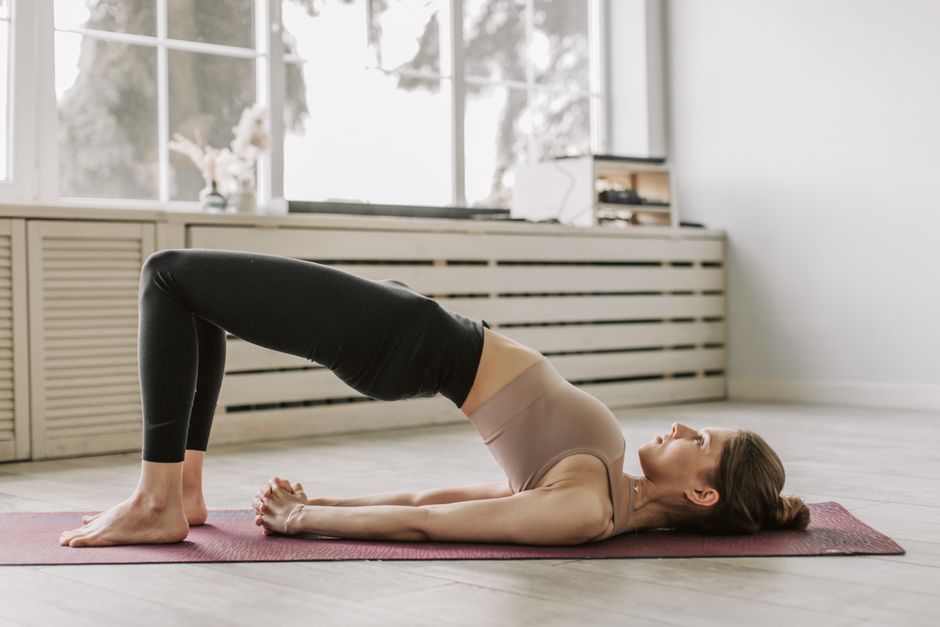
Benefits of a Morning Yoga Routine for Flexibility
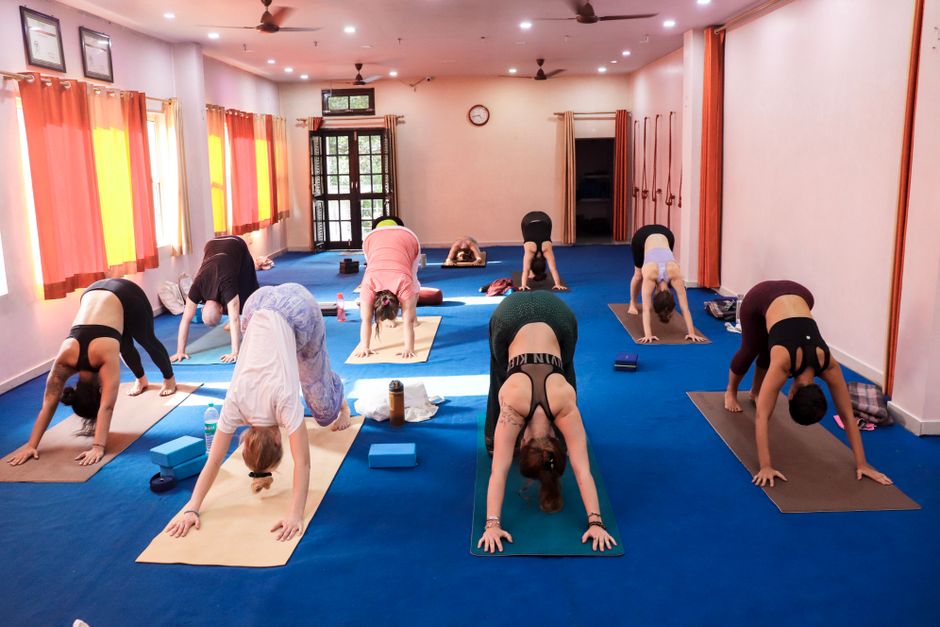
A **15-minute morning yoga routine for flexibility beginners** is one of the most efficient health habits you can build. Your body is naturally primed after sleep — joints and connective tissues respond readily to gentle movement. Even a brief daily session can improve range of motion in the hips, hamstrings, and shoulders within a few weeks.
Beyond the physical gains, morning yoga lowers cortisol and sharpens mental focus before the day’s demands begin. Research consistently shows that short, intentional sessions reduce stress hormones and improve mood. If you’re just getting started, explore our full [yoga guides for every level](https://sieunjayb.blog/category/yoga/) to find the right approach for your body.
- Loosens stiff hips, hamstrings, and shoulders with progressive movement
- Reduces morning stress hormones and improves mental clarity
- Supports better posture by addressing muscle imbalances early
- Builds a sustainable daily habit without requiring extra equipment
Quick pick: Compare top-rated Yoga options.
Essential Poses for the 15-Minute Sequence
**Cat-Cow Stretch** is the ideal opener — it mobilizes the entire spine safely before more demanding poses. Alternate between arching and rounding the back for five to eight breath cycles. This lubricates the vertebrae and prepares the body for deeper stretching.
**Downward-Facing Dog** stretches the hamstrings, calves, and shoulders simultaneously while building upper-body strength. Press firmly through your palms and lift your hips up and back. Keep a slight bend in the knees if your hamstrings are tight.
**Child’s Pose** serves as an active rest between harder poses and provides a deep release through the hips and lower back. Sit your hips back toward your heels and extend your arms forward. Use it freely whenever you need to reset your breath.
**Warrior I** opens the hip flexors and chest while strengthening the legs. Step one foot forward into a lunge, angle the back foot at 45 degrees, and raise both arms overhead. Hold three to five breaths per side with hips squared forward.
**Triangle Pose** delivers a deep lateral stretch through the inner thighs, hamstrings, and side body. Place one hand on your shin or a yoga block and reach the other arm toward the ceiling. Use a block without hesitation — it keeps your alignment honest.
- Cat-Cow: 5–8 breaths, full spine warm-up
- Downward Dog: 5 breaths, hands firmly grounded
- Child’s Pose: 3–5 breaths as needed between poses
- Warrior I: 3–5 breaths per side, hips squared
- Triangle Pose: 3–5 breaths per side, block optional
Proper Form and Alignment Tips
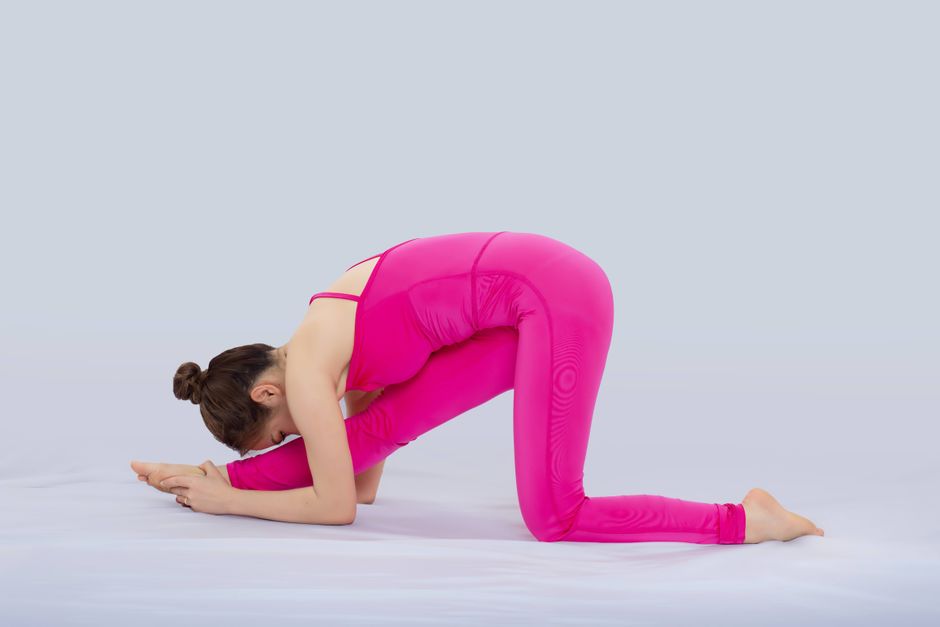
**Core engagement** is the most important habit to build from day one. Gently draw your navel toward your spine throughout every posture to protect your lower back and stabilize your joints. This is a subtle contraction — not breath-holding or rigid tensing.
Neutral spine positioning should be your default in standing and all-fours poses. If you notice excessive lower-back arching or rounding, reset by re-engaging your core and repositioning your pelvis. A neutral spine lets target muscles fully release rather than shifting tension elsewhere.
Breathe slowly through the nose — each inhale lengthens the spine, each exhale allows a slightly deeper settle into the pose. Rushing or holding the breath creates tension that directly works against your flexibility goals. Aim for four to five seconds per inhale and the same per exhale.
Avoiding Common Beginner Mistakes
**Overstretching** is the most frequent error new practitioners make. Flexibility improves through consistent moderate stretching over time, not aggressive force in a single session. You should feel a gentle tension in the target muscle — never a sharp or shooting sensation.
Holding the breath during challenging poses restricts circulation and prevents muscles from relaxing. Pairing every movement with slow, deliberate breathing is what separates yoga from simple static stretching. Skipping this step costs you the majority of the benefit.
Rushing transitions to save time sacrifices the mindfulness that makes yoga effective for stress reduction. Each transition is an opportunity to reset alignment and maintain the mind-body connection. Even 15 minutes deserves your full attention.
Your Complete 15-Minute Sequence at a Glance
| Pose | Duration | Primary Focus | Type |
|---|---|---|---|
| Cat-Cow Stretch | 1 min | Full spine mobility | Warm-up |
| Child’s Pose | 1 min | Hips, lower back | Rest |
| Downward Dog | 2 min | Hamstrings, calves, shoulders | Active Stretch |
| Warrior I (right) | 1.5 min | Hip flexors, chest | Active Stretch |
| Warrior I (left) | 1.5 min | Hip flexors, chest | Active Stretch |
| Triangle Pose (right) | 1.5 min | Inner thighs, hamstrings | Active Stretch |
| Triangle Pose (left) | 1.5 min | Inner thighs, hamstrings | Active Stretch |
| Child’s Pose (final) | 2 min | Full body release | Rest |
| 4-7-8 Breathing | 2 min | Nervous system calm | Breathwork |
The total session runs 14–16 minutes with small buffers for transitions. Over four to six weeks of consistent practice, most beginners notice meaningful improvements in hip and hamstring flexibility. For more ways to deepen your practice, browse our [beginner yoga resources](https://sieunjayb.blog/category/yoga/) curated for every fitness level.
Creating a Consistent Morning Habit
Dedicate a quiet, clutter-free corner of your home where you can extend your arms and legs in every direction. A **non-slip yoga mat** with at least a quarter inch of cushioning protects your knees and wrists and prevents slipping in poses like Downward Dog. Budget options in the $20–$40 range work well for beginners.
Schedule your session at a fixed time each morning — right after brushing your teeth works well for habit stacking. Habit research shows that a consistent time slot dramatically increases long-term adherence. Track your sessions with a simple calendar app to celebrate streaks and spot patterns.
Practice self-compassion on difficult days. Missing one session is not failure; showing up the next morning is what builds lasting flexibility. Progress is measured in months, not individual days.
Frequently Asked Questions
How long before I see flexibility improvements?
Most beginners notice reduced morning stiffness within two to three weeks of daily practice. Measurable gains — such as touching your toes or deepening a hip stretch — typically appear within four to eight weeks. Consistency of at least three to four sessions per week is the key variable.
Is 15 minutes really enough for beginners?
Yes, provided you use the time with proper form and intentional breathing. Short, regular sessions consistently outperform long, infrequent ones according to stretching research. A focused daily 15-minute routine will deliver better long-term results than a 90-minute session done twice a month.
Should I eat before a morning yoga session?
Practicing on a completely empty stomach can cause lightheadedness during inverted poses. A small snack — a piece of fruit or a handful of nuts — eaten 30 minutes before your session works well for most people. Avoid a full meal within 90 minutes of practice to prevent discomfort and restricted range of motion.
Do I need any equipment to get started?
A yoga mat is the only essential item. A **yoga block** is a helpful addition for Triangle Pose and seated stretches if you have tight hamstrings. A strap can assist with hamstring stretches, but a folded towel works as a substitute until you decide to invest further.
Top Product Recommendations
| Product Name | Rating | Key Feature | Est. Price | Action |
|---|---|---|---|---|
| Top-rated non-slip yoga mat for beginners | ★★★★★ | Editor-recommended non-slip yoga mat for beginners from this guide | $18–$42 | Check Lowest Price on Amazon |
| Best-value yoga block set for flexibility | ★★★★☆ | Affordable yoga block set for flexibility — strong everyday results | $12–$28 | Check Lowest Price on Amazon |
| Premium yoga strap for stretching beginners | ★★★★☆ | Higher-end yoga strap for stretching beginners for visible, lasting results | $45–$95 | Check Lowest Price on Amazon |
Affiliate Disclosure: This post contains affiliate links. We may earn a commission if you buy through our links, at no extra cost to you. Medical Disclaimer: This content is for informational purposes only and is not medical advice. Consult a healthcare professional before changing diet or exercise.
Leave a Reply