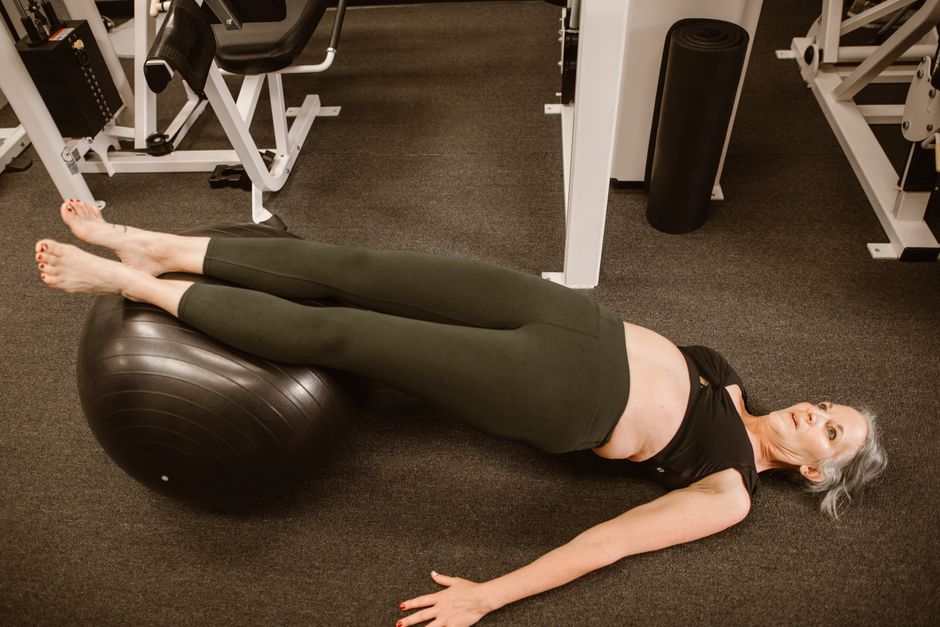
Why Women Over 40 Need a Tailored Home Workout Approach

Staying active after 40 isn’t just about looking good—it’s about feeling strong, maintaining independence, and supporting long-term health. A **home workout plan for women over 40 no equipment** offers the flexibility to exercise on your schedule without gym memberships or costly machines. Regular exercise helps manage weight, reduces the risk of chronic conditions like heart disease and type 2 diabetes, and supports bone density during and after menopause.
As you age, your body naturally loses muscle mass and bone density, a process that accelerates without regular strength training. Metabolism slows down, making weight management more challenging. Hormonal changes during perimenopause and menopause can affect everything from energy levels to joint health. Understanding these changes helps you set realistic expectations and choose workouts that work with your body, not against it.
Consistency matters more than intensity when building a sustainable fitness routine. Start with realistic commitments—three 20-minute sessions per week is far better than planning daily hour-long workouts you won’t maintain. Track how exercise makes you feel rather than just how you look. For more guidance on establishing healthy habits, explore our women’s fitness resources designed specifically for your stage of life.
Quick pick: Compare top-rated Womens Fitness options.
Setting Clear Fitness Goals for Sustainable Results
Defining specific targets gives your workout plan direction and purpose. Instead of vague aims like “get fit,” set measurable goals: complete 10 push-ups from your knees, hold a plank for 60 seconds, or walk briskly for 30 minutes without stopping. Write down your goals and revisit them monthly to track progress and adjust as needed.
A well-rounded fitness plan includes three key components:
- **Strength training** to build and maintain muscle mass
- **Cardiovascular exercise** to support heart health and endurance
- **Flexibility work** to maintain range of motion and prevent injury
Women over 40 benefit most from programs that balance all three rather than focusing exclusively on one area. Aim for at least two strength sessions, two cardio sessions, and daily stretching each week. Variety keeps workouts interesting and challenges different muscle groups while preventing overuse injuries.
Essential Warm-Up Routine to Prevent Injury

Warming up prepares your body for exercise by gradually increasing heart rate, blood flow, and muscle temperature. Never skip this step—cold muscles are more prone to strains and tears. Spend 5-10 minutes on **dynamic movements** like arm circles, leg swings, torso rotations, and walking in place with high knees.
A proper warm-up for a home workout might include:
- 2 minutes of marching in place
- 20 arm circles forward and backward
- 10 bodyweight squats
- 10 alternating lunges
- 10 torso twists
Focus on movements that mimic the exercises you’ll do in your main workout. If you’re doing upper-body work, emphasize shoulder and arm warm-ups. For lower-body sessions, prioritize hip and leg movements to ensure proper preparation.
Bodyweight Strength Training for Building Lean Muscle
Bodyweight exercises build functional strength without equipment and can be modified for any fitness level. **Squats** strengthen your legs, glutes, and core—stand with feet hip-width apart, push your hips back, and lower until thighs are parallel to the floor or as low as comfortable. Start with 2 sets of 10-12 reps. For modifications, hold onto a chair for balance or reduce your range of motion.
**Push-ups** develop upper body and core strength. Start on your knees or against a wall if standard push-ups are too challenging. Position hands slightly wider than shoulders, keep your core engaged, and lower your chest toward the floor. Aim for 2-3 sets of 8-12 reps. As you build strength, progress to modified push-ups on your knees, then full push-ups from your toes.
**Planks** build core stability essential for injury prevention and daily activities. Hold a forearm plank position with elbows under shoulders, body in a straight line from head to heels. Start with 20-30 seconds and gradually increase. **Glute bridges** strengthen your posterior chain: lie on your back, knees bent, feet flat, and lift your hips toward the ceiling. Squeeze your glutes at the top for 2 seconds before lowering.
Cardio Workouts That Protect Your Joints
High-intensity interval training delivers cardiovascular benefits in shorter timeframes by alternating between intense bursts and recovery periods. For women over 40, **modified HIIT** works best: 30 seconds of vigorous effort followed by 60-90 seconds of active recovery. Try marching in place (recovery) alternating with high knees (work), or walking (recovery) alternating with brisk walking or jogging in place (work).
Moderate-intensity steady state cardio builds endurance with less joint stress. Brisk walking, dancing in your living room, or steady-pace stair climbing all qualify. Aim for 20-40 minutes at a pace where you can talk but not sing. These workouts are ideal for active recovery days between strength sessions.
**Circuit training** combines cardio and strength training by performing exercises back-to-back with minimal rest: 10 squats, 8 push-ups, 12 glute bridges, 30-second plank, then repeat 3-4 times. This approach builds muscle while providing cardiovascular benefits. Always prioritize form over speed—sloppy reps increase injury risk and reduce effectiveness.
Flexibility and Balance for Long-Term Mobility
Flexibility and balance become increasingly important after 40 for maintaining mobility, preventing falls, and supporting joint health. Regular stretching improves range of motion, reduces muscle tension, and enhances workout recovery. Balance exercises strengthen stabilizer muscles and improve coordination, making daily activities safer and easier.
Simple balance exercises include:
- **Single-leg stands**: stand near a wall for safety, lift one foot off the ground, and hold for 30-60 seconds per side
- **Heel-to-toe walking**: walk forward placing one foot directly in front of the other
- **Standing on one leg while performing tasks** like brushing teeth or washing dishes
**Yoga poses** suitable for beginners include Child’s Pose, Cat-Cow, Downward Dog, and Warrior poses. Hold each pose for 5-10 breaths. Online videos provide guidance, but listen to your body and never force positions that cause pain. Incorporating these practices supports the overall effectiveness of your fitness routine.
Nutrition Strategies to Support Your Workout Goals
Exercise results depend heavily on what you eat. Women over 40 need adequate **protein** (0.8-1.2 grams per pound of body weight) to maintain muscle mass, especially when strength training. Include protein sources like eggs, Greek yogurt, chicken, fish, beans, or plant-based options at each meal. Distribute protein throughout the day rather than consuming most at dinner.
**Hydration** affects energy, performance, and recovery. Drink water before, during, and after workouts. A general guideline is half your body weight in ounces daily, plus extra for exercise. Dehydration causes fatigue, cramping, and reduced performance. Keep a water bottle nearby during home workouts and sip regularly.
Whole foods provide vitamins and minerals that support fitness goals better than processed options. Focus on vegetables, fruits, whole grains, lean proteins, and healthy fats. Calcium and vitamin D support bone health during and after menopause. Omega-3 fatty acids reduce inflammation. **Consult your healthcare provider** before adding supplements to ensure they’re appropriate for your individual needs.
Sample Weekly Workout Schedule
| **Day** | **Workout Type** | **Duration** | **Focus** |
|---|---|---|---|
| Monday | Strength Training | 25 minutes | Lower body: squats, lunges, glute bridges |
| Tuesday | Moderate Cardio | 30 minutes | Brisk walking or dancing |
| Wednesday | Strength Training | 25 minutes | Upper body: push-ups, planks, arm exercises |
| Thursday | Flexibility/Balance | 20 minutes | Yoga and balance drills |
| Friday | HIIT Circuit | 20 minutes | Full-body intervals |
| Saturday | Active Recovery | 30 minutes | Gentle walk and stretching |
| Sunday | Rest | Full day | Complete rest or light stretching |
This schedule balances strength, cardio, and flexibility while allowing adequate recovery. Adjust based on your energy levels and schedule—missing one workout doesn’t derail progress.
Tracking Progress and Staying Motivated
Keep a simple **workout journal** noting exercises, reps, sets, and how you felt. Digital options include fitness apps that log workouts, track trends, and send reminders. Take monthly progress photos and measurements—strength and endurance improvements often appear before visible body changes.
Set specific milestones and celebrate when you reach them. Completed your first full push-up? Held a plank for a full minute? Walked 3 miles without stopping? Acknowledge these victories. Non-food rewards work well: new workout clothes, a fitness tracker, or a massage.
**Accountability partnerships** significantly increase consistency. Work out with a friend via video call, join online fitness communities for women over 40, or share your progress on social media. If you experience persistent pain, struggle with form, or want to progress beyond bodyweight exercises, **consult a fitness professional** who can assess movement patterns and design appropriate progressions.
Cool-Down and Recovery Essentials
Cooling down helps your heart rate return to normal gradually and reduces muscle soreness. Spend 5-10 minutes on **gentle movement and static stretching** after your workout. Walk slowly while taking deep breaths, then hold stretches for 20-30 seconds each.
Target the muscles you just worked: hamstring stretches after leg day, chest and shoulder stretches after upper-body work. Proper cool-downs support recovery and flexibility gains over time. Consider using a foam roller or massage ball for self-myofascial release on tight areas.
Rest days are when your body repairs and builds muscle. Schedule 1-2 complete rest days weekly. Active recovery options include gentle walking, easy stretching, or recreational activities you enjoy. Listen to your body—persistent soreness or fatigue signals you need additional recovery time.
Frequently Asked Questions
What are common mistakes women over 40 make when starting a home workout routine?
Starting too intensely is the biggest mistake—overdoing it leads to burnout, injury, and quitting within weeks. Begin with manageable volume and gradually increase. Skipping warm-ups and cool-downs increases injury risk. Neglecting strength training in favor of cardio-only routines accelerates muscle loss. Finally, expecting rapid results creates frustration; sustainable changes take 8-12 weeks to become noticeable.
How often should I work out each week for best results?
Aim for 4-5 workout days weekly with at least 1-2 complete rest days. A balanced week includes 2-3 strength sessions, 2-3 cardio sessions, and daily flexibility work. Start with 3 sessions weekly if you’re new to exercise, then gradually add more. Consistency beats intensity—regular moderate workouts outperform sporadic intense sessions.
Can I really build muscle after 40 without equipment?
Absolutely. While metabolism slows and hormonal changes affect body composition, women over 40 can definitely build muscle with consistent bodyweight training and proper nutrition. Muscle building happens more gradually than in your 20s, but strength gains are absolutely achievable. Focus on progressive overload by gradually increasing reps, sets, or exercise difficulty. Adequate protein intake (0.8-1.2g per pound bodyweight) and patience are essential.
How long before I see results from a no-equipment home workout plan?
Most women notice improved energy and mood within 1-2 weeks. Strength gains typically appear within 3-4 weeks as your nervous system adapts. Visible body composition changes usually take 8-12 weeks of consistent effort. Progress isn’t always linear—you may experience plateaus followed by sudden improvements. Focus on performance metrics like increased reps or longer plank holds rather than just scale weight.
Do I need supplements to support my home workout routine?
Whole foods should be your foundation. Most women over 40 get adequate nutrition from a balanced diet rich in protein, vegetables, fruits, whole grains, and healthy fats. Some may benefit from vitamin D, calcium, or omega-3 supplements, especially if dietary intake is insufficient. **Consult your healthcare provider** before starting any supplement regimen to ensure it’s appropriate for your individual health status and medications.
Top Product Recommendations
| Product Name | Rating | Key Feature | Est. Price | Action |
|---|---|---|---|---|
| Top-rated yoga mat for home workouts | ★★★★★ | Editor-recommended yoga mat for home workouts from this guide | $18–$42 | Check Lowest Price on Amazon |
| Best-value resistance bands women | ★★★★☆ | Affordable resistance bands women — strong everyday results | $12–$28 | Check Lowest Price on Amazon |
| Premium fitness tracker watch | ★★★★☆ | Higher-end fitness tracker watch for visible, lasting results | $45–$95 | Check Lowest Price on Amazon |
Affiliate Disclosure: This post contains affiliate links. We may earn a commission if you buy through our links, at no extra cost to you.
Leave a Reply