
Getting Started with Home Strength Training
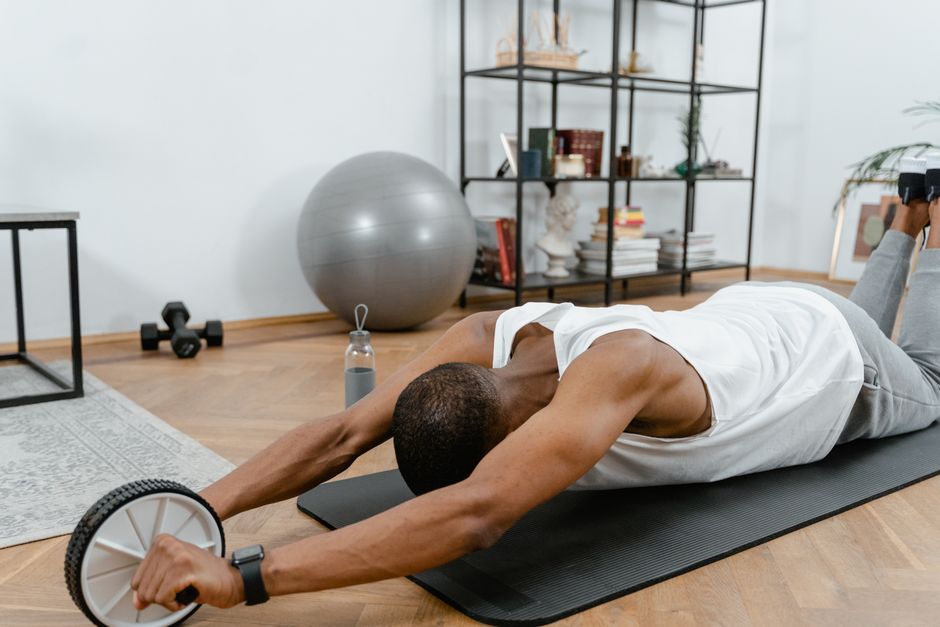
Starting a **strength training program for men beginners at home** requires minimal equipment and maximum commitment. You don’t need an expensive gym membership to build muscle and increase strength. With the right approach, your living room can become an effective training space that delivers real results.
Home workouts offer flexibility that fits any schedule. You can train early morning or late evening without commuting. Privacy eliminates the intimidation factor many beginners feel in crowded gyms, letting you focus on proper form without self-consciousness.
Quick pick: Compare top-rated Mens Fitness options.
Essential Equipment for Beginner Home Training
Your initial investment should be strategic and budget-friendly. **Adjustable dumbbells** ranging from 10 to 50 pounds provide versatility for progressive overload. A set of resistance bands with varying tension levels costs under $30 and works for dozens of exercises.
Consider these foundational items:
- **Adjustable dumbbell set** – enables weight progression as you get stronger
- **Resistance bands** – perfect for warm-ups and accessory work
- **Yoga mat** – protects floors and provides cushioning for floor exercises
- **Pull-up bar** – doorway-mounted bars add essential back training options
- **Workout bench** – expands exercise variety for chest and shoulder work
Clear a 6×8 foot training area with adequate ceiling height for overhead movements. Keep a water bottle, towel, and phone timer nearby to track rest intervals between sets.
Understanding Progressive Overload Principles
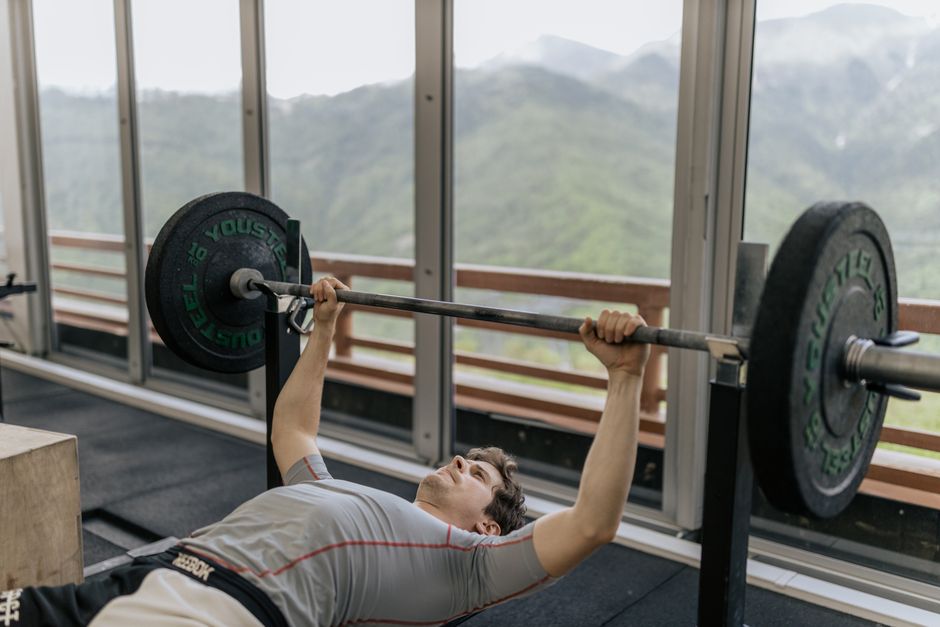
**Progressive overload** is the foundation of muscle growth for men. This principle means gradually increasing the stress placed on your muscles over time. Your body adapts to training stimulus by building stronger, larger muscle fibers.
You can apply progressive overload through several methods. Increase weight by 5-10% when you can complete all prescribed reps with good form. Add one or two reps per set each week while maintaining the same weight. Reduce rest periods between sets to increase workout density and metabolic demand.
Track every workout in a notebook or fitness app. Record exercises, sets, reps, and weights used. This data reveals progress patterns and prevents training plateaus that frustrate beginners.
Designing Your Beginner Workout Split
Full-body workouts three times per week work best for beginners. This frequency provides adequate stimulus while allowing 48 hours recovery between sessions. Your muscles grow during rest periods, not during the workout itself.
A sample beginner split looks like this:
| Day | Focus | Rest |
|---|---|---|
| Monday | Full Body A | 48 hours |
| Wednesday | Full Body B | 48 hours |
| Friday | Full Body C | 48 hours |
| Weekend | Active Recovery | Light activity |
Each session should include compound movements that work multiple muscle groups. Squats, push-ups, rows, and deadlift variations deliver maximum efficiency. Aim for 3-4 sets of 8-12 reps per exercise with 60-90 seconds rest between sets.
Mastering Fundamental Movement Patterns
Proper form prevents injuries and maximizes results. **Push movements** like push-ups and dumbbell presses develop chest, shoulders, and triceps. Keep your core tight and lower with control for 2-3 seconds before pressing up explosively.
**Pull movements** including rows and pull-ups build back thickness and bicep strength. Squeeze your shoulder blades together at the peak of each rep. Avoid using momentum or swinging your body to complete reps.
**Leg exercises** such as squats and lunges create the foundation for total-body strength. Keep your chest up and knees tracking over your toes. Descend until thighs are parallel to the floor, then drive through your heels to stand.
Core work stabilizes your entire body during compound lifts. Planks, dead bugs, and bird dogs teach proper bracing patterns. Hold positions for 30-60 seconds with perfect alignment rather than rushing through sloppy reps.
Sample Beginner Workout Routine
This proven routine targets all major muscle groups in three weekly sessions. Perform exercises in the order listed, completing all sets before moving to the next movement.
**Workout A:**
- Goblet squats: 3 sets × 10 reps
- Push-ups (modified if needed): 3 sets × 8-12 reps
- Dumbbell rows: 3 sets × 10 reps per arm
- Plank hold: 3 sets × 30-45 seconds
**Workout B:**
- Romanian deadlifts: 3 sets × 10 reps
- Dumbbell chest press: 3 sets × 10 reps
- Resistance band pull-aparts: 3 sets × 15 reps
- Mountain climbers: 3 sets × 20 reps total
**Workout C:**
- Walking lunges: 3 sets × 10 reps per leg
- Pike push-ups: 3 sets × 8-10 reps
- Dumbbell bicep curls: 3 sets × 12 reps
- Side plank: 3 sets × 20-30 seconds per side
Increase weights when you can complete all reps with 1-2 reps left in reserve. This approach builds strength steadily without burning out.
Nutrition Strategies for Muscle Growth
Your kitchen determines 70% of your results. Men need adequate protein to build and repair muscle tissue damaged during training. Aim for 0.8-1 gram of protein per pound of body weight daily, spread across 3-4 meals.
Quality protein sources include:
- **Lean meats** – chicken breast, turkey, lean beef
- **Fish** – salmon, tuna, cod
- **Eggs** – whole eggs provide complete amino acids
- **Greek yogurt** – high protein, convenient
- **Protein powder** – convenient for post-workout shakes
Carbohydrates fuel intense training sessions and replenish glycogen stores. Choose complex carbs like oats, rice, potatoes, and whole grain bread. Healthy fats from nuts, avocados, and olive oil support hormone production including testosterone.
Drink half your body weight in ounces of water daily. Hydration affects strength performance, recovery speed, and overall energy levels. Many beginners mistake dehydration for lack of motivation.
Recovery and Rest Day Strategies
Muscles grow during recovery, not during workouts. Schedule at least one full rest day between training sessions. Sleep 7-9 hours nightly to optimize hormone levels and tissue repair. Poor sleep sabotages even the best training programs.
**Active recovery** on rest days promotes blood flow without stressing muscles. Walk for 20-30 minutes, do light stretching, or practice yoga. These activities reduce soreness and maintain mobility without interfering with muscle repair.
Manage stress through meditation, deep breathing, or hobbies you enjoy. Chronic stress elevates cortisol, which breaks down muscle tissue and stores body fat. Training is a stressor itself, so balance intensity with adequate recovery.
Consider mobility work before bed or on rest days. Foam rolling tight muscles and performing dynamic stretches prevent injury and improve movement quality. If you’re interested in optimizing your overall wellness routine, check out our men’s fitness category for comprehensive guidance.
Tracking Progress Beyond the Scale
Body weight fluctuates daily due to water retention, food timing, and stress. Track multiple metrics to assess true progress. Take front, side, and back photos every two weeks in the same lighting and clothing.
Measure key body parts monthly:
- **Chest** – across nipple line
- **Waist** – at belly button level
- **Arms** – flexed at largest point
- **Thighs** – midway between hip and knee
Performance improvements matter most. Can you lift heavier weights than last month? Complete more reps at the same weight? These strength gains indicate your program is working regardless of scale movement.
Energy levels, sleep quality, and mood provide valuable feedback. Effective training should make you feel more capable in daily life. If you’re constantly exhausted or irritable, reduce training volume or improve recovery habits.
Common Beginner Mistakes to Avoid
**Training too frequently** prevents adequate recovery. Beginners often think more workouts equal faster results. Your body needs rest to adapt and grow stronger. Stick to 3-4 sessions weekly maximum.
**Neglecting form for heavier weights** leads to injury and poor muscle activation. Master movement patterns with lighter weights first. Video yourself performing exercises to identify form issues you can’t feel.
**Skipping warm-ups** increases injury risk significantly. Spend 5-10 minutes doing dynamic stretches and light cardio before lifting. Warm muscles contract more efficiently and resist strain better than cold tissue.
**Inconsistent training** destroys progress faster than any single mistake. Missing workouts regularly means you’re constantly restarting rather than progressing. Schedule training like important appointments you wouldn’t skip.
For more strategies on building sustainable fitness habits, explore our men’s fitness resources for evidence-based guidance.
When to Progress Your Program
Reassess your routine every 8-12 weeks. If exercises feel too easy at maximum prescribed reps, increase weight by 5-10%. Add one extra set to each exercise when recovery allows. Introduce new exercise variations to challenge muscles differently.
Signs you’re ready to progress include:
- **Completing all sets and reps comfortably** – you have 3+ reps in reserve
- **Faster recovery** – muscle soreness resolves within 24 hours
- **Improved energy** – workouts feel easier at current weights
- **Better form** – movements feel natural and controlled
Consider splitting your routine into upper/lower or push/pull/legs once you can train 4-5 days weekly. This specialization allows more volume per muscle group while maintaining adequate recovery.
FAQ About Home Strength Training for Men
**How long until I see results from home strength training?**
Most men notice strength improvements within 2-3 weeks and visible muscle changes after 8-12 weeks of consistent training. Neural adaptations happen first, followed by muscle growth. Progress depends on nutrition, sleep, and training intensity.
**Can I build muscle at home without a gym?**
Absolutely. Progressive overload with dumbbells, resistance bands, and bodyweight exercises builds significant muscle. Many men achieve impressive physiques training exclusively at home. Equipment matters less than consistent effort and proper nutrition.
**How much weight should beginners start with?**
Start with weights you can control for 10-12 reps while maintaining perfect form. You should have 2-3 reps left in reserve at the end of each set. It’s better to start too light and progress steadily than risk injury with excessive weight.
**Do I need supplements for a home workout program?**
Supplements aren’t necessary for beginners. Focus on whole food protein, adequate calories, and quality sleep first. Protein powder offers convenience but isn’t required. Creatine monohydrate is the only supplement with strong evidence for strength gains, but it’s optional.
**How often should men strength train at home?**
Three full-body sessions per week work best for beginners. This frequency provides enough stimulus for growth while allowing adequate recovery. Advanced lifters may train 4-6 days weekly with split routines, but beginners benefit more from full-body workouts.
**What if I can’t do push-ups or pull-ups yet?**
Start with modified versions. Perform push-ups against a wall or elevated surface like a countertop. Use resistance bands for assisted pull-ups or focus on inverted rows until you build sufficient strength. Progress gradually toward full versions.
**Should I consult a doctor before starting?**
Men over 40, those with pre-existing conditions, or anyone experiencing chest pain, dizziness, or joint problems should consult a healthcare provider before beginning any exercise program. This ensures your training approach is safe for your individual health status.
Top Product Recommendations
| Product Name | Rating | Key Feature | Est. Price | Action |
|---|---|---|---|---|
| Top-rated adjustable dumbbells set | ★★★★★ | Editor-recommended adjustable dumbbells set from this guide | $18–$42 | Check Lowest Price on Amazon |
| Best-value resistance bands with handles | ★★★★☆ | Affordable resistance bands with handles — strong everyday results | $12–$28 | Check Lowest Price on Amazon |
| Premium doorway pull up bar | ★★★★☆ | Higher-end doorway pull up bar for visible, lasting results | $45–$95 | Check Lowest Price on Amazon |
Affiliate Disclosure: This post contains affiliate links. We may earn a commission if you buy through our links, at no extra cost to you.
Leave a Reply