Why a Whole Food Detox?
A **7 day whole food detox meal plan for beginners** is one of the most approachable ways to reset your eating habits without extreme restriction. Unlike juice cleanses or supplement-heavy programs, this approach focuses on eating real, minimally processed foods that your body already knows how to use. The plan works because it’s sustainable, flexible, and grounded in solid nutrition principles — no starvation, no skipped meals, and no expensive powders required.
Compared to other popular detox plans, whole food detoxes crowd out processed ingredients with vegetables, fruits, lean proteins, legumes, and whole grains. Most people notice improved digestion, steadier energy, and reduced bloating within the first few days. Starting with a 7-day window is ideal because it’s long enough to build real momentum but short enough to stay mentally committed — think of it as a trial run for a cleaner lifestyle, not a punishment. Browse more detox guides for similar beginner-friendly resets.
Quick pick: Compare top-rated Detox Guides options.
Understanding Whole Foods
**Whole foods** are ingredients that are as close to their natural state as possible — fresh vegetables, whole fruits, legumes, nuts, seeds, eggs, and unprocessed meats. If it comes in a box with a 30-ingredient label, it doesn’t belong in this category.
The benefits of eating whole foods are well-documented:
- Higher fiber intake supports gut health and regularity
- More micronutrients (vitamins, minerals, and antioxidants) per calorie
- Reduced added sugar and sodium, which lowers systemic inflammation
- Better blood sugar stability throughout the day
Incorporating more whole foods doesn’t have to be complicated. Start by swapping one processed item per meal — replace crackers with cucumber slices, or trade flavored yogurt for plain Greek yogurt with fresh berries.
Preparing for Your Detox
Mental preparation is just as important as stocking your fridge. Set a **realistic intention** before day one: this isn’t about perfection, it’s about progress. Write down two or three specific goals — better sleep, reduced bloating, more steady energy — so you have a reason to stay on track when cravings hit.
Physically, spend a few days before the detox gradually reducing caffeine, alcohol, and processed snacks to soften withdrawal symptoms. Do a full pantry audit and remove obvious temptations, then build a shopping list organized by produce, proteins, and pantry staples.
What to expect during the first 2–3 days:
- Mild headaches or fatigue (common if cutting caffeine)
- Increased trips to the bathroom as fiber intake rises
- Possible cravings for sugar or salt — these typically peak around day 2 and fade by day 4
Day-by-Day Meal Plan
Below is a sample framework. Adjust portions based on your activity level and hunger cues.
| Day | Breakfast | Lunch | Dinner |
|---|---|---|---|
| 1 | Oatmeal + berries + chia seeds | Large salad + grilled chicken + olive oil dressing | Baked salmon + roasted broccoli + quinoa |
| 2 | Scrambled eggs + spinach + avocado | Lentil soup + whole grain bread | Stir-fried tofu + bok choy + brown rice |
| 3 | Smoothie (banana, spinach, almond milk) | Turkey lettuce wraps + sliced veggies | Sheet pan chicken thighs + sweet potato + asparagus |
| 4 | Greek yogurt + flaxseed + fresh fruit | Chickpea and cucumber salad | Grass-fed beef + zucchini noodles + marinara |
| 5 | Overnight oats + walnuts + apple slices | Black bean bowl + salsa + brown rice | Baked cod + steamed green beans + wild rice |
| 6 | Veggie omelet + salsa | Tuna salad (olive oil-based) + mixed greens | Slow-cooker lentil stew + whole grain roll |
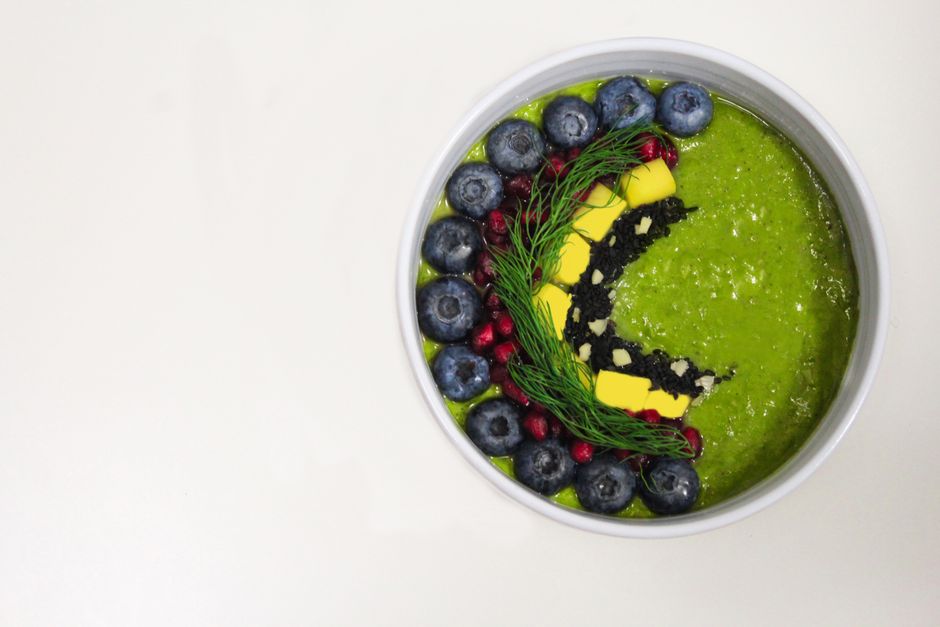
| 7 | Smoothie bowl + hemp seeds + mango | Leftover lentil stew | Herb-roasted chicken + roasted root vegetables |
**Meal prep tips to save time during the week:**
- Batch-cook grains (quinoa, brown rice) on Sunday for the whole week
- Roast two sheet pans of mixed vegetables at once — they reheat well
- Pre-portion snacks like raw almonds, apple slices, and hummus into small containers
**Healthy snack options to keep on hand:**
- Apple + almond butter (fiber + healthy fat combo)
- Hard-boiled eggs (portable protein)
- Celery + hummus (crunch without processed ingredients)
- A small handful of mixed nuts (about 1 oz is a good target)
Staying Hydrated and Energized
Hydration is non-negotiable during a whole food detox. Your kidneys and liver — your body’s actual detox organs — need adequate water to flush waste efficiently. Aim for **at least 8–10 cups of water per day**, more if you’re exercising or living in a hot climate.
Practical ways to hit your fluid goals:
- Start every morning with a full glass of water before coffee or food
- Carry a **32 oz reusable water bottle** and aim to refill it twice daily
- Flavor water naturally with cucumber slices, lemon wedges, or fresh mint
- Count unsweetened herbal teas toward your daily fluid intake
To keep energy stable, pair complex carbohydrates with protein at every meal. This slows digestion and prevents the blood sugar spikes and crashes that make you feel foggy. If you’re feeling sluggish around day 2–3, that’s normal and typically resolves by the midpoint of the week.
Moving Your Body During the Detox
Light to moderate exercise supports the detox process by improving circulation, promoting lymphatic drainage, and boosting mood. You don’t need intense workouts — heavy lifting or daily HIIT can be counterproductive if your calorie intake is lower than usual.
Beginner-friendly movement options during the 7 days:
- **Walking:** 20–30 minutes daily at a comfortable pace — the most underrated recovery tool
- **Yoga or stretching:** 15–20 minutes in the morning helps reduce cortisol and supports digestion
- **Bodyweight circuits:** 2–3 sets of squats, push-ups, and lunges (10–12 reps each) on alternate days
- **Swimming or cycling:** Low-impact cardio that’s easy on joints
For those with more fitness experience, you can maintain your normal training schedule but dial back intensity by about 20% during the first 3 days. If you feel lightheaded or unusually fatigued, rest is the right call.
**Form cue reminder:** During any bodyweight work, keep your core engaged and avoid locking out joints at the top of movements. Quality reps always beat quantity.
What to Eat After Day 7
Completing the 7 days is a real achievement — but the real win is what you do next. The goal was never to return to old habits on day 8. Use the detox as a reset point and begin **reintroducing foods strategically**.
Reintroduce one food group at a time — dairy, gluten, or alcohol — and pay attention to how you feel. This practical elimination-style approach helps you identify personal sensitivities without a formal medical protocol. Many people discover that certain foods were contributing to symptoms they assumed were normal.
Sustainable habits to carry forward:
- Keep **at least 80% of your plate** whole foods most days
- Continue weekly meal prep to reduce reliance on processed convenience foods
- Maintain your hydration habits — they’re low-effort and high-reward
- Schedule one detox reset per season to stay on track
FAQ: Whole Food Detox for Beginners
**Is a whole food detox safe for everyone?**
Most healthy adults can follow this plan safely. However, if you have a chronic condition, are pregnant or breastfeeding, or take medications that affect blood sugar, talk to your healthcare provider before starting any structured eating plan.
**Will I lose weight on this plan?**
Some people lose water weight in the first few days due to reduced sodium and carbohydrate intake. Sustainable weight loss results from long-term habit changes, not a single week — set realistic expectations and focus on how you feel rather than the scale.
**Do I need to buy organic produce?**
Not necessarily. Organic is great when budget allows, but conventionally grown whole foods still provide the fiber, vitamins, and minerals that make this plan effective. Wash all produce thoroughly and prioritize organic for the **Dirty Dozen** (strawberries, spinach, kale, apples) when possible.
**Can I customize the meal plan for dietary restrictions?**
Absolutely. Swap proteins and grains to fit your needs — replace chicken with tofu for a plant-based option, or use gluten-free grains like quinoa and rice instead of wheat-based products.
**What if I slip up during the week?**
One off-plan meal doesn’t undo your progress. Acknowledge it, move on, and stay focused on your goals for the next meal. Consistency over perfection is the mindset that actually works long-term.
**Should I take supplements during the detox?**
A basic multivitamin can fill minor gaps if your diet is new, but whole foods should provide most of what you need. Avoid detox-specific supplements unless recommended by a qualified healthcare professional.
Top Product Recommendations
| Product Name | Rating | Key Feature | Est. Price | Action |
|---|---|---|---|---|
| Top-rated reusable water bottle 32 oz | ★★★★★ | Editor-recommended reusable water bottle 32 oz from this guide | $18–$42 | Check Lowest Price on Amazon |
| Best-value glass meal prep containers | ★★★★☆ | Affordable glass meal prep containers — strong everyday results | $12–$28 | Check Lowest Price on Amazon |
| Premium organic chia seeds | ★★★★☆ | Higher-end organic chia seeds for visible, lasting results | $45–$95 | Check Lowest Price on Amazon |
Affiliate Disclosure: This post contains affiliate links. We may earn a commission if you buy through our links, at no extra cost to you. Medical Disclaimer: This content is for informational purposes only and is not medical advice. Consult a healthcare professional before changing diet or exercise.
Leave a Reply