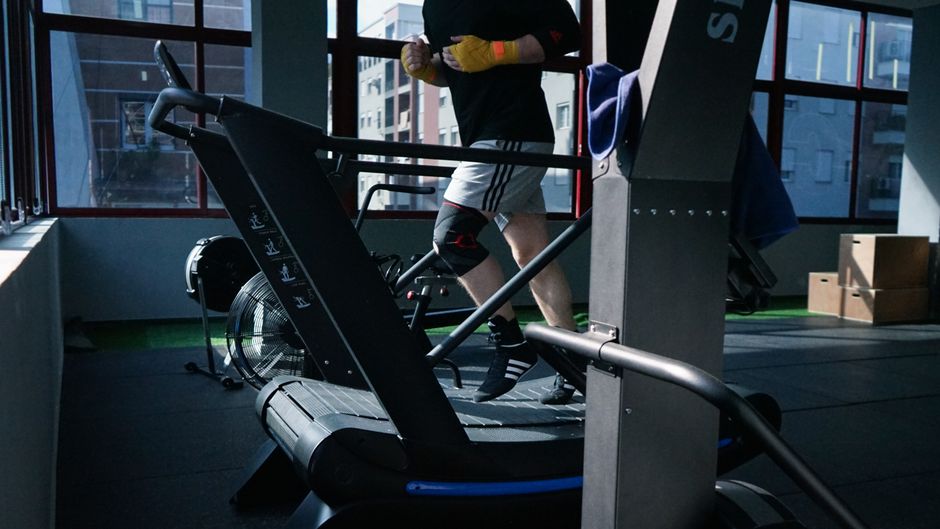
Why Low Impact Cardio Works for Bad Knees

Low impact cardio for bad knees at home keeps at least one foot grounded at all times, dramatically cutting compressive force through the knee joint. You still elevate your heart rate, build endurance, and support cardiovascular health — without the joint punishment of running or jumping. For anyone managing knee discomfort, this is the most sustainable long-term approach to staying fit.
These workouts are not a compromise. Many people find they reach the same [cardiovascular benefits](https://sieunjayb.blog/category/cardio/) with far less recovery pain when they commit to low impact movement consistently.
Quick pick: Compare top-rated Cardio options.
Best Low Impact Cardio Exercises to Do at Home
These five options deliver real results while protecting your knees:
- **Brisk walking** — Indoors or outdoors, aim for a pace where you can speak in short sentences but feel your breathing deepen.
- **Stationary cycling** — The circular pedal motion is smooth and non-load-bearing; adjust resistance so it feels challenging, not painful.
- **Elliptical training** — Mimics running motion with zero impact; one of the most effective home cardio tools for knee issues.
- **Water walking or swimming** — Buoyancy nearly eliminates joint stress while still providing solid cardiovascular demand.
- **Low-impact dance cardio** — Shallow-step and no-jump routines keep your heart rate up with minimal knee strain.
Mix these throughout the week to keep your body adapting and prevent workout monotony.
Walking vs. Cycling vs. Elliptical: Quick Comparison

| Exercise | Knee Impact | Calories (30 min) | Best For |
|---|---|---|---|
| Brisk walking | Very low | 150–200 | Beginners, daily use |
| Stationary cycling | Minimal | 200–300 | Knee sensitivity, endurance |
| Elliptical | None | 250–350 | Gym-style cardio at home |
No single option is universally best. Rotating between all three provides variety and balanced conditioning.
Building a Routine You Can Stick To
Consistency beats intensity when working around knee limitations. The American Heart Association recommends 150 minutes of moderate cardio per week — roughly 30 minutes on most days.
**Start small if needed.** Ten minutes three times a week is a legitimate starting point. Build gradually as your knees adapt, not on a fixed calendar schedule.
Warm-Up and Cool-Down
Spend three to five minutes warming up before every session. Gentle leg swings, ankle rotations, and a slow march in place prime the synovial fluid in your knee joints. After your workout, five minutes of static stretching — quads, hamstrings, and calves — supports recovery and maintains the flexibility your knees depend on.
Add Targeted Strength Work
Stronger quads, hamstrings, and glutes take direct pressure off the knee joint during cardio. **Straight leg raises, glute bridges, and short-hold wall sits** are exc nt starting points. Aim for two non-consecutive days per week alongside your cardio sessions.
Eating to Support Your Knees and Heart
Nutrition directly affects inflammation levels, which shapes both knee comfort and cardio performance. Prioritize these foods:
- **Fatty fish** (salmon, sardines) — omega-3s with well-documented anti-inflammatory effects
- **Leafy greens and cruciferous vegetables** — antioxidants that combat oxidative stress in joint tissue
- **Berries** (blueberries, tart cherries) — compounds linked to reduced systemic inflammation
- **Walnuts and chia seeds** — healthy fats and magnesium supporting both heart and joint function
Limit processed foods, excess added sugars, and fried items — even small, consistent reductions can make a noticeable difference in knee comfort over time.
When to See a Doctor
Low impact cardio is safe for most people, but certain symptoms require medical evaluation before continuing exercise. Consult a healthcare professional if you notice:
- **Persistent or worsening pain** that does not improve with rest
- **Sudden swelling or redness** in the knee joint
- **Loss of range of motion** when bending or straightening your knee
- **Pain that disrupts sleep**
If you have a diagnosed condition like osteoarthritis or a meniscus tear, bring your workout plan to your next appointment. A physician or physical therapist can help you refine intensity and flag exercises to avoid.
Exploring the full [cardio category](https://sieunjayb.blog/category/cardio/) can help you find additional low impact options as your fitness improves.
Frequently Asked Questions
Can I do high impact exercise if I have bad knees?
Generally, avoid high impact movements — running, plyometrics, jumping — when you have significant knee discomfort. If you want to incorporate higher intensity work, consult a physical therapist first. For most people, low impact cardio provides sufficient cardiovascular stimulus.
How often should I do low impact cardio for results?
Aim for at least five 30-minute sessions per week. If that is too much initially, start with 10–15 minutes and build gradually. Consistency over weeks and months drives results — occasional missed days are normal.
What strengthening exercises best support the knees?
Focus on quads, hamstrings, glutes, and calves. **Straight leg raises, glute bridges, step-ups onto a low step, and short-hold wall sits** create a protective effect around the knee joint that reduces discomfort and improves cardio performance over time.
Top Product Recommendations
| Product Name | Rating | Key Feature | Est. Price | Action |
|---|---|---|---|---|
| Top-rated stationary bike for bad knees | ★★★★★ | Editor-recommended stationary bike for bad knees from this guide | $18–$42 | Check Lowest Price on Amazon |
| Best-value elliptical machine for home use | ★★★★☆ | Affordable elliptical machine for home use — strong everyday results | $12–$28 | Check Lowest Price on Amazon |
| Premium resistance bands for knee strengthening | ★★★★☆ | Higher-end resistance bands for knee strengthening for visible, lasting results | $45–$95 | Check Lowest Price on Amazon |
Affiliate Disclosure: This post contains affiliate links. We may earn a commission if you buy through our links, at no extra cost to you.
Leave a Reply