Why a No-Equipment Home Workout Works for Women Over 40
If you have been putting off starting a fitness routine because you think you need a gym membership, expensive machines, or complicated gear, here is some genuinely good news: you do not. A well-structured **home workout plan for women over 40 without equipment** can deliver real, lasting results using nothing more than your own bodyweight and a small amount of floor space. The key is understanding which movements challenge the right muscle groups, how to structure your sessions so you build strength without unnecessary strain, and how to pace yourself as your fitness level naturally evolves over time.
Women over 40 face a unique set of physiological considerations. Metabolism tends to slow, muscle mass becomes slightly harder to preserve, and joint mobility can decrease if it is not actively maintained. None of this means fitness goals become out of reach. It simply means the workout plan needs to be thoughtful, progressive, and kind to the body. This guide walks you through every component of a complete no-equipment program designed specifically for this stage of life.
Quick pick: Compare top-rated Womens Fitness options.
The Warm-Up: Why Never Skipping It Matters More After 40
Jumping straight into intense movements without warming up is a mistake at any age, but it becomes particularly important after 40. Your joints produce less synovial fluid than they once did, and your muscles take a little longer to reach peak readiness. A thorough warm-up protects you from injury and primes your cardiovascular system for the work ahead.
Start with **arm circles** — small circles progressing to larger ones — for about 30 seconds in each direction. Follow with **leg swings**, swinging each leg gently forward and back to loosen the hips and hamstrings. **Jumping jacks** done at a moderate pace for 60 seconds raise your heart rate without shock-loading your joints. Finish the warm-up with **walking lunges** performed slowly and with full control, feeling the stretch through your hip flexors with each step.
Strength Training: Building Bone Density and Muscle the Safe Way
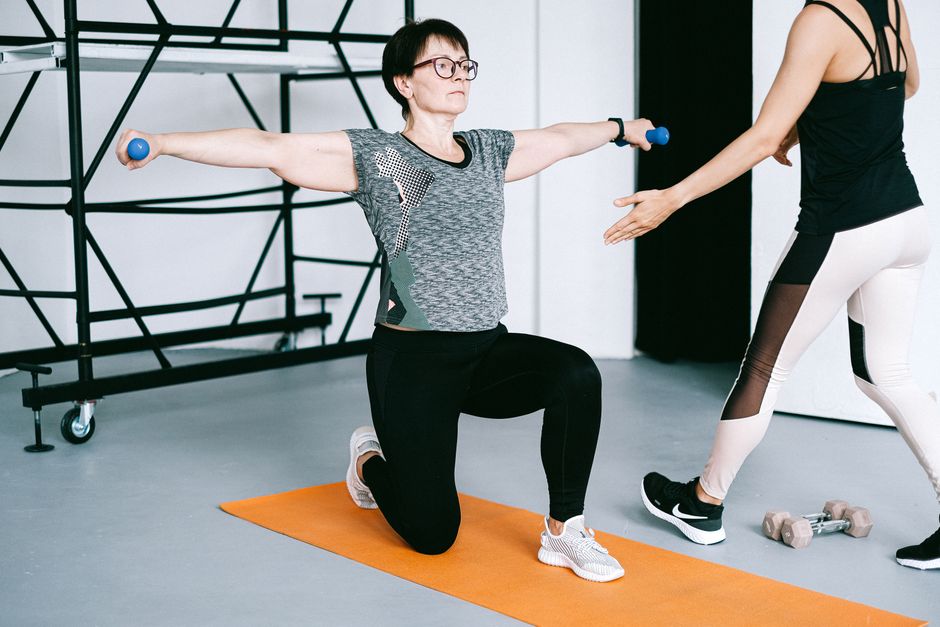
Strength training is arguably the most important pillar of any fitness plan for women over 40. Weight-bearing resistance work helps maintain bone density, which becomes a growing concern as estrogen levels shift. It also supports joint health, improves balance, and keeps your resting metabolism humming.
Perform each movement below for 12 to 15 repetitions and aim for two to three rounds total.
- **Squats** are the foundation. Keep your weight in your heels, push your hips back as if sitting into a chair, and ensure your knees track over your toes without caving inward. A chair squat variation offers a target to sit toward if you are new to the movement.
- **Push-ups** can be performed on your knees or against a wall. Wall push-ups are exc nt for beginners — stand arm’s length from a wall, lean in, and press back. Knee push-ups build on that once you have adequate core stability.
- **Plank shoulder taps** challenge your core and shoulder stability simultaneously. Hold a high plank and gently tap the opposite shoulder without letting your hips rotate. This small movement demand recruits deep core muscles effectively.
- **Glute bridges** target the posterior chain — glutes, hamstrings, and lower back — areas that tend to weaken with prolonged sitting. Lie on your back, knees bent, feet flat, and lift your hips toward the ceiling, squeezing at the top.
Cardiovascular Workouts: Getting the Heart Rate Up Without Impact
Steady-state cardio supports heart health, aids in weight management, and boosts mood-regulating endorphins. The goal here is sustained effort at a pace you can maintain — not breathless panic. Pick a moderate intensity where you can still carry on a conversation.
Perform each exercise below for 45 seconds, rest 15 seconds, and repeat the circuit two to three times.
- **High knees** — drive your knees up toward hip height while pumping your arms. Reduce the height and speed if you feel knee strain; a lower range of motion is still highly effective.
- **Butt kicks** — jog in place while kicking your heels toward your glutes. This keeps the legs moving and the heart rate elevated without high-impact forces.
- **Fast-paced walking** in place is an underrated cardio tool. Swing your arms, lift your knees, and move with intention. It is low-impact yet surprisingly challenging.
- **Jogging in place** works well for those who have cleared any joint concerns. Keep your landing soft — think landing on the balls of your feet rather than a heavy heel strike.
| Exercise | Duration | Rest Between Sets | Recommended Rounds |
|---|---|---|---|
| High Knees | 45 seconds | 15 seconds | 2–3 rounds |
| Butt Kicks | 45 seconds | 15 seconds | 2–3 rounds |
| Walking in Place | 60 seconds | 15 seconds | 2–3 rounds |
| Jogging in Place | 45 seconds | 15 seconds | 2–3 rounds |
Flexibility and Balance: Protecting Your Joints as You Age
Flexibility and balance training often get pushed to the end of a workout plan, but they deserve equal billing. After 40, a dedicated focus on these areas dramatically reduces fall risk, preserves range of motion, and can alleviate chronic stiffness that builds up from daily life.
Hold each static stretch for 30 to 45 seconds on each side. Move slowly into the position — never bounce — and breathe deeply to deepen the stretch naturally.
- **Standing leg stretch** — cross one ankle over the opposite knee while balancing, or use a wall for support. This opens the hips and stretches the outer thigh.
- **Calf raises** build lower-leg strength and improve ankle stability. Rise slowly onto the balls of your feet, hold for one second, and lower with control. Hold a chair back for balance if needed.
- **Side leg lifts** — standing tall, lift one leg out to the side without leaning. This targets the hip abductors, which are crucial for knee stability and posture.
- **Ankle circles** are simple but effective. Rotate each ankle in full circles, 10 times in each direction, to maintain ankle mobility that supports everything from walking to squatting.
Core Strengthening: Building a Stable Center
A strong core is the unsung hero of nearly every physical activity. It protects the lower back, improves posture, and makes everyday movements — carrying groceries, climbing stairs, playing with grandchildren — feel noticeably easier.
Perform each exercise below for 30 to 45 seconds, rest as needed, and complete two rounds.
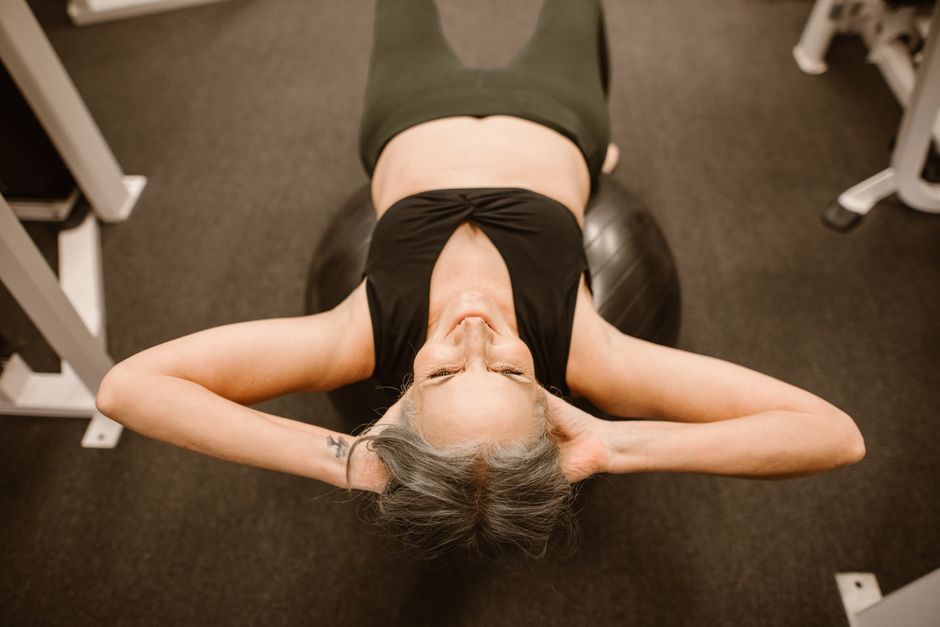
- **Bicycle crunches** are highly efficient. Lie on your back, hands behind your head, and alternate bringing your opposite elbow to the opposite knee in a pedaling motion. Keep your lower back pressed into the floor throughout.
- **Russian twists** challenge rotational core strength. Sit with knees bent, feet lifted slightly off the ground, and rotate your torso side to side. Place your hands together and move with control — the slower you go, the more challenging it becomes.
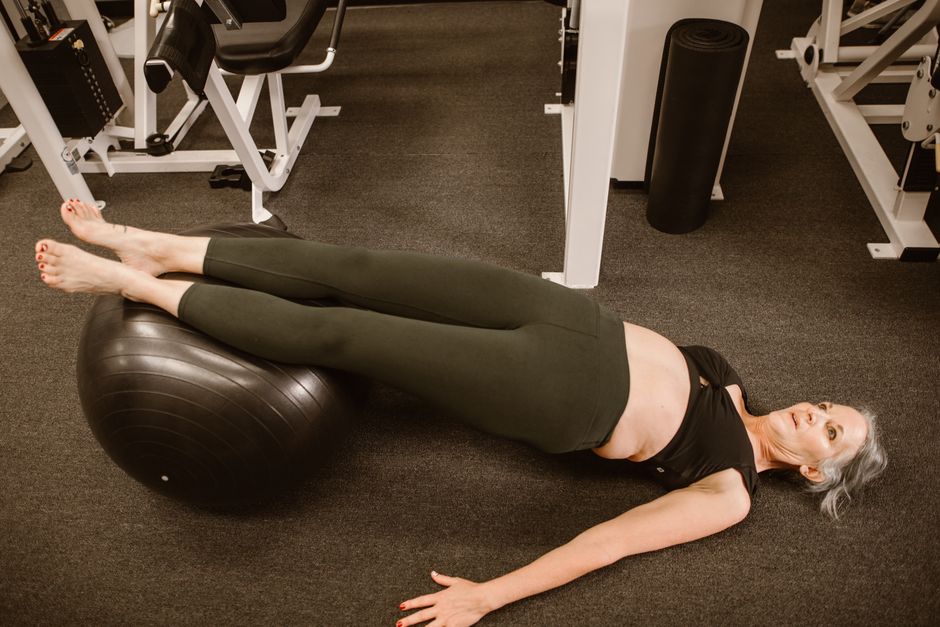
- **Leg raises** target the lower abs. Lie flat, keep your legs straight, and lift them to 90 degrees before lowering slowly. If full leg raises feel too intense, bend the knees slightly or lower to just above the floor before lifting again.
- **Mountain climbers** combine core work with cardio. Start in a high plank and drive one knee toward your chest, then switch rapidly. Keep your hips level and your core engaged throughout.
Cool Down Stretches: Helping Your Body Recover
Recovery is where your body gets stronger. A proper cool-down lowers your heart rate gradually, prevents blood pooling in the legs, and reduces the muscle soreness that can creep up the day after a good workout.
Move through each stretch below, holding for 30 to 45 seconds per side.
- **Quad stretch** — standing on one leg (use a wall for balance), pull your opposite heel toward your glute. You should feel this along the front of your thigh. Keep your knees close together.
- **Hamstring stretch** — sit with one leg extended, the other bent with the sole of that foot against your inner thigh. Reach forward toward your toes without forcing the bend. A gentle forward fold is the goal.
- **Chest stretch** — stand in a doorway, place your forearms on the frame, and lean forward gently until you feel a stretch across your chest and the front of your shoulders. This counters the rounded posture many people develop.
- **Shoulder stretch** — bring one arm across your chest and use your opposite hand to pull it closer to your body. You should feel this along the rear shoulder and upper arm.
Designing Your Weekly Schedule
Consistency matters far more than intensity, especially when you are building a new habit. A practical starting framework for this no-equipment plan looks like this:
- **Monday**: Warm-up → Strength Training → Cool Down
- **Tuesday**: Warm-up → Cardio Circuit → Flexibility and Balance → Cool Down
- **Wednesday**: Active recovery — light walking or gentle stretching
- **Thursday**: Warm-up → Core Strengthening → Strength Training → Cool Down
- **Friday**: Warm-up → Cardio Circuit → Flexibility and Balance → Cool Down
- **Saturday**: Optional second strength session or brisk walk
- **Sunday**: Full rest or very gentle mobility work
This schedule gives you three to four focused workout days, two active recovery days, and one full rest day. Adjust the timing and intensity based on your current fitness level — it is always smarter to start below your limit and build up than to overdo it early and need several days to recover.
Realistic Expectations: What Progress Actually Looks Like
Women over 40 tend to make exc nt progress with consistent bodyweight training, though the timeline varies. Within the first four to six weeks, most people notice improved energy levels, better posture, and increased ease with daily activities. Strength gains in the 8 to 12 week range are common when workouts are performed consistently.
It is worth noting that visible changes in muscle tone and body composition typically take longer — and that is completely normal. Your body is doing complex work rebuilding tissue and improving metabolic function, which happens on a different timeline than the workouts themselves. Focus on how you feel, what you can do that you could not do before, and the quality of your sleep and mood as primary markers of progress. If you have any pre-existing conditions — including but not limited to heart concerns, significant joint issues, or osteoporosis — please consult with a healthcare professional before beginning any new exercise program. The movements in this plan are generally safe and accessible, but individual medical circumstances always take priority.
Frequently Asked Questions (FAQ)
What is the best time to work out for maximum results?
Morning workouts can help boost your metabolism early and keep you more active throughout the day, but the best time is whenever you can consistently show up. If mornings are too rushed, an afternoon or early evening session works equally well. Consistency beats timing — a workout done at noon beats a missed session at 6 a.m. every single week.
How often should I do these exercises?
Aim to perform these workouts at least three to four times per week for meaningful results. Two sessions per week can maintain your current level, but three to four sessions is where you will see genuine improvements in strength, endurance, and mobility. Listen to your body between sessions — if you feel persistent fatigue or joint discomfort, add an extra rest day before resuming.
Can I modify the exercises if I have any health concerns or physical limitations?
Absolutely, and you should. Every exercise in this plan has a modification available. Wall push-ups replace standard push-ups, seated or lying alternatives work for many core moves, and slower, shallower ranges of motion still deliver benefit. If you are managing a specific condition, working with a physical therapist or a certified personal trainer who understands your health history can help you tailor these movements safely. Never push through sharp pain — mild muscle fatigue is normal, but pain is a signal to stop and reassess.
Do I really need to strength train, or is cardio enough?
Cardio alone is not enough. Strength training is essential for women over 40 because it preserves muscle mass, supports bone density, and keeps your metabolism active. A balanced program that includes both cardio and resistance work delivers the best long-term results for your health, mobility, and independence.
Top Product Recommendations
| Product Name | Rating | Key Feature | Est. Price | Action |
|---|---|---|---|---|
| Top-rated home gym equipment for women | ★★★★★ | Editor-recommended home gym equipment for women from this guide | $18–$42 | Check Lowest Price on Amazon |
| Best-value resistance bands for women over 40 | ★★★★☆ | Affordable resistance bands for women over 40 — strong everyday results | $12–$28 | Check Lowest Price on Amazon |
| Premium workout mat for seniors | ★★★★☆ | Higher-end workout mat for seniors for visible, lasting results | $45–$95 | Check Lowest Price on Amazon |
Affiliate Disclosure: This post contains affiliate links. We may earn a commission if you buy through our links, at no extra cost to you.
Leave a Reply