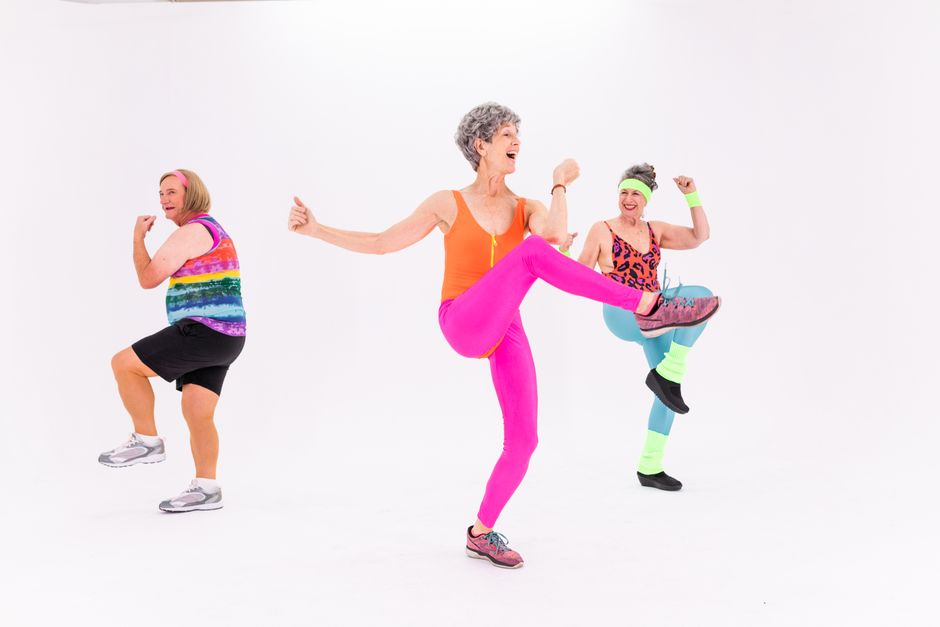
Understanding Your Body After 40
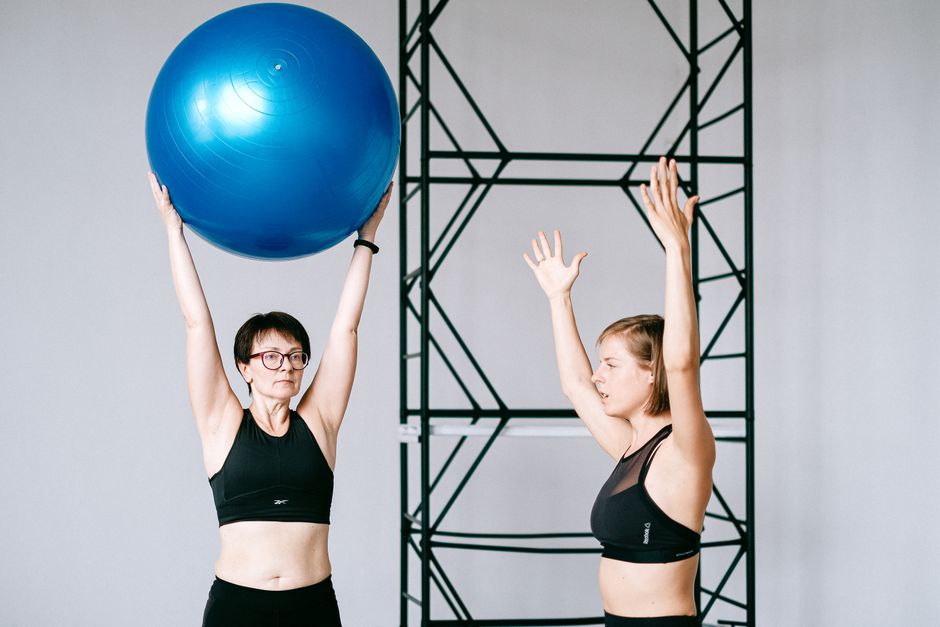
Your body undergoes significant changes after 40, and understanding these shifts helps you train smarter. Hormonal fluctuations, particularly declining estrogen levels, affect muscle mass, bone density, and how your body stores fat. These changes are natural and don’t mean you should lower your fitness expectations—they simply require a more informed approach.
Metabolism typically slows during this decade, making weight management more challenging. You may notice recovery takes longer after intense workouts, and joint stiffness becomes more common. This is why listening to your body and prioritizing quality movement over sheer intensity becomes essential.
Adapting your fitness routine to honor these changes means focusing on **strength preservation**, **joint health**, and **sustainable habits**. You’re not training like you’re 25, and that’s perfectly fine. You’re training for longevity, functionality, and feeling strong in the body you have today.
Quick pick: Compare top-rated Womens Fitness options.
Setting Realistic Fitness Goals
Setting achievable goals keeps you motivated and prevents burnout or injury. Instead of chasing dramatic transformations, focus on **functional fitness**—the ability to move well in daily life. Can you carry groceries without strain? Can you get up from the floor easily?
Strength, flexibility, and balance should anchor your goal-setting process. Aim to perform a certain number of push-ups, hold a plank for a specific duration, or touch your toes comfortably. Cardiovascular health goals might include walking a certain distance or climbing stairs without getting winded.
Write down your goals and revisit them monthly. Celebrate small wins like completing a full week of workouts or noticing improved energy levels. Progress isn’t always visible in the mirror—it shows up in how you feel, how you sleep, and how confidently you move through your day.
Starting Your Home Workout Routine

A well-rounded home workout plan for women includes **strength training**, **flexibility work**, and **cardiovascular exercise**. You don’t need a gym membership or fancy equipment—your body weight provides all the resistance you need. Start with three to four sessions per week, allowing rest days for recovery.
Structure each session with a five-minute warm-up (marching in place, arm circles, gentle stretches) followed by 20-30 minutes of exercise. Cool down with five minutes of stretching to prevent soreness and improve flexibility.
Consistency beats perfection every time. Schedule workouts like appointments and protect that time. Morning sessions often work best because they’re less likely to be interrupted by daily responsibilities. Even 20 minutes is valuable—don’t skip a workout just because you can’t do the full session.
Building Strength and Muscle
Strength training is crucial for women over 40 because it combats age-related muscle loss and supports bone density. You can build and maintain muscle mass without lifting heavy weights—**bodyweight exercises** done with proper form and progressive difficulty are highly effective.
Key exercises include:
- **Squats** targeting legs and glutes
- **Push-ups** for chest, shoulders, and triceps
- **Lunges** building legs and balance
- **Planks** developing core stability
- **Glute bridges** strengthening the posterior chain
Start with 2-3 sets of 8-12 repetitions for each exercise. To increase difficulty without equipment, slow down your movements, add pulses at the bottom of squats, elevate your feet during push-ups, or hold positions longer. You won’t bulk up—building significant muscle mass requires specific high-volume training and nutrition. What you will gain is lean, functional strength and improved metabolism.
Improving Flexibility and Balance
Flexibility and balance training prevent falls and injuries while improving your range of motion for daily activities. After 40, maintaining mobility becomes as important as building strength. Tight muscles and poor balance increase injury risk and limit your movement quality.
Incorporate **dynamic stretches** before workouts (leg swings, arm circles, torso rotations) and **static stretches** afterward (holding hamstring, quad, and shoulder stretches for 30 seconds). Balance exercises like single-leg stands, heel-to-toe walks, and standing knee raises challenge your stability.
Consider using a yoga mat for comfort during floor exercises. Even 10-15 minutes of stretching and balance work three times weekly makes a noticeable difference. You’ll move more freely, experience less stiffness, and reduce your fall risk as you age.
Boosting Cardiovascular Health
Cardiovascular fitness supports heart health, stamina, and weight management. The good news: you don’t need a treadmill or stationary bike. **Brisk walking**, **marching in place**, **dancing**, **step-ups on stairs**, and **jumping jacks** (modified if needed) all elevate your heart rate effectively.
Aim for 150 minutes of moderate-intensity cardio weekly, broken into manageable sessions. Start with 10-15 minute walks and gradually increase duration and pace. Moderate intensity means you can talk but not sing during the activity.
Interval training—alternating between higher and lower intensity—maximizes benefits in less time. Try one minute of faster walking followed by two minutes at a comfortable pace, repeated 5-10 times. This approach improves cardiovascular fitness and burns calories efficiently.
Eating for Optimal Health and Fitness
Nutrition becomes increasingly important after 40 because your body processes food differently. Prioritize **protein** (0.8-1 gram per pound of body weight) to maintain muscle mass, especially within two hours after strength training. Include lean proteins like chicken, fish, eggs, beans, and Greek yogurt.
**Calcium** and **vitamin D** support bone health—consider fortified foods, dairy, leafy greens, and sunshine exposure. Omega-3 fatty acids from fish, walnuts, and flaxseed reduce inflammation. Fiber from vegetables, fruits, and whole grains supports digestion and satiety.
Hydration affects energy, recovery, and joint lubrication. Drink at least eight glasses of water daily, more if you’re active. A quality water bottle can help you track intake throughout the day. Limit processed foods, excess sugar, and alcohol—these work against your fitness goals.
Staying Motivated and Consistent
Maintaining motivation requires strategy, not just willpower. Common obstacles include time constraints, fatigue, and competing priorities. Combat these by **scheduling workouts in advance**, laying out workout clothes the night before, and keeping sessions short when necessary.
An accountability partner—whether a friend, family member, or online community—dramatically increases adherence. Share your weekly workout plan and check in with each other. Tracking progress in a fitness journal or app provides visual proof of your consistency.
Celebrate non-scale victories: sleeping better, having more energy, fitting into clothes comfortably, or completing exercises that once felt impossible. Women’s fitness after 40 is a lifelong practice, not a temporary project. Reward milestones with something meaningful—a massage, new workout gear, or a day trip.
Sample Weekly Workout Plan
Here’s a practical five-day plan you can start immediately:
| Day | Focus | Sample Exercises | Duration |
|---|---|---|---|
| Monday | Strength (Lower Body) | Squats, lunges, glute bridges, calf raises | 25 min |
| Tuesday | Cardio & Core | Brisk walking + plank holds, bicycle crunches | 30 min |
| Wednesday | Flexibility & Balance | Stretching routine, single-leg stands, yoga flow | 20 min |
| Thursday | Strength (Upper Body) | Push-ups, tricep dips, arm circles, wall sits | 25 min |
| Friday | Cardio Intervals | Walking intervals or dancing | 30 min |
| Weekend | Active recovery | Gentle stretching, leisurely walk, or rest | 15-30 min |
**Modifications for beginners:**
- Do push-ups against a wall or kitchen counter instead of the floor
- Hold onto a chair for balance during single-leg exercises
- Reduce rep counts to 6-8 per set initially
- Take extra rest days if needed—four workout days weekly is exc nt
**Progressions for advanced:**
- Add jump squats or jump lunges for explosive power
- Increase hold times for planks and static positions
- Perform exercises slower (3-4 seconds down, 3-4 seconds up)
- Combine movements (squat to overhead press, lunge with torso twist)
Frequently Asked Questions
What are the best exercises for building muscle in women over 40?
Bodyweight exercises deliver exc nt results when performed consistently with proper form. **Squats** target your largest muscle groups and boost metabolism. **Push-ups** (modified on knees or against a counter if needed) build upper body strength. **Lunges** improve leg strength and balance simultaneously. **Planks** strengthen your entire core, protecting your back and improving posture. Start with 2 sets of 8 reps and gradually increase volume over weeks.
How often should women over 40 work out?
Aim for **four to five days weekly**, mixing strength training, cardio, and flexibility work. This frequency allows adequate recovery while building fitness consistently. Each session should last 20-40 minutes depending on your schedule and energy. Include at least two strength sessions, two to three cardio sessions, and daily stretching. Listen to your body—if you feel unusually fatigued or sore, take an extra rest day.
Can I still achieve significant fitness results after 40?
Absolutely. Age 40 and beyond can be some of your strongest, healthiest years with proper training. Women in their 40s, 50s, and 60s regularly build muscle, lose fat, improve flexibility, and increase cardiovascular endurance. Results require **consistency, progressive challenge, and patience**—but they absolutely happen. Focus on how you feel and what your body can do rather than comparing yourself to younger versions of yourself.
Do I need special equipment for home workouts over 40?
No equipment is required to start and maintain an effective fitness routine. Your body weight provides sufficient resistance for building strength and improving cardiovascular health. However, some women find that resistance bands, a yoga mat, or comfortable athletic shoes enhance their comfort and exercise variety. These items are optional investments that can support your practice but aren’t necessary to begin.
Top Product Recommendations
| Product Name | Rating | Key Feature | Est. Price | Action |
|---|---|---|---|---|
| Top-rated yoga mat for women | ★★★★★ | Editor-recommended yoga mat for women from this guide | $18–$42 | Check Lowest Price on Amazon |
| Best-value resistance bands for women | ★★★★☆ | Affordable resistance bands for women — strong everyday results | $12–$28 | Check Lowest Price on Amazon |
| Premium fitness tracker watch | ★★★★☆ | Higher-end fitness tracker watch for visible, lasting results | $45–$95 | Check Lowest Price on Amazon |
Affiliate Disclosure: This post contains affiliate links. We may earn a commission if you buy through our links, at no extra cost to you.
Leave a Reply