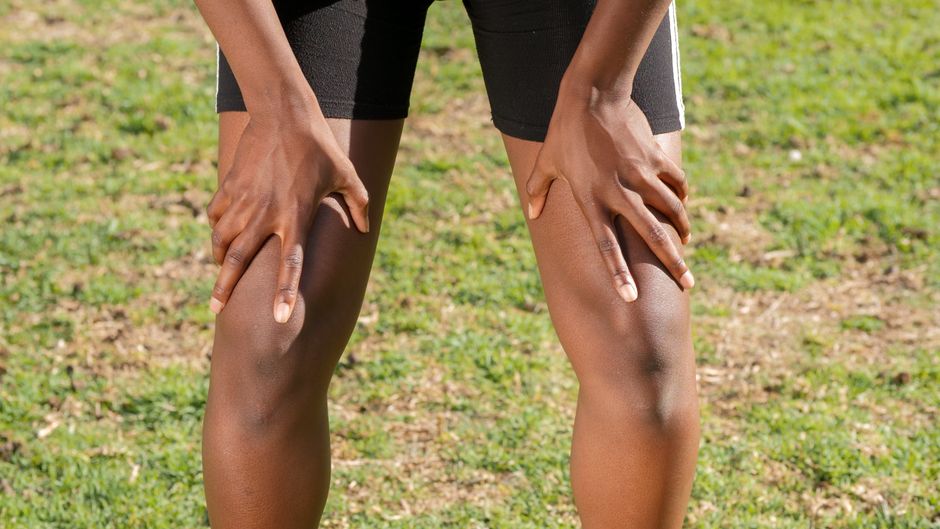
Getting Started with Low Impact Cardio for Bad Knees

If knee pain has been keeping you off the treadmill or away from group fitness classes, **low impact cardio for bad knees at home** is one of the smartest pivots you can make. Low impact doesn’t mean low effort — it means keeping at least one foot on the ground (or reducing joint stress significantly) so your cardiovascular system works hard while your knees stay protected. Research consistently shows that gentle, consistent movement actually helps reduce knee pain over time by strengthening the muscles that support the joint.
Before you start, set realistic expectations. Most beginners with knee issues should target **10–20 minutes of continuous movement** per session, three to four days per week, then gradually build toward the CDC-recommended 150 minutes of moderate cardio weekly. Tracking perceived exertion (aim for a 5–6 on a 1–10 scale) is more practical than heart rate monitors for most home exercisers. Always check with your doctor or a physical therapist before beginning a new exercise program, especially if your knee pain is related to a diagnosed condition like osteoarthritis or a prior surgery.
Identifying the right exercises early prevents frustration. The best options share a common trait: **fluid, controlled motion** that avoids sudden impact or deep knee flexion past 90 degrees. For a broader overview of cardio styles that work with your body — not against it — browse our cardio archive.
Quick pick: Compare top-rated Cardio options.
Equipment-Free Workouts for Bad Knees
**Walking** is the most accessible starting point. Focus on proper form: keep your chest lifted, engage your core, and land heel-to-toe with a natural stride — not a shuffle. Aim for a brisk pace where you can speak in short sentences but feel slightly breathless. Start with 15-minute walks and add 5 minutes each week.
**Water-based exercise** is arguably the gold standard for bad knees. The buoyancy of water reduces effective body weight by up to 90%, dramatically cutting joint load. Water walking, leg lifts, and flutter kicks are all exc nt. If you have access to a pool, even 20 minutes of water aerobics three times per week can yield meaningful cardiovascular gains.
**Bodyweight cycling motions** — like lying on your back and doing a slow “air bike” — can mimic cycling benefits without any equipment. Keep the range of motion comfortable and avoid bringing knees past a 90-degree bend.
- **Walking:** 15–30 min, brisk pace, heel-to-toe landing
- **Water aerobics:** 20–40 min, 3x/week, buoyancy reduces knee stress up to 90%
- **Air bike / supine cycling:** 3 sets of 60 seconds, controlled range of motion
Using Cardio Machines for Bad Knees

Home cardio equipment can be a game-changer for knee-friendly training. The **elliptical trainer** tops most physical therapists’ recommendation lists because the foot pedals follow an oval path that mimics walking without any heel strike impact. Set resistance low to start and focus on an upright posture — leaning forward excessively shifts stress onto the knees.
**Stationary bikes** (both upright and recumbent) are exc nt choices. For upright bikes, adjust the seat so your knee has a slight bend (about 25–35 degrees) at the bottom of the pedal stroke — full extension or deep flexion both increase stress. **Recumbent bikes** are often more comfortable for people with significant knee pain because the reclined position offloads body weight differently. Begin with 10–15 minutes at low resistance and build from there.
**Treadmill walking** (not running) at a slight incline of 1–2% can increase cardio intensity without adding impact. Avoid steep inclines above 5%, which can aggravate patellofemoral pain. Hold the rails lightly for balance only — gripping tightly changes your gait and reduces the workout benefit.
| Machine | Knee Impact Level | Best For | Starting Duration |
|---|---|---|---|
| Elliptical | Very Low | General cardio, weight loss | 10–20 min |
| Recumbent Bike | Very Low | Osteoarthritis, post-surgery | 10–15 min |
| Upright Bike | Low | Strength + cardio combo | 15–20 min |
| Treadmill (walk) | Low–Moderate | Functional fitness | 15–30 min |
Building a Weekly Routine That Protects Your Knees
Cardio alone won’t fully protect your knees — you need **supporting muscle strength**, particularly in the quads, hamstrings, glutes, and hip abductors. Stronger surrounding muscles act as shock absorbers, reducing the load transferred directly to the knee joint. Add two days per week of bodyweight strength work: wall sits (hold 20–45 seconds), glute bridges (3 sets of 15 reps), and clamshells (3 sets of 12–15 reps per side).
A sample weekly schedule for beginners:
- **Monday:** 20-min elliptical or brisk walk
- **Tuesday:** Strength (glute bridges, wall sits, clamshells)
- **Wednesday:** Rest or gentle stretching
- **Thursday:** 20-min stationary bike session
- **Friday:** Strength + 10-min walk
- **Saturday:** 25-min water aerobics or longer walk
- **Sunday:** Full rest
Track your progress every two weeks. If pain stays the same or decreases and your session duration is growing, you’re on the right track. If pain worsens after sessions, reduce duration by 25% and reassess before continuing.
Staying Motivated and Consistent
Consistency is the single biggest predictor of results, and it’s also the hardest part. One proven strategy is **habit stacking** — attaching your cardio session to an existing daily habit, like doing 20 minutes on the bike right after your morning coffee. This removes the decision-making friction that derails most routines.
Setting a mix of short-term and long-term goals keeps you engaged. A short-term goal might be completing four workouts this week; a long-term goal could be walking 30 consecutive minutes pain-free by month three. **Write both down** and revisit them weekly. Celebrating small wins — even just checking a box on a habit tracker — triggers the reward circuits that build lasting habits.
An accountability partner, whether a friend, an online community, or a fitness app, measurably increases follow-through. Studies on exercise adherence show that social commitment can improve consistency by up to 65%.
Eating Right for Better Joint Health
Nutrition plays a direct role in how your knees feel and recover. **Omega-3 fatty acids** (found in fatty fish, walnuts, and flaxseed) have strong evidence behind them for reducing joint inflammation. **Vitamin D and calcium** support bone density, which matters for the structures around the knee. Anti-inflammatory foods like leafy greens, berries, and olive oil also support recovery.
Hydration is often overlooked. Synovial fluid — the natural lubricant inside your knee joint — depends on adequate hydration. Aim for at least **8 cups (64 oz) of water daily**, more on workout days. Dehydration doesn’t just cause fatigue; it can make joints feel stiffer and more prone to irritation.
Practical meal prep tips:
- Prep a large batch of anti-inflammatory foods (salmon, quinoa, roasted vegetables) twice a week
- Keep walnuts or pumpkin seeds as go-to snacks
- Add a handful of leafy greens to smoothies for easy micronutrient coverage
- Avoid ultra-processed foods high in refined sugar, which can spike systemic inflammation
When to Consult a Healthcare Professional
Knowing when to push through discomfort versus when to stop is critical. **Mild muscle fatigue and slight joint achiness** that fades within an hour after exercise is generally normal. What warrants stopping and seeking professional guidance includes: sharp or stabbing knee pain during exercise, swelling that doesn’t subside within 24 hours, a feeling of the knee “giving out,” or any new grinding or clicking accompanied by pain.
A sports medicine physician or physical therapist can assess your specific knee mechanics and recommend tailored modifications. They may identify gait abnormalities, muscle imbalances, or alignment issues that a general exercise plan won’t address. **Don’t rely solely on online content** — including this article — as a substitute for professional evaluation if your symptoms are significant or worsening.
Alternative treatments like aquatic therapy, low-level laser therapy, or corticosteroid injections may be appropriate for some individuals and are worth discussing with your provider before assuming exercise alone is the answer.
Frequently Asked Questions (FAQ)
Q: Can I still do high-impact exercises if I have bad knees?
A: It’s best to avoid high-impact activities like running, jumping, or plyometrics until your knee pain is well-managed and you’ve built adequate supporting muscle strength. High-impact movements significantly increase joint load and can accelerate cartilage wear. Always get clearance from a healthcare professional before reintroducing impact exercise.
Q: How many days per week should I do low impact cardio with bad knees?
A: Aim for **3–5 days per week**, starting with shorter sessions of 15–20 minutes and building gradually. Rest days are essential — they allow joint tissues to recover and adapt. Listen to your body; if pain increases, pull back to 3 days and shorter durations.
Q: What home cardio equipment is best for someone with knee pain?
A: A **recumbent stationary bike** is the most consistently recommended option for people with significant knee pain because it distributes weight comfortably and allows a controlled range of motion. Elliptical machines are a close second for general knee-friendliness. Both are widely available for home use at various price points.
Q: Are there specific products that help with knee comfort during home cardio?
A: Knee compression sleeves can provide mild support and proprioceptive feedback during low impact workouts without restricting movement. A **supportive, cushioned exercise mat** helps with floor-based exercises like glute bridges and clamshells. Proper athletic footwear with adequate arch support and cushioning also meaningfully reduces impact stress traveling up through the knee.
Q: Does low impact cardio actually help reduce knee pain over time?
A: Yes — research consistently shows that gentle, consistent cardio combined with strengthening exercises helps reduce knee pain by building the supporting musculature around the joint. The key is starting at an appropriate intensity, progressing gradually, and avoiding movements that cause sharp pain.
Top Product Recommendations
| Product Name | Rating | Key Feature | Est. Price | Action |
|---|---|---|---|---|
| Top-rated recumbent exercise bike for bad knees | ★★★★★ | Editor-recommended recumbent exercise bike for bad knees from this guide | $18–$42 | Check Lowest Price on Amazon |
| Best-value knee compression sleeve for exercise | ★★★★☆ | Affordable knee compression sleeve for exercise — strong everyday results | $12–$28 | Check Lowest Price on Amazon |
| Premium cushioned exercise mat for home workouts | ★★★★☆ | Higher-end cushioned exercise mat for home workouts for visible, lasting results | $45–$95 | Check Lowest Price on Amazon |
Affiliate Disclosure: This post contains affiliate links. We may earn a commission if you buy through our links, at no extra cost to you.
Leave a Reply