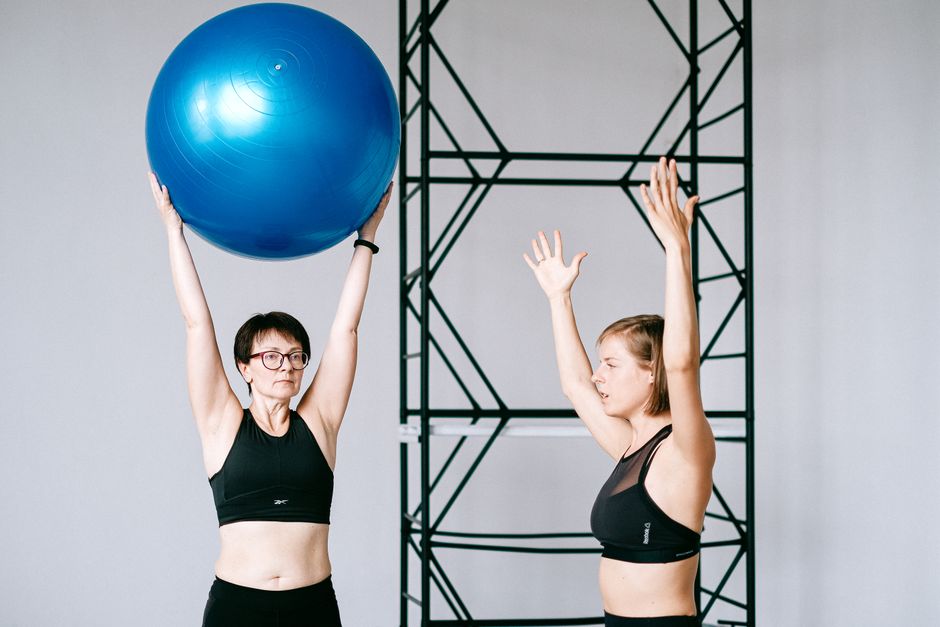
Getting fit after 40 doesn’t require a gym membership or a single piece of gear. A **home workout plan for women over 40 no equipment** can deliver real strength, better mobility, and lasting energy — starting today. This guide gives you a complete, structured plan built around your body’s changing needs, with beginner and advanced options for every move.
Best Exercises for Women Over 40
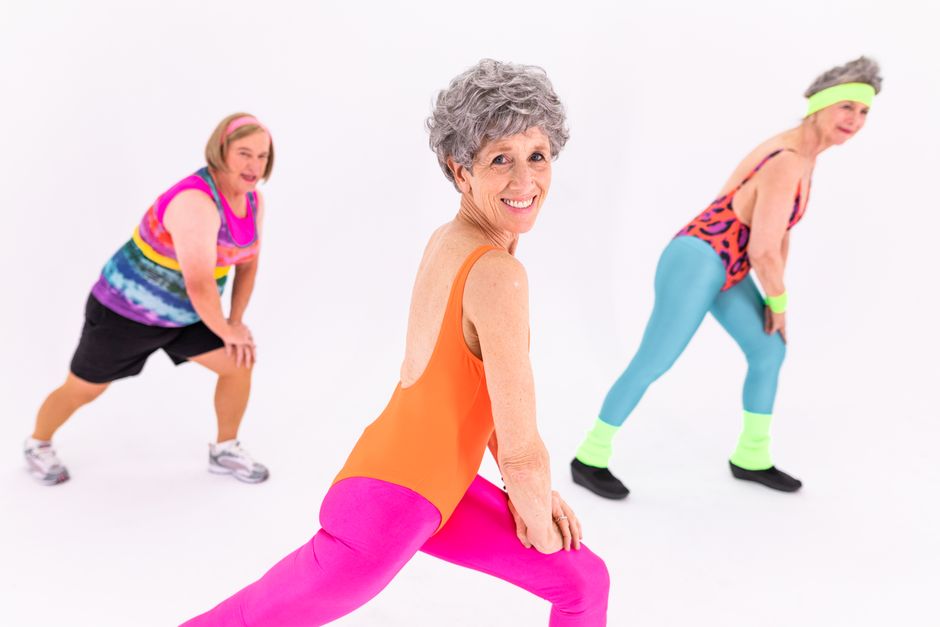
Bodyweight training is one of the most effective tools for women over 40 because it builds functional strength while protecting joints. These moves target the major muscle groups you need for everyday life — legs, core, glutes, and upper body.
- **Bodyweight squats** — feet shoulder-width apart, chest tall, sit back as if lowering into a chair; aim for 12–15 reps
- **Wall push-ups** — hands flat on wall at chest height, elbows at 45 degrees; great for shoulder-safe pressing strength
- **Glute bridges** — lie on your back, feet flat, drive hips up and squeeze at the top for 2 seconds; 15 reps
- **Modified burpees** — step back instead of jumping, stand up controlled; keeps heart rate up without knee impact
- **Seated leg extensions** — sit tall on a chair, extend one leg at a time, hold 2 seconds; builds quad strength safely
These five moves form the backbone of your weekly plan. Master the form before adding speed or volume. For more foundational guidance, explore our women’s fitness resources to build a routine that fits your life.
Quick pick: Compare top-rated Womens Fitness options.
Warm-Up and Cool-Down Routines
Skipping your warm-up after 40 is a fast track to injury. Connective tissue and joints need more time to prepare for load than they did in your 20s. Spend at least **5–7 minutes warming up** before every session.
- **Arm circles** (10 forward, 10 backward) and **shoulder shrugs** to open the upper body
- **Leg swings** — hold a wall, swing each leg front-to-back 10 times to mobilize hips
- **Walking lunges** — 8 reps per leg at a slow, controlled pace
- **Marching in place** — 60 seconds to elevate heart rate gradually
For your cool-down, hold each stretch for **20–30 seconds**:
- **Quad stretch** — stand on one leg, pull heel to glutes
- **Hamstring stretch** — seated or standing forward fold
- **Calf stretch** — hands on wall, back leg straight, heel pressed down
A proper cool-down reduces next-day soreness and supports long-term consistency.
Workout Structure and Timing
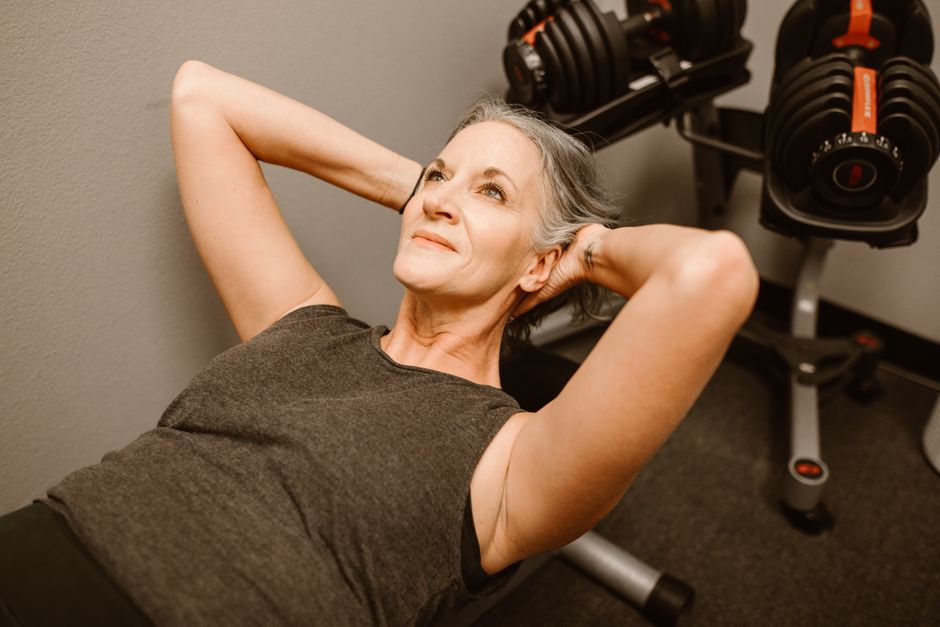
Structure is what separates a random sweat session from a plan that produces results. Use a **circuit format** to keep your heart rate elevated while still building muscular strength.
| Variable | Recommendation |
|---|---|
| Exercises per circuit | 3–4 moves |
| Work interval | 30 seconds per exercise |
| Rest between exercises | 10 seconds |
| Rounds per circuit | 3–4 rounds |
| Rest between circuits | 1–2 minutes |
| Total session length | 25–40 minutes |
This timing framework works whether you have 25 minutes or 45. Start with 3 rounds and build to 4 over the first month. **Consistency beats intensity** — three solid sessions per week outperform one punishing hour.
Building Cardiovascular Endurance
Cardiovascular health becomes increasingly important after 40, linked to heart health, metabolism, and mood. The good news: you can build real cardio endurance with zero equipment.
- **Marching in place** — low-impact, joint-friendly, easy to sustain for 2–3 minutes
- **Jumping jacks** — classic and effective; step-jack version available if jumping isn’t comfortable
- **High knees** — drive knees up to hip height, pump arms; 30-second bursts elevate heart rate fast
Start by inserting one 60-second cardio burst between circuits. Over 4–6 weeks, build toward **2–3 minutes of continuous cardio** between circuits. Focus on **steady, controlled breathing** — you should be able to speak in short sentences but not hold a full conversation.
Modifying Exercises for Different Fitness Levels
Every body is different, and fitness levels vary widely among women over 40. Use these modifications to meet yourself where you are — then progress when you’re ready.
**Beginner modifications:**
- Squats: use a sturdy chair behind you for confidence and range control
- Push-ups: stay at the wall or drop to an inclined surface like a countertop
- Glute bridges: smaller range of motion; skip the 2-second hold until strength builds
- Burpees: walk through every step slowly; no jumping at any point
**Advanced progressions:**
- Squats: add a 3-second hold at the bottom (isometric) or single-leg variation
- Push-ups: move to a lower incline (couch arm, then floor)
- Glute bridges: single-leg version with the other leg extended
- Burpees: add the jump back and jump up for full intensity
Progress should feel **gradual and sustainable**. If a move causes sharp pain — not muscle fatigue — stop and substitute.
Staying Motivated and Consistent
Motivation gets you started; **systems keep you going**. Women over 40 often juggle work, family, and health demands simultaneously, which makes a simple, repeatable structure essential.
- **Set process goals**, not just outcome goals — “I will work out 3 times this week” beats “I will lose 10 pounds”
- **Track your workouts** in a simple notebook or phone app — seeing your streak builds momentum
- **Find a workout buddy** or join an online fitness community for accountability on low-energy days
- **Reward milestones** — four consecutive weeks of workouts earns a non-food treat you genuinely value
Research consistently shows that **habit stacking** — linking your workout to an existing routine like morning coffee or lunch break — dramatically improves follow-through. Keep your plan visible and your barrier to starting as low as possible.
Nutrition and Hydration Tips
Exercise is only half the equation. What you eat and drink directly affects your energy, recovery, and results — especially after 40 when metabolism and hormonal shifts change how your body processes food. Building a sustainable routine starts with fueling your body right — check out our women’s fitness hub for nutrition and movement tips that work together.
- **Hydration:** drink at least 8–10 oz of water before your workout, sip during, and rehydrate after; dehydration accelerates fatigue and muscle cramps
- **Protein:** aim for **20–30g of protein per meal** to support muscle repair; eggs, Greek yogurt, legumes, and lean meats are practical choices
- **Healthy fats:** avocado, nuts, and olive oil support joint health and hormone balance
- **Limit ultra-processed foods and sugary drinks** — they spike energy briefly but deepen fatigue and inflammation
You don’t need a strict diet plan. Focus on whole foods most of the time, and treat pre-workout nutrition as fuel, not a reward.
When to Consult a Healthcare Professional
This plan is designed for generally healthy women, but there are clear situations where professional guidance matters more than any workout article.
- **Pain during exercise** — joint pain, chest tightness, or shortness of breath beyond normal exertion are signals to stop immediately
- **Pre-existing conditions** — osteoporosis, hypertension, diabetes, or recent surgeries require individualized modifications from a doctor or physical therapist
- **Starting fresh after 40** — if you’ve been sedentary for more than a year, a quick check-in with your physician before beginning is smart and often reassuring
A healthcare professional can also help you identify whether hormonal changes (perimenopause, menopause) are affecting your energy, recovery, or body composition in ways this plan should account for. **Fitness and medicine work best together.**
Frequently Asked Questions (FAQ)
Q: Can I really get fit without using any equipment?
A: Yes. Bodyweight training builds genuine strength, cardiovascular endurance, and flexibility. Consistency and progressive difficulty — not equipment — drive results. Women using bodyweight-only routines regularly report meaningful improvements in strength and energy within 6–8 weeks.
Q: How often should I do this workout plan?
A: Three sessions per week with at least one rest day between workouts is the sweet spot for women over 40. This frequency allows adequate muscle recovery while building a consistent habit. After 6–8 weeks of solid adherence, you can add a fourth session if energy and recovery support it.
Q: What equipment or gear should I buy to support this plan at home?
A: While this plan requires zero equipment, a **non-slip exercise mat** makes floor work more comfortable, and **resistance bands** are a low-cost way to add challenge to squats and glute bridges when bodyweight alone becomes too easy. Both are inexpensive and widely available online.
Q: Is this plan safe if I’ve never exercised regularly before?
A: This plan includes beginner modifications specifically designed for women starting from scratch. Begin with the gentler variations, move at a slow pace, and listen to your body. If you have any medical conditions or concerns, consult your healthcare provider before beginning.
Top Product Recommendations
| Product Name | Rating | Key Feature | Est. Price | Action |
|---|---|---|---|---|
| Top-rated non-slip exercise mat for home workouts | ★★★★★ | Editor-recommended non-slip exercise mat for home workouts from this guide | $18–$42 | Check Lowest Price on Amazon |
| Best-value resistance bands for women | ★★★★☆ | Affordable resistance bands for women — strong everyday results | $12–$28 | Check Lowest Price on Amazon |
| Premium home fitness equipment for beginners | ★★★★☆ | Higher-end home fitness equipment for beginners for visible, lasting results | $45–$95 | Check Lowest Price on Amazon |
Affiliate Disclosure: This post contains affiliate links. We may earn a commission if you buy through our links, at no extra cost to you.
Leave a Reply