{## The Bottom Line Up Front
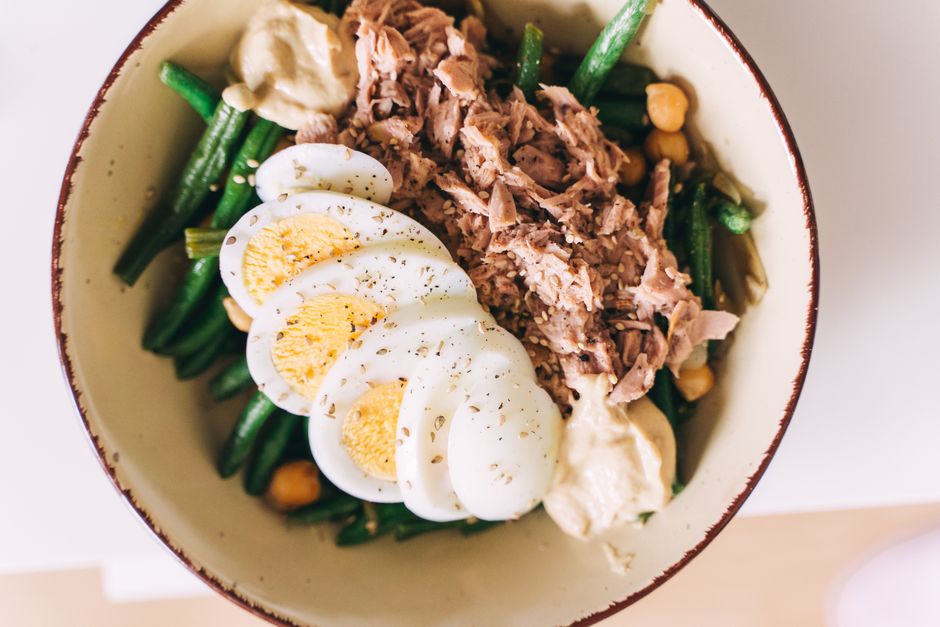
If you want to lose weight without spending a fortune, **high protein meal prep for weight loss on a budget** is one of the most effective strategies you can adopt right now. Protein keeps you full longer, preserves lean muscle during a calorie deficit, and costs far less per gram than most people assume. This guide gives you a practical framework — from macros to meal ideas to grocery shopping — so you can start this week without overhauling your entire routine or your wallet.
—
Macro Nutrition Basics for Weight Loss
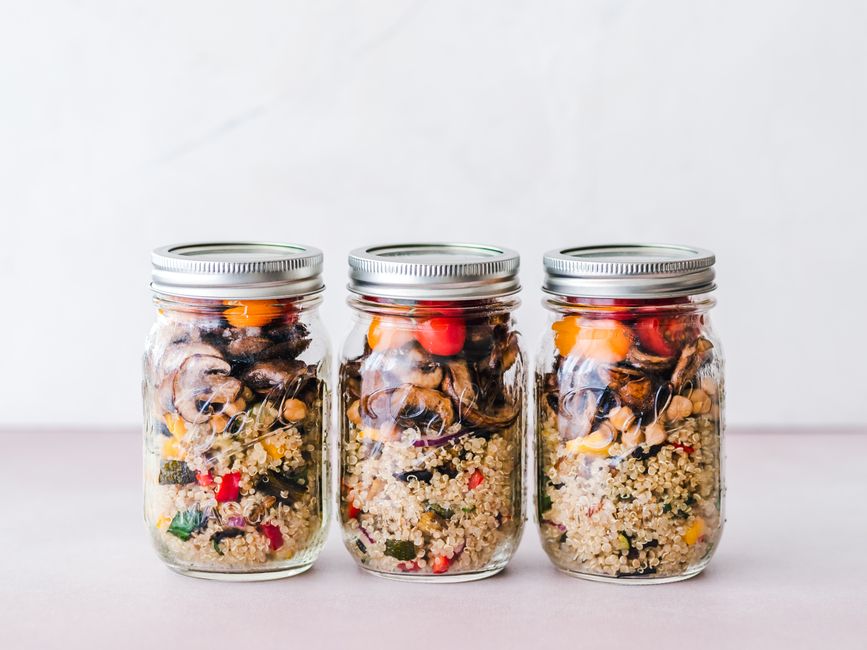
Protein, carbohydrates, and fat each play a distinct role in a sustainable weight loss plan. Protein supports muscle retention and increases satiety hormones, which naturally reduces overall calorie intake. Carbs fuel workouts and daily activity, while healthy fats support hormone production and nutrient absorption.
A widely used protein target is **0.7–1.0 grams per pound of body weight** — a 160-pound person aims for roughly 112–160g daily. If you’re actively strength training, work toward the higher end. A moderate calorie deficit of 300–500 calories per day supports steady fat loss without draining your energy. Keep protein high, moderate carbs around your activity level, and avoid dropping fat below 20% of total calories — doing so tends to backfire on energy and hormones.
—
Quick pick: Compare top-rated Weight Loss options.
Meal Planning Strategies That Boost Protein Intake
A weekly meal plan eliminates the decision fatigue that leads to fast food runs. Block out **one or two prep sessions per week** — Sunday and Wednesday work well — and batch-cook your protein sources in advance. Grilled chicken, hard-boiled eggs, and cooked lentils all reheat well and take under 30 minutes to prepare in quantity.
Pair proteins with quality carbs and fats for meals that actually satisfy: chicken thighs over roasted sweet potato with leafy greens, or eggs with oats and a tablespoon of nut butter. If afternoon hunger is a persistent problem, the solution is usually adding 15–20g more protein to lunch rather than relying on willpower. Keep **Greek yogurt, string cheese, or a hard-boiled egg** accessible as default snacks.
—
Affordable High-Protein Foods for Meal Prepping
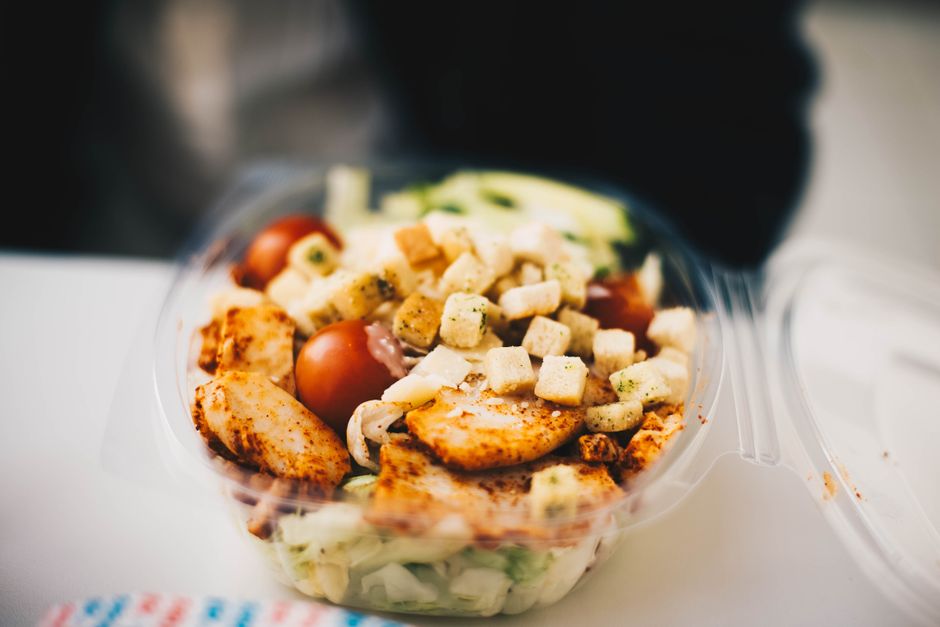
Budget-friendly protein sources include some of the most nutritious foods on the shelf:
- **Eggs** — ~$0.15–0.20 each, ~6g protein
- **Canned tuna or sardines** — $1–2 per can, 20–25g protein
- **Dried lentils** — under $2/lb, ~18g protein per cooked cup
- **Canned chickpeas** — $1–1.50 per can, ~15g protein
- **Bone-in chicken thighs** — often $1–1.50/lb, more economical than breasts
- **Cottage cheese** — $3–4 for a large tub, 25g protein per cup
- **Frozen edamame** — $3–4 per bag, ~17g protein per cup
Round out meals with affordable, fiber-rich vegetables — broccoli, spinach, frozen mixed vegetables — plus filling carb staples like brown rice, oats, and whole grain pasta that stretch your grocery budget without inflating your calorie count.
—
Quick and Easy High-Protein Recipes for Meal Prep
**Breakfast options** that batch-prep in under 20 minutes:
- **Egg muffins** — whisk 8 eggs with diced peppers, spinach, and turkey; fill a greased muffin tin; bake at 375°F for 18 minutes. ~7g protein each.
- **Protein oatmeal** — cook rolled oats in milk instead of water, stir in a scoop of protein powder after cooking. Hits 30g+ protein per bowl.
**Lunch and dinner ideas** that scale to 4–5 servings:
- **Chicken and quinoa bowl** — grilled chicken thighs over quinoa with roasted broccoli and lemon-tahini drizzle. ~40g protein per serving.
- **Lentil soup** — dried lentils, canned tomatoes, cumin, and chicken broth simmered 30 minutes. ~18g protein, under $1 per serving.
- **Tuna and white bean salad** — canned tuna, rinsed white beans, celery, red onion, olive oil, and lemon. ~35g protein, zero cooking required.
**Snacks** worth prepping ahead: cottage cheese with berries (25g protein), Greek yogurt parfaits (15–20g), and homemade energy balls made with oats and protein powder (~10g each).
—
Meal Prep and Food Safety Tips for High-Protein Diets
Cooked proteins — chicken, fish, eggs — should be refrigerated within **two hours of cooking** and consumed within 3–4 days. Label containers with the prep date to avoid any guesswork.
Invest in **glass or BPA-free containers** with tight-fitting lids. Glass is microwave-safe, resists odors, and lasts longer than cheap plastic. Uniform container sizes simplify portioning and stacking. Store dressings and sauces separately until serving — greens wilt and proteins can turn rubbery when dressed too early. Freeze any portions you won’t eat within four days and thaw overnight in the refrigerator.
—
Supplementing Your High-Protein Diet for Optimal Weight Loss
Protein supplements are a convenience tool, not a requirement — but they’re genuinely useful when whole-food protein is difficult to hit consistently. **Whey protein** is the most studied option and absorbs quickly, making it effective post-workout. Plant-based blends (pea, rice, or combined) are solid alternatives for those avoiding dairy.
When reading labels, look for **20–25g protein per serving**, under 5g added sugar, and a short ingredient list. Avoid products that lean heavily on fillers or proprietary blends that hide actual protein content. A typical quality tub costs $1–1.50 per serving — cheaper per gram than most restaurant meals. A shake used as a breakfast base or afternoon snack can help you hit daily targets without much effort.
—
Budget vs. Convenience: Protein Source Comparison
| Protein Source | Cost per 25g Protein | Prep Time | Shelf Life |
|---|---|---|---|
| Dried lentils | ~$0.30 | 25 min | 1 year+ dry |
| Canned tuna | ~$0.60 | 0 min | 3–5 years |
| Eggs (4 large) | ~$0.70 | 10 min | 3–5 weeks |
| Chicken thighs | ~$0.90 | 25 min | 3–4 days cooked |
| Cottage cheese | ~$1.10 | 0 min | 1–2 weeks |
| Whey protein powder | ~$1.25 | 2 min | 1–2 years |
Lentils and canned tuna deliver the lowest cost per gram of protein. Protein powder wins on convenience — minimal prep with a long shelf life makes it a strong complement to whole-food sources, not a replacement.
—
Tracking Your Progress and Staying Motivated
Set **specific, measurable goals** rather than vague intentions. “Prep five high-protein meals by Sunday” is more actionable than “eat healthier this week.” Track body weight weekly (same day, same time, same conditions) and look at the trend over 3–4 weeks rather than reacting to daily fluctuations.
Progress photos and energy levels are often more informative than the scale alone — especially when you’re building muscle while losing fat. Log your meals for at least two to four weeks using a free app to confirm you’re hitting protein targets consistently. When motivation dips, revisit your original reason for starting rather than seeking a new program. Consistency with a simple approach beats perfection with a complicated one.
If you’re not seeing progress after 3–4 weeks of consistent effort, consider consulting a registered dietitian. Underlying health factors can affect fat loss, and a professional can help you rule them out and adjust your approach. Explore more evidence-based strategies in our weight loss resource hub.
—
Frequently Asked Questions
**How much protein do I actually need to lose weight?**
A practical starting point is 0.7–1.0g per pound of body weight daily. If you’re strength training regularly, lean toward the higher end. This range supports muscle retention during a calorie deficit, which is key for a healthy body composition as you lose fat.
**What are the cheapest high-protein foods for meal prep?**
Dried lentils, canned tuna, eggs, and bone-in chicken thighs consistently offer the best protein per dollar. Cottage cheese and frozen edamame are close behind. Buying in bulk and choosing store brands lowers costs further.
**Can I lose weight eating the same meal-prepped food every day?**
Yes — many people find that routine actually makes adherence easier. Rotating between two or three core meals prevents palate fatigue while keeping prep simple. The goal is a sustainable system, not culinary variety for its own sake.
**How long does meal-prepped high-protein food stay fresh?**
Cooked proteins (chicken, fish, eggs) stay safe in the refrigerator for 3–4 days in airtight containers. Freeze anything beyond that window and thaw overnight in the fridge before eating. Label containers with the prep date.
**Do I need protein powder to hit my daily targets?**
No — whole foods can cover your protein needs. Protein powder is a convenient supplement for days when cooking isn’t practical or you’re consistently falling short on targets. It’s a tool, not a requirement.
**Is high-protein meal prep suitable for vegetarians?**
Absolutely. Lentils, chickpeas, black beans, tofu, tempeh, cottage cheese, Greek yogurt, and eggs are all vegetarian-friendly protein sources that work well for meal prep and fit comfortably within a budget.
**How do I avoid getting bored with meal prep?**
Rotate your protein source weekly, switch up the seasoning profile (Mexican, Mediterranean, Asian-inspired), and vary your vegetables and grains. The base strategy stays the same while the flavors change enough to keep meals interesting.
Top Product Recommendations
| Product Name | Rating | Key Feature | Est. Price | Action |
|---|---|---|---|---|
| Best Weight Loss Pick | ★★★★★ | Top-rated overall | $25–$45 | Check Lowest Price on Amazon |
| Budget Weight Loss Option | ★★★★☆ | Great for beginners | $12–$28 | Check Lowest Price on Amazon |
| Premium Weight Loss Choice | ★★★★☆ | Pro-level results | $50–$90 | Check Lowest Price on Amazon |
Affiliate Disclosure: This post contains affiliate links. We may earn a commission if you buy through our links, at no extra cost to you. Medical Disclaimer: This content is for informational purposes only and is not medical advice. Consult a healthcare professional before changing diet or exercise.
Leave a Reply