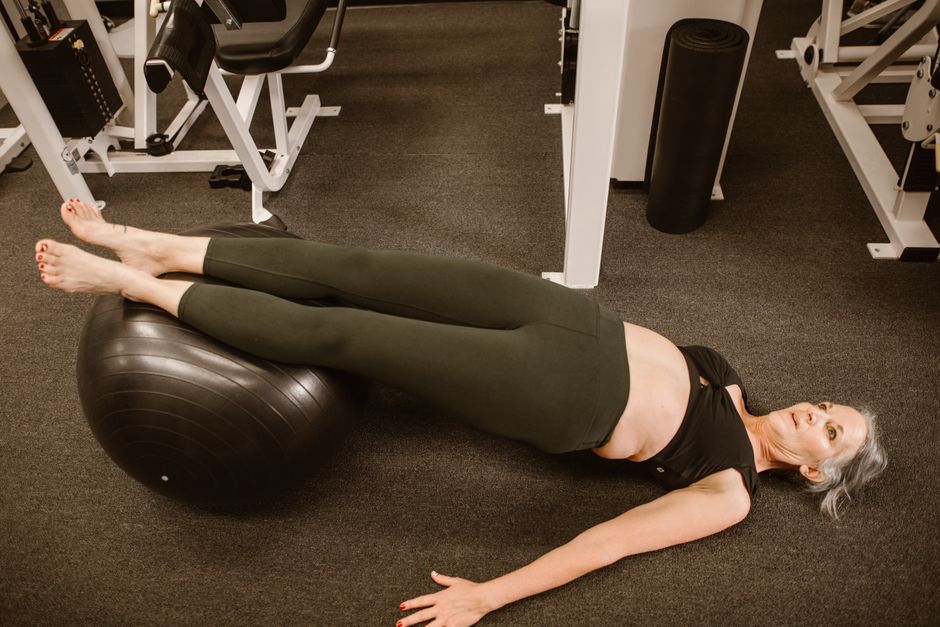
Why a Home Workout Plan for Women Over 40 Makes All the Difference
Turning 40 is not a finish line — it is a starting point. If you have been putting your fitness on hold because the gym feels intimidating, you do not have a gym membership, or you simply do not know where to begin, a home workout plan for women over 40 with no equipment is one of the most practical and effective choices you can make. Exercising after 40 supports bone density, preserves muscle mass, boosts metabolism, and helps manage stress hormones that tend to shift during perimenopause and menopause.
The beauty of working out at home is that you control the environment. No waiting for machines, no comparing yourself to younger gym-goers, and no commute time eating into your day. With as little as 20 to 30 minutes, you can build a sustainable routine that grows with you over months and years. This guide walks you through a complete no-equipment workout structure designed specifically for women in their 40s, 50s, and beyond, covering warm-ups, cardio, strength, balance, flexibility, and recovery.
Quick pick: Compare top-rated Womens Fitness options.
Warm-Up and Stretching: Your Foundation Before Any Movement
Skipping a warm-up is one of the most common mistakes beginners make, and it becomes increasingly important after 40 when joints need a little extra care. A good warm-up gradually raises your heart rate, increases blood flow to your muscles, and signals to your nervous system that you are about to move. Spend at least 5 to 7 minutes on a dynamic warm-up before every session.
Start with **arm circles** — small circles that gradually grow larger in both directions. Follow with **hip circles**, rotating your pelvis in each direction for 8 to 10 repetitions. **Knee lifts** to chest height while standing, alternating legs for 12 to 15 reps, fire up your core and hip flexors. **Bodyweight squats** with no weight, performed slowly and with full range of motion, prep your legs for the strength section ahead.
After your workout, static stretching helps maintain flexibility. Hold each stretch for 20 to 30 seconds without bouncing. Focus on your hamstrings, calves, chest, shoulders, and lower back — areas that tend to tighten with age and desk-bound lifestyles. Never stretch cold muscles; always stretch after your cool-down when muscles are warm and pliable.
Cardiovascular Exercises: Protecting Your Heart Without a Treadmill
Cardiovascular health becomes a bigger priority after 40, especially as estrogen levels decline and cardiovascular risk factors shift. The good news is that you do not need a treadmill, elliptical, or stair climber to get your heart rate into an effective zone. Bodyweight cardio is surprisingly effective when done with intention and proper form.
**Marching in place** is a low-impact starting point. Keep your knees lifting to hip height, swing your arms naturally, and aim for 2 to 3 minutes to start. As endurance builds, extend to 5 minutes continuously. **High knees** are a more intense variation — drive your knees toward your chest while pumping your arms. Start with 20-second intervals and build toward 45 seconds as your stamina improves.
**Jumping jacks** remain a classic for good reason. They engage your full body, elevate your heart rate quickly, and require zero coordination or equipment. Modify by stepping side to side instead of jumping if joint sensitivity is a concern. **Burpee modifications** — stepping back into a plank one leg at a time and stepping forward instead of jumping — allow you to get the cardiovascular benefit without the high-impact landing stress on knees and hips. Aim for 3 to 4 cardio sessions per week, each lasting 20 to 30 minutes including warm-up and cool-down.
Strength Training: Building and Preserving Lean Muscle After 40
This is the section many women over 40 overlook, and it is arguably the most important. After age 30, women lose approximately 3 to 8 percent of muscle mass per decade, a process called sarcopenia. Strength training slows and can even reverse this trend. And no — you will not “bulk up.” Without heavy weights and male-level testosterone, building a significant amount of bulky muscle simply is not a realistic concern for most women.
Here are five foundational no-equipment strength moves:
- **Wall push-ups** — Stand facing a wall, place hands flat against it at shoulder height, and lower your chest toward the wall by bending your elbows. Great for building upper body strength safely. Progress to standard push-ups on your knees as strength improves.
- **Assisted squats** — Stand with feet hip-width apart, extend your arms forward for balance, and lower your hips back and down as if sitting in a chair. Work toward 12 to 15 reps per set.
- **Glute bridges** — Lie on your back with knees bent and feet flat on the floor. Press through your heels to lift your hips toward the ceiling, squeezing your glutes at the top. Exc nt for posterior chain and lower back support.
- **Plank holds** — Hold a forearm plank position with your body in a straight line from head to heels. Start with 15 to 20 seconds and work up to 45 seconds or longer. Modify on your knees.
- **Step-ups** — Using a sturdy bottom step or the bottom stair, step up with one foot, bring your other foot to meet it, then step back down. Alternate leading legs. Builds leg strength and functional mobility.
Perform 2 to 3 sets of 10 to 15 repetitions for each exercise. Rest 60 to 90 seconds between sets. As you grow stronger, increase reps before adding more sets. Strength train 2 to 3 times per week, giving at least one full day between sessions for muscle recovery.
Balance and Stability: Preventing Falls Before They Happen
Falls become a greater concern for women after 40 due to shifts in proprioception, joint stability, and hormonal changes affecting connective tissue. Working on balance does not require fancy balance boards or Bosu balls — your own body weight and a wall for support are enough to make meaningful improvements.
**Single-leg stands** are the foundation of balance training. Stand on one foot near a wall or chair for support, and hold for 20 to 30 seconds. Switch legs. As this becomes easy, practice without touching the support. **Heel-to-toe walking** — walking in a straight line placing the heel of one foot directly in front of the toes of the other — challenges your balance and coordination. Take 10 to 15 steps forward, then reverse backward.
**Bird dogs** are an exc nt exercise that combines balance with core and back strength. On hands and knees, extend your right arm forward and left leg backward simultaneously, hold for 3 to 5 seconds, and return. Alternate sides for 8 to 10 reps per side. **Side-lying leg lifts** strengthen the outer hip muscles that stabilize your pelvis during walking and standing, which is critical for fall prevention as you age.
Incorporate balance exercises 3 to 4 times per week, either as part of your strength sessions or as standalone 10-minute routines. Progress slowly — small improvements compound over weeks into real-world stability and confidence.
Core and Pelvic Floor: Supporting Your Body From the Inside Out
Core strength matters more as you get older, not just for aesthetics but for functional movement, posture, and daily comfort. After 40, especially around the perimenopause transition, many women also benefit from being mindful of their pelvic floor health — though this is not a replacement for seeing a pelvic floor physical therapist if you have specific concerns.
**Dead bugs** are a gentle and highly effective core exercise. Lie on your back with arms extended toward the ceiling and knees bent at 90 degrees. Lower one leg and the opposite arm toward the floor simultaneously, keeping your lower back pressed into the floor. Return and switch sides. This builds deep core coordination without spinal loading.
**Modified crunches** — gently curling your shoulders off the floor without pulling on your neck — engage the upper abs safely. Avoid sit-ups or full crunches that place compressive force on the spine. **Cat-cow stretches** on hands and knees move your spine through its full range of motion, reducing stiffness and supporting disc health in your lower back.
Practice core work 3 times per week. Consistency matters far more than intensity. If you feel any doming or bulging in your lower abdominal wall during any core exercise, ease back and consult a healthcare professional before continuing.
Nutrition and Hydration: Fueling Your Workouts After 40
Exercise and nutrition work as a team. After 40, your body is more sensitive to changes in blood sugar, and hormonal shifts can affect hunger signals and how your body stores fat. Prioritizing whole foods, adequate protein, and consistent hydration supports both your workouts and your overall energy levels.
**Protein needs actually increase with age** to support muscle preservation. Aim for 0.45 to 0.6 grams of protein per pound of body weight daily. Good no-equipment-friendly sources include eggs, Greek yogurt, cottage cheese, chicken breast, fish, legumes, and tofu. Spread your protein intake across all meals rather than loading it all at dinner.
**Stay hydrated** before, during, and after exercise. Dehydration can masquerade as fatigue, dizziness, or brain fog — symptoms that many women in their 40s might attribute to hormonal changes instead. Aim for at least 8 glasses of water daily, and increase that amount on days you exercise or if you live in a warm climate. Adding electrolytes or a pinch of sea salt to your water can help with absorption if you sweat heavily.
Cool-Down and Recovery: Why Rest Is Not Laziness
Cooling down after a workout is not optional — it is when your body actually adapts to the work you just did. A proper cool-down gradually lowers your heart rate, prevents blood pooling in your legs, and helps clear metabolic waste products from your muscles. Skipping it increases feelings of stiffness and soreness the next day.
Spend 5 minutes walking in place at a slow, comfortable pace, gradually reducing your speed until you are barely moving. Follow with the static stretches from your warm-up section, holding each for 30 seconds. **Foam rolling** with a firm cylinder — available inexpensively online — can help release trigger points in your calves, quads, and upper back, though it is not a replacement for stretching.
Rest days are when muscle growth actually happens. Aim for at least 1 to 2 full rest days per week. Active recovery on off days — a gentle 20-minute walk, light stretching, or a leisurely swim — promotes blood flow without breaking down muscle tissue. Listen to your body. If you feel unusually fatigued, sore beyond the normal range, or notice joint pain that does not resolve within a few days, consult a healthcare professional before pushing through.
A Sample Weekly Schedule for Women Over 40 at Home
Below is a simple template to organize your week. Adjust the duration and intensity to match your current fitness level and build from there.
| Day | Workout Type | Duration | Key Focus |
|---|---|---|---|
| Monday | Strength Training | 25–30 min | Upper body and core |
| Tuesday | Cardio + Balance | 25–30 min | Heart health and stability |
| Wednesday | Rest or Active Recovery | 20–30 min | Walk, stretch, mobility |
| Thursday | Strength Training | 25–30 min | Lower body and glutes |
| Friday | Full Body Cardio | 25–30 min | Intervals, full-body circuits |
| Saturday | Flexibility & Balance | 20–25 min | Yoga-style stretching, balance work |
| Sunday | Rest | — | Full rest, hydration, nutrition focus |
Notice that strength training is distributed across the week rather than crammed into one or two marathon sessions. This frequency matters more than session length when you are working without equipment.
Frequently Asked Questions (FAQ)
Q: What is the best time of day to work out for women over 40?
A: The best time is whenever you can consistently show up. Some women find morning workouts easier to protect from schedule disruptions, while others have more energy and better form in the afternoon. If you are managing sleep disruptions common in perimenopause, experimenting with both windows and listening to your energy patterns will tell you more than any general recommendation.
Q: How often should women over 40 do a home workout?
A: Most health organizations recommend at least 150 minutes of moderate aerobic activity per week plus 2 strength training sessions targeting all major muscle groups. That translates to roughly 3 to 5 workouts per week, balanced with rest days. Starting with 2 to 3 sessions per week and gradually adding frequency is a smart approach if you are new to regular exercise.
Q: Can a woman over 40 start a home workout plan with no prior fitness experience?
A: Absolutely. In fact, many women find home workouts less intimidating than gym environments when starting out. Begin with the modified versions of each exercise described in this guide, prioritize perfect form over high repetitions, and progress slowly. If you have any pre-existing conditions such as heart disease, unmanaged high blood pressure, osteoporosis, or joint replacement history, consult your physician before beginning any new exercise program.
Q: How long does it take to see results from a home workout plan?
A: Most beginners notice improvements in energy, sleep quality, and mood within 2 to 3 weeks. Visible changes in strength and body composition typically appear within 6 to 8 weeks of consistent training. Remember that sustainable fitness improvements happen gradually — the women who get the best long-term results are the ones who prioritize consistency over intensity.
Top Product Recommendations
| Product Name | Rating | Key Feature | Est. Price | Action |
|---|---|---|---|---|
| Best Womens Fitness Pick | ★★★★★ | Top-rated overall | $25–$45 | Check Lowest Price on Amazon |
| Budget Womens Fitness Option | ★★★★☆ | Great for beginners | $12–$28 | Check Lowest Price on Amazon |
| Premium Womens Fitness Choice | ★★★★☆ | Pro-level results | $50–$90 | Check Lowest Price on Amazon |
Affiliate Disclosure: This post contains affiliate links. We may earn a commission if you buy through our links, at no extra cost to you.
Leave a Reply