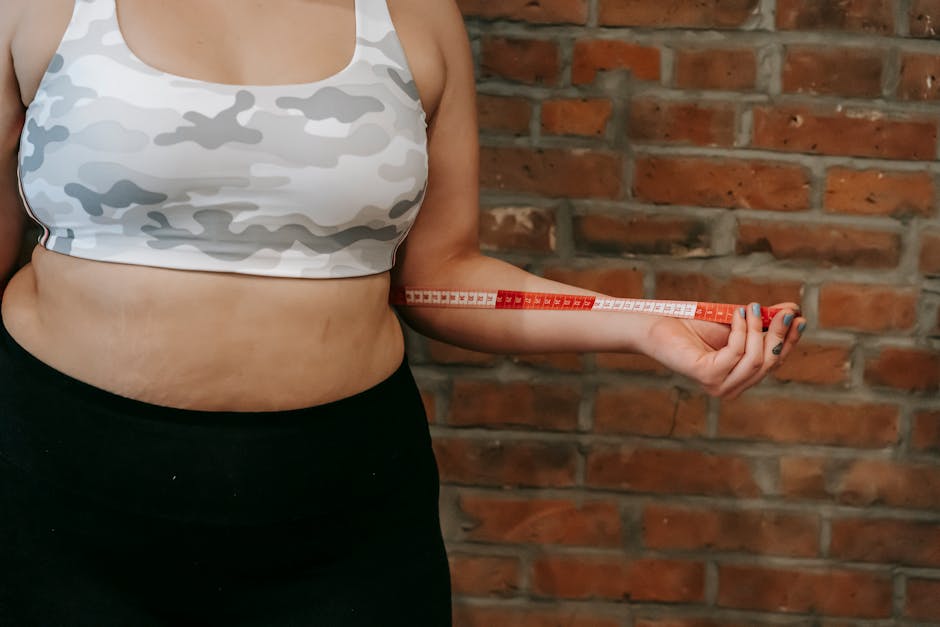
Understanding Weight Loss
Weight loss is a term you’ll hear constantly, but what does it actually mean for your body? In the simplest terms, weight loss refers to a reduction in your total body weight — and that number on the scale can come from fat, muscle, water, or a combination of all three. The key distinction here is that not all weight loss is created equal. **Fat loss** is what most people are actually after, because losing muscle mass can slow your metabolism and make it harder to keep the weight off long-term.
A balanced approach to weight loss means targeting fat stores while preserving lean muscle tissue. This requires attention to both nutrition and physical activity, not just cutting calories blindly. When you lose weight the right way, you’re likely to feel more energetic, move better, and maintain your results far beyond the initial few weeks. Rapid, extreme calorie restriction often leads to muscle loss and metabolic slowdown — a frustrating cycle that sets many people up for failure before they even get started.
Before diving into any weight-loss program, it helps to understand that this is a gradual process. Health professionals generally recommend aiming for **1 to 2 pounds per week** as a sustainable target. Anything faster than that typically signals muscle loss or severe dehydration rather than genuine fat reduction. Understanding this foundation sets the stage for every other decision you’ll make on your fitness journey.
Setting Realistic Weight Loss Goals
One of the biggest mistakes people make is setting goals that are too ambitious right out of the gate. A more effective strategy is to start by determining a healthy weight range for your body type, age, and activity level. Rather than chasing a number you saw on a celebrity’s Instagram post, focus on what feels sustainable and realistic for your life circumstances.
**BMI (Body Mass Index)** is a common tool that estimates whether your weight falls within a healthy range relative to your height. While BMI doesn’t measure body fat directly, it provides a general benchmark. A BMI between 18.5 and 24.9 is typically considered healthy for most adults. However, athletes with high muscle mass may register as overweight on BMI charts despite having very low body fat — another reminder that numbers aren’t everything.
Breaking your overall goal into short-term and long-term milestones makes the process feel less overwhelming. For example, a long-term goal might be losing 30 pounds over six months, while short-term goals could focus on losing 1 to 2 pounds per week for the next four weeks. Celebrating these smaller victories along the way keeps your motivation fresh and reinforces the behaviors that actually drive lasting change. Keep in mind that weight loss is rarely linear — some weeks you may lose more, and other weeks you may stall due to water retention or hormonal factors.
Creating a Calorie Deficit
At its core, weight loss comes down to a simple equation: you need to burn more calories than you consume. This is what fitness experts call a **calorie deficit**, and it’s the foundation of nearly every evidence-based weight-loss program. A deficit of roughly 3,500 calories equals approximately one pound of body fat, which means creating a daily deficit of 500 calories through diet, exercise, or both can lead to about one pound of fat loss per week.
Calculating your daily calorie needs starts with understanding your **Basal Metabolic Rate (BMR)** — the number of calories your body burns just to maintain basic functions like breathing and circulation. You then multiply your BMR by an activity factor that reflects how active you are daily. Online calculators and fitness tracking apps can estimate these numbers, though they’re approximations rather than exact science.
Strategies for reducing calorie intake without feeling constantly deprived include prioritizing **protein and fiber-rich foods**, which promote satiety and help you feel full longer. Swapping sugary beverages for water or unsweetened alternatives, choosing smaller portions, and batch-cooking healthy meals in advance are all practical habits that add up quickly. The goal isn’t to suffer through every meal — it’s to build a sustainable eating pattern that supports your goals without turning food into a constant source of stress.
| Calorie Deficit Strategy | Daily Deficit Impact | Weekly Fat Loss Estimate |
|---|---|---|
| Moderate diet adjustment | 250–300 calories | 0.5 pounds |
| Increased cardio activity | 200–250 calories | 0.4 pounds |
| Combined diet + exercise | 500 calories | 1 pound |
| Aggressive but sustainable | 750 calories | 1.5 pounds |
Increasing Physical Activity
Exercise is a powerful ally in any weight-loss effort, offering benefits that extend far beyond just burning calories. Regular physical activity boosts your metabolism, improves insulin sensitivity, supports bone health, and releases endorphins that enhance mood and reduce stress. Most health organizations recommend at least **150 minutes of moderate aerobic exercise per week**, with additional strength training sessions to preserve and build lean muscle mass.
When it comes to exercises that promote weight loss, a combination of **cardio and resistance training** tends to deliver the best results. Steady-state cardio — such as brisk walking, cycling, or swimming — efficiently burns calories during the activity itself. High-intensity interval training (HIIT) alternates short bursts of intense effort with recovery periods, continuing to burn calories at an elevated rate even after you’ve finished your workout.
Finding an exercise routine that works for you is crucial, because consistency matters far more than intensity. If you dread your workouts, you’re unlikely to stick with them long-term. Experiment with different activities — group fitness classes, hiking, dance cardio, weight training, or recreational sports — until you discover something you genuinely enjoy. **Beginners should start with 20 to 30 minutes of low-impact activity** and gradually increase duration and intensity. Advanced exercisers can push toward longer sessions or more challenging variations, but progressive overload should always be introduced gradually to prevent injury.
Cardio vs. Strength Training Comparison
| Training Type | Calorie Burn Per Hour (Avg) | Muscle Preservation | Best For |
|---|---|---|---|
| Steady-state cardio | 400–600 | Minimal | Fat oxidation, endurance |
| HIIT training | 600–900 | Moderate | Afterburn effect, time efficiency |
| Weight training | 300–500 | High | Metabolism boost, body composition |
| Combined approach | 500–700 | High | Overall fat loss and toning |
Eating Healthy Foods
What you eat plays a far larger role in your weight-loss results than exercise alone. No amount of cardio can outwork a consistently poor diet, which is why **nutrition habits** deserve the bulk of your attention. Focusing on whole, minimally processed foods — lean proteins, colorful vegetables, whole grains, and healthy fats — provides your body with the nutrients it needs to function optimally while naturally supporting a calorie deficit.
Certain nutrients deserve special attention during a weight-loss journey. **Protein** is particularly important because it supports muscle repair and recovery while promoting feelings of fullness. Aim to distribute protein intake across your meals rather than concentrating it all in one dinner sitting. **Fiber** from vegetables, fruits, and whole grains slows digestion, stabilizes blood sugar, and helps control appetite between meals.
Meal planning and preparation are practical skills that make healthy eating far more manageable. Dedicate a few hours each week to batch-cooking lean proteins, chopping vegetables, and assembling grab-and-go options. This reduces the temptation to grab convenience foods or fast food when you’re tired or busy. **Superfoods** — such as leafy greens, berries, quinoa, salmon, and nuts — offer concentrated nutrients that support overall health while keeping calorie counts reasonable. You don’t need to overhaul your entire diet overnight; making one or two improvements each week adds up to significant changes over time.
Building Sustainable Habits
The difference between people who successfully lose weight and keep it off versus those who regain it often comes down to habit formation. **Sustainable habits** are behaviors that become automatic over time — things you do without needing to rely on willpower or motivation. This means designing your environment to support your goals, whether that means keeping healthy snacks visible, setting daily movement reminders, or establishing a consistent sleep schedule.
Sleep is a frequently overlooked factor in weight management. Poor sleep disrupts hormones that regulate hunger and appetite, including **ghrelin and leptin**. When you’re sleep-deprived, you’re more likely to experience cravings, overeat, and feel too fatigued to exercise. Most adults need **7 to 9 hours of quality sleep per night** to support both recovery and healthy weight management. Establishing a relaxing bedtime routine and maintaining consistent sleep and wake times can meaningfully improve your results.
Stress management is equally important. Chronic stress elevates cortisol levels, which can promote fat storage — particularly around the abdominal area — and trigger emotional eating. Incorporating brief daily practices like deep breathing, gentle stretching, or short walks in nature helps regulate your nervous system and reduces the likelihood of stress-driven setbacks.
Staying Motivated and Accountable
Motivation naturally fluctuates — there will be days when you feel driven and days when the couch sounds far more appealing than a workout. Building accountability into your routine helps bridge those motivational gaps. Tracking your progress through a journal, app, or simple checklist creates visible evidence of your efforts, which becomes especially valuable during weeks when the scale seems stuck.
Celebrating small victories matters more than you might expect. **Non-scale victories** — like fitting into a pair of pants you haven’t worn in years, completing a workout you previously thought impossible, or simply having more energy throughout the day — are often more meaningful indicators of progress than a moving number on the scale. These wins deserve recognition just as much as hitting a goal weight.
Weight loss plateaus are a normal part of the process and almost everyone experiences them. A plateau doesn’t mean you’ve failed or that your approach isn’t working — it often signals that your body has adapted to your current routine. When this happens, try adjusting your calorie intake, changing your workout style, or introducing new activities to challenge your body in different ways. **Patience and consistency** remain your most valuable tools during these periods. If you experience significant plateaus lasting more than three to four weeks, or if you notice unusual symptoms, consider consulting a healthcare professional to rule out underlying conditions that may be affecting your progress.
Frequently Asked Questions (FAQ)
What is the difference between weight loss and fat loss?
Weight loss refers to any reduction in total body weight, which can include muscle, water, and fat. Fat loss specifically targets stored body fat while preserving lean muscle tissue. Prioritizing fat loss typically leads to better body composition, improved metabolism, and more sustainable long-term results compared to general weight loss that may include muscle loss.
How can I calculate my daily calorie needs?
You can estimate your daily calorie needs by first calculating your Basal Metabolic Rate (BMR) using your age, height, weight, and sex. Then multiply your BMR by an activity factor — sedentary people use 1.2, lightly active people use 1.375, and moderately active people use 1.55. The result is an estimate of the calories you burn daily. Online calculators and fitness tracking apps can simplify this process, though individual variation means these numbers are estimates rather than exact values.
What are some strategies for reducing calorie intake without feeling deprived?
Focus on eating **protein and fiber-rich foods** that promote satiety, drink water before meals to naturally reduce portion sizes, and meal prep in advance to avoid impulse eating. Replacing sugary drinks with water, swapping refined carbs for whole grains, and using smaller plates are all evidence-backed strategies that create a calorie deficit without constant hunger. Planning indulgences in advance rather than eliminating treats entirely helps maintain balance and prevents feelings of restriction.
Top Product Recommendations
| Product Name | Rating | Key Feature | Est. Price | Action |
|---|---|---|---|---|
| Top-rated fitness tracking app for weight loss | ★★★★★ | Editor-recommended fitness tracking app for weight loss from this guide | $18–$42 | Check Lowest Price on Amazon |
| Best-value high protein meal prep containers | ★★★★☆ | Affordable high protein meal prep containers — strong everyday results | $12–$28 | Check Lowest Price on Amazon |
| Premium resistance bands for strength training | ★★★★☆ | Higher-end resistance bands for strength training for visible, lasting results | $45–$95 | Check Lowest Price on Amazon |
Affiliate Disclosure: This post contains affiliate links. We may earn a commission if you buy through our links, at no extra cost to you. Medical Disclaimer: This content is for informational purposes only and is not medical advice. Consult a healthcare professional before changing diet or exercise.
Leave a Reply