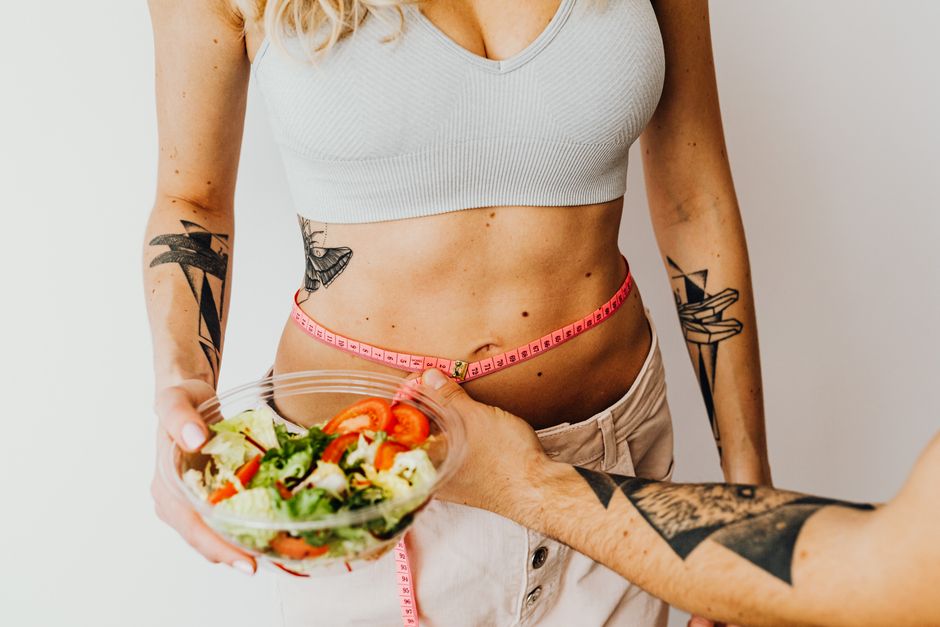
Building a High-Protein, Low-Carb Foundation
Building a solid high-protein, low-carb meal plan starts with understanding which foods deliver the most protein per dollar. **Protein keeps you fuller longer**, which naturally reduces calorie intake without the constant urge to snack between meals. For most adults, aiming for roughly 0.7–1 gram of protein per pound of body weight supports lean muscle preservation during a calorie deficit.
When you structure your plate around a palm-sized portion of protein, generous servings of non-starchy vegetables, and a small amount of healthy fat, you create meals that fuel your day without blowing your budget. This balance supports steady weight loss while keeping energy levels stable throughout the afternoon slump. Many people find that adding a high-protein meal prep routine cuts late-night snacking urges dramatically.
- **Calculate your target**: Multiply your weight (in pounds) by 0.8–1.0 to estimate daily protein grams needed for weight loss.
- **Prioritize whole foods**: Whole proteins and vegetables deliver more satiety than processed alternatives.
- **Plan around lean cuts**: Chicken breast, ground turkey, eggs, and fish provide dense nutrition without excessive fat.
Quick pick: Compare top-rated Weight Loss options.
Affordable Protein Options That Actually Work
You do not need to spend a fortune on premium protein powders or grass-fed steaks to hit your daily targets. **Eggs remain one of the cheapest, most complete proteins available**, delivering about 6 grams per large egg at roughly $0.25 each in most US grocery stores. Canned tuna, salmon, and sardines offer similar value, with roughly 20–25 grams of protein per can and an added boost of omega-3 fatty acids.
Legumes such as black beans, lentils, and chickpeas provide plant-based protein at incredibly low cost, especially when purchased dry and cooked in large batches. A one-pound bag of dry lentils costs around $1.50 and yields nearly six servings with roughly 18 grams of protein per cup. Buying protein foods in bulk from warehouse clubs or discount grocery stores stretches every dollar significantly.
- **Eggs**: $0.20–$0.35 per large egg; 6g protein each
- **Canned tuna**: $0.80–$1.50 per can; 20–25g protein
- **Dry lentils**: ~$1.50 per pound dry; 18g protein per cooked cup
- **Chicken thighs**: Often cheaper than breasts; 26g protein per 3 oz cooked
- **Cottage cheese**: $2–$4 per tub; 14g protein per half-cup serving
Meal Prep Techniques That Save Time and Money
**Batch cooking is the single most effective habit** for staying consistent with high-protein meal prep on a budget. Dedicate 90–120 minutes on Sunday evening to cooking proteins, roasting vegetables, and portioning everything into airtight containers. When you open the refrigerator and see ready-to-eat meals, you eliminate the temptation to order takeout at 7 p.m.
Investing in a few basic tools makes batch cooking dramatically easier: a large sheet pan, a durableDutch oven or slow cooker, and a set of matching meal prep containers (preferably glass rather than plastic for longevity).Cooking proteins from scratch costs roughly 60–70% less than purchasing pre-marinated or pre-cooked convenience versions at the store. Portion control happens automatically when each container holds exactly one serving.
- **Choose one day per week**: Sunday or Wednesday work best for most schedules.
- **Label everything**: Write the date on each container to track freshness (most meal prep proteins last 3–4 days refrigerated).
- **Cook in stages**: Start proteins first, then vegetables while proteins rest.
Pairing Protein With Low-Carb Vegetables
Low-carb vegetables add bulk, fiber, and micronutrients to your meals without significantly impacting calorie counts. **Broccoli, spinach, zucchini, bell peppers, cauliflower, and asparagus** are all widely available, inexpensive, and incredibly versatile in meal prep. Roasted at high heat with a little olive oil and garlic, these vegetables transform from plain side dishes into satisfying meal anchors.
A helpful ratio to remember: fill half your plate with non-starchy vegetables, one quarter with protein, and one quarter with complex carbohydrates or healthy fats if you include them at all. This visual guide prevents portion creep and keeps your macros aligned with weight loss goals without the need to weigh every ingredient. Seasoning vegetables generously prevents the bland, repetitive taste that derails many meal preppers by week two.
| Vegetable (1 cup) | Protein (g) | Carbs (g) | Est. Cost/Serving |
|---|---|---|---|
| Broccoli | 2.5 | 6 | $0.50 |
| Spinach | 1.0 | 1 | $0.40 |
| Zucchini | 1.5 | 4 | $0.60 |
| Cauliflower | 2.0 | 5 | $0.75 |
| Bell peppers | 1.0 | 6 | $0.55 |
Adding Healthy Fats Without Derailing Progress
Dietary fat does not make you fat—excess calories do, and fat actually helps your body absorb fat-soluble vitamins from vegetables. **Avocados, olive oil, almonds, walnuts, and pumpkin seeds** are all exc nt fat sources that enhance the flavor and satiety of high-protein meals. Adding half an avocado to a chicken and vegetable bowl transforms it from a dry diet meal into something genuinely satisfying.
The key is portion awareness. Fat contains about 9 calories per gram compared to 4 calories per gram for protein and carbs, so a little goes a long way. One tablespoon of olive oil, a quarter-cup of almonds, or half an avocado per meal provides enough healthy fat to support hormone production and vitamin absorption without adding hundreds of unnecessary calories.
- **Olive oil**: ~120 calories per tablespoon; great for roasting vegetables and sautéing proteins
- **Avocado**: ~80 calories per half; slice onto salads or blend into sauces
- **Mixed nuts**: ~160 calories per quarter-cup; perfect portable snack
- **Nut butter**: 90–100 calories per tablespoon; pair with apple slices or celery
Easy Meal Prep Recipes to Start This Week
Breakfast: Egg Muffins With Spinach and Bell Pepper
Whisk 12 eggs with a splash of milk, then pour the mixture into a greased 12-cup muffin tin. Divide chopped spinach, diced bell pepper, and a sprinkle of shredded cheese among the cups. Bake at 350°F for 20–22 minutes until set. Each muffin delivers roughly 7 grams of protein for about $0.15–$0.20 per serving. Make a batch on Sunday, refrigerate, and grab two or three each morning with a side of leftover vegetables.
Lunch: Mediterranean Chicken Bowls
Roast chicken thighs seasoned with oregano, garlic powder, and lemon zest alongside cauliflower florets and zucchini slices. Portion into containers over a bed of arugula or spinach. Drizzle with olive oil and a squeeze of fresh lemon before sealing. Each bowl provides approximately 35 grams of protein and keeps well for four days in the refrigerator.
Dinner: Black Bean and Vegetable Stir-Fry
Sauté canned black beans with sliced bell peppers, broccoli, and mushrooms in a hot skillet with sesame oil and soy sauce. Add a fried egg on top for an extra protein boost—this trick works especially well for vegetarians seeking complete protein profiles. Serve over cauliflower rice to keep carbs minimal.
Smart Food Budgeting and Planning Strategies
Setting a realistic weekly food budget removes the stress and guesswork from high-protein meal prep. Most Americans spend $250–$400 monthly on groceries, and redirecting even $50–$75 of that toward intentional meal prep ingredients drives noticeable weight loss results over eight to twelve weeks. Plan meals around weekly store circulars and seasonal produce, which are always cheaper and fresher than out-of-season imports.
**Batch cooking protein sources that go on sale** is one of the smartest budget moves available. When chicken breast drops to $1.99 per pound, buy enough for two weeks and freeze portions in zip-top bags labeled with the date. Building a small emergency stash of frozen proteins and dry legumes means you never have to resort to expensive convenience foods simply because you did not plan ahead.
- **Set a weekly budget**: Start with $60–$80 for one person, adjusting as you learn your needs.
- **Shop sales cycles**: Most grocery stores rotate sales on proteins every 6–8 weeks.
- **Buy seasonal produce**: Costs 20–40% less than out-of-season vegetables.
- **Avoid prepackaged diet foods**: Convenience costs $2–$3 more per serving versus homemade.
Staying Consistent and Avoiding Burnout
Meal prep fatigue is real, and the Sunday afternoon motivation that feels exciting in week one can feel like a chore by week three. **Varying your seasonings, sauces, and cooking methods** keeps meals interesting without requiring entirely new grocery lists. One week try lemon-herb roasted chicken; the next week switch to smoky chipotle-seasoned chicken thighs for a completely different flavor profile from the same base ingredient.
Keeping a simple tracking method—whether a paper log, a phone note, or a basic spreadsheet—makes a significant difference in staying motivated. Write down your protein goal, record what you actually ate, and note how you felt two hours after each meal. Patterns quickly emerge showing which meals satisfied you until the next planned eating window and which left you searching the pantry by 10 a.m.
Celebrate small wins without turning them into cheat days that undo progress. Hitting your protein target four days in a row, completing a full week of planned meals, or fitting into a pair of pants that felt tight last month all deserve acknowledgment. These milestones build sustainable habits far more effectively than dramatic short-term restrictions.
**When to consult a healthcare professional**: If you experience persistent fatigue, hair loss, unusual weight changes, or digestive issues while following a high-protein meal plan, check in with your doctor or a registered dietitian. Individual protein needs vary based on kidney function, age, activity level, and metabolic health.
Frequently Asked Questions (FAQ)
What is the optimal amount of protein for weight loss?
Most research suggests 0.7–1.0 grams of protein per pound of target body weight per day supports muscle preservation and satiety during a calorie deficit. For a 160-pound person, that translates to roughly 110–160 grams of protein daily. Spreading this across four to five meals and snacks maximizes muscle protein synthesis throughout the day.
How can I ensure I’m getting enough protein while on a budget?
Focus on eggs, canned fish, dry legumes, and chicken thighs as your primary protein staples. These items consistently offer the highest protein-per-dollar ratio in US grocery stores. Buying in bulk when items go on sale and cooking from scratch rather than purchasing pre-prepared proteins can cut your protein spending by 50% or more compared to convenience options.
What are some easy, go-to meals for high-protein, low-carb meal prep?
Egg muffins, Mediterranean chicken bowls, black bean stir-fries with a fried egg on top, and overnight Greek yogurt protein jars all work well. These meals take under 30 minutes to prepare in batches, keep in the refrigerator for three to four days, and deliver 25–40 grams of protein per serving at a cost of roughly $2–$4 per meal.
Top Product Recommendations
| Product Name | Rating | Key Feature | Est. Price | Action |
|---|---|---|---|---|
| Best Weight Loss Pick | ★★★★★ | Top-rated overall | $25–$45 | Check Lowest Price on Amazon |
| Budget Weight Loss Option | ★★★★☆ | Great for beginners | $12–$28 | Check Lowest Price on Amazon |
| Premium Weight Loss Choice | ★★★★☆ | Pro-level results | $50–$90 | Check Lowest Price on Amazon |
Affiliate Disclosure: This post contains affiliate links. We may earn a commission if you buy through our links, at no extra cost to you. Medical Disclaimer: This content is for informational purposes only and is not medical advice. Consult a healthcare professional before changing diet or exercise.
Leave a Reply