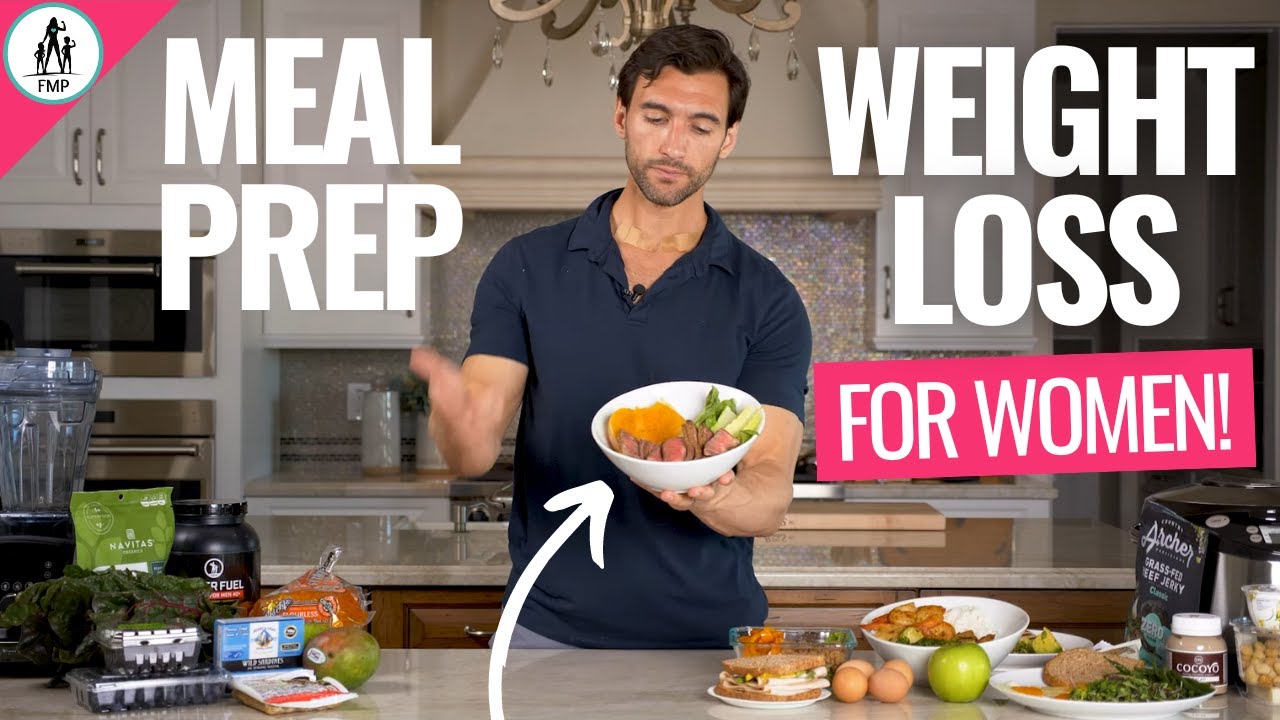
High Protein Meal Prep for Weight Loss on a Budget

by Author

Why High Protein Meal Prep Works for Weight Loss

If you’re serious about **high protein meal prep for weight loss on a budget**, you’re already ahead of the curve. Protein is the most satiating macronutrient — it keeps hunger at bay, preserves lean muscle during a calorie deficit, and has a higher thermic effect than fats or carbs, meaning your body burns more calories just digesting it. Pairing a high-protein diet with strategic meal prep removes the daily decision fatigue that derails most weight-loss efforts.

Meal prepping means you control every ingredient, portion, and calorie before hunger strikes. That’s a game-changer for consistency. And doing it on a budget proves you don’t need expensive supplements or specialty foods to hit 30–40g of protein per meal. Building this habit takes the stress out of eating well — just like a solid weight loss plan would.

Quick pick: Compare top-rated Weight Loss options.

Shop Best Weight Loss Picks

Identifying High Protein, Low-Cost Foods

The best budget protein sources aren’t glamorous — but they work.

  • **Eggs** (~$0.15–0.25 each): 6g protein per egg, endlessly versatile
  • **Canned tuna or sardines** (~$1–1.50/can): 20–25g protein per can
  • **Chicken thighs** (bone-in, ~$1.50–2/lb): cheaper than breasts, more flavorful
  • **Dried lentils and black beans** (~$1–2/lb): 15–18g protein per cooked cup, plus fiber
  • **Cottage cheese** (~$3–4/tub): 25g protein per cup, great for snacks or breakfasts
  • **Frozen edamame**: ~17g protein per cup, inexpensive in bulk bags

Pair these proteins with **brown rice, oats, frozen vegetables, and sweet potatoes** — all under $2/lb — and you have complete, balanced meals. Buying dried beans instead of canned, purchasing chicken in family packs, and choosing store brands can cut your weekly grocery bill by 20–30%.

Building Your Weekly Meal Prep Schedule

A realistic prep schedule is the backbone of success. Most people do well with **one or two prep sessions per week** — typically Sunday and Wednesday — rather than trying to prep every single meal at once.

**A simple Sunday prep session (90 minutes) might look like:**

  • Roast 3 lbs of chicken thighs
  • Cook a large pot of brown rice or quinoa
  • Hard-boil a dozen eggs
  • Batch-cook a pot of lentil soup or chili
  • Prep chopped raw vegetables for grab-and-go snacks

Cooking in bulk saves both time and energy costs. Use sheet pans for proteins and vegetables simultaneously, and invest in stackable meal-prep containers (glass or BPA-free plastic) to organize portions clearly. Label everything with the date — most prepped meals stay fresh **3–4 days refrigerated**, and many freeze well for up to 3 months.

Staying Within Your Calorie Goals

Weight loss requires a **calorie deficit** — typically 300–500 calories below your Total Daily Energy Expenditure (TDEE). Use a free app or an online TDEE calculator to find your starting target. For most moderately active adults aiming to lose 1 lb/week, this means roughly 1,500–1,800 calories/day for women and 1,800–2,200 for men.

Macronutrient Goal per Meal (approx.) Example Sources
Protein 30–40g Chicken, eggs, lentils
Carbs 40–60g Brown rice, sweet potato
Fat 10–15g Olive oil, avocado
Fiber 5–8g Vegetables, beans

Portioning meals into containers ahead of time removes guesswork. A kitchen scale is a $10–15 investment that pays dividends — eyeballing portions is the #1 reason people underestimate calorie intake. Keep **snacks pre-portioned** in small containers or zip bags to avoid mindless grazing.

High Protein Meal Ideas for Every Part of the Day

Breakfast Options

  • **Egg muffins**: Whisk 6 eggs with diced peppers, spinach, and turkey sausage; bake in a muffin tin at 350°F for 18–20 min. Each muffin has ~8g protein; a batch of 12 covers 4–6 mornings.
  • **Overnight oats with cottage cheese**: ½ cup oats + ½ cup cottage cheese + berries = ~25g protein, preps in 5 minutes.
  • **Greek yogurt parfaits**: Layer plain Greek yogurt (17g protein/cup) with fruit and a sprinkle of granola.

Lunch Options

  • **Grilled chicken rice bowls**: 4–5 oz chicken thigh over brown rice with roasted broccoli and a drizzle of low-sodium soy sauce.
  • **Tuna and white bean salad**: Mix canned tuna, cannellini beans, cucumber, and lemon — no cooking required, ~30g protein.
  • **Lentil and vegetable soup**: Make a large batch; refrigerates well all week, high in protein and fiber.

Dinner Options

  • **Chicken and black bean chili**: High-volume, filling, freezes beautifully. One pot covers 6–8 servings at ~35g protein each.
  • **Sheet pan chicken and vegetables**: Minimal cleanup, 40 minutes total. Season chicken thighs with garlic and paprika; roast alongside broccoli and sweet potatoes.
  • **Egg fried rice**: Use leftover rice, scrambled eggs, frozen peas, and a splash of soy sauce — ready in 10 minutes and surprisingly high in protein.

Prepping Smart High Protein Snacks

Snacks can either support or sabotage your weight-loss goals — the difference is preparation. Having **protein-forward snacks ready** prevents reaching for chips or crackers when hunger hits between meals.

**Best budget-friendly high protein snacks to prep:**

  • Hard-boiled eggs (pre-peel and store in water in the fridge)
  • String cheese or cottage cheese cups (portion into single-serve containers)
  • Hummus with sliced vegetables (make a big batch of hummus from dried chickpeas)
  • Edamame (steam from frozen and portion into snack bags)
  • Protein energy balls (oats, peanut butter, protein powder — no baking needed)

Aim for snacks in the **150–250 calorie range with at least 10g protein**. Pre-portioning is non-negotiable — snacking straight from a large container almost always leads to overeating. If you notice late-night snacking is an issue, shift a larger protein serving to dinner to improve satiety through the evening.

Tracking Progress and Staying Motivated

Consistency beats perfection. Tracking progress through multiple lenses — not just the scale — keeps motivation high when weight loss slows (which it always does temporarily).

**Track these metrics weekly:**

  • Body weight (same time each morning, average over 7 days)
  • Waist and hip measurements
  • How clothes fit
  • Energy levels and workout performance
  • How many prep sessions you actually completed

Set **process goals** alongside outcome goals. “I will prep meals on Sunday and Wednesday” is more actionable than “I will lose 10 lbs.” Celebrate the process goals — they predict long-term success better than the scale. Building sustainable habits is the real win for lasting weight management. If you hit a plateau for 2+ weeks, consider recalculating your TDEE, checking portion accuracy, or consulting a registered dietitian for personalized guidance.

Budget Meal Prep: Beginner vs. Advanced Comparison

Factor Beginner Setup Advanced Setup
Prep time/week 60–90 min 90–120 min
Meals prepped 3–4 lunches All meals + snacks
Protein target 100–120g/day 140–160g/day
Weekly grocery spend ~$40–55 ~$55–75
Tools needed Sheet pan, pot, containers Above + rice cooker, scale
Freezer use Occasional Regular (batch cooking)

Beginners should start with prepping just lunches — that single habit can prevent 5–7 impulsive restaurant meals per week. Once that’s consistent, add breakfasts, then dinners. Advanced preppers batch-cook everything and use the freezer as a strategic tool to reduce weekly prep time over the long haul.

Frequently Asked Questions (FAQ)

Q: Can I meal prep for weight loss without spending a lot of money?

A: Absolutely. Focus on **eggs, canned fish, chicken thighs, dried beans, and frozen vegetables** — all under $2–3 per serving. Buying proteins in bulk, choosing store-brand staples, and cooking dried beans instead of canned can keep a full week of high-protein meals under $50 for one person.

Q: How often should I meal prep to lose weight effectively?

A: Most people see the best results with **two prep sessions per week** (e.g., Sunday and Wednesday). This keeps food fresh, reduces monotony, and requires only about 2–3 total hours per week. Prepping everything for 7 days at once can lead to food fatigue or waste if plans change.

Q: What are the easiest high-protein meal prep recipes for beginners?

A: Start with three no-fail recipes: **hard-boiled eggs** (breakfast/snacks), **sheet pan chicken thighs with roasted vegetables** (lunch/dinner), and a **big pot of black bean and chicken chili** (dinner that freezes well). These three alone cover most of your weekly protein needs with minimal cooking skill required.

Q: Do I need special equipment to start meal prepping?

A: Not really. A **sheet pan, a large pot, and a set of meal-prep containers** are enough to get started. A kitchen scale ($10–15) is the single most useful upgrade because it removes the guesswork from portion sizes. A rice cooker and slow cooker are helpful time-savers as you scale up, but they’re not required to hit your protein goals on a budget.

Top Product Recommendations

Product Name Rating Key Feature Est. Price Action
Top-rated meal prep containers ★★★★★ Editor-recommended meal prep containers from this guide $18–$42 Check Lowest Price on Amazon
Best-value kitchen food scale ★★★★☆ Affordable kitchen food scale — strong everyday results $12–$28 Check Lowest Price on Amazon
Premium meal prep lunch containers ★★★★☆ Higher-end meal prep lunch containers for visible, lasting results $45–$95 Check Lowest Price on Amazon

Ready to shop for Weight Loss?

Browse our curated picks — editorial guide above, shopping links below.

Check Lowest Price on Amazon   Get 20% Off Here

More Weight Loss guides on our site →

You may also like