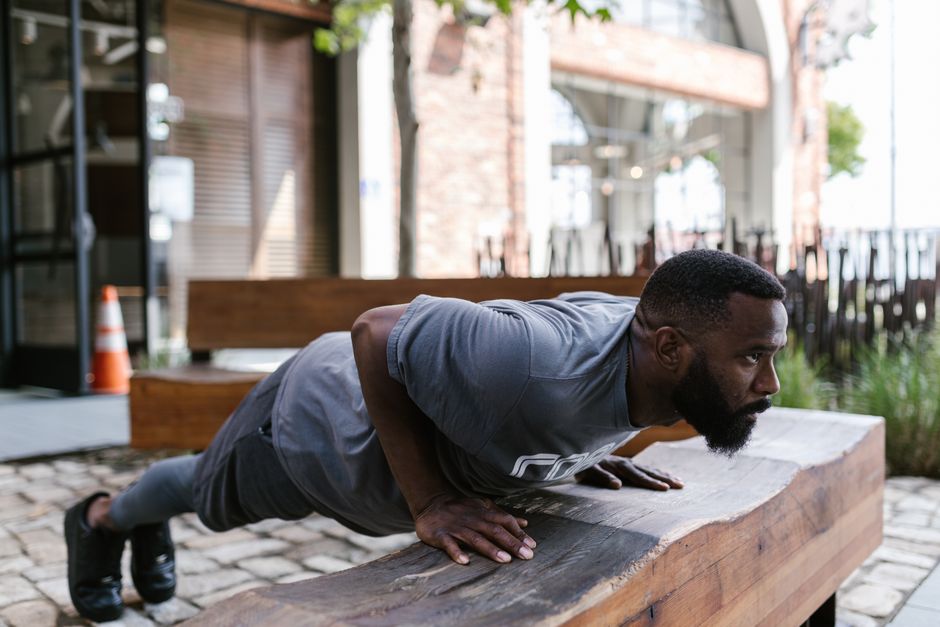
Introduction to Men’s Fitness
Staying active is one of the most impactful choices a man can make for his long-term well-being. Men’s fitness isn’t about chasing a fleeting trend or following someone else’s aesthetic — it’s about building a body that performs reliably, resists injury, and supports you through every decade of life. Regular exercise improves cardiovascular health, strengthens bones, sharpens mental focus, and helps regulate hormones. Whether you’re starting from the couch or you’re a seasoned gym-goer looking to sharpen your approach, a structured men’s fitness plan makes the difference between sporadic effort and lasting results.
The benefits compound over time. Men who engage in consistent physical activity report higher energy levels, better sleep quality, and improved mood. Strength training preserves muscle mass that naturally declines with age, while cardiovascular exercise keeps your heart and lungs functioning optimally. A balanced fitness routine also reduces stress and supports a healthy metabolism. The key is building habits you can sustain — not crash programs that burn you out.
Building a Strong Foundation
Every effective fitness journey starts with an honest look at where you are right now. A fitness assessment — whether you do it yourself or with a trainer — gives you a realistic baseline. Note your current weight, measure your waist circumference, track how many push-ups or pull-ups you can perform, and check your resting heart rate. These numbers aren’t judgmental; they’re benchmarks that help you measure progress accurately.
Setting realistic goals is the next critical step. Vague aspirations like “get in better shape” rarely survive the first week of motivation dip. Instead, define specific, achievable targets. A beginner goal might be completing three 30-minute workouts per week for four consecutive weeks. A more advanced goal could be adding 20 pounds to your bench press within eight weeks. Break larger goals into monthly milestones so you can celebrate progress along the way.
Creating a personalized workout plan means choosing exercises and schedules that fit your schedule, equipment access, and preferences. A plan built around your actual life is far more likely to stick than a rigid template designed for someone else. Factor in your work schedule, family commitments, and recovery capacity. Start conservatively — undertraining slightly is far better than overcommitting and burning out.
Cardiovascular Workouts
Cardiovascular fitness sits at the center of any men’s fitness program because a strong heart powers everything else you do in the gym and in daily life. Heart disease remains one of the leading health risks for men, and regular cardio significantly lowers that risk while boosting endurance and stamina.
Popular cardio options include:
- **Running or jogging** — exc nt for building aerobic capacity, requires no equipment beyond a pair of quality running shoes
- **Cycling** — low-impact and joint-friendly, ideal for longer sessions or commutes
- **Swimming** — provides a full-body cardio workout with zero joint stress
- **Rowing machines** — combine cardio and upper-body strength in one movement
- **Jump rope** — high-intensity calorie burn in minimal space
For general health, aim for at least 150 minutes of moderate-intensity cardio per week, or 75 minutes of vigorous activity. You can break this into daily 20–30 minute sessions. A simple approach is to alternate workout styles — steady-state runs on Monday, cycling on Wednesday, and a HIIT session on Friday. This variation keeps your body adapting and prevents boredom from setting in.
Strength Training Exercises
Strength training offers some of the most dramatic and visible returns on your fitness investment. Beyond aesthetic benefits, lifting weights increases bone density, improves insulin sensitivity, and elevates testosterone levels naturally. For men especially, maintaining muscle mass becomes increasingly important after age 30 when the body begins losing lean tissue at a gradual rate.
Effective strength training for men typically centers on **compound movements** that recruit multiple muscle groups simultaneously:
- **Squats** — the king of lower-body strength builders
- **Deadlifts** — engage the posterior chain from calves to traps
- **Bench Press** — primary upper-body pushing movement
- **Pull-Ups or Rows** — essential for back thickness and pulling strength
- **Overhead Press** — builds shoulder stability and power
Supplement compound lifts with isolation exercises like bicep curls, tricep extensions, and lateral raises to address muscle imbalances and sculpt individual groups. You can perform these movements using free weights, machines, resistance bands, or bodyweight — choose whichever matches your equipment access and experience level.
Focus first on mastering proper form before adding heavy loads. Poor technique dramatically increases injury risk and limits your strength gains. Aim for a rep range of 8–12 for muscle-building hypertrophy, 5–8 for raw strength, and 12–15 for muscular endurance. Incorporate progressive overload by gradually increasing weight, reps, or sets every two to three weeks.
| Training Goal | Rep Range | Sets per Exercise | Rest Between Sets |
|---|---|---|---|
| Muscular endurance | 12–15 reps | 3–4 sets | 30–60 seconds |
| Muscle hypertrophy | 8–12 reps | 3–5 sets | 60–90 seconds |
| Strength building | 5–8 reps | 4–6 sets | 2–3 minutes |
Allow at least 48 hours between intense workouts targeting the same muscle groups. Always warm up thoroughly before lifting, even when you’re in a time crunch.
Flexibility and Mobility
Flexibility and mobility are the most frequently skipped components of men’s fitness, yet they directly influence how well you move, how safely you train, and how quickly you recover. Tight hip flexors from prolonged sitting can sabotage your squat form. Stiff shoulders limit your overhead press and increase rotator cuff injury risk.
Incorporate dynamic stretching into your warm-up routine — leg swings, arm circles, and body-weight lunges prepare your joints for loaded movement. Save static stretching for after your workout when muscles are warm and pliable. Hold each stretch for 20–30 seconds and never bounce. Key areas to address regularly include your hamstrings, hip flexors, chest, and thoracic spine.
Yoga or Pilates sessions one to two times per week offer remarkable benefits for men’s fitness. These practices develop core strength, body awareness, and balance while actively improving flexibility. A 30-minute flow session after a rest day keeps your joints lubricated and your nervous system engaged. Many men find that adding even modest mobility work produces noticeable improvements in their main lifts within weeks.
Nutrition and Hydration
Training without proper nutrition is like filling your car with the wrong fuel — you’ll move, but not efficiently or for long. Nutrition is the engine behind every fitness goal, whether you’re building muscle, burning fat, or simply maintaining your current physique.
Focus on whole, minimally processed foods as the foundation of your eating plan. Quality protein sources include chicken, fish, lean beef, eggs, Greek yogurt, and legumes. Carbohydrates from oats, sweet potatoes, brown rice, and fruits fuel your workouts and replenish muscle glycogen. Healthy fats from avocados, nuts, olive oil, and fatty fish support hormone production and joint health.
Aim for roughly 1.6 to 2.2 grams of protein per kilogram of bodyweight daily — higher end if you’re actively strength training. Spread protein intake across three to five meals for optimal absorption. Time your pre-workout meal one to two hours before training with a balanced mix of carbs and moderate protein. Stay consistent with your nutrition on rest days; your body still needs quality fuel for recovery processes.
Hydration directly impacts performance and recovery. Drink at least 8 to 10 glasses of water daily as a baseline, and increase intake during intense training or hot weather. A helpful habit is weighing yourself before and after workouts — for every pound lost through sweat, drink 16 ounces of water.
Common supplements men use to complement a solid diet include protein powder for meeting daily protein targets, creatine monohydrate for strength and muscle volume at 3–5 grams daily, and omega-3 fish oil for joint comfort and recovery support. Always prioritize whole foods first; supplements enhance a strong foundation rather than replace one.
Recovery and Rest
Recovery is where your body actually gets stronger, and it’s the most overlooked aspect of men’s fitness. When you lift weights or push through a hard cardio session, you create microscopic damage to muscle fibers. Your tissues repair and rebuild during rest periods, emerging slightly more capable than before. Skip recovery, and you forfeit those gains while increasing injury risk.
Schedule at least one full rest day per week — two if you’re training particularly hard. Rest days don’t mean lying on the couch doing nothing, though that certainly has its place. Light activities like walking, swimming, or gentle yoga promote blood flow without adding stress. Foam rolling on rest days helps release muscle tension, improves tissue quality, and accelerates recovery. Spend five to ten minutes targeting your major muscle groups with a foam roller after especially hard sessions.
Sleep deserves special attention in any men’s fitness program. Aim for 7 to 9 hours of quality sleep nightly — this is when growth hormone peaks and tissue repair accelerates most efficiently. Create a consistent sleep schedule, limit screen time before bed, and keep your bedroom cool and dark. Poor sleep directly sabotages muscle growth, strength gains, and fat loss regardless of how perfectly your training and nutrition align.
Listening to your body is perhaps the most valuable skill a fitness-focused man can develop. Mild soreness after a new workout is normal. Sharp pain, unusual fatigue that persists for days, or a noticeable drop in performance signals that you need additional rest or a deload week. Nagging aches that get worse during exercise deserve professional attention — consult a physical therapist or sports medicine doctor rather than training through pain.
Tracking Progress and Staying Motivated
What gets measured gets managed. Keeping a fitness journal — whether in a notebook or using a smartphone app — builds accountability and provides concrete evidence of your advancement. Log the exercises you perform, the sets and reps completed, and the weight used. Review your log weekly to identify patterns, celebrate wins, and adjust your plan based on what the data tells you.
Beyond the numbers on the bar, take progress photos every four to six weeks under consistent lighting and conditions. Track waist measurements, resting heart rate, and energy levels. These qualitative markers often reveal progress that the scale alone misses. Many men experience recomposition — gaining muscle while losing fat — with changes showing up in photos and measurements long before the scale budges.
Short-term goals keep the fire burning week to week. Long-term vision keeps you committed through the inevitable plateaus and off days. A practical structure pairs a 30-day micro-goal (like adding 10 pounds to your squat) with a 6-month macro-goal (completing a 5K run). When you hit a milestone, acknowledge it — reward your effort with something that doesn’t undermine your progress, like new workout gear or a massage.
Building sustainable habits matters far more than chasing dramatic short-term transformations. Sustainable fitness is a series of ordinary days of consistent effort. Focus on showing up, doing the work, and trusting the process. The men who maintain fitness over decades are rarely the ones who trained the hardest for the shortest time — they’re the ones who built habits they could keep for life.
Frequently Asked Questions (FAQ)
What are some common mistakes men make in their fitness routines?
Many men either do too much or too little. Overcommitting to high-volume training too quickly leads to injury and burnout, while undereating or skipping strength training entirely limits progress. Neglecting proper form in pursuit of heavy weight is another frequent pitfall, as is overlooking flexibility and mobility work. Finally, treating nutrition as optional or inconsistent undermines even the most disciplined training program.
How often should men work out to see results?
Most men see meaningful results with 3 to 5 structured workouts per week, balancing strength and cardio sessions. Frequency matters less than consistency — showing up regularly over weeks and months produces far better outcomes than sporadic high-intensity bursts. Start with what you can realistically maintain and build from there.
Can men over 40 still build muscle and improve fitness?
Absolutely. With appropriate programming, adequate protein intake, and sufficient recovery, men in their 40s, 50s, and beyond continue building muscle and improving their overall fitness. The process may require slightly more recovery time and attention to joint health, but the body’s ability to adapt to strength training remains strong at any age.
What are some signs that it’s time to take a break from working out?
Persistent fatigue that doesn’t improve with sleep, soreness that worsens rather than fades, decreased performance across multiple sessions, and a general sense of burnout or loss of motivation all signal that your body needs rest. Sharp pain during exercise is a clear stop sign — push through it and you’ll likely make the problem significantly worse.
Explore more mens fitness guides on our site.
Top Product Recommendations
| Product Name | Rating | Key Feature | Est. Price | Action |
|---|---|---|---|---|
| Top-rated resistance bands for men | ★★★★★ | Editor-recommended resistance bands for men from this guide | $18–$42 | Check Lowest Price on Amazon |
| Best-value protein powder supplement | ★★★★☆ | Affordable protein powder supplement — strong everyday results | $12–$28 | Check Lowest Price on Amazon |
| Premium foam roller recovery | ★★★★☆ | Higher-end foam roller recovery for visible, lasting results | $45–$95 | Check Lowest Price on Amazon |
Affiliate Disclosure: This post contains affiliate links. We may earn a commission if you buy through our links, at no extra cost to you.
Leave a Reply