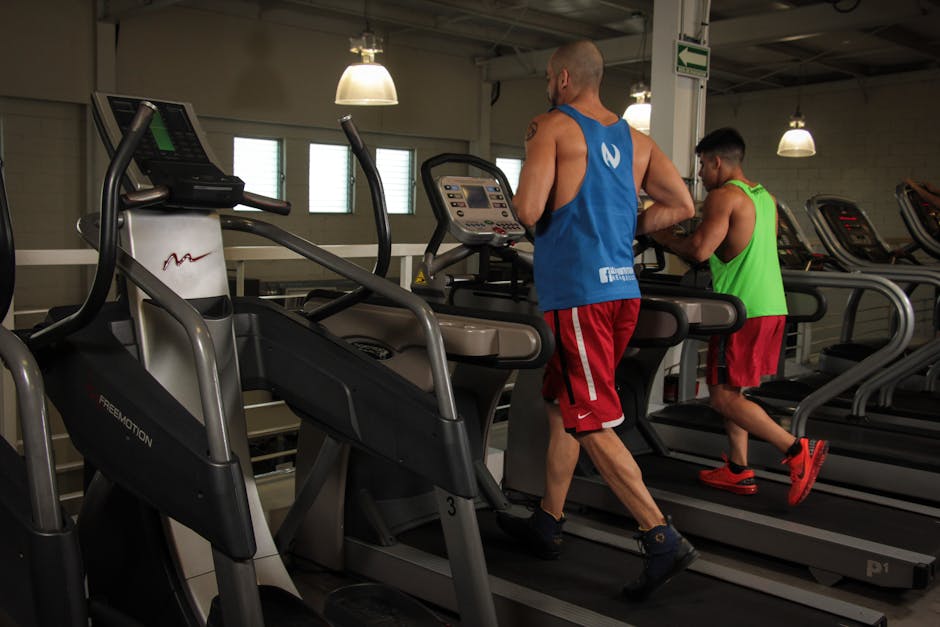
Building a Strong Foundation
When it comes to men’s fitness, the foundation of any effective training program begins with mastering proper form. Regardless of whether you are lifting weights, performing bodyweight exercises, or engaging in cardio activities, executing each movement with correct technique prevents injury and maximizes muscle engagement. Many men rush through their workouts in pursuit of quick results, but sacrificing form for heavier loads or faster repetitions is one of the most common pitfalls that leads to injury and stunted progress.
Common form mistakes in men’s fitness include arching the lower back during pressing movements, allowing knees to cave inward during squats or lunges, and rounding the shoulders during rows or pull-ups. These compensatory patterns often stem from tight muscles, weak stabilizers, or simply moving too quickly through a rep range. Taking the time to film yourself from multiple angles during key exercises can reveal imbalances you may not feel in the moment. A good starting point is to film your squat, bench press, and deadlift from the side and front — these three movements alone will highlight most technical deficiencies.
If you are new to resistance training or are returning after a long break, consulting a certified fitness professional for personalized guidance can accelerate your progress dramatically. A qualified coach can assess your movement patterns, identify limitations, and design a program that respects your current ability while systematically building strength. This investment in proper coaching upfront prevents months of frustration and potential injury down the road. Even experienced lifters benefit from periodic form checks, as imbalances can develop silently over time.
Setting Realistic Goals and Expectations
Establishing realistic goals is one of the most underestimated aspects of men’s fitness. Vague ambitions like “getting bigger” or “losing belly fat” lack the specificity needed to create a measurable, trackable plan. Instead, frame your targets using concrete metrics: add 50 pounds to your squat within 12 weeks, reduce your 5K run time by 90 seconds over two months, or complete a defined number of pull-up repetitions with strict form. Specificity creates accountability and makes it easier to recognize genuine progress.
Men’s fitness culture, particularly on social media, is saturated with dramatic before-and-after transformations promising extraordinary results in impossibly short timeframes. While these stories are genuinely motivating, they often involve factors that are not disclosed — years of prior training, genetic advantages, or unsustainable protocols that are difficult to maintain long-term. Setting expectations around what you can realistically achieve in 4, 8, and 12 weeks protects you from discouragement when the timeline inevitably extends. Sustainable progress in men’s fitness is almost always slower than the marketing suggests, and that is entirely by design.
When your fitness goals intersect with existing health conditions, prior injuries, or unusual fatigue patterns, it is prudent to seek professional medical advice before launching into an intensive program. A sports medicine physician or physical therapist can evaluate whether your goals are appropriate for your current health status and flag any contraindications. This is not about limiting your potential — it is about ensuring that your journey is built on a safe and stable foundation.
Creating a Personalized Workout Plan
A personalized workout plan starts with honest self-assessment of your current fitness level, available equipment, and time constraints. A plan designed for someone training five days a week with a fully equipped gym will fail spectacularly for someone working out at home with minimal gear. Identify your non-negotiables: how many days per week can you realistically dedicate to training, what muscle groups need the most attention, and what activities do you genuinely enjoy? A program you hate will not last past week three, regardless of how theoretically effective it is.
Incorporating variety into your workout routines serves multiple purposes. It prevents boredom, challenges muscles from different angles, and reduces the risk of overuse injuries that accumulate when you repeat the same movements endlessly. A well-rounded men’s fitness plan typically rotates between compound movements — such as squats, deadlifts, bench press, and overhead press — alongside accessory work targeting smaller stabilizer muscles and lagging areas. Periodization, or systematically adjusting volume and intensity over time, is one of the most evidence-backed strategies for continued progress.
Your workout plan should be treated as a living document, not a fixed prescription. Adjustments based on progress and feedback are essential. If a particular movement consistently causes joint discomfort, replace it with a variation that achieves a similar training stimulus without the pain. If you are recovering faster than expected between sessions, you may be able to increase frequency. Conversely, if you are feeling progressively more fatigued and sore, reducing volume for a week is a smarter move than grinding through a planned high-intensity session that could push you into overtraining territory.
Staying Motivated and Consistent
Motivation is an unreliable partner in men’s fitness — it arrives and departs on its own schedule. Building consistency requires designing systems and habits that keep you training regardless of how you feel emotionally on any given day. One effective strategy is anchoring your workouts to an existing routine: always train immediately after a specific morning habit, or reserve a particular evening for your session so it becomes as automatic as brushing your teeth. The first step is always the hardest; removing friction from getting to the gym or starting your home workout removes the biggest barrier to consistency.
Overcoming motivation blocks in men’s fitness often requires reframing what you expect from a workout session. Not every day needs to be a personal-record-setting performance. Some of your best training weeks happen when you complete moderate sessions on days when you feel depleted, simply by showing up and moving with intention. Progress is measured across weeks and months, not individual sessions. Accepting this mindset shift is transformative for long-term adherence.
Setbacks and injuries are a natural part of any fitness journey, and how you respond to them matters far more than the setback itself. A two-week pause due to illness or a minor injury does not erase months of accumulated strength and conditioning. The key is to distinguish between productive discomfort — the normal soreness that accompanies training — and warning signs of genuine injury that warrant modified activity or rest. Trying to train through sharp pain is a decision that frequently leads to more serious problems requiring extended recovery.
Nutrition and Diet for Optimal Fitness
Nutrition is the backbone that supports every training goal in men’s fitness, whether you are aiming to build lean muscle, reduce body fat, or improve athletic performance. Balancing macronutrients — protein, carbohydrates, and fats — according to your specific goals produces far better results than any single trendy diet. Protein intake is particularly critical for men engaged in resistance training, with research-supported targets ranging from 1.6 to 2.2 grams per kilogram of bodyweight daily for muscle growth and repair. Spreading protein intake across three to five meals throughout the day optimizes muscle protein synthesis.
Carbohydrates often receive unfair scrutiny in men’s fitness circles, but they serve as the primary fuel source for high-intensity training. Depleting carbohydrates before heavy lifting sessions can leave you feeling flat, weak, and unable to complete your planned workload. Timing carbohydrate intake around your most demanding training sessions — eating a larger portion at breakfast if you train in the morning, or as a pre-workout meal if you train in the evening — is a practical application that supports both performance and recovery.
Hydration status directly impacts strength, endurance, and cognitive function during training. Even mild dehydration — as little as 2% body weight loss — can measurably reduce athletic performance. Aim to consume water consistently throughout the day rather than attempting to hydrate aggressively immediately before training. Common nutritional mistakes in men’s fitness include under-eating protein, over-relying on supplements while neglecting whole foods, and following extreme calorie-restriction diets that strip away the energy needed to fuel productive training sessions. Supplements can play a supporting role, but they are not a substitute for a solid dietary foundation.
Recovery and Injury Prevention
Recovery is where the actual gains of men’s fitness are made. Training creates controlled damage to muscle fibers; it is during the recovery phase that your body repairs and strengthens those fibers, adapting them to the demands you have placed on them. Without adequate recovery time, performance plateaus and injury risk rises sharply. Most resistance-based training programs for men benefit from 48 hours of recovery between sessions targeting the same muscle groups, though training frequency can be adjusted based on volume and intensity.
Effective recovery techniques for men’s fitness extend well beyond simply resting between sessions. Active recovery — engaging in low-intensity movement such as walking, cycling, or swimming — promotes blood flow without placing additional strain on recovering tissues. Sleep quality and duration are arguably the most powerful recovery tools available, with 7 to 9 hours of quality sleep supporting hormonal recovery, tissue repair, and mental wellbeing. Prioritizing sleep hygiene — consistent bedtimes, cool sleeping environment, limiting screen exposure before bed — delivers returns that no supplement or gadget can match.
Preventing and managing injuries in men’s fitness requires both proactive and responsive strategies. Proactively, incorporating unilateral exercises — single-leg squats, single-arm presses, single-leg deadlifts — corrects asymmetries between left and right sides that are common contributors to overuse injuries. Mobility work targeting the hips, thoracic spine, and ankles addresses the most frequent movement restrictions in active men. Responsively, recognizing early warning signs — persistent joint aches, nagging discomfort that worsens during exercise, or reduced range of motion — allows for early intervention through rest, modified activity, or professional assessment before a minor issue becomes a major injury.
Tracking Progress and Making Adjustments
Tracking progress in men’s fitness transforms guesswork into actionable data. Keeping a simple training log — recording weights, repetitions, sets, and subjective feedback like energy levels and soreness — creates a record that reveals patterns invisible to memory alone. After several weeks, you can identify whether you are progressing, maintaining, or regressing across different movement patterns and adjust accordingly. Digital tools and apps can streamline this process, but a basic spreadsheet or even a handwritten journal works equally well.
Key metrics worth tracking include strength outputs on compound lifts, body weight trends, circumference measurements of key areas like waist and chest, and subjective indicators such as energy, mood, and sleep quality. No single metric tells the complete story, which is why a multi-faceted approach to tracking is more reliable than fixating on one data point. For instance, the scale may show no weight change for two weeks while your waist measurement decreases — a common scenario as you recomposition body composition from fat to muscle.
Knowing when to make adjustments in your workout plan is a skill that improves with experience. If you have been following a program for 6 to 8 weeks without measurable progress, it is likely time to introduce a new stimulus — whether that means adjusting rep ranges, changing exercises, or modifying training frequency. A certified personal trainer or strength coach can provide valuable external perspective when internal assessment feels unclear. They can evaluate your movement quality, program design, and recovery habits with fresh eyes and recommend targeted changes that unstick stalled progress.
Incorporating Mental Wellness into Fitness Routine
The connection between physical training and mental health in men’s fitness is profound and well-documented. Regular exercise is one of the most effective non-pharmaceutical interventions for reducing symptoms of anxiety, depression, and stress. The mechanisms are multifaceted: aerobic exercise releases endorphins, resistance training builds self-efficacy and a sense of competence, and consistent training establishes structure and routine that support overall mental wellbeing. For many men, the gym becomes a reliable anchor during periods of emotional difficulty.
Incorporating mental wellness activities into your men’s fitness routine does not require dramatic lifestyle changes. Brief mindfulness practices before training — taking 60 seconds to breathe deeply and set a focused intention for your session — can shift your mindset from distracted to present. Outdoor training sessions, when feasible, add the mood-elevating benefits of nature exposure and sunlight. Group training or having a regular workout partner introduces social accountability, which significantly improves long-term adherence and provides emotional support during challenging periods.
Stress and anxiety are common companions in modern life, and how they intersect with your fitness pursuits deserves deliberate attention. High chronic stress elevates cortisol levels, which can sabotage muscle-building goals, disrupt sleep, and increase fat storage around the midsection. Incorporating stress-management practices — whether through structured meditation apps, breathing exercises, yoga-style mobility work, or simply scheduling genuine rest days — directly supports your physical training outcomes. If stress or anxiety feels overwhelming, reaching out to a mental health professional is a sign of strength, not weakness. Fitness and mental health work best as complementary pillars supporting the same overall goal: a resilient, capable, and thriving body and mind.
Frequently Asked Questions (FAQ)
What are some common mistakes men make in their fitness routines?
Common mistakes in men’s fitness include prioritizing heavy weight over proper technique, skipping warm-up and cool-down periods, neglecting unilateral exercises that correct strength imbalances, and failing to incorporate adequate recovery time between intense sessions. Many men also fall into the trap of following the same routine indefinitely without periodization or variation, which leads to plateaus. Programming too much high-intensity work without sufficient deload periods increases overtraining risk, and neglecting cardiovascular conditioning while focusing exclusively on lifting creates another common imbalance. Finally, ignoring nutrition — particularly protein intake and hydration — undermines even the most disciplined training programs.
How can I set realistic fitness goals and avoid miracle claims?
Setting realistic fitness goals begins with specificity and timeframe. Instead of aiming to “get fit,” define what that means for you in concrete, measurable terms: a particular weight on a specific lift, a run time, a body composition target, or a defined number of exercise repetitions. Break larger goals into smaller milestones spaced 4 to 8 weeks apart so you can celebrate incremental victories and recalibrate as needed. Avoid miracle claims by approaching dramatic transformation stories with healthy skepticism — sustainable men’s fitness progress typically unfolds over months and years, not weeks. A rate of 0.5 to 1 pound of muscle gain per week is realistic for most men in their first year of structured training, with less dramatic rates as experience accumulates.
When should I consult a healthcare professional about my fitness journey?
Consulting a healthcare professional is appropriate before starting a new fitness program if you have pre-existing medical conditions such as heart disease, diabetes, or uncontrolled hypertension. You should also seek professional guidance if you experience sharp pain during exercise, persistent joint discomfort that does not improve with rest, unexplained fatigue that lasts beyond normal post-workout recovery, or any cardiovascular symptoms such as chest tightness, shortness of breath at rest, or heart palpitations. A sports medicine specialist or physical therapist can evaluate movement-related issues and design corrective strategies. A registered dietitian can provide personalized nutrition guidance aligned with your training goals and health status. Taking these precautions protects your long-term health while enabling you to train with confidence and effectiveness.
Explore more mens-fitness guides on our site.
Top Product Recommendations
| Product Name | Rating | Key Feature | Est. Price | Action |
|---|---|---|---|---|
| Best Mens Fitness Pick | ★★★★★ | Top-rated overall | $25–$45 | Check Lowest Price on Amazon |
| Budget Mens Fitness Option | ★★★★☆ | Great for beginners | $12–$28 | Check Lowest Price on Amazon |
| Premium Mens Fitness Choice | ★★★★☆ | Pro-level results | $50–$90 | Check Lowest Price on Amazon |
Affiliate Disclosure: This post contains affiliate links. We may earn a commission if you buy through our links, at no extra cost to you.
Leave a Reply