Understanding Whole Food Detox for Beginners

A whole food detox is a structured eating approach that removes processed ingredients, added sugars, and artificial additives while centering every meal on natural, single-ingredient foods. Think vegetables, fruits, lean proteins, whole grains, nuts, seeds, and legumes. Unlike juice cleanses or supplement-based programs, a whole food approach relies entirely on what you cook and eat at home. The goal is not calorie restriction — it is about giving your digestive system a break from inflammatory ingredients and flooding your body with fiber, vitamins, and minerals.
**Benefits of a whole food detox plan** include improved digestion, steadier energy levels throughout the day, better hydration from water-rich produce, and a reset in taste preferences so sugary or salty processed foods feel less appealing afterward. Many people also notice clearer skin and more regular bowel movements within the first few days. These outcomes are typical and well-supported by nutritional research, though individual results vary based on starting diet quality, activity level, and overall health.
It is worth distinguishing whole food detox from juice cleanses or over-the-counter detox supplements. Juice cleanses strip fiber from foods and can spike blood sugar. Supplements marketed as detox aids are not regulated for efficacy. A whole food meal plan keeps fiber intact, provides sustained energy, and relies on no proprietary products — just real food from your grocery store.
- Keeps fiber intact for digestive health
- No expensive supplements or proprietary products required
- Supports steady blood sugar and lasting energy
- Helps reset taste preferences for long-term eating habits
- Backed by general nutritional science, not marketing claims
Quick pick: Compare top-rated Detox Guides options.
Preparing for a 7-Day Whole Food Detox
Before you buy a single ingredient, take 10 minutes to set goals that are specific and realistic. Ask yourself what you want from this week. Common goals include eating more vegetables, cutting added sugar, learning new recipes, or simply feeling less bloated. Write one or two goals on your phone or a sticky note — they will keep you focused on hard days.
**Stocking your pantry with whole foods** is the single most important preparation step. A half-stocked kitchen is the top reason people abandon a meal plan midweek. Here is a starter shopping list organized by category:
| Category | Whole Food Staples |
|---|---|
| Produce | Spinach, kale, broccoli, sweet potatoes, avocado, bananas, berries, lemons |
| Protein | Wild salmon, skinless chicken breast, eggs, black beans, lentils |
| Whole Grains | Brown rice, quinoa, rolled oats, whole wheat pasta |
| Nuts & Seeds | Almonds, walnuts, chia seeds, flaxseed, pumpkin seeds |
| Pantry | Extra virgin olive oil, apple cider vinegar, garlic, ginger, turmeric |
Plan to shop on the weekend before you begin. Wash and chop vegetables on Sunday afternoon and store them in clear containers at eye level in your refrigerator. When prep is done, reaching for a healthy option takes seconds — which matters enormously when hunger strikes at 6 p.m.
Prepare your body by drinking at least 64 ounces of water daily in the days leading up to your plan. Reduce caffeine gradually if you drink more than two cups per day, to avoid withdrawal headaches on Day 1. If you take any medications or have a chronic health condition, discuss dietary changes with your healthcare provider before starting.
Day 1: Starting Your Whole Food Detox
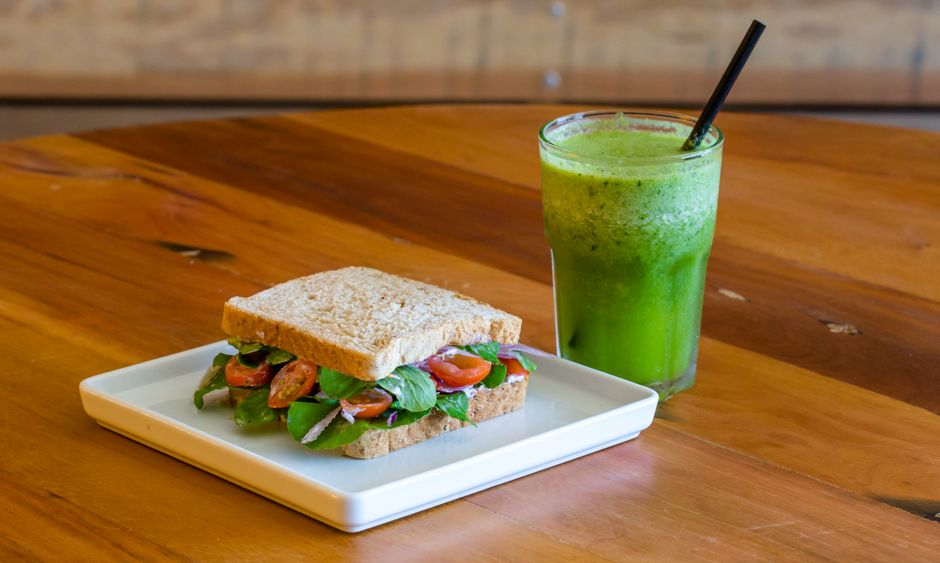
**Sample meal plan for Day 1:**
- **Breakfast:** Two eggs scrambled with spinach and half a grapefruit
- **Morning snack:** A small handful of raw almonds and a few carrot sticks
- **Lunch:** Quinoa bowl with roasted sweet potato, black beans, and a squeeze of lime
- **Afternoon snack:** Sliced cucumber and bell pepper with hummus
- **Dinner:** Baked skinless chicken breast with steamed broccoli and brown rice
Day 1 is as much mental as it is physical. Your body may not miss processed food immediately, but your habits will. You might feel an urge to snack after dinner or reach for something sweet after a meal. **Recognize these as normal adjustment signals**, not signs the plan is failing.
If you feel genuinely hungry between meals, add an extra serving of vegetables or a tablespoon of nut butter. If energy feels low in the afternoon, a short 15-minute walk can help more than a coffee or sugary snack. Do not skip meals — irregular eating actually increases cravings.
Stay hydrated by keeping a water bottle visible at your desk or on your kitchen counter. Flavor water with lemon slices or a few mint leaves if plain water feels boring. Aim for at least eight glasses throughout the day.
Day 2–3: Maintaining Momentum
**Sample meal plans for Days 2 and 3:**
- **Day 2 Breakfast:** Overnight oats made with rolled oats, chia seeds, and sliced banana
- **Day 2 Lunch:** Lentil soup with a side salad of mixed greens and olive oil dressing
- **Day 2 Dinner:** Grilled salmon with quinoa and roasted asparagus
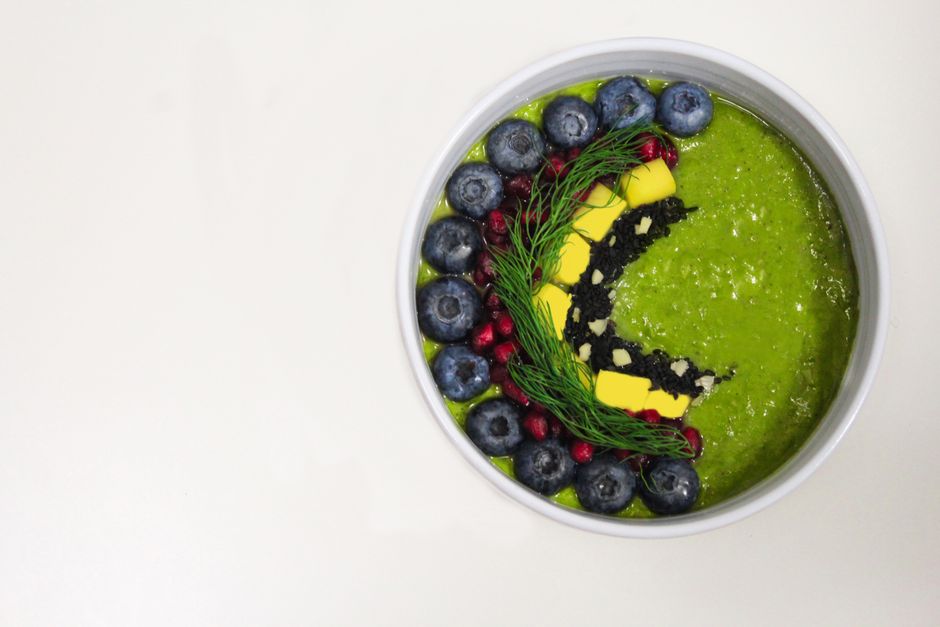
- **Day 3 Breakfast:** Smoothie bowl with frozen berries, half a frozen banana, almond milk, and a tablespoon of flaxseed
- **Day 3 Lunch:** Lettuce wrap with sliced turkey, avocado, tomato, and mustard
- **Day 3 Dinner:** Stir-fried chicken breast with broccoli, snap peas, and brown rice
Days 2 and 3 are where most people experience what is commonly called the adjustment phase. Possible symptoms include mild fatigue, a slight headache, or increased urination as your body releases stored water weight from carbohydrate reduction. These effects are temporary and typically resolve by Day 4 or 5.
**Strategies for keeping energy levels high** include eating every 3 to 4 hours, pairing a protein source with a complex carbohydrate at each meal, and prioritizing 7 to 8 hours of sleep. Light exercise — a brisk walk, yoga, or a short bodyweight workout — actually boosts energy rather than depleting it during this phase.
Common challenges in early days include social situations involving food, running out of prepped ingredients, and sugar cravings triggered by stress or boredom. Solve social eating by eating a healthy meal before you arrive and focusing on vegetable-forward dishes. Solve the prep shortage by keeping canned beans and frozen vegetables as backup options.
Day 4–5: Adjusting to the Whole Food Lifestyle
**Sample meal plans for Days 4 and 5:**
- **Day 4 Breakfast:** Two-egg omelet with mushrooms, onions, and spinach
- **Day 4 Lunch:** Whole wheat wrap with hummus, roasted red peppers, arugula, and sliced cucumber
- **Day 4 Dinner:** Baked cod with roasted Brussels sprouts and a small serving of red potato
- **Day 5 Breakfast:** Plain Greek yogurt topped with a handful of blueberries and a sprinkle of walnuts
- **Day 5 Lunch:** Black bean and corn salad with diced tomato, cilantro, and lime juice
- **Day 5 Dinner:** Turkey meatballs made without breadcrumbs, served with zucchini noodles and marinara sauce
By Days 4 and 5, many people notice that meals taste more vibrant — produce flavors feel brighter and more satisfying. This is a real sensory shift, not imagination. Your palate is recalibrating away from the salt, sugar, and fat levels common in processed foods.
**Tips for making whole foods the center of every meal** start with the plate method. Fill half your plate with vegetables, one quarter with lean protein, and one quarter with a whole grain or starchy vegetable. This simple visual rule removes the need to count calories or weigh portions.
Staying motivated during the middle of the week is where most people quietly succeed or quietly quit. Track one small win per day in your phone — maybe you tried a new recipe, stayed on plan despite a stressful meeting, or drank all your water. Momentum builds through consistency, not perfection.
Day 6–7: Finishing Strong
**Sample meal plans for Days 6 and 7:**
- **Day 6 Breakfast:** Whole grain oatmeal cooked with cinnamon, topped with sliced strawberries
- **Day 6 Lunch:** Chicken and vegetable soup made with homemade broth, carrots, celery, and shredded chicken
- **Day 6 Dinner:** Stuffed bell peppers made with lean ground turkey, brown rice, onion, and tomato sauce
- **Day 7 Breakfast:** Avocado toast on whole grain bread with a poached egg on top
- **Day 7 Lunch:** Mediterranean grain bowl with quinoa, chickpeas, cucumber, olives, and lemon-olive oil dressing
- **Day 7 Dinner:** Grilled shrimp skewers with roasted sweet potato wedges and grilled asparagus
The final two days shift from survival mode to confidence mode. By now you know which meals work for your schedule, which recipes you enjoy, and which snacks keep you satisfied between meals. You are not just following a plan — you are building a routine.
**Techniques for avoiding cravings and temptations** include keeping a piece of fruit nearby when sweet cravings hit, drinking a full glass of water before any snack, and reminding yourself that cravings typically last 10 to 15 minutes and pass naturally. Going for a short walk or brewing a cup of herbal tea interrupts the craving cycle without relying on willpower alone.
A detox guide focused on meal planning is most effective when paired with consistent sleep and moderate movement. Together, these habits compound into noticeable improvements in how you feel day to day.
Transitioning Back to Regular Eating Habits
Completing seven days of whole food eating does not give you a free pass to revert completely to processed foods. **The transition period matters as much as the plan itself.** Abruptly reintroducing large amounts of dairy, gluten, sugar, or fried foods can cause digestive upset, bloating, or energy crashes.
A sensible reintroduction approach follows a three-day rule. On Day 1 after your plan ends, add one new food category — for example, dairy or gluten — in a moderate portion. Observe how your body responds over 24 hours. If you feel fine, add another category on Day 2. If you notice negative symptoms, pause that category and discuss it with your healthcare provider.
**Maintaining healthy habits after the detox** is genuinely easier if you keep three or four non-negotiable practices from the week. Options include always including a vegetable at breakfast, batch-cooking grains on Sundays, keeping raw nuts on hand for snacks, and replacing at least one processed snack per day with a whole food alternative. Small permanent changes outperform dramatic short-term sacrifices every time.
When to consider doing another whole food detox depends on your individual circumstances. Many people benefit from a seasonal 7-day reset — roughly four times per year — to counter holiday eating or periods of high processed food consumption. If you feel consistently fatigued, bloated, or notice skin issues returning, that is a reasonable signal to reassess your eating patterns, whether or not you follow a formal plan.
Frequently Asked Questions
What are some common misconceptions about whole food detox plans?
Many people assume a whole food detox means starvation or extreme calorie restriction, which is false. This plan keeps calories adequate and focuses on food quality rather than quantity. Another misconception is that you must buy special products or follow a branded program — you do not. A third common myth is that your body needs external products to “detox,” when your liver, kidneys, and digestive system already handle that process naturally. Whole food eating supports those organs by reducing their workload.
How can I ensure I am getting enough nutrients during my detox?
Variety is the most reliable strategy. Each color of vegetable represents different phytonutrients, so aim to include at least three different colors of produce per day. Protein at every meal — roughly 20 to 30 grams per serving for most adults — prevents muscle loss and keeps you satisfied. If you follow a plant-based version of this plan, combine legumes with grains at each meal to create complete proteins. A general daily multivitamin can fill gaps if you have concerns, but discuss it with your healthcare provider first.
Is it normal to feel tired or hungry during the first few days of the detox?
Yes, mild fatigue and increased hunger in the first 2 to 3 days is a normal response as your body shifts from processing refined carbohydrates to burning stored glycogen and adapting to higher fiber intake. Staying well-hydrated, eating every 3 to 4 hours, and including protein and healthy fats at each meal minimizes these symptoms for most people. If fatigue persists beyond Day 4 or includes dizziness, fainting, or palpitations, stop the plan and consult a healthcare professional promptly.
Can I exercise while following this 7-day whole food detox plan?
Light to moderate exercise is encouraged throughout the week. A brisk 30-minute walk, a gentle yoga session, or a bodyweight workout will not hinder your progress and can actually support energy levels and digestion. Avoid starting an intense new training program during the first week, as your body is already adapting to dietary changes. If you feel unusually fatigued during workouts, scale back the intensity and focus on recovery instead.
What should I do if I slip up during the week?
Slips are normal and do not reset your progress. If you eat something off-plan, simply return to your next scheduled meal with whole foods. Do not skip meals, over-restrict, or spiral into guilt — these responses are more disruptive to your goals than the occasional slip itself. Progress is built over days and weeks, not defined by a single meal.
Who should avoid a 7-day whole food detox?
Pregnant or breastfeeding women, individuals with a history of eating disorders, and those with unmanaged diabetes, kidney disease, or other serious medical conditions should consult a healthcare professional before starting any restrictive eating plan. This guide is designed for generally healthy adults looking to improve eating habits — it is not a substitute for medical treatment or personalized nutritional counseling.
How do I know if the detox is working for me?
Beyond the scale, look for signs like steadier energy throughout the day, fewer digestive issues, better sleep quality, and more consistent appetite regulation. Many people also notice improved focus and mood by the end of the week. Keep a simple daily journal tracking energy, hunger, mood, and digestive comfort — these qualitative notes are often more meaningful than weight alone.
What kitchen tools make meal prep easier for this plan?
A few budget-friendly items significantly reduce daily cooking friction. A good chef’s knife and cutting board speed up vegetable prep. Glass meal prep containers keep prepped ingredients fresh for several days. A single large sheet pan allows you to roast vegetables and proteins at the same time. An instant-read thermometer takes the guesswork out of protein cooking temperatures. These tools are widely available and make the week far more manageable.
How does this plan fit into a long-term fitness and health routine?
A 7-day whole food detox works best as a periodic reset, not a permanent diet. Between resets, aim to make whole foods the default rather than the exception. Pair this eating approach with regular strength training, adequate sleep, and stress management for a well-rounded fitness health routine. Small, sustainable changes compound over months and years into lasting improvements in body composition, energy, and overall well-being.
Top Product Recommendations
| Product Name | Rating | Key Feature | Est. Price | Action |
|---|---|---|---|---|
| Top-rated whole food meal prep containers | ★★★★★ | Editor-recommended whole food meal prep containers from this guide | $18–$42 | Check Lowest Price on Amazon |
| Best-value glass food storage containers set | ★★★★☆ | Affordable glass food storage containers set — strong everyday results | $12–$28 | Check Lowest Price on Amazon |
| Premium organic vegetable spiralizer | ★★★★☆ | Higher-end organic vegetable spiralizer for visible, lasting results | $45–$95 | Check Lowest Price on Amazon |
Affiliate Disclosure: This post contains affiliate links. We may earn a commission if you buy through our links, at no extra cost to you. Medical Disclaimer: This content is for informational purposes only and is not medical advice. Consult a healthcare professional before changing diet or exercise.
Leave a Reply