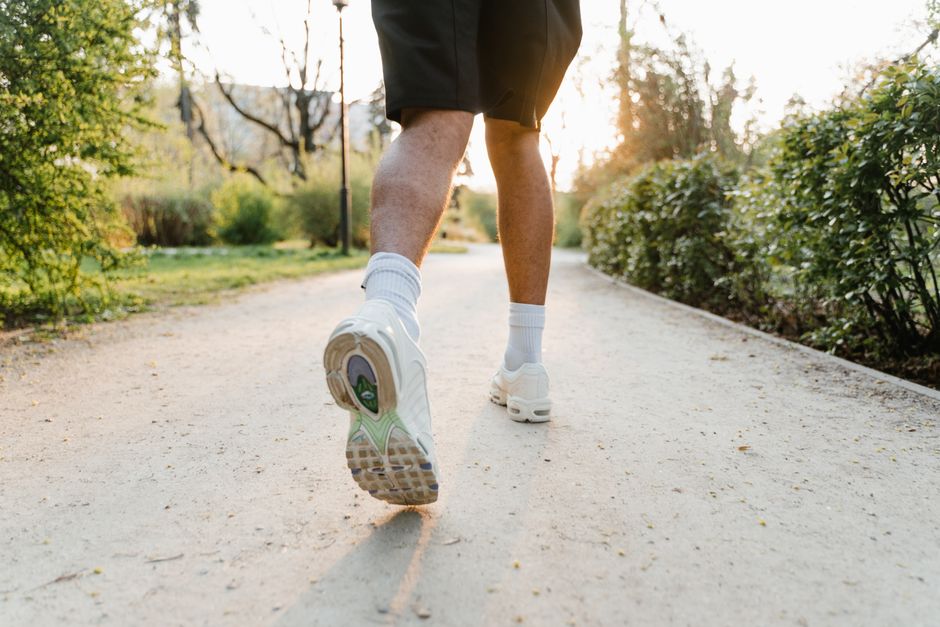
If you’re dealing with sore or damaged knees, staying active can feel like a catch-22. But **low impact cardio for bad knees at home** is one of the most effective ways to keep your heart healthy, manage your weight, and support joint recovery — without aggravating the pain. This guide covers everything from understanding your knee pain to building a sustainable routine you can do in your living room.
Understanding Your Knee Pain
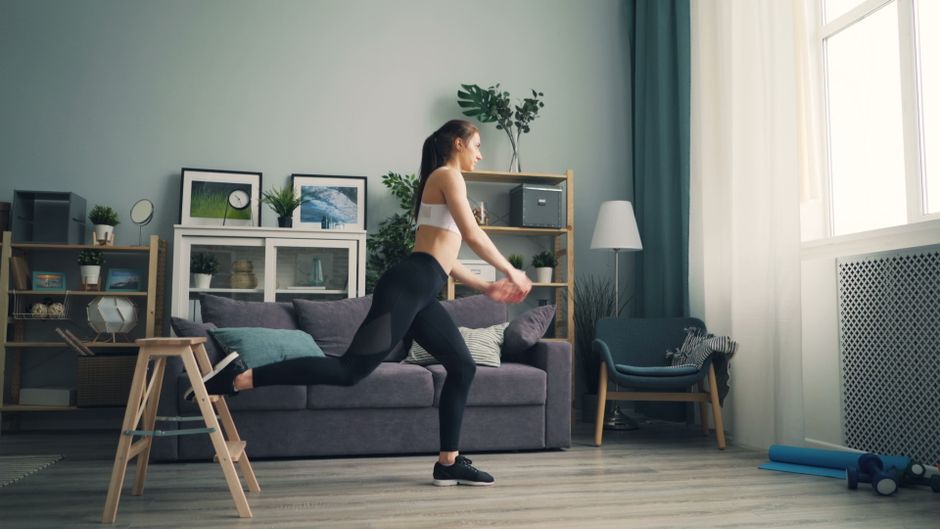
Knee pain is one of the most common complaints among American adults, affecting people of all ages and fitness levels. Common causes include osteoarthritis, patellofemoral pain syndrome, bursitis, ligament strain, and general overuse injuries. Knowing what’s driving your pain shapes how you approach exercise safely.
There’s an important difference between acute and chronic knee pain. **Acute pain** comes on suddenly from a fall, twist, or impact and signals fresh injury — rest and professional clearance come first. **Chronic pain** develops gradually over weeks or months and often responds well to gentle, consistent movement.
- Acute pain: rest, ice, and elevation first — get cleared before exercising
- Chronic pain: gentle movement is usually beneficial and recommended
- Sharp pain, significant swelling, or joint instability warrants a doctor visit
**Always consult a healthcare professional** before starting a new exercise program if you have a diagnosed knee condition, recent surgery, or pain that limits daily activities. A physical therapist can provide personalized clearance and movement modifications.
Quick pick: Compare top-rated Cardio options.
Benefits of Low Impact Cardio for Your Knees
Low impact cardio raises your heart rate without sending jarring forces through your knee joints. That’s the core advantage — you build [cardiovascular fitness](https://sieunjayb.blog/category/cardio/) while keeping mechanical stress on the knees minimal. The benefits stack up quickly once you’re consistent.
**Cardiovascular health** is the most obvious win. Regular moderate-intensity cardio strengthens your heart, lowers resting blood pressure, and improves circulation. The American Heart Association recommends at least 150 minutes of moderate cardio per week — a target very achievable with low impact options.
**Weight management** also plays a major role in knee health. Every extra pound of body weight adds roughly four pounds of pressure on your knees when walking. Losing even 10 pounds can meaningfully reduce joint load and pain levels.
- Reduced injury risk compared to running or jumping
- Improved mood and sleep quality through consistent aerobic activity
- Better joint lubrication — movement encourages synovial fluid production
- Increased muscle endurance to support and protect the knee joint
Best Low Impact Cardio Exercises for Bad Knees at Home
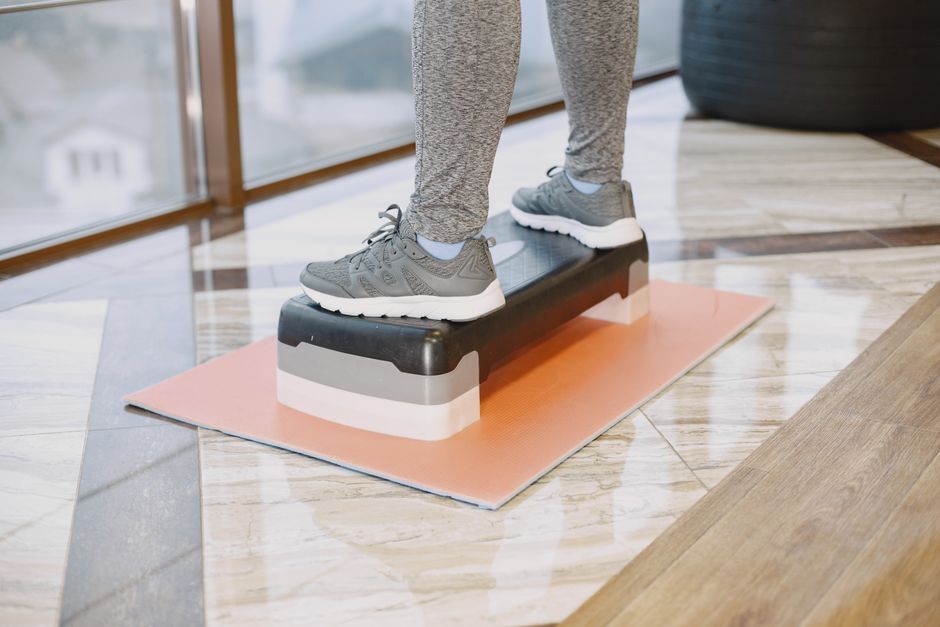
Not all low impact exercises are equally kind to knees. These are the most effective and accessible options — several require no equipment at all.
**Stationary biking** is arguably the best home option for bad knees. The circular pedaling motion moves the knee through a pain-free range with zero impact. Set your seat height so your knee has a slight bend — about 25 to 35 degrees — at the bottom of the pedal stroke.
**Seated low impact cardio videos** have exploded in popularity and work well at home. Programs designed for seniors or rehab populations are intentionally joint-friendly. YouTube offers hundreds of free options that require nothing more than a sturdy chair.
**Walking on a flat surface** remains a gold standard for accessible cardio. Focus on a soft heel strike and a slight bend in the knee throughout your stride. Supportive footwear makes a noticeable difference in how your knees feel mile after mile.
| Exercise | Equipment Needed | Impact Level | Knee-Friendly Rating |
|---|---|---|---|
| Stationary Biking | Stationary bike | None | ⭐⭐⭐⭐⭐ |
| Walking (flat surface) | Supportive shoes | Very Low | ⭐⭐⭐⭐ |
| Seated Cardio Video | Chair | None | ⭐⭐⭐⭐⭐ |
| Swimming / Water Aerobics | Pool access | None | ⭐⭐⭐⭐⭐ |
| Elliptical Machine | Elliptical trainer | Very Low | ⭐⭐⭐⭐ |
**Swimming and water aerobics** are exceptionally joint-friendly because buoyancy removes most body weight from the equation. Even 20 to 30 minutes of water walking provides exc nt cardio with near-zero knee stress. **Elliptical machines** mimic a running motion with a gliding stride — no heel strike, far less impact than a treadmill.
Building a Routine That Sticks
Building a routine that works long-term means starting conservatively and progressing methodically. Jumping in too hard — even with low impact exercises — can still flare knee pain if you skip the fundamentals.
**Warm up for 5 to 10 minutes** before every session. Gentle range-of-motion work like ankle circles, seated leg swings, and slow marching in place gets synovial fluid moving and preps the joint for activity. Never start cold.
For beginners, aim for **3 sessions per week at 15 to 20 minutes each**. Add 5 minutes per session every one to two weeks as your body adapts. Work toward 30 to 45 minute sessions, four to five days per week.
- Weeks 1–2: 3x per week, 15–20 min sessions
- Weeks 3–4: 3–4x per week, 20–25 min sessions
- Weeks 5–8: 4–5x per week, 25–35 min sessions
- Month 3+: 4–5x per week, 30–45 min sessions
**Cool down for 5 minutes** with slow walking and gentle stretching — especially the quads, hamstrings, and calves. These muscle groups directly influence knee tracking and stress. Skipping the cool-down is one of the most common beginner mistakes.
Strengthening the Muscles Around Your Knee
Cardio alone won’t fully protect your knees. Strengthening the muscles around the joint — particularly the quadriceps, hamstrings, and glutes — reduces the load the knee itself has to absorb. Think of strong surrounding muscles as a built-in brace for the joint.
The most effective beginner-safe exercises include **seated leg raises**, **glute bridges**, **clamshells**, and **partial wall sits**. These target key stabilizers without compressing the knee. Aim for 2 to 3 strength sessions per week on non-consecutive days.
- Seated leg raise: 3 sets of 12–15 reps — no equipment needed
- Glute bridge: 3 sets of 15 reps — lying on the floor, feet flat
- Clamshell: 3 sets of 15 per side — supports hip and knee alignment
- Wall sit (quarter depth only): 3 holds of 20–30 seconds
**Avoid using momentum** instead of controlled muscle engagement, going too deep into any squat variation before you have the strength, or rushing the lowering phase of each movement. Slow, controlled reps do more for joint stability than fast, sloppy ones. If any exercise causes sharp or pinching pain, stop and consult a physical therapist before continuing.
Eating to Support Joint Health
What you eat directly influences how your knees feel. Chronic inflammation is a major driver of joint pain, and diet has a measurable impact on systemic inflammation levels. The good news is that an anti-inflammatory eating pattern also supports your broader [cardio fitness goals](https://sieunjayb.blog/category/cardio/).
**Anti-inflammatory foods** to prioritize include fatty fish like salmon and sardines, leafy greens, berries, olive oil, nuts, and turmeric. These are rich in omega-3 fatty acids and antioxidants that help calm inflammatory pathways. Make them regular staples, not occasional additions.
Key nutrients for joint health include **vitamin D and calcium** for bone density, **collagen** for cartilage support, **vitamin C** for collagen synthesis, and **magnesium** for muscle function around the joint. Build every plate around a lean protein, a colorful vegetable, and a healthy fat. Reduce ultra-processed foods and added sugars, which are strongly linked to increased inflammation.
- Stay well-hydrated — at least 8 cups of water daily keeps cartilage supple
- Reduce alcohol and added sugar to lower systemic inflammation
- Modest weight loss through a calorie deficit combined with cardio can produce noticeable pain relief within weeks
Staying Motivated and Consistent
Consistency is where most people fall short — not knowledge. Building systems that make showing up easy is more valuable than finding the perfect workout. **Set goals tied to what you can control**, not outcomes. Instead of “lose 20 pounds,” try “complete three 20-minute bike sessions this week.” That’s entirely in your hands, and hitting it builds real momentum.
**Track your progress** with a simple log — a notebook, a free app, or a sticky note on the fridge. Record the date, exercise type, duration, and how your knees felt on a 1 to 10 scale. Seeing weeks of consistent entries is genuinely motivating over time.
- Schedule workouts like appointments — same time, same day
- Lay out your gear the night before to remove friction
- Use a playlist or podcast you only listen to during workouts
- Find an online community or accountability partner for check-ins
Frequently Asked Questions
What is the best time of day to exercise when managing knee pain?
There’s no universally perfect time, but many people with chronic knee stiffness find that **mid-morning workouts** — after the body has warmed up from sleep — feel more comfortable than exercising first thing. Evening workouts work equally well. The best time is simply the one you’ll actually stick to consistently.
Can I do high-impact exercises if I have knee pain?
It depends on the cause and severity of your pain. High-impact activities like running, jumping, and plyometrics place significantly more force on the knee joint and can worsen inflammation or injury. Most people with active knee pain should avoid high-impact exercise until cleared by a healthcare provider. Reintroducing light impact — if appropriate — is a decision to make with professional guidance.
How long before I notice improvements from low impact cardio?
Most people notice **reduced stiffness and improved mobility within 2 to 4 weeks** of consistent low impact cardio. Meaningful pain reduction and cardiovascular improvements typically appear within 6 to 8 weeks. Structural changes like improved cartilage health or significant weight loss take longer — often 3 to 6 months of consistent effort. Track small wins and stay patient.
Do I need special equipment to do low impact cardio at home?
Not at all. Seated cardio videos require only a sturdy chair. Walking requires supportive shoes. Glute bridges and leg raises need nothing but floor space. A stationary bike or elliptical machine adds variety and is worth the investment for long-term use, but neither is required to get started.
Is low impact cardio enough to lose weight?
Yes — combined with a modest calorie deficit, consistent low impact cardio creates a real and sustainable calorie burn. It won’t produce the same calorie expenditure per session as high-intensity exercise, but it’s exercise you can actually do without flaring knee pain. Consistency over weeks and months is what drives meaningful weight loss, not intensity in a single session.
Top Product Recommendations
| Product Name | Rating | Key Feature | Est. Price | Action |
|---|---|---|---|---|
| Top-rated stationary exercise bike for bad knees | ★★★★★ | Editor-recommended stationary exercise bike for bad knees from this guide | $18–$42 | Check Lowest Price on Amazon |
| Best-value seated cardio workout DVD for seniors | ★★★★☆ | Affordable seated cardio workout DVD for seniors — strong everyday results | $12–$28 | Check Lowest Price on Amazon |
| Premium elliptical machine for home use low impact | ★★★★☆ | Higher-end elliptical machine for home use low impact for visible, lasting results | $45–$95 | Check Lowest Price on Amazon |
Affiliate Disclosure: This post contains affiliate links. We may earn a commission if you buy through our links, at no extra cost to you.
Leave a Reply