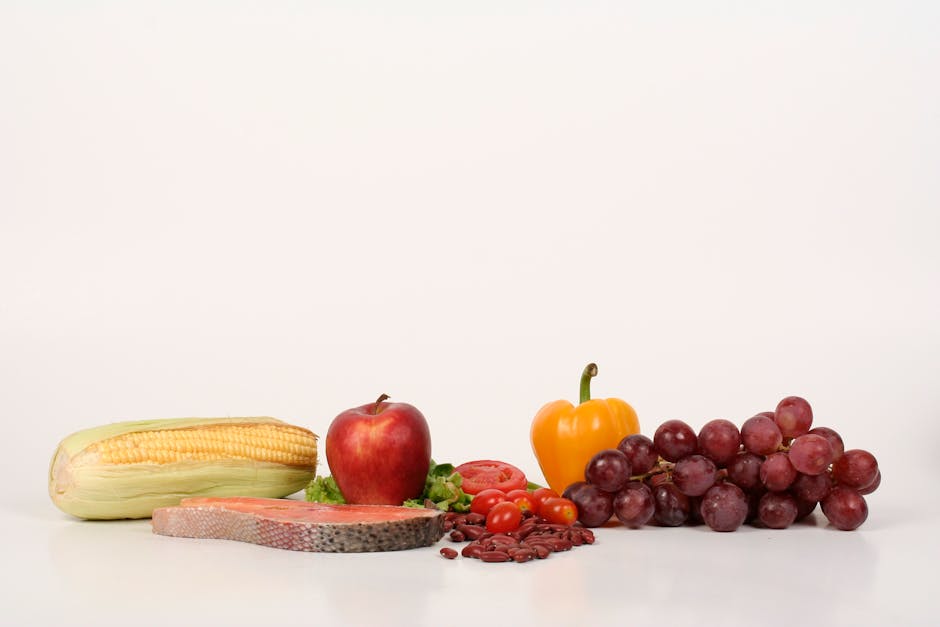
Understanding What Healthy Food Really Means
When you walk through the aisles of any grocery store, the sheer variety of options can feel overwhelming. Not every product wearing a “health” label actually delivers what it promises. Understanding what healthy food truly means is the first step toward building eating habits that support your fitness goals, energy levels, and long-term well-being.
**Healthy food** refers to whole or minimally processed foods that retain their natural nutrient density. Think of an apple versus apple-flavored crackers, or grilled salmon versus a breaded fish stick. Both may technically be “food,” but their nutritional profiles differ dramatically. Healthy foods are packed with vitamins, minerals, fiber, and lean protein, while their processed counterparts often include added sugars, refined flours, and artificial additives that can work against your fitness progress.
The distinction between healthy and unhealthy food isn’t about perfection — it’s about making informed choices most of the time. A balanced approach that prioritizes whole foods doesn’t mean you can never enjoy a treat; it means the foundation of your diet is built on foods that genuinely fuel your body. Nutritionists and fitness professionals consistently point out that the majority of your plate should come from foods your great-grandmother would recognize.
- Whole foods: fruits, vegetables, nuts, seeds, legumes
- Minimally processed: steel-cut oats, plain Greek yogurt, frozen vegetables without sauce
- Foods to limit: packaged snacks with added sugars, fried foods, sugary beverages
Benefits of Eating Healthy Foods for Your Body and Mind
The impact of nutritious eating reaches far beyond just fitting into your favorite workout gear. Research consistently shows that a diet rich in healthy whole foods supports both physical performance and mental clarity.
When you consistently fuel your body with quality nutrients, you can expect improvements in several key areas. First, your **energy levels** tend to stabilize throughout the day. Rather than experiencing the midday crash that often follows a breakfast of sugary pastries or a lunch of refined carbohydrates, you sustain steady energy from nutrient-dense meals. This matters enormously for fitness enthusiasts who need consistent power for weight training, cardio sessions, or endurance activities.
Second, your body’s **recovery capacity** improves dramatically. After a tough workout, your muscles need protein to repair and carbohydrates to replenish glycogen stores. Foods like Greek yogurt with berries, a turkey wrap on whole wheat, or a post-workout smoothie with banana and peanut butter give your body exactly what it needs to come back stronger.
Third, consistent healthy eating supports **mental well-being**. Studies have linked nutrient-rich diets to improved mood and sharper focus, both of which contribute to staying motivated in your fitness routine. Of course, if you experience persistent fatigue, mood changes, or unexplained physical symptoms, that is a signal to consult a qualified healthcare professional rather than relying on diet alone.
The Main Types of Healthy Foods Every Fitness Enthusiast Should Know
Building a strong foundation starts with understanding the core categories of nutritious foods. These aren’t complicated or exotic ingredients — they are the everyday staples that have sustained active bodies for generations.
Fruits and Vegetables
Produce forms the backbone of any health-focused eating plan. Fruits and vegetables deliver antioxidants, fiber, and essential vitamins with very few calories. The fiber keeps you full without spiking blood sugar, while antioxidants support your immune system during intense training periods. Aim to fill at least half your plate with colorful vegetables at lunch and dinner.
Seasonal produce often tastes better and costs less. In summer, load up on berries, tomatoes, and leafy greens. In cooler months, lean into root vegetables, squashes, and citrus fruits to keep your meals interesting throughout the year.
Whole Grains
Unlike refined grains, which have been stripped of their fiber and nutrient-rich bran and germ, whole grains retain the entire grain kernel. This means they digest more slowly, keeping blood sugar stable and hunger at bay for longer stretches.
| Grain Type | Best Uses | Key Benefit |
|---|---|---|
| Brown rice | Stir-fries, grain bowls | Sustained energy release |
| Quinoa | Salads, side dishes | Complete plant protein |
| Oats | Breakfast, baking | Heart-healthy fiber |
| Whole wheat bread | Sandwiches, toast | B vitamins and iron |
Lean Proteins
Protein is non-negotiable for anyone serious about fitness. It supports muscle repair, enzyme production, and immune function. The goal is to choose protein sources that deliver maximum nutrition without excessive saturated fat.
**Fish**, particularly salmon, mackerel, and sardines, offers the added benefit of omega-3 fatty acids that support joint health and reduce inflammation. **Poultry** like skinless chicken breast provides high-quality protein at an affordable price. **Legumes** such as black beans, lentils, and chickpeas give you protein plus fiber, making them exceptionally filling.
Creating a Balanced Meal Plan Built Around Healthy Food
A meal plan is not about restriction — it’s about making proactive decisions so you never find yourself reaching for whatever is convenient at the last minute. A well-structured plan ensures you hit your nutritional targets without having to think about it constantly.
Balancing Macronutrients on Your Plate
Every meal should include a source of **protein**, a source of **carbohydrates**, and a source of **healthy fats**. This trio works together to keep blood sugar stable, support muscle function, and keep you satisfied. A simple visual is to make your plate: one quarter protein, one quarter whole grains or starchy vegetables, and one half vegetables or salad, with a small drizzle of olive oil or avocado for fat.
For active individuals, timing matters. Consuming a carb-focused meal two to three hours before a workout gives you available fuel. Within ninety minutes after training, aim for a meal or snack that combines protein and carbs to kick-start recovery.
Adding Color and Variety
The phrase “eat the rainbow” exists because different pigments in fruits and vegetables correspond to different nutrient families. Red foods like tomatoes and watermelon contain lycopene. Orange and yellow foods like carrots and mangoes provide beta-carotene. Leafy greens deliver iron and folate. By deliberately adding variety, you naturally cover a broader spectrum of nutrients.
Rotating your protein sources matters too. If chicken is your default, try incorporating fish twice a week, plant proteins like tofu or tempeh a couple more days, and occasional eggs for breakfast. Each source brings a slightly different nutrient profile.
Healthy Eating Habits That Support Fitness Goals
Knowing what to eat is only half the battle. How and when you eat matters just as much. Developing consistent habits around your meals can transform your performance and recovery over time.
Pre- and Post-Workout Nutrition Timing
Eating before exercise is about sustained energy, not a heavy feast. A light snack thirty to sixty minutes before a workout might be a banana with almond butter, a small bowl of oatmeal with fruit, or a glass of chocolate milk. These options digest relatively quickly without leaving you feeling sluggish.
After your cool-down, prioritize refueling within your recovery window. This does not have to be an immediate chore — research suggests that within two hours post-workout is sufficient for most recreational athletes. A balanced meal with protein and carbs is ideal.
Hydration: The Overlooked Nutrient
Hydration is one of the most commonly underestimated factors in fitness performance. Even mild dehydration can reduce endurance, increase perceived effort, and impair strength output. **Water intake** needs vary based on body size, activity intensity, and climate, but a general guideline for active adults is roughly half your body weight in ounces as a baseline, plus an additional sixteen ounces for every hour of exercise.
Beyond water, foods with high water content — cucumbers, watermelon, oranges, and celery — contribute to your overall fluid intake. If you sweat heavily during long workouts, electrolyte beverages or a pinch of sea salt in your water can help replace sodium lost through perspiration.
Reducing Processed Foods and Added Sugars
Processed foods are engineered for taste and shelf stability, not nutrition. They often deliver excess sodium, added sugars, and unhealthy fats that can undermine your fitness progress. Added sugars, in particular, cause energy spikes followed by crashes that disrupt workout consistency.
Reading ingredient labels helps you identify hidden offenders. Ingredients are listed by quantity, so if sugar appears in the first three ingredients, that product is likely not your best choice. Swapping soda for sparkling water, flavored yogurt for plain Greek yogurt with fresh fruit, and chips for roasted nuts are simple substitutions that compound over weeks and months.
Frequently Asked Questions (FAQ)
Q: What are some easy ways to start incorporating healthier foods into my daily diet?
A: Start with small, manageable swaps rather than overhauling everything at once. Replace white bread with whole wheat bread, trade chips for a handful of mixed nuts or fresh fruit, and add one extra serving of vegetables to your dinner plate each week. Over time, these incremental changes become habits that feel natural rather than restrictive.
Q: How can I be sure I am getting enough nutrients from healthy foods alone?
A: Eating a wide variety of colorful fruits, vegetables, whole grains, and lean proteins is the most reliable strategy for covering your nutrient bases. Checking nutrition labels on packaged foods helps you understand serving sizes and ingredient quality. If you follow a restricted diet — such as a fully plant-based eating plan — consider consulting a registered dietitian or healthcare professional to identify any potential nutrient gaps like B12 or iron.
Q: What signs might indicate that my current diet is not supporting my fitness goals?
A: Pay attention to signals like persistent fatigue despite adequate sleep, difficulty recovering between workouts, unexpected changes in weight or mood, and declining performance during training sessions. These can all point to nutritional gaps. Addressing them with whole, nutrient-dense foods is the first logical step, but if symptoms persist, a visit to your healthcare provider for blood work and personalized guidance is warranted.
Explore more healthy-food guides on our site.
Top Product Recommendations
| Product Name | Rating | Key Feature | Est. Price | Action |
|---|---|---|---|---|
| Top-rated organic mixed vegetables frozen | ★★★★★ | Editor-recommended organic mixed vegetables frozen from this guide | $18–$42 | Check Lowest Price on Amazon |
| Best-value lean chicken breast bulk | ★★★★☆ | Affordable lean chicken breast bulk — strong everyday results | $12–$28 | Check Lowest Price on Amazon |
| Premium raw nuts mixed variety pack | ★★★★☆ | Higher-end raw nuts mixed variety pack for visible, lasting results | $45–$95 | Check Lowest Price on Amazon |
Affiliate Disclosure: This post contains affiliate links. We may earn a commission if you buy through our links, at no extra cost to you.
Leave a Reply