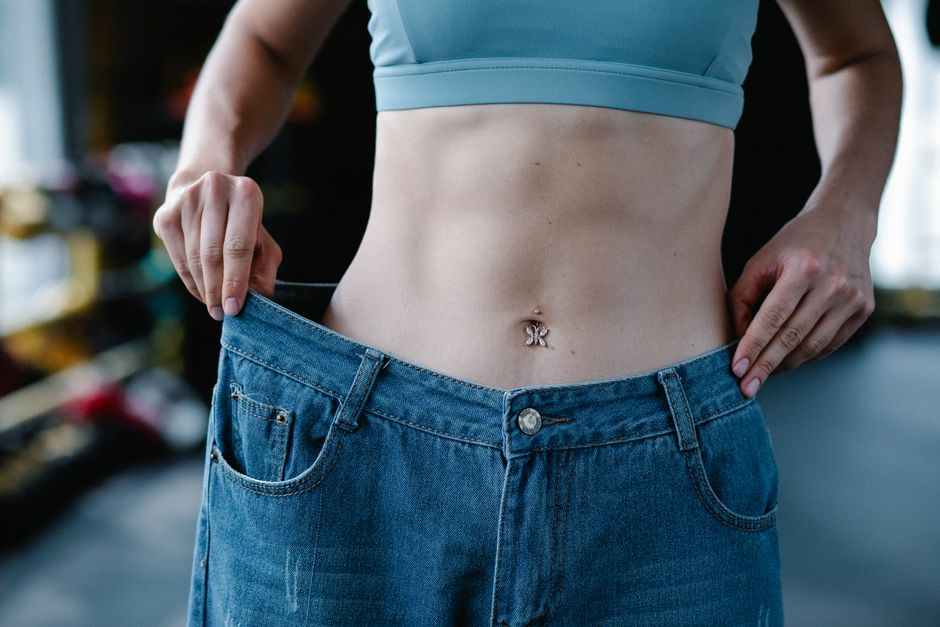
Introduction to Weight Loss for Beginners
Starting a weight-loss journey can feel overwhelming, especially when you are bombarded with conflicting advice. The good news is that sustainable weight loss does not require extreme diets or hours in the gym every single day. At its core, weight loss comes down to one simple principle: burning more calories than you consume. This creates what is known as a calorie deficit, and it is the foundation of every successful transformation story.
Before diving in, it is important to set realistic weight-loss goals. Losing 1 to 2 pounds per week is generally considered a healthy and sustainable rate by most fitness professionals. Anything faster than that often leads to muscle loss, nutritional deficiencies, and rebound weight gain. Begin by understanding your current habits, tracking what you eat for a few days, and identifying small changes you can make right away. Small, consistent adjustments add up faster than you might think.
The key to long-term success is building habits that you can maintain for life, not just for a few weeks. Focus on progress, not perfection, and remember that every step forward counts.
Creating a Calorie Deficit
Understanding how many calories your body actually needs each day is the first step toward creating an effective calorie deficit. Your total daily energy expenditure, or TDEE, depends on your age, sex, weight, activity level, and metabolism. Online calculators can give you a solid estimate to start with. Once you know your maintenance calories, subtract 300 to 500 calories per day to create a modest but effective deficit that promotes steady fat loss without leaving you feeling deprived or sluggish.
There are two primary ways to achieve this deficit: eating less and moving more. Reducing calorie intake does not mean starving yourself. Instead, focus on swapping high-calorie processed foods for nutrient-dense whole foods that fill you up on fewer calories. Increasing your activity level, whether through planned exercise or simply moving more throughout the day, helps you burn additional calories without dramatically changing what is on your plate.
The most effective approach combines both strategies. You do not need to overhaul your entire life overnight. Start with one small change in your eating habits and one additional 15-minute walk per day. Gradual adjustments are far more sustainable than aggressive cuts that leave you miserable and craving unhealthy foods.
- Calculate your estimated TDEE using an online calculator
- Subtract 300–500 calories to set your daily target
- Combine dietary changes with consistent light exercise
- Track your intake for the first two weeks to establish a baseline
Healthy Eating Habits That Stick
Nutrition plays a far larger role in weight loss than exercise alone. You simply cannot outrun a poor diet on the treadmill. Building healthy eating habits starts with prioritizing whole, minimally processed foods such as lean proteins, colorful vegetables, whole grains, and healthy fats. These foods keep you satisfied longer and provide the nutrients your body needs to function optimally.
Processed and sugary foods are some of the biggest obstacles to weight loss. Sugary beverages alone can add hundreds of empty calories to your daily intake without curbing hunger. Likewise, highly processed snacks are engineered to be hyper-palatable, making portion control extremely difficult. Identifying and reducing these problem foods delivers faster results than adding new superfoods or supplements ever could.
Meal planning and preparation are the secret weapons of people who successfully maintain a healthy weight over time. When you plan your meals in advance, you eliminate the frantic decisions that lead to takeout orders and vending machine impulse buys. Batch cooking on Sundays, keeping healthy snacks pre-portioned, and maintaining a well-stocked fridge are all strategies that make the healthy choice the easy choice.
- Prioritize lean proteins, vegetables, whole grains, and healthy fats
- Eliminate or drastically reduce sugary beverages and processed snacks
- Plan your meals at the beginning of each week
- Pre-portion healthy snacks to avoid mindless eating
Effective Workouts for Weight Loss
Exercise is a powerful tool for accelerating weight loss, and the most effective programs combine cardio and strength training. Cardiovascular exercise such as brisk walking, cycling, or swimming burns calories directly during the activity. Strength training builds lean muscle tissue, which raises your resting metabolic rate over time, meaning you burn more calories even when you are not working out.
High-intensity interval training, commonly known as HIIT, has become one of the most popular fat-loss workout styles for good reason. HIIT alternates between short bursts of intense effort and brief recovery periods, keeping your heart rate elevated throughout the session. A typical HIIT workout can burn more calories in 20 minutes than steady-state cardio does in 40. Best of all, the afterburn effect, known scientifically as excess post-exercise oxygen consumption, means your body continues burning calories for hours after you finish.
For those who prefer lower-impact options, walking is one of the most underrated weight-loss tools available. A 30-minute brisk walk burns roughly 150 to 200 calories for an average-sized adult, and it is accessible to nearly everyone regardless of fitness level. Gradually increasing your step count each week is a simple, effective strategy that produces measurable results over time.
| Workout Type | Duration | Calories Burned (Avg. Adult) | Best For |
|---|---|---|---|
| Brisk Walking | 30 min | 150–200 cal | Beginners, low-impact goals |
| Jogging | 30 min | 250–350 cal | Intermediate fitness levels |
| HIIT Session | 20 min | 300–400 cal | Time-efficient fat burning |
| Strength Training | 45 min | 200–300 cal | Building lean muscle mass |
Strength Training and Muscle Preservation
One of the most common mistakes people make during weight loss is focusing exclusively on cardio while neglecting strength training. When you create a calorie deficit without preserving lean muscle tissue, you risk losing muscle mass along with fat. This is problematic because muscle is metabolically active, meaning it burns calories at rest. Losing muscle slows your metabolism, making continued weight loss harder and increasing the likelihood of rebound weight gain.
Resistance training, whether with free weights, resistance bands, or bodyweight exercises, signals your body to preserve and build lean tissue even during a calorie deficit. Aim to incorporate strength training sessions two to three times per week, targeting major muscle groups including the chest, back, legs, and core. Compound movements such as squats, push-ups, rows, and lunges deliver the most bang for your buck because they engage multiple muscle groups simultaneously.
Beginners should start with lighter resistance and focus on mastering proper form before increasing weight or intensity. Advanced exercisers can progressively overload by adding resistance, increasing repetitions, or reducing rest periods between sets. Consistency matters far more than any specific program or equipment choice.
Beginner Modification
Start with bodyweight exercises such as wall push-ups, chair squats, and floor glute bridges. Perform 2 sets of 10 to 12 repetitions for each movement, resting 60 seconds between sets. Focus on controlled, deliberate motions rather than speed.
Advanced Modification
Incorporate progressive overload with dumbbells or kettlebells. Try supersets pairing upper and lower body movements, and reduce rest periods to 30 seconds. Target 3 to 4 sets of 8 to 10 reps per exercise for maximum muscle recruitment.
Staying Motivated and Accountable
Motivation naturally ebbs and flows, which is why building systems for accountability is critical for long-term success. Tracking your progress goes beyond stepping on a scale. Keep a log of your workouts, take body measurements periodically, and note how your energy levels and clothing fit change over time. The scale does not tell the whole story, and non-scale victories often provide the most meaningful motivation when weight loss temporarily stalls.
Finding an accountability partner can dramatically increase your consistency. This does not have to mean hiring an expensive personal trainer. A workout buddy, an online fitness community, or even a friend who shares similar goals can provide the gentle push needed on difficult days. Sharing your goals with someone else creates social accountability that makes it harder to skip workouts or abandon your eating plan.
Celebrating small victories is essential for maintaining a positive mindset throughout your journey. Completing a full week of planned workouts, resisting an urge to snack late at night, or walking an extra block past your usual turning point all deserve recognition. These small wins accumulate into lasting behavioral change. Equally important is avoiding catastrophic thinking when setbacks occur. One skipped workout or indulgent meal does not erase your progress. What matters is getting back on track immediately, not perfectly.
- Track workouts, measurements, and non-scale victories weekly
- Join a fitness community or find a workout partner for accountability
- Celebrate every small win to reinforce positive habits
- Reset immediately after setbacks without self-criticism
Frequently Asked Questions (FAQ)
Q: How often should I weigh myself during a weight-loss journey?
A: Weighing yourself once per week at the same time of day and under the same conditions provides the most accurate picture of long-term trends. Daily fluctuations are completely normal and often caused by water retention, sodium intake, or hormonal changes. Weighing daily can be discouraging and counterproductive. Focus on the weekly trend rather than day-to-day numbers.
Q: What role does genetics play in weight loss?
A: Genetics influence factors such as your metabolic rate, fat distribution patterns, and even your predisposition toward certain eating behaviors. However, genetics are not a destiny. Research consistently shows that lifestyle factors including diet quality, physical activity levels, sleep quality, and stress management have a far greater impact on body composition than genetic predispositions. Your daily choices matter more than your genetic code.
Q: Can certain foods actually help boost weight loss?
A: While no food burns fat directly, some foods can support your weight-loss efforts by increasing satiety, providing nutrients that optimize metabolism, or slightly increasing thermogenesis. Protein-rich foods such as eggs, Greek yogurt, and chicken breast are particularly effective at promoting fullness. Spicy foods containing capsaicin may provide a modest boost in calorie expenditure. Fiber-rich vegetables and legumes help you stay satisfied on fewer calories. Focus on building meals around whole foods rather than searching for miracle fat-burning ingredients.
Q: How do I break through a weight-loss plateau?
A: Plateaus are a normal part of the weight-loss process and typically occur because your body has adapted to your current routine. When you hit a plateau, try adjusting your calorie intake slightly downward or increasing your activity intensity. Incorporating new workout styles challenges your body in different ways. Ensure you are getting adequate sleep and managing stress, as both cortisol and poor recovery can stall progress. Most importantly, stay patient and consistent. Plateaus usually break after a week or two of adjusted effort.
Explore more weight-loss guides on our site.
Top Product Recommendations
| Product Name | Rating | Key Feature | Est. Price | Action |
|---|---|---|---|---|
| Top-rated digital body weight scale for tracking progress | ★★★★★ | Editor-recommended digital body weight scale for tracking progress from this guide | $18–$42 | Check Lowest Price on Amazon |
| Best-value adjustable dumbbell set for strength training | ★★★★☆ | Affordable adjustable dumbbell set for strength training — strong everyday results | $12–$28 | Check Lowest Price on Amazon |
| Premium high-intensity interval training equipment | ★★★★☆ | Higher-end high-intensity interval training equipment for visible, lasting results | $45–$95 | Check Lowest Price on Amazon |
Affiliate Disclosure: This post contains affiliate links. We may earn a commission if you buy through our links, at no extra cost to you. Medical Disclaimer: This content is for informational purposes only and is not medical advice. Consult a healthcare professional before changing diet or exercise.
Leave a Reply