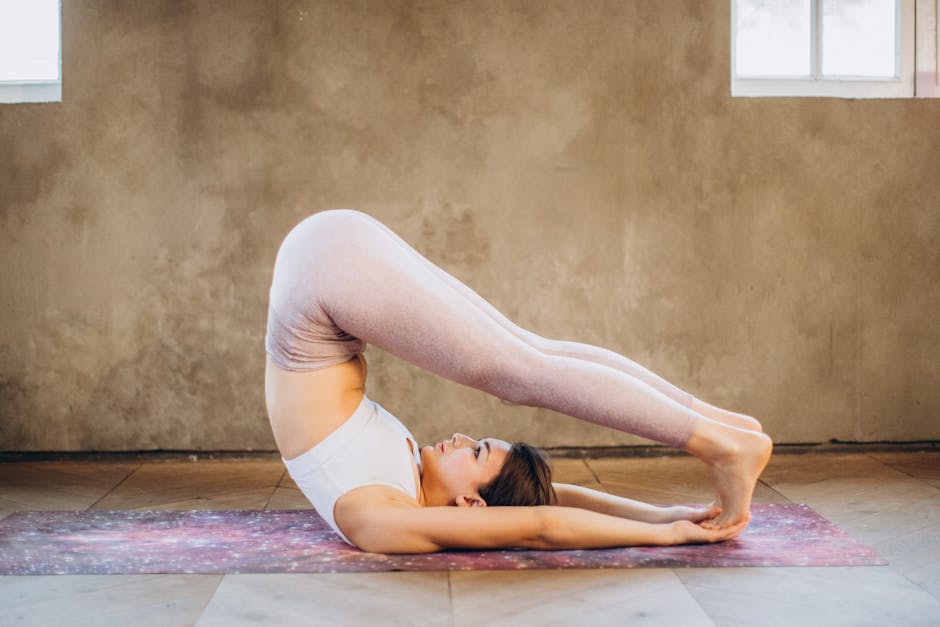
Introduction to Yoga for Health and Fitness
Yoga has become one of the most popular fitness practices in the United States, and for good reason. This ancient discipline combines physical movement, controlled breathing, and mindfulness to create a well-rounded approach to health that works for people of all ages and fitness levels. Whether you are looking to improve your flexibility, build functional strength, manage stress, or simply add more movement to your daily routine, yoga offers a flexible and accessible path forward.
The physical benefits of yoga are well documented. Regular practice can improve flexibility, increase muscle tone, support joint health, and enhance overall body awareness. Mentally, yoga practitioners often report reduced stress, better focus, and improved sleep quality. These combined benefits make yoga a uniquely powerful tool for anyone looking to invest in their long-term wellness without relying on expensive equipment or gym memberships.
Finding the right yoga style matters. Some styles, like Hatha or Iyengar yoga, move at a slower pace and emphasize precision in alignment. Others, like Vinyasa or Ashtanga, link breath to movement in flowing sequences that raise your heart rate. Restorative yoga focuses on deep relaxation and passive stretching. If you are new to the practice, experimenting with a few different class formats can help you discover which approach aligns best with your goals and personality.
- **Key benefits of yoga for beginners:** improved flexibility, better posture, reduced stress, enhanced body awareness, and increased strength
- **Popular yoga styles for US beginners:** Hatha, Vinyasa, Restorative, and Yin yoga
- **Who can practice yoga:** virtually anyone, regardless of age or current fitness level
Starting a Yoga Practice
Before you roll out your mat for the first time, there are a few practical considerations worth addressing. You do not need expensive gear to begin practicing yoga, but having a quality yoga mat provides a stable, non-slip surface that supports your joints and helps you hold poses safely. Comfortable, stretchy clothing that does not restrict your movement is essential. Most importantly, approach your first sessions with patience and an open mind.
Selecting a qualified yoga instructor makes a significant difference in your experience. Look for instructors who hold recognized certifications and who emphasize proper alignment over advanced poses. A good teacher will offer modifications for every level and will check in on your form throughout class. Many studios and online platforms allow you to preview instructors, so take advantage of trial classes or introductory offers to find someone whose teaching style resonates with you.
Setting realistic goals keeps your practice sustainable. Rather than aiming to master an advanced pose within weeks, focus on consistency. Commit to practicing two to three times per week for at least four weeks before evaluating your progress. Track how you feel after each session rather than only measuring physical results. This mindset shift helps you build a lasting habit instead of burning out chasing perfection.
- **Essential first steps:** choose a style, find a qualified instructor, set a realistic schedule
- **Common beginner mistake:** comparing yourself to more advanced practitioners in class
- **Tip:** start with shorter 20 to 30 minute sessions and build duration gradually
Common Yoga Poses and Sequences
If you are new to yoga, mastering a handful of foundational poses gives you the vocabulary for virtually any class you attend. The mountain pose, or Tadasana, teaches you to stand with alignment and awareness. Downward-facing dog, or Adho Mukha Svanasana, stretches the hamstrings, calves, and shoulders while building strength in your arms and legs. Warrior I and Warrior II establish a stable foundation and open the hips and chest.
The seated forward fold, or Paschimottanasana, calms the nervous system while stretching the entire back body. The cat-cow sequence, known as Marjaryasana-Bitilasana, warms up the spine and encourages fluidity in movement. Bridge pose, or Setu Bandhasana, strengthens the posterior chain and gently opens the chest. These six poses, practiced consistently, form a reliable base that serves beginners and experienced practitioners alike.
As you progress, you can layer in more challenging variations. Tree pose, or Vrksasana, builds single-leg stability and focus. Crow pose, or Bakasana, introduces weight-bearing balance on the hands. Extended side angle and half-moon poses challenge coordination and strength simultaneously. A well-rounded weekly practice might include standing poses for strength, seated poses for flexibility, and a few inversion variations to support circulation and nervous system regulation.
- **Beginner pose sequence:** Tadasana, cat-cow, downward dog, Warrior I and II, seated forward fold, bridge pose
- **Progression approach:** master one to two new poses per week while maintaining your existing practice
- **Frequency recommendation:** two to three sessions per week, with rest days built in for recovery
Yoga and Meditation
One of the most compelling reasons to practice yoga is its natural connection to meditation and mindfulness. While many people in the US approach yoga primarily as a physical workout, the discipline has roots in contemplative traditions that emphasize inner stillness and mental clarity. Even a simple yoga sequence, when practiced with intentional breathing and present-moment awareness, begins to shift your nervous system from a state of chronic stress toward a calmer, more regulated baseline.
Incorporating brief meditation into your yoga routine does not require a separate time commitment. After completing your physical poses, simply sit or lie still for three to five minutes. Close your eyes, focus on your breath, and notice any sensations arising in your body without judgment. Guided body scan meditations work well for beginners and can be accessed through numerous free apps and online resources.
The mindfulness benefits of yoga extend beyond the mat. Regular practitioners often report greater emotional regulation, reduced anxiety reactivity, and improved concentration during work and daily tasks. These outcomes align with research suggesting that combined movement and mindfulness practices outperform either approach alone for stress reduction and mental well-being.
- **Simple meditation integration:** finish each yoga session with three to five minutes of seated breath awareness
- **Body scan practice:** systematically move attention from feet to crown, noticing sensations without trying to change them
- **Daily micro-practice:** even five minutes of seated breathing between yoga sessions reinforces the mindfulness habit
Yoga for Specific Health Concerns
Yoga offers targeted benefits for several common health concerns that affect millions of Americans. For stress and anxiety management, practices that emphasize extended exhalations and supported restorative poses activate the parasympathetic nervous system. Poses like legs-up-the-wall, or Viparita Karani, and child’s pose provide gentle, calming stimulation that can complement professional mental health support.
Flexibility and joint health improve steadily with consistent practice. Yoga poses that move joints through their full range of motion, such as standing forward folds, hip-opening lizards, and spinal twists, support synovial fluid circulation and maintain connective tissue health. For individuals with desk jobs or sedentary lifestyles, this regular movement helps counteract the stiffness that accumulates from prolonged sitting.
Building strength through yoga is entirely achievable without touching a single weight. Weight-bearing poses like plank, chair pose, and warrior sequences recruit multiple muscle groups simultaneously. Over time, these functional challenges increase muscle tone, improve bone density, and enhance metabolic health. Yoga also builds the deep stabilizing muscles that support the spine and pelvis, which many Americans neglect in conventional strength training programs.
| Yoga Approach | Primary Benefit | Best For |
|---|---|---|
| Restorative Yoga | Stress relief, nervous system regulation | Anxiety, burnout, recovery |
| Vinyasa / Flow | Cardiovascular health, strength | Weight management, endurance |
| Yin Yoga | Deep flexibility, joint mobility | Stiffness, chronic tightness |
| Hatha Yoga | Foundational strength, body awareness | Beginners, skill development |
- **For stress:** practice restorative poses with extended hold times of three to five minutes
- **For flexibility:** hold stretches for sixty seconds or longer per side to reach deeper tissues
- **For strength:** hold isometric poses like plank and warrior for thirty to sixty seconds
If you have a specific medical condition, working with a qualified healthcare professional alongside a certified yoga therapist ensures your practice supports rather than challenges your health needs.
Yoga and Fitness Accessories
While yoga requires minimal equipment, the right accessories can make your practice safer, more comfortable, and more enjoyable. A high-quality yoga mat provides grip and cushioning that directly impacts your safety during standing and floor poses. Standard mats are approximately sixty-eight inches long and twenty-four inches wide, but taller practitioners may want to consider extended lengths. Thickness typically ranges from one-eighth inch for travel mats to one-quarter inch or more for maximum joint protection.
Yoga blocks assist beginners by bringing the floor closer to the body, allowing proper alignment in poses that would otherwise be inaccessible. A foam or cork block provides stable support for forward folds, lunges, and balance poses. Yoga straps extend your reach, enabling you to maintain proper form in hamstring and shoulder stretches without forcing your body beyond its current range.
Beyond the mat and props, comfortable athletic clothing made from breathable, moisture-wicking fabrics supports temperature regulation during active flows. If you practice hot yoga or power yoga, sweat-resistant clothing and a towel become more relevant. Investing in a quality mat and one or two props gives you most of the benefits without requiring a full studio setup at home.
- **Must-have accessories:** yoga mat, yoga blocks, yoga strap
- **Nice-to-have additions:** yoga towel, meditation cushion, yoga bolsters
- **Injury prevention tip:** replace worn mats promptly and use props whenever your form compromises due to limited flexibility
Staying safe during yoga practice involves listening to your body, respecting your current limits, and avoiding competitive comparison with others in class. Pain is a signal to stop or modify, not a badge of effort. Most yoga injuries result from pushing too hard in advanced poses before adequate foundational strength and flexibility are established.
Yoga Nutrition and Lifestyle Support
Supporting your yoga practice with thoughtful nutrition and lifestyle habits amplifies your results. Adequate hydration supports joint lubrication and muscle recovery, particularly if you practice vigorous styles like Vinyasa or hot yoga. Prioritizing whole foods, lean proteins, and complex carbohydrates provides sustained energy for your sessions and supports muscle repair afterward.
Quality sleep rounds out the wellness picture. The parasympathetic activation cultivated during yoga practice can improve sleep onset and duration when paired with consistent bedtime routines. Practitioners who maintain regular schedules for sleep, meals, and yoga sessions often notice faster progress and more stable energy throughout the day.
Rest days are not optional in yoga, even though the practice itself can feel restorative. Muscles and connective tissues require recovery time to adapt and grow stronger. Alternating active yoga days with gentle restorative sessions or complete rest prevents overuse patterns and keeps your practice sustainable over months and years.
- **Hydration goal:** drink water consistently throughout the day, not just during or after practice
- **Pre-yoga eating:** allow one to two hours between meals and your practice to avoid discomfort
- **Recovery habit:** schedule at least one full rest day per week alongside your active yoga sessions
Frequently Asked Questions (FAQ)
What are the most common mistakes beginners make in yoga?
Beginners frequently push too deeply into poses before their bodies are ready, forcing the spine, hips, or shoulders into ranges that cause strain. Another common mistake is holding the breath during challenging poses instead of maintaining smooth, rhythmic breathing throughout. Comparing your practice to others in the room also undermines confidence and progress. Finally, many new practitioners skip warm-ups entirely, jumping straight into deep stretches without preparing the muscles and joints, which increases injury risk.
How often should I practice yoga to see results?
Most beginners can expect noticeable improvements in flexibility and body awareness within two to four weeks of consistent practice. Strength and cardiovascular adaptations typically develop over eight to twelve weeks. Practicing two to three times per week is sufficient for steady progress in flexibility, while more frequent sessions of four to five times per week accelerate strength gains. The most important factor is regularity rather than intensity or duration.
Can yoga help with weight loss and toning?
Yoga supports weight management primarily through increased movement, improved body awareness, stress reduction, and enhanced metabolic function. Vigorous styles like power yoga, Vinyasa flow, and hot yoga can elevate heart rate sufficiently to contribute to calorie burning. Gentler styles contribute less directly but support weight management by reducing stress-related eating and improving sleep quality, both of which regulate appetite hormones. Yoga also tones specific muscle groups, particularly the core, upper body, and hip stabilizers, creating a leaner, more defined physique over time.
Explore more yoga guides on our site.
Top Product Recommendations
| Product Name | Rating | Key Feature | Est. Price | Action |
|---|---|---|---|---|
| Top-rated yoga mat non-slip | ★★★★★ | Editor-recommended yoga mat non-slip from this guide | $18–$42 | Check Lowest Price on Amazon |
| Best-value yoga blocks set | ★★★★☆ | Affordable yoga blocks set — strong everyday results | $12–$28 | Check Lowest Price on Amazon |
| Premium yoga strap adjustable | ★★★★☆ | Higher-end yoga strap adjustable for visible, lasting results | $45–$95 | Check Lowest Price on Amazon |
Affiliate Disclosure: This post contains affiliate links. We may earn a commission if you buy through our links, at no extra cost to you. Medical Disclaimer: This content is for informational purposes only and is not medical advice. Consult a healthcare professional before changing diet or exercise.
Leave a Reply