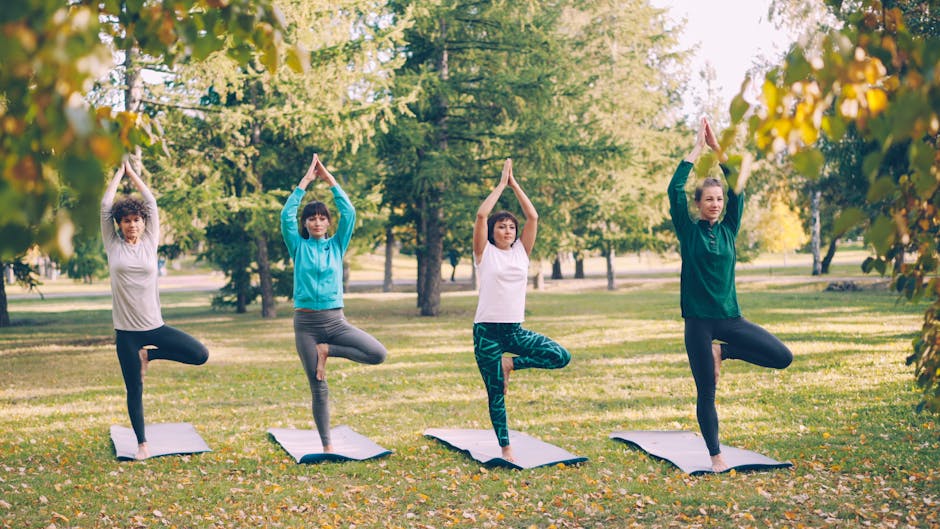
Introduction to Yoga for Health and Fitness
Yoga offers a transformative approach to physical and mental well-being that has stood the test of time. This ancient practice combines **physical postures**, **breathing techniques**, and **meditation** to create a holistic fitness system. Whether you’re looking to build strength, improve flexibility, or reduce stress, yoga provides accessible tools for every fitness goal.
Originating in ancient India over 5,000 years ago, yoga has evolved into numerous styles practiced worldwide. The philosophy emphasizes the connection between mind, body, and breath. Modern scientific research continues to validate what practitioners have known for centuries—that regular yoga practice delivers measurable health benefits.
Practicing yoga regularly can improve **cardiovascular health**, enhance **muscle tone**, increase **joint mobility**, and support **mental clarity**. Studies show that consistent practice reduces inflammation, lowers blood pressure, and improves sleep quality. These benefits make yoga an exc nt addition to any fitness routine, whether you’re a complete beginner or an experienced athlete.
Yoga Poses for Beginners
Starting your yoga journey requires learning foundational poses that build strength and body awareness. **Mountain Pose (Tadasana)** teaches proper alignment and posture, serving as the foundation for standing poses. **Downward-Facing Dog (Adho Mukha Svanasana)** stretches the entire posterior chain while building upper body strength. **Child’s Pose (Balasana)** provides a restful position for recovery between more challenging sequences.
Proper form and alignment prevent injury and maximize the effectiveness of each pose. Keep your shoulders away from your ears, engage your core muscles, and maintain neutral spine alignment. **Breathe continuously** through your nose—holding your breath signals tension and limits the benefits of each position.
Common mistakes include comparing yourself to others, pushing into pain rather than mild discomfort, and rushing through poses. Focus on **controlled movements** and proper engagement rather than achieving the deepest variation. Use props like blocks, straps, and bolsters to support proper alignment while building flexibility and strength gradually.
Yoga for Flexibility and Strength
Yoga builds functional strength through **bodyweight resistance** and **isometric holds** that challenge muscles differently than traditional weight training. **Warrior poses** develop leg strength and hip stability. **Plank variations** build core endurance. **Arm balances** like Crow Pose require full-body coordination and upper body power.
Flexibility gains come from consistent practice that lengthens muscles and increases range of motion. **Forward folds** target hamstrings and lower back. **Hip openers** like Pigeon Pose release tension from prolonged sitting. **Backbends** counteract rounded shoulders and improve spinal mobility. Hold stretches for **5-10 breaths** to allow muscles to release safely.
Progressing from beginner to advanced poses requires patience and systematic skill-building. Master the foundations before attempting complex variations. Record your practice to identify alignment issues. Incorporate yoga 3-4 times weekly alongside your strength training routine—the improved mobility and body awareness enhance performance in other activities.
| Fitness Goal | Recommended Yoga Style | Weekly Frequency |
|---|---|---|
| Flexibility | Yin or Hatha | 3-4 sessions |
| Strength Building | Vinyasa or Power Yoga | 4-5 sessions |
| Stress Relief | Restorative or Gentle | 2-3 sessions |
| Weight Loss | Power or Hot Yoga | 4-6 sessions |
Yoga for Stress Relief and Relaxation
Stress reduction remains one of yoga’s most valuable benefits for modern practitioners. **Slow, flowing sequences** activate the parasympathetic nervous system, which governs rest and recovery. Gentle poses like **Legs-Up-the-Wall** and **Supported Bridge Pose** calm the nervous system and lower cortisol levels.
**Pranayama** (breathing techniques) directly influence mental state and stress response. **Ujjayi breathing** creates a soothing rhythm that focuses attention inward. **Alternate nostril breathing** balances the nervous system and reduces anxiety. Practice **4-7-8 breathing** (inhale for 4 counts, hold for 7, exhale for 8) to activate relaxation responses quickly.
Meditation and mindfulness practices integrated into yoga sessions cultivate present-moment awareness. Start with **5 minutes** of seated meditation after physical practice when the body is relaxed and the mind is quieter. Focus on breath sensations, body awareness, or a simple mantra. These practices reduce rumination and improve emotional regulation over time.
Yoga for Weight Loss and Fitness
While yoga burns fewer calories than high-intensity cardio, specific styles and sequences support weight loss goals effectively. **Power yoga** and **vinyasa flow** classes maintain elevated heart rates for **45-60 minutes**, burning **200-400 calories** per session depending on intensity and body weight. **Hot yoga** increases caloric expenditure through thermoregulation demands.
Integrating yoga into a comprehensive fitness routine enhances results from other activities. Practice yoga on **active recovery days** between strength training sessions to maintain movement without overtaxing muscles. Morning yoga sessions boost metabolism and set a mindful tone for the day. Evening practices support better sleep, which directly impacts weight management hormones.
Beyond calorie burning, yoga develops **mindful eating habits** and body awareness that support sustainable weight management. Research shows regular practitioners make healthier food choices and recognize fullness cues more accurately. The stress-reduction benefits prevent emotional eating patterns. Combine yoga with **moderate calorie deficit** and **adequate protein intake** for optimal body composition changes.
Yoga for Recovery and Injury Prevention
Recovery-focused yoga practices accelerate healing between intense training sessions and prevent overuse injuries. **Gentle stretching** increases blood flow to muscles, delivering nutrients and removing metabolic waste products. **Restorative poses** held for **3-5 minutes** with prop support allow deep fascial release and nervous system recovery.
Yoga prevents common fitness injuries by addressing muscular imbalances and movement pattern dysfunctions. **Hip mobility work** prevents knee and lower back pain from tight hip flexors. **Shoulder stability exercises** protect against rotator cuff strains. **Core strengthening** through yoga supports proper spinal alignment during heavy lifts.
Incorporate **20-30 minutes** of recovery yoga on rest days or after intense workouts. Focus on areas that receive the most stress from your primary activities—runners benefit from hip and hamstring work, while weightlifters need shoulder and thoracic spine mobility. Listen to your body and avoid pushing into pain. If recovering from injury, consult a healthcare professional before beginning yoga practice.
Building a Sustainable Yoga Practice
Creating a consistent yoga routine requires realistic goal-setting and schedule integration. Start with **2-3 sessions weekly** lasting **20-30 minutes** rather than attempting ambitious daily hour-long practices. Morning sessions energize you for the day, while evening practices promote better sleep. Choose times when you’re least likely to be interrupted.
Home practice offers convenience and flexibility for busy schedules. Designate a **dedicated space** with enough room to extend arms and legs fully. Invest in a **quality yoga mat** with adequate cushioning and grip. Keep props accessible—blocks, straps, and bolsters expand pose options. Online videos and apps provide structured guidance for home practitioners.
Tracking progress helps maintain motivation through plateaus. Take **monthly photos** in key poses to observe flexibility and strength improvements. Journal about how you feel after practice—energy levels, stress reduction, and sleep quality. Celebrate small wins like holding poses longer or achieving better alignment. Remember that yoga is a lifelong practice with benefits that accumulate over years.
Frequently Asked Questions (FAQ)
What are the most common mistakes beginners make when practicing yoga?
Beginners frequently compromise proper form to achieve deeper poses, which increases injury risk and reduces effectiveness. Incorrect alignment in foundational poses like Downward Dog—such as hyperextending elbows or letting shoulders collapse—creates compensatory patterns. Many new practitioners hold their breath during challenging poses rather than maintaining steady breathing.
Overstretching remains a prevalent mistake driven by comparing yourself to more flexible practitioners. Push only to **mild discomfort**, never sharp pain. Another common error is neglecting strength development while focusing exclusively on flexibility, which creates joint instability. Balance your practice with poses that build **muscular support** around joints.
How often should I practice yoga to see benefits?
Daily practice delivers the most comprehensive benefits, but consistency matters more than frequency. Most practitioners see noticeable improvements in flexibility, strength, and stress levels with **3-4 sessions weekly**. This frequency allows adequate recovery while building progressive adaptations.
Beginners should start with **2-3 times weekly** to allow the body to adapt to new movement patterns. Gradually increase frequency as poses become familiar and recovery improves. Even **10-15 minutes daily** provides more benefits than sporadic longer sessions. The key is establishing a **sustainable routine** that fits your schedule and energy levels long-term.
Can yoga help with weight loss?
Yoga supports weight loss through multiple mechanisms beyond simple calorie burning. Vigorous styles like power yoga and vinyasa burn **200-400 calories per hour**, comparable to moderate-intensity cardio. Hot yoga increases caloric expenditure through elevated body temperature regulation demands.
The mindfulness component of yoga practice influences eating behaviors and food choices significantly. Regular practitioners demonstrate improved **appetite regulation** and reduced emotional eating patterns. Yoga also reduces cortisol levels, which when chronically elevated promote fat storage, particularly around the midsection. Combine yoga with **balanced nutrition** and other forms of exercise for optimal weight management results.
Is yoga suitable for all ages and fitness levels?
Yoga is remarkably adaptable to different abilities, ages, and physical conditions. Every pose offers **modifications** that reduce intensity while maintaining benefits. Chair yoga provides options for practitioners with limited mobility or balance concerns. Gentle and restorative styles accommodate those recovering from injuries or managing chronic conditions.
Seniors benefit from improved balance, bone density, and joint mobility through regular practice. Children develop body awareness, focus, and emotional regulation skills. Athletes use yoga to enhance performance and prevent injuries. However, individuals with specific medical conditions should consult healthcare professionals before starting. Pregnant practitioners should seek prenatal-specific classes with appropriate modifications.
Explore more yoga guides on our site.
Top Product Recommendations
| Product Name | Rating | Key Feature | Est. Price | Action |
|---|---|---|---|---|
| Top-rated yoga mat non slip | ★★★★★ | Editor-recommended yoga mat non slip from this guide | $18–$42 | Check Lowest Price on Amazon |
| Best-value yoga blocks and straps set | ★★★★☆ | Affordable yoga blocks and straps set — strong everyday results | $12–$28 | Check Lowest Price on Amazon |
| Premium yoga bolster pillow | ★★★★☆ | Higher-end yoga bolster pillow for visible, lasting results | $45–$95 | Check Lowest Price on Amazon |
Affiliate Disclosure: This post contains affiliate links. We may earn a commission if you buy through our links, at no extra cost to you. Medical Disclaimer: This content is for informational purposes only and is not medical advice. Consult a healthcare professional before changing diet or exercise.
Leave a Reply