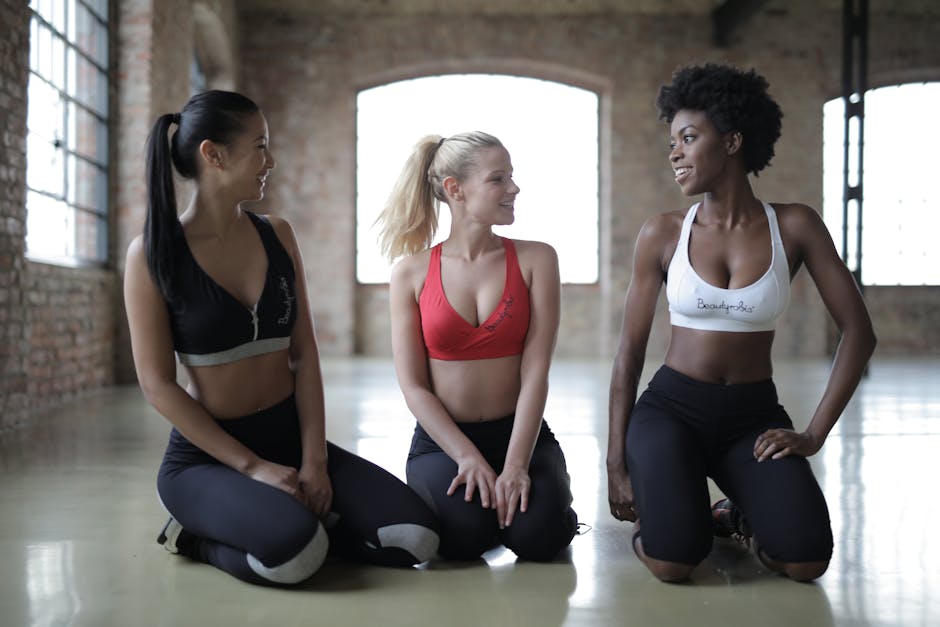
Introducing the Fitness Health Editorial
Welcome to this women’s fitness guide designed specifically for women who want to build sustainable health and wellness habits. Whether you are just starting your fitness journey or looking to refine your current routine, this editorial provides evidence-minded guidance to help you move with confidence and care. Today’s focus is on practical strategies that women can apply immediately, from form cues and rep ranges to mindset shifts that support long-term success. Remember that while this guide offers helpful general advice, it does not replace professional medical guidance. If you have underlying health conditions or concerns, always consult your healthcare provider before beginning any new exercise program. The goal here is empowerment through information, not prescription. You deserve to feel strong, capable, and supported in every step of your wellness journey.
Understanding the Basics of Womens Fitness
Women’s fitness needs differ from men’s in several important ways, and understanding these differences helps you build smarter programs. Hormonal fluctuations throughout the menstrual cycle, menopause, and pregnancy all influence energy levels, strength capacity, and recovery time. Women generally carry a higher percentage of slow-twitch muscle fibers, which means we excel at endurance activities but may need different training approaches to build explosive power. Psychological factors also play a role. Many women experience higher rates of body image concerns that can interfere with consistent exercise habits. Customizing your workout routine to match your individual needs and goals matters more than following whatever trending program looks popular online. Incorporating variety across cardio, strength, mobility, and balance work keeps your body adapting and your mind engaged. A balanced approach prevents overuse injuries and addresses the full spectrum of fitness components that contribute to lasting health.
Developing a Healthy and Balanced Lifestyle
Building a healthy and balanced lifestyle starts with creating a daily schedule that genuinely supports physical activity. This does not mean restructuring your entire life overnight. Instead, look for small windows where movement fits naturally, such as a fifteen-minute walk during lunch or a stretching routine before bed. Nutrition plays an equally important role, and building healthy eating habits does not require extreme restriction or meal prep perfection. Focus on adding nutrient-dense foods like vegetables, lean proteins, whole grains, and healthy fats rather than eliminating entire food groups. Sleep and rest deserve priority as well. Your body repairs and grows stronger during sleep, making adequate rest essential for any fitness goal. Aim for seven to nine hours per night, and recognize that active recovery days where you move gently are just as important as high-intensity workout days.
Building Strength and Endurance
Strength training offers remarkable benefits for women, including improved bone density, metabolic boost, and enhanced functional capacity for everyday activities. Effective exercises for building strength and endurance include squats, lunges, push-ups, rows, and deadlifts. Begin with movements that use your own body weight, then progress to added resistance as your form improves. Form errors cause most workout injuries, so prioritize quality over quantity in every set. Keep your spine neutral during lifts, engage your core throughout each movement, and avoid locking joints at full extension. A good starting point is three sets of eight to twelve repetitions with a weight that challenges you by the final two reps. Rest ninety seconds between sets for strength work, or thirty seconds for endurance-focused circuits. Setting realistic fitness goals prevents burnout and builds momentum. Rather than aiming for dramatic transformations in weeks, focus on incremental progress you can measure over months.
Staying Motivated and Consistent
Staying motivated and consistent with fitness routines proves challenging for nearly every woman at some point. Life demands, energy fluctuations, and self-doubt can derail even the most committed plans. Overcoming these obstacles begins with restructuring expectations. Perfection is not the goal; consistency is. Missing a single workout does not erase your progress, and restarting after a break is always an option. Finding inspiration and support from friends, family, or online communities creates accountability and shared energy. Consider partnering with a workout buddy, joining a group class, or following fitness professionals whose messaging resonates with your values. Tracking small wins along the way reinforces positive behavior. Celebrating a month of completed workouts or a new personal best in your bench press builds psychological momentum that carries you through tough weeks. The rewards of committing to a long-term fitness journey extend far beyond physical changes, influencing confidence, mood, and overall quality of life.
Integrating Mental Well-being into Fitness
Physical fitness goals cannot be separated from mental well-being, and recognizing this connection changes how you approach your overall health. Stress, anxiety, and depression all influence energy levels, motivation, and the ability to stick with healthy habits. Physical activity serves as a powerful tool for managing these challenges, releasing endorphins and providing a healthy outlet for accumulated tension. Mindfulness techniques such as deep breathing, body scan meditation, and intentional movement practices enhance the mental health benefits of exercise. Yoga, tai chi, and gentle stretching combine physical movement with mental focus for holistic wellness support. Balancing personal and professional life while maintaining fitness focus requires honest prioritization and boundary-setting. This does not mean saying yes to every request or overextending yourself. It means recognizing that your health and fitness commitments deserve protection on your calendar, just like work meetings and family obligations. When mental health struggles feel overwhelming, seeking professional support from a therapist or counselor represents a sign of strength, not weakness.
Tracking Progress and Staying Accountable
Keeping a record of your daily activities, progress, and achievements transforms abstract fitness goals into measurable outcomes. A simple workout journal capturing exercises, sets, reps, and how you felt provides valuable data over time. You might notice patterns showing which workouts energize you versus which leave you depleted, or discover that your strength gains follow a predictable timeline. Technology and fitness apps make tracking convenient and engaging. Many apps allow you to log workouts, monitor steps, record weight training progress, and compare performance across weeks. Choose tools that feel manageable rather than adding administrative burden to your fitness routine. Accountability matters, whether it comes from a coach, a friend who checks in weekly, or a online community sharing similar goals. Adjusting plans as needed keeps your program aligned with your evolving needs. Sticking rigidly to an outdated plan leads to plateaus or injuries. Flexibility in your approach while maintaining commitment to your overall vision creates sustainable progress.
Overcoming Fitness Challenges and Setbacks
Every fitness journey includes challenges and setbacks, and preparing for these moments builds resilience. Common obstacles include injuries, schedule disruptions, motivational dips, and plateaus where progress seems to stall. Identifying potential fitness challenges early allows you to address them before they derail your momentum. Injury prevention starts with proper warm-up, graduated progression in intensity, and listening to pain signals that indicate something needs adjustment. When setbacks occur, avoiding the trap of all-or-nothing thinking matters most. A single missed week does not require throwing away months of effort. Instead, reassess your situation and create a realistic plan for resuming activity that accounts for any necessary modifications. Plateaus often signal a need for program variation rather than training harder. Changing rep ranges, adding new exercises, or adjusting rest periods provides fresh stimulus for continued adaptation. When challenges feel beyond your ability to manage independently, seeking professional guidance from certified trainers, physical therapists, or healthcare providers ensures safe and effective resolution.
Frequently Asked Questions (FAQ)
Q: How often should women work out to improve their overall fitness and health?
Most health organizations recommend at least 150 minutes of moderate aerobic activity or 75 minutes of vigorous activity per week, combined with strength training twice weekly. However, optimal workout frequency depends on individual factors including age, current fitness level, specific health conditions, and personal schedule availability. Beginners may start with three sessions per week and gradually increase as their bodies adapt. Advanced exercisers might train four to six days weekly with appropriate recovery periods built in. The most sustainable approach matches your realistic schedule while providing sufficient stimulus for adaptation.
Q: What are some effective ways to stay motivated and consistent in pursuing fitness goals?
Setting realistic, achievable goals rather than dramatic transformations keeps motivation steady. Tracking progress visually through workout logs or photos provides tangible evidence of improvement. Building social support through workout partners, classes, or online communities creates accountability and shared encouragement. Mixing up your routine prevents boredom and challenges different fitness components. Rewarding yourself for reaching milestones reinforces positive behavior. Remember that motivation fluctuates naturally, and building habits that survive low-motivation days creates lasting consistency.
Q: How can women balance their professional and personal life while maintaining a focus on fitness and health?
Balancing work and personal commitments with fitness goals requires intentional scheduling and boundary-setting. Treating fitness appointments with the same respect as work meetings protects workout time on your calendar. Meal prepping on weekends reduces daily decision-making stress. Shorter, effective workouts of twenty to thirty minutes can provide meaningful benefits when longer sessions are not feasible. Communicating your priorities clearly with family and employers creates the support structure necessary for sustainable balance. Progress matters more than perfection, and any consistent movement beats sporadic all-or-nothing efforts.
Explore more womens-fitness guides on our site.
Top Product Recommendations
| Product Name | Rating | Key Feature | Est. Price | Action |
|---|---|---|---|---|
| Top-rated resistance bands for women home workout | ★★★★★ | Editor-recommended resistance bands for women home workout from this guide | $18–$42 | Check Lowest Price on Amazon |
| Best-value fitness tracker watch with heart rate monitor | ★★★★☆ | Affordable fitness tracker watch with heart rate monitor — strong everyday results | $12–$28 | Check Lowest Price on Amazon |
| Premium womens sports nutrition supplements | ★★★★☆ | Higher-end womens sports nutrition supplements for visible, lasting results | $45–$95 | Check Lowest Price on Amazon |
Affiliate Disclosure: This post contains affiliate links. We may earn a commission if you buy through our links, at no extra cost to you.
Leave a Reply