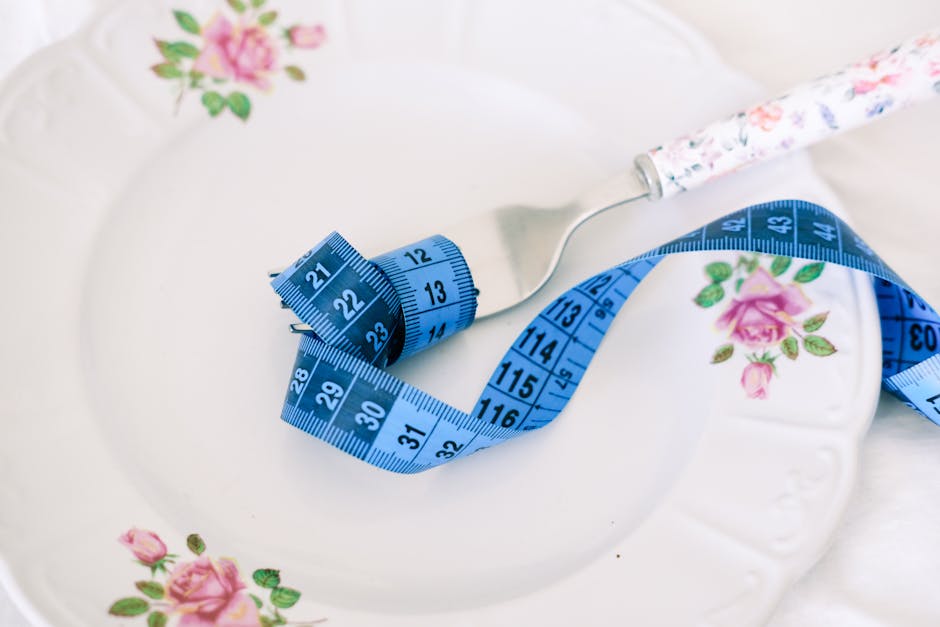
Understanding Weight-Loss: More Than Just a Number on the Scale
Weight-loss is one of the most searched health topics in America, and for good reason. Shedding excess body weight can meaningfully improve energy levels, joint comfort, sleep quality, and long-term disease risk. However, true weight-loss success goes far beyond stepping on a scale each morning. It involves building sustainable habits around nutrition, movement, sleep, and stress management. Many people confuse weight-loss with fat loss — and understanding the difference is the first real step toward making progress you can maintain year after year.
Body composition matters more than total weight. Muscle weighs more than fat by volume, which means the number on your scale does not tell the whole story. Someone building lean muscle through strength training may see the scale stall or even rise slightly while their body visibly changes. That is why tracking multiple indicators — how your clothes fit, progress photos, body measurements, and energy levels — gives you a far more honest picture than weight alone.
**Key concepts to understand before you begin:**
- Weight-loss refers to reducing total body mass, which can include water, muscle, and fat
- Fat loss targets the reduction of adipose tissue while preserving lean muscle
- Body recomposition involves simultaneously losing fat and gaining muscle
- Sustainable progress typically ranges from 0.5 to 2 pounds per week for most adults
Setting Realistic Weight-Loss Goals That Actually Stick
One of the biggest reasons people fail at weight-loss is setting goals that are unrealistic from the start. Promising yourself you will lose 30 pounds in 30 days sounds motivating in theory, but it rarely leads to lasting results and often causes burnout or injury. A smarter approach starts with understanding what a healthy, attainable rate of weight-loss looks like for your specific body.
For most adults, a safe and sustainable target is 1 to 2 pounds per week. This does not mean you will always lose exactly that amount every week — your body does not work in straight lines. Expect natural fluctuations due to water retention, sodium intake, hormonal changes, and digestive contents. These variations are completely normal and do not mean your plan is failing.
Break your bigger goal into smaller milestones. Instead of fixating on losing 50 pounds, set 8-week targets of 8 to 10 pounds. Reaching each mini-goal delivers a dopamine hit that keeps you engaged and motivated. Write your goals down, share them with a trusted friend or family member, and revisit them monthly to adjust as needed.
| Timeframe | Realistic Weight-Loss Target | Notes |
|---|---|---|
| 1 week | 0.5 – 2 lbs | Varies with starting weight and consistency |
| 1 month | 4 – 8 lbs | A healthy, maintainable pace |
| 3 months | 12 – 24 lbs | Significant body composition changes begin |
| 6 months | 20 – 40 lbs | Noticeable physical and health improvements |
Building a Weight-Loss Plan That Works for Your Lifestyle
A great weight-loss plan is not a one-size-fits-all template. It is a personal framework built around your schedule, food preferences, activity level, and daily obligations. The most detailed program in the world means nothing if it requires you to cook elaborate meals at 5 a.m. when you have kids to get to school.
Start with your eating habits, since nutrition accounts for roughly 70 to 80 percent of your weight-loss results. You do not need to overhaul your entire diet on day one. Begin with two or three simple swaps: replace sugary drinks with water or sparkling water, add one vegetable serving to your dinner, and cut portion sizes of grain-heavy sides in half. Small changes compound over time and are far easier to stick with than dramatic restriction.
For physical activity, aim for at least 150 minutes of moderate aerobic exercise per week — roughly 30 minutes, five days a week. brisk walking, cycling, swimming, and group fitness classes all count. If 30 consecutive minutes feels overwhelming, break it into three 10-minute walks spread throughout the day. Every bit of movement adds up and contributes to your calorie deficit.
**Core elements of a sustainable plan:**
- A modest daily calorie deficit of 250 to 500 calories
- Consistent protein intake to preserve lean muscle during weight-loss
- Scheduled meal times to reduce impulsive snacking
- A weekly movement goal you can realistically meet every week
- Built-in flexibility for travel, illness, or busy seasons
Effective Weight-Loss Strategies: Exercise, Strength Training, and More
Exercise is a powerful accelerator for weight-loss, but the type of exercise matters. Steady-state cardio — jogging, cycling, or swimming at a moderate pace — burns calories during the activity itself. Strength training, however, offers a dual benefit: it builds lean muscle that increases your resting metabolic rate, meaning you burn more calories even when you are not working out.
For most people, a balanced approach works best. Aim for two to three strength training sessions per week targeting major muscle groups: squats, deadlifts, push-ups, rows, and overhead presses form a solid foundation. If you are new to strength training, start with body-weight exercises and gradually add resistance using dumbbells, kettlebells, or resistance bands. Machines at a gym are equally effective if you prefer a structured environment.
Rep ranges for fat loss and muscle preservation typically fall between 8 and 15 repetitions per set, with 2 to 4 sets per exercise. Rest 60 to 90 seconds between sets. If your schedule only allows 20 minutes, focus on compound movements — exercises that recruit multiple muscle groups at once — to maximize your time.
**Beginner strength workout structure:**
- Warm up with 5 minutes of light dynamic movement
- 3 sets of body-weight squats, 10 to 12 reps
- 3 sets of push-ups or wall push-ups, 8 to 10 reps
- 3 sets of dumbbell rows or resistance band rows, 12 reps each side
- Cool down with 5 minutes of gentle stretching
High-intensity interval training (HIIT) offers another efficient option. Short bursts of intense effort — 20 to 30 seconds — followed by 30 to 60 seconds of rest, repeated 8 to 10 times, can burn a significant number of calories in as little as 15 to 20 minutes. This approach works well for people with limited time, but should be limited to two or three sessions per week to allow adequate recovery.
Overcoming Common Weight-Loss Obstacles and Plateaus
Plateaus are among the most frustrating experiences in any weight-loss journey. You have been eating well and exercising consistently for weeks, and then the scale refuses to budge for days or even weeks. Before you panic or abandon your plan, understand that plateaus are a normal physiological response. As you lose weight, your body requires fewer calories to function, meaning your initial calorie deficit gradually shrinks.
When a plateau hits, resist the urge to drastically cut calories. Instead, try these evidence-backed adjustments: add an extra strength session per week, increase protein intake to support muscle retention, vary your cardio with a different mode or intensity, and audit your portion sizes — they often quietly creep up over time. Small tweaks are far more effective than dramatic overhauls.
Emotional eating, social gatherings, and travel are other common obstacles. Prepare for social situations by eating a protein-rich snack before parties, focusing on vegetables and lean proteins once you arrive, and choosing smaller portions of higher-calorie items rather than skipping meals entirely. When traveling, pack healthy snacks like nuts, hard-boiled eggs, and whole fruit to avoid relying on airport and gas station food.
**Strategies to break through plateaus:**
- Recalculate your daily calorie needs as weight changes
- Try a 24-hour higher-protein eating day to reset hormonal signals
- Change your exercise routine with new movements or rep schemes
- Prioritize 7 to 9 hours of sleep per night to support recovery
- Manage stress through walking, meditation, or deep breathing exercises
Tracking Progress and Refining Your Weight-Loss Strategy
Measurement goes beyond the bathroom scale. The most reliable way to track weight-loss progress is to use multiple data points recorded consistently at the same time of day, under the same conditions. Weigh yourself first thing in the morning after using the bathroom, before eating or drinking anything. Record the number once per week rather than daily — weekly weigh-ins reduce anxiety over natural daily fluctuations.
Beyond the scale, track your energy levels, sleep quality, mood, and how your clothing fits. These subjective indicators often change before the scale moves, which can be incredibly encouraging during slow weeks. Progress photos taken every 4 to 6 weeks in similar lighting and clothing provide a visual record of changes that the mirror adapts to and stops noticing.
Use your tracking data to make informed decisions. If you notice that your weight-loss stalls during weeks when you skip strength training, prioritize those sessions. If you consistently overeat on weekends, build in a structured treat meal rather than leaving it completely unstructured. Data removes guesswork and empowers you to adjust your plan based on evidence, not emotion.
Frequently Asked Questions (FAQ)
Q: How often should I weigh myself when trying to lose weight?
Weigh yourself once per week, ideally first thing in the morning after using the bathroom and before eating. Daily weigh-ins can be demotivating due to normal fluctuations from water retention, digestion, and sodium intake. Weekly tracking smooths out these variations and gives you a clearer picture of your actual trend over time.
Q: What are the most common mistakes people make when trying to lose weight?
The biggest mistakes include setting an unrealistic calorie deficit, skipping protein, neglecting strength training, relying on the scale alone, and being too restrictive with foods they enjoy. These approaches often lead to muscle loss, nutrient deficiencies, and eventual binge eating. A balanced, sustainable plan that includes all food groups and regular strength work delivers better long-term results than extreme restriction.
Q: How can I stay motivated and committed to my weight-loss goals?
Focus on non-scale victories — better energy, improved mood, looser-fitting clothes, and stronger workouts. Set process-based goals such as completing three strength sessions per week or walking 8,000 steps daily, rather than outcome-only goals tied to a specific number on the scale. Accountability through a friend, coach, or tracking app dramatically increases consistency. Remember that progress is rarely linear, and short-term setbacks do not erase long-term effort.
Explore more weight-loss guides on our site.
Top Product Recommendations
| Product Name | Rating | Key Feature | Est. Price | Action |
|---|---|---|---|---|
| Top-rated adjustable dumbbells for strength training | ★★★★★ | Editor-recommended adjustable dumbbells for strength training from this guide | $18–$42 | Check Lowest Price on Amazon |
| Best-value body weight scale for tracking weight loss | ★★★★☆ | Affordable body weight scale for tracking weight loss — strong everyday results | $12–$28 | Check Lowest Price on Amazon |
| Premium resistance bands for home workouts | ★★★★☆ | Higher-end resistance bands for home workouts for visible, lasting results | $45–$95 | Check Lowest Price on Amazon |
Affiliate Disclosure: This post contains affiliate links. We may earn a commission if you buy through our links, at no extra cost to you. Medical Disclaimer: This content is for informational purposes only and is not medical advice. Consult a healthcare professional before changing diet or exercise.
Leave a Reply