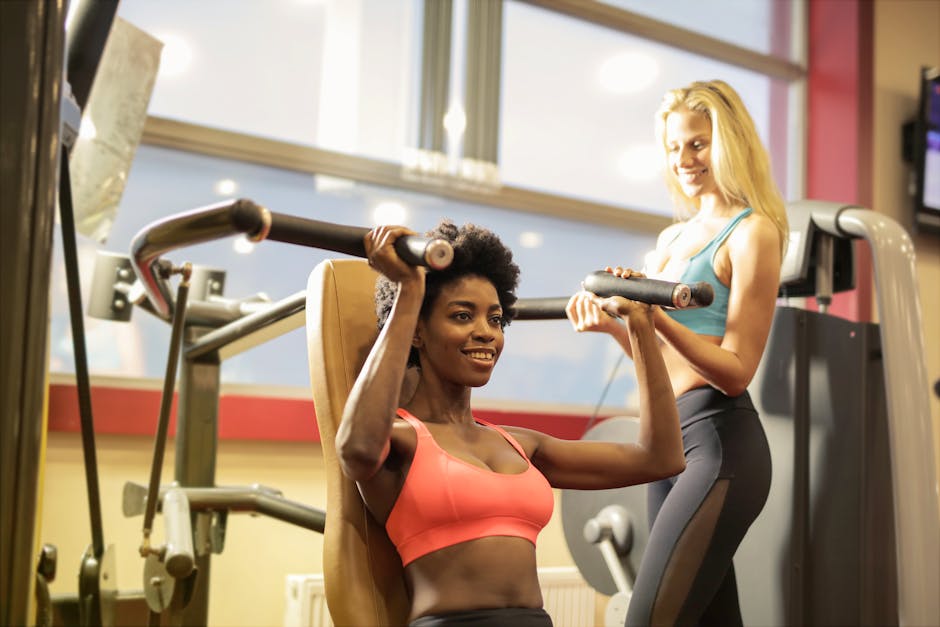
Understanding the Basics of Women’s Fitness
Regular exercise is essential for women at every stage of life, supporting bone density, cardiovascular health, and mental well-being. **Womens-fitness** encompasses more than just weight management—it’s about building strength, endurance, and flexibility that support daily activities and long-term health. Many women experience unique physiological changes throughout their lives, from menstrual cycles to pregnancy and menopause, making consistent physical activity a powerful tool for managing these transitions.
The three pillars of effective women’s fitness include cardiovascular training, strength work, and flexibility exercises. Cardiovascular activities strengthen your heart and lungs while improving endurance. Strength training builds lean muscle mass, which naturally declines with age, and helps maintain metabolic rate. Flexibility work through stretching or mobility routines reduces injury risk and maintains range of motion as you age.
Common misconceptions persist about women’s fitness, particularly around strength training. Many women worry that lifting weights will make them “bulky,” but female hormonal profiles make significant muscle gain difficult without dedicated effort and nutrition. Another myth suggests that cardio alone is sufficient for total fitness, when in reality a balanced approach yields the best results for overall health and functional strength.
Setting Realistic Fitness Goals for Women
Identifying personal fitness goals starts with honest self-assessment of your current fitness level, lifestyle constraints, and what truly motivates you. Some women prioritize functional strength for daily tasks, while others focus on endurance for recreational activities or stress management through movement. Your goals should reflect your individual needs rather than external pressures or comparison to others.
The SMART framework provides structure for goal-setting: Specific, Measurable, Achievable, Relevant, and Time-bound objectives. Instead of “get fit,” a SMART goal might be “complete three 30-minute strength sessions weekly for eight weeks” or “run a continuous mile without stopping within six weeks.” This specificity creates clear targets and allows you to track progress objectively.
Achievable goals for beginners might include walking 10,000 steps daily, completing two full-body strength sessions weekly, or holding a plank for 30 seconds. Unrealistic goals often involve dramatic transformations in short timeframes, such as losing 20 pounds in one month or achieving advanced yoga poses within weeks of starting. Sustainable progress typically unfolds over months, not days, and respects your body’s adaptation timeline.
Creating a Balanced Workout Routine for Women
A well-rounded workout plan incorporates aerobic exercise, resistance training, and flexibility work throughout the week. Aim for at least 150 minutes of moderate-intensity cardio or 75 minutes of vigorous cardio weekly, spread across multiple sessions. Add two to three strength training sessions targeting all major muscle groups, allowing at least one rest day between sessions for the same muscle groups. Include 10-15 minutes of stretching or mobility work after workouts or on active recovery days.
Time management challenges affect most women juggling work, family, and personal commitments. **Short, focused sessions often work better than waiting for ideal conditions.** A 20-minute home workout delivers real benefits when performed consistently. Consider morning sessions before family demands arise, lunchtime walks, or splitting workouts into two 15-minute blocks. Efficiency matters more than duration—a focused 30-minute session outperforms an hour of distracted exercise.
Workout routines should adapt to your age, current fitness level, and any health considerations. Women in their 20s and 30s typically recover quickly and can handle higher training volumes. Those in their 40s and beyond benefit from increased emphasis on strength training to counter muscle loss and bone density decline. If you have joint concerns, low-impact options like swimming, cycling, or elliptical training protect your joints while building fitness. Always consult healthcare professionals before starting new exercise programs if you have existing health conditions.
Nutrition and Hydration for Women’s Fitness
Balanced nutrition fuels your workouts and supports recovery between training sessions. Women need adequate protein for muscle repair and maintenance—aim for 0.8 to 1 gram per pound of body weight daily, distributed across meals. Complex carbohydrates provide energy for training, while healthy fats support hormone production and nutrient absorption. Avoid extreme restriction, which can disrupt menstrual cycles and compromise bone health over time.
Hydration needs increase with physical activity, especially in warm conditions or during intense sessions. **Drink 16-20 ounces of water 2-3 hours before exercise, 8 ounces during warm-up, and 7-10 ounces every 10-20 minutes during activity.** After workouts, replace 16-24 ounces for every pound lost through sweat. Monitor urine color—pale yellow indicates adequate hydration, while dark yellow suggests you need more fluids.
Prioritize whole foods including lean proteins, colorful vegetables, fruits, whole grains, and healthy fats from sources like avocados, nuts, and olive oil. Limit processed foods high in added sugars, excessive sodium, and trans fats, which provide empty calories without supporting your fitness goals. Time nutrient-dense meals and snacks around workouts—eat a balanced meal 2-3 hours before training or a lighter snack 30-60 minutes prior for sustained energy.
Staying Motivated and Consistent in Women’s Fitness
Consistency challenges arise from competing priorities, fatigue, and motivation fluctuations. Combat these obstacles by scheduling workouts like non-negotiable appointments, preparing workout clothes the night before, and choosing activities you genuinely enjoy. When motivation wanes, focus on how exercise makes you feel rather than appearance-based goals—improved energy, better sleep, and stress relief provide immediate rewards.
Celebrate non-scale victories that reflect your progress: lifting heavier weights, running farther without stopping, improved flexibility, or simply maintaining your routine through a busy week. **Positive reinforcement builds sustainable habits more effectively than self-criticism.** Track small wins in a journal or app, and acknowledge that showing up matters even when performance isn’t peak.
Building a support system amplifies your success. Share your goals with friends or family members who encourage your efforts. Join group fitness classes, running clubs, or online communities where members share similar interests. Accountability partners help you stay committed during low-motivation periods, and celebrating each other’s progress makes the journey more enjoyable.
Tracking Progress and Adjusting Your Workout Plan
A fitness journal documents workouts, energy levels, sleep quality, and how you feel physically and mentally. Record exercises performed, weights lifted, distances covered, and any modifications made. Over weeks and months, patterns emerge showing what works well and what needs adjustment. This data-driven approach removes guesswork and helps you make informed decisions about your training.
Wearable devices and mobile apps provide convenient tracking for steps, heart rate, calories burned, and workout duration. Many apps offer guided workouts, progress charts, and community features. While technology offers valuable insights, don’t become overly dependent on metrics—listen to your body’s signals about fatigue, soreness, and readiness to train.
Adjust your workout plan when progress stalls, goals change, or life circumstances shift. If strength gains plateau, modify rep ranges, increase weight, or try new exercises targeting the same muscles. When cardio feels too easy, increase intensity, duration, or try interval training. Conversely, scale back if you experience persistent fatigue, declining performance, or increased injury risk. Adaptation should occur every 4-8 weeks to continue challenging your body appropriately.
Overcoming Challenges in Women’s Fitness
Injuries and setbacks test your commitment but don’t have to derail your fitness journey. Minor soreness differs from pain signaling injury—sharp, persistent, or worsening pain requires rest and possibly professional evaluation. When injured, focus on what you can do rather than what you can’t. An ankle injury might prevent running but allows upper body strength work or swimming.
Rest and recovery are not optional components of fitness—they’re when your body adapts and grows stronger. **Schedule at least one complete rest day weekly, and include active recovery days with gentle movement like walking or yoga.** Prioritize 7-9 hours of sleep nightly, as inadequate sleep impairs performance, increases injury risk, and hinders progress. Recovery also includes proper nutrition, hydration, and stress management.
When facing difficulties, break large goals into smaller, manageable steps. If returning after a break, start at 50-60% of your previous volume and gradually rebuild. Seek professional guidance from certified trainers or physical therapists when needed. Remember that fitness is a lifelong journey with natural ebbs and flows—perfection isn’t required, but persistence is.
Frequently Asked Questions (FAQ)
What are the best exercises for women looking to improve their cardiovascular health?
Aerobic activities like brisk walking, jogging, cycling, swimming, and dancing effectively strengthen your cardiovascular system. High-intensity interval training (HIIT) alternates short bursts of intense effort with recovery periods, improving heart health efficiently in less time. Aim for activities you enjoy and can sustain long-term, as consistency matters more than choosing the “perfect” exercise. Start with moderate intensity where you can talk but not sing, and gradually progress as your fitness improves.
How often should women engage in strength training exercises?
Perform strength training at least 2-3 times per week, targeting all major muscle groups including legs, hips, back, chest, shoulders, and arms. Beginners might start with two full-body sessions weekly, while more advanced individuals can train 3-4 times using split routines that work different muscle groups on different days. Allow 48 hours between sessions training the same muscles to permit adequate recovery. Each session should include 8-12 repetitions per exercise for 2-3 sets, using weights that challenge you while maintaining proper form.
Can women adjust their workout routines based on their menstrual cycle?
Yes, many women benefit from modifying training intensity throughout their cycle. During the follicular phase (days 1-14), higher estrogen levels may support strength and high-intensity work. The luteal phase (days 15-28) often brings lower energy and increased recovery needs, making it ideal for moderate-intensity cardio, yoga, or lighter strength sessions. During menstruation, listen to your body—some women feel energized while others need gentler movement. Track how you feel across several cycles to identify your personal patterns and adjust accordingly.
Explore more womens-fitness guides on our site.
Top Product Recommendations
| Product Name | Rating | Key Feature | Est. Price | Action |
|---|---|---|---|---|
| Best Womens Fitness Pick | ★★★★★ | Top-rated overall | $25–$45 | Check Lowest Price on Amazon |
| Budget Womens Fitness Option | ★★★★☆ | Great for beginners | $12–$28 | Check Lowest Price on Amazon |
| Premium Womens Fitness Choice | ★★★★☆ | Pro-level results | $50–$90 | Check Lowest Price on Amazon |
Affiliate Disclosure: This post contains affiliate links. We may earn a commission if you buy through our links, at no extra cost to you.
Leave a Reply