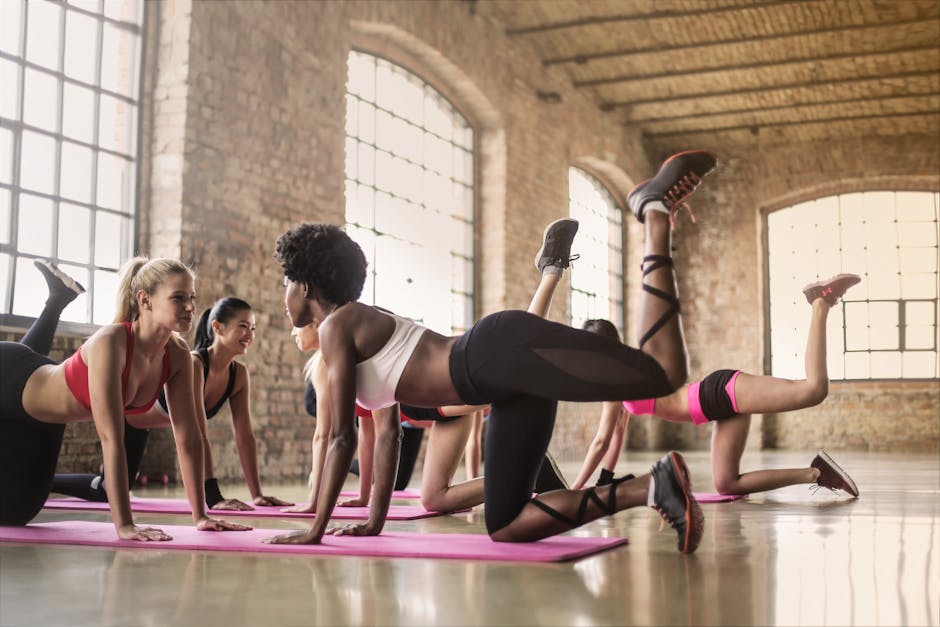
Understanding Your Body’s Unique Needs
Women’s fitness journeys are uniquely influenced by hormonal fluctuations that occur throughout the menstrual cycle. These natural changes affect energy levels, strength, recovery time, and even motivation to exercise. During the follicular phase (days 1-14), estrogen levels rise, often leading to increased energy and strength gains. This is an ideal time for high-intensity workouts and progressive overload training. Conversely, during the luteal phase (days 15-28), progesterone dominates, which may cause fatigue and water retention, making it a perfect time for lighter activities like yoga or steady-state cardio.
Proper nutrition and hydration play crucial roles in supporting your fitness goals. Women typically need more iron due to menstruation, and adequate protein intake becomes essential for muscle recovery and growth. Aim for 0.8-1.2 grams of protein per pound of body weight, distributed throughout the day. Hydration needs also fluctuate with hormonal changes, so listen to your body and increase water intake during your period when bloating and water retention are common.
Tailoring your workout routine to your menstrual cycle can optimize results and prevent burnout. Track your cycle and energy levels to identify patterns. During high-energy phases, focus on strength training with compound movements and challenging cardio sessions. During lower-energy phases, prioritize recovery activities, gentle stretching, and maintaining consistency rather than intensity. This approach helps prevent overtraining while maximizing the benefits of each workout phase.
Common Workout Mistakes Women Make
One of the most prevalent mistakes in womens fitness is focusing exclusively on cardio while neglecting strength training. Many women fear that lifting weights will make them bulky, but this is a misconception. Women naturally have lower testosterone levels than men, making it difficult to build excessive muscle mass. Instead, strength training helps create lean muscle tissue, boosts metabolism, and improves bone density – crucial benefits for long-term health.
Another common error is not lifting heavy enough weights or challenging the body sufficiently. Using weights that are too light prevents progressive overload, the key principle for building strength and muscle. If you can easily complete 15-20 repetitions without fatigue, it’s time to increase the weight. Aim for 8-12 repetitions where the last 2-3 reps feel challenging but maintainable with proper form.
Overdoing cardio while skipping rest days is another frequent mistake that can lead to burnout and injury. While cardiovascular exercise is important, excessive cardio without adequate recovery can increase cortisol levels, leading to muscle breakdown and stubborn weight retention. Balance is key – incorporate 2-3 strength training sessions and 2-3 cardio sessions per week, with at least one complete rest day for optimal recovery and results.
Building Strength and Muscle
Compound movements form the foundation of effective strength training for women. Exercises like squats, deadlifts, push-ups, and rows work multiple muscle groups simultaneously, providing maximum efficiency and functional strength benefits. Start with bodyweight versions to master proper form, then gradually add resistance. For squats, focus on sitting back into your hips, keeping your chest up, and driving through your heels. Aim for 3 sets of 8-12 repetitions, 2-3 times per week.
Progressive overload is the cornerstone of muscle building and strength gains. This principle involves gradually increasing the demands on your muscles over time through added weight, increased repetitions, or enhanced time under tension. Track your workouts to ensure consistent progression. For beginners, increase weight by 2.5-5 pounds when you can complete all sets with perfect form. Advanced trainees might focus on adding repetitions or decreasing rest periods between sets.
Building muscle without excessive bulk requires strategic programming and nutrition. Focus on moderate rep ranges (8-12 reps) with challenging weights, adequate protein intake, and sufficient recovery time. Muscle growth occurs during rest periods, not during workouts themselves. Allow 48-72 hours between training the same muscle groups, and prioritize 7-9 hours of quality sleep nightly. Remember that muscle tissue is metabolically active, burning more calories at rest than fat tissue, making it an asset for long-term weight management.
Cardiovascular Health for Women
High Intensity Interval Training (HIIT) offers exceptional benefits for women’s cardiovascular health and time efficiency. HIIT involves alternating between short bursts of intense activity and recovery periods. A typical session might include 30 seconds of high-intensity exercise followed by 90 seconds of active recovery, repeated for 15-20 minutes. This approach improves cardiovascular fitness, increases metabolism for hours post-workout, and can be adapted to any fitness level or exercise preference.
Steady-state cardio maintains its place in a well-rounded fitness program, particularly for building aerobic base fitness and promoting recovery. Activities like brisk walking, swimming, or cycling at a moderate intensity for 30-45 minutes help improve heart health, reduce stress, and can be performed on active recovery days. This type of cardio is less taxing on the nervous system and can complement higher-intensity training sessions throughout the week.
Finding the optimal balance between cardio and strength training depends on individual goals and preferences. For general health and body composition improvements, aim for 2-3 strength training sessions and 2-3 cardio sessions per week. Those focused on strength gains might reduce cardio to 1-2 sessions weekly, while endurance athletes may emphasize cardio with 1-2 strength sessions for injury prevention. Listen to your body and adjust based on energy levels, recovery, and progress toward your specific goals.
Flexibility and Mobility Workouts
Stretching and mobility exercises are essential components of womens fitness that often get overlooked in favor of more intense activities. Regular flexibility work improves range of motion, reduces injury risk, and enhances overall movement quality. Poor flexibility can limit performance in strength training and cardio exercises, while also contributing to muscle imbalances and chronic pain patterns. Dedicate 10-15 minutes daily to flexibility work, either as part of your warm-up, cool-down, or as standalone sessions.
Yoga and Pilates offer comprehensive approaches to improving flexibility while building core strength and body awareness. Yoga combines stretching with mindfulness and breathing techniques, making it exc nt for stress reduction and mental health benefits. Pilates focuses on core stability, precise movements, and controlled breathing, helping improve posture and functional movement patterns. Both practices can be modified for all fitness levels and provide low-impact alternatives on recovery days.
Understanding the difference between dynamic and static stretching helps optimize your flexibility routine. Dynamic stretching involves moving through ranges of motion and is ideal for warm-ups before exercise. Examples include leg swings, arm circles, and walking lunges. Static stretching involves holding positions for 15-30 seconds and is most effective post-workout when muscles are warm. Focus on major muscle groups like hamstrings, hip flexors, chest, and shoulders. Hold each stretch without bouncing, breathing deeply to promote relaxation and increased range of motion.
Recovering Like a Pro
Rest days are not optional luxuries but essential components of any effective fitness program. During rest periods, your body repairs muscle tissue, replenishes energy stores, and adapts to training stimuli. Without adequate recovery, you risk overtraining syndrome, which can lead to decreased performance, increased injury risk, and hormonal imbalances. Schedule at least one complete rest day per week, and consider active recovery days with gentle activities like walking or light stretching.
Foam rolling and massage techniques can significantly enhance recovery by improving blood flow, reducing muscle tension, and breaking up adhesions in soft tissue. Spend 10-15 minutes foam rolling major muscle groups after workouts, focusing on areas that feel tight or tender. Roll slowly and pause on trigger points for 30-60 seconds. Self-massage with tennis balls or massage guns can target specific areas, while professional massage therapy provides deeper therapeutic benefits for serious athletes or those dealing with chronic tension.
Recovery nutrition and strategic supplementation support your body’s repair processes. Consume a combination of protein and carbohydrates within 30-60 minutes post-workout to optimize muscle protein synthesis and glycogen replenishment. A ratio of 3:1 or 4:1 carbohydrates to protein works well for most women. Consider supplements like magnesium for muscle relaxation and sleep quality, omega-3 fatty acids for inflammation reduction, and vitamin D for bone health and immune function. Always consult with a healthcare professional before starting new supplements, especially if you have underlying health conditions.
Staying Motivated and Consistent
Setting realistic and achievable fitness goals provides direction and motivation for your womens fitness journey. Use the SMART goal framework: Specific, Measurable, Achievable, Relevant, and Time-bound. Instead of vague goals like “get fit,” set specific targets such as “perform 10 consecutive push-ups within 8 weeks” or “walk 10,000 steps daily for one month.” Break larger goals into smaller milestones to maintain momentum and celebrate progress along the way.
Finding an exercise routine you genuinely enjoy dramatically increases adherence and long-term success. Experiment with different activities to discover what resonates with you – whether it’s dance fitness, hiking, swimming, martial arts, or traditional gym workouts. Variety prevents boredom and challenges your body in different ways. Consider seasonal activities to maintain interest year-round, such as outdoor activities in summer and indoor classes during winter months.
Working out with friends or joining fitness classes provides accountability, social support, and increased enjoyment. Research shows that people who exercise with others are more likely to stick with their routines and push themselves harder during workouts. Find a workout buddy with similar goals and schedules, or join group fitness classes that match your interests and fitness level. The social aspect transforms exercise from a chore into an enjoyable social activity, making consistency much easier to maintain.
Frequently Asked Questions (FAQ)
What are some good beginner workouts for women?
Beginner-friendly workouts should focus on bodyweight exercises that build foundational strength and movement patterns. Start with squats, modified push-ups (on knees or against a wall), planks, and glute bridges. Circuit training combining 4-5 exercises performed for 30-45 seconds each with 15-30 seconds rest works well for building endurance and strength simultaneously. HIIT workouts can be modified for beginners by extending rest periods and reducing intensity. Always prioritize proper form over speed or weight, and gradually progress as your fitness improves.
How often should women work out to see results?
For optimal results, aim for 3-4 strength training sessions per week, targeting different muscle groups each session to allow adequate recovery. Cardiovascular exercise can be performed 4-5 times per week, alternating between moderate-intensity steady-state cardio and higher-intensity interval training. Beginners should start with 3 total workout days per week and gradually increase frequency as fitness improves. Consistency matters more than frequency – three consistent weekly workouts will yield better results than sporadic intense training sessions.
Can women build muscle and lose weight at the same time?
Yes, women can simultaneously build muscle and lose fat, especially beginners or those returning to exercise after a break. This process, called body recomposition, requires a strategic approach combining strength training with a moderate caloric deficit and adequate protein intake. Focus on compound movements, progressive overload, and consuming 0.8-1.2 grams of protein per pound of body weight. Results may be slower than focusing on one goal at a time, but the approach creates sustainable, long-term changes in body composition while maintaining metabolic health.
Explore more womens-fitness guides on our site.
Top Product Recommendations
| Product Name | Rating | Key Feature | Est. Price | Action |
|---|---|---|---|---|
| Best Womens Fitness Pick | ★★★★★ | Top-rated overall | $25–$45 | Check Lowest Price on Amazon |
| Budget Womens Fitness Option | ★★★★☆ | Great for beginners | $12–$28 | Check Lowest Price on Amazon |
| Premium Womens Fitness Choice | ★★★★☆ | Pro-level results | $50–$90 | Check Lowest Price on Amazon |
Affiliate Disclosure: This post contains affiliate links. We may earn a commission if you buy through our links, at no extra cost to you.
Leave a Reply