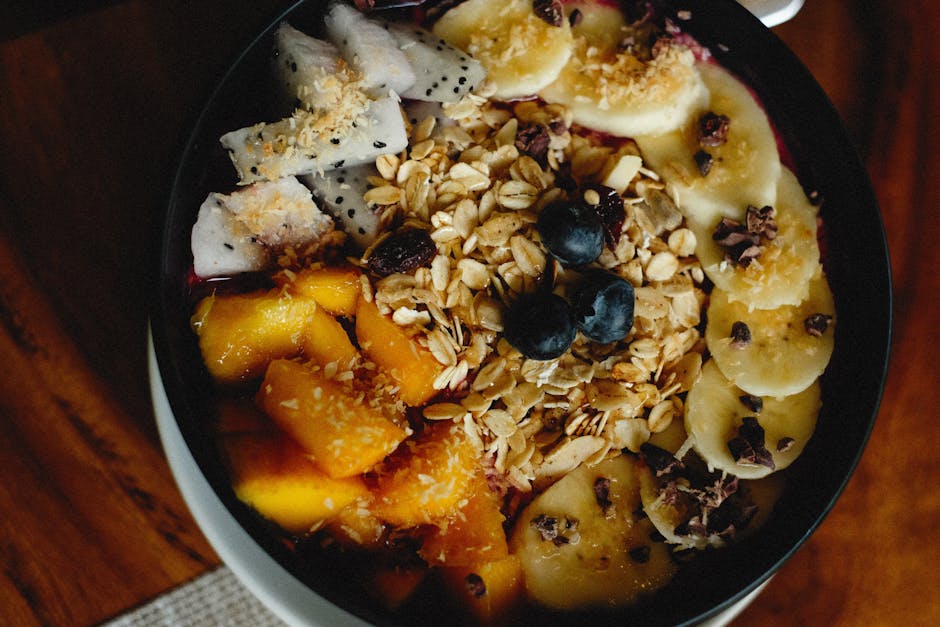
Understanding Healthy Foods
Healthy foods form the foundation of any successful fitness journey and overall wellness strategy. These nutrient-dense options provide your body with essential vitamins, minerals, protein, healthy fats, and complex carbohydrates that fuel workouts, support recovery, and maintain optimal body function. When we talk about healthy food, we’re referring to whole, minimally processed items that deliver maximum nutritional value per calorie—think colorful vegetables, lean proteins, whole grains, and natural fats rather than packaged snacks loaded with added sugars and artificial ingredients.
A balanced diet built around healthy foods directly impacts your fitness performance and body composition goals. Whether you’re training for strength, endurance, or general health, the quality of your nutrition determines how effectively your body adapts to physical stress. Proper nutrition supports muscle protein synthesis after resistance training, replenishes glycogen stores following cardio sessions, and provides the micronutrients necessary for hormone production and immune function. Without adequate healthy food intake, even the most dedicated training program will fall short of its potential.
The role of healthy foods extends beyond the gym. These nutritional choices influence energy levels throughout the day, mental clarity, sleep quality, and long-term disease prevention. Research consistently shows that diets rich in whole foods reduce inflammation, support cardiovascular health, and help maintain healthy body weight. For fitness enthusiasts, this means better workout performance, faster recovery between sessions, and sustainable progress toward physique and performance goals. Making healthy food choices isn’t about restriction—it’s about fueling your body with what it needs to thrive.
Fruits and Vegetables for Health
Fruits and vegetables represent some of the most nutrient-dense healthy food options available, packed with vitamins, minerals, antioxidants, and fiber that support both fitness performance and overall health. These colorful plant foods provide essential micronutrients that facilitate countless bodily processes, from energy production to tissue repair. The fiber content aids digestion, promotes satiety, and helps regulate blood sugar levels—all critical factors for anyone pursuing fitness goals. Aim to fill half your plate with vegetables at main meals and incorporate fruits as snacks or post-workout carbohydrate sources.
Nutrient-rich options include leafy greens like spinach and kale, which deliver iron, calcium, and vitamins A and K. Berries provide powerful antioxidants that combat exercise-induced oxidative stress and support recovery. Cruciferous vegetables such as broccoli and Brussels sprouts contain compounds that may support healthy hormone metabolism. Sweet potatoes and bananas offer quality carbohydrates for glycogen replenishment after training. Citrus fruits provide vitamin C for immune function and collagen synthesis. The variety of colors in your produce intake generally correlates with a broader spectrum of beneficial phytonutrients.
Incorporating more fruits and vegetables into daily meals requires simple strategic planning. Prep vegetables at the beginning of the week by washing, chopping, and storing them in clear containers for easy access. Add spinach or kale to morning smoothies for an undetectable nutrient boost. Keep pre-cut vegetables and hummus ready for convenient snacks. Roast a large batch of mixed vegetables with olive oil and seasonings to use throughout the week. Add berries to oatmeal or Greek yogurt. Challenge yourself to try one new vegetable each week to expand your palate and nutritional variety. These small habits compound into significant health benefits over time.
Whole Grains and Healthy Carbohydrates
Whole grains provide complex carbohydrates that serve as the primary fuel source for moderate to high-intensity exercise, making them essential healthy food choices for active individuals. Unlike refined grains stripped of their nutrient-rich bran and germ, whole grains retain fiber, B vitamins, iron, magnesium, and selenium. These nutrients support energy metabolism, oxygen transport, and muscle function. The fiber content slows digestion, providing sustained energy release rather than the blood sugar spikes and crashes associated with refined carbohydrates. This steady energy supply supports consistent training performance and helps maintain stable mood and focus throughout the day.
Healthy carbohydrate sources extend beyond traditional grains to include starchy vegetables and legumes. Quinoa offers complete protein alongside its carbohydrate content, making it particularly valuable for plant-based athletes. Brown rice, oats, and whole wheat products provide reliable energy for training sessions. Sweet potatoes and butternut squash deliver carbohydrates with added vitamins A and C. Legumes like lentils and chickpeas combine carbohydrates with protein and fiber for balanced nutrition. The timing of carbohydrate intake matters for fitness goals—consuming them around training sessions optimizes performance and recovery, while moderating intake during sedentary periods helps manage overall calorie balance.
Examples of healthy whole-grain foods to incorporate regularly include steel-cut or rolled oats for breakfast, providing sustained morning energy. Quinoa bowls make exc nt lunch bases, topped with vegetables and lean protein. Brown rice or farro can accompany dinner proteins and vegetables. Whole grain bread or wraps offer convenient options for sandwiches when choosing products with minimal added sugars and recognizable ingredients. Popcorn serves as a whole-grain snack when air-popped and lightly seasoned. The key is choosing minimally processed versions and paying attention to portion sizes based on your activity level and body composition goals.
Lean Proteins for Muscle Health
Lean proteins stand as cornerstone healthy food choices for anyone engaged in fitness training, providing the amino acids necessary for muscle protein synthesis, tissue repair, and immune function. Protein intake becomes especially critical when following a resistance training program, as muscles require adequate amino acids to adapt and grow stronger in response to training stress. Beyond muscle building, protein supports satiety more effectively than carbohydrates or fats, helping manage appetite and maintain healthy body composition. Aim for approximately 0.7 to 1 gram of protein per pound of body weight daily, distributed across meals for optimal muscle protein synthesis.
Healthy protein sources include chicken breast, turkey, lean cuts of beef, fish, eggs, Greek yogurt, cottage cheese, and plant-based options like tofu, tempeh, and legumes. Fatty fish such as salmon and mackerel provide protein alongside omega-3 fatty acids that support recovery and reduce inflammation. Eggs offer complete protein with all essential amino acids in a convenient, affordable package. Greek yogurt and cottage cheese deliver casein protein that digests slowly, making them exc nt evening snacks to support overnight muscle recovery. For plant-based eaters, combining different protein sources throughout the day ensures adequate intake of all essential amino acids.
Incorporating lean proteins into meals requires planning but becomes routine with practice. Batch-cook chicken breasts or ground turkey at the beginning of the week for quick meal assembly. Keep hard-boiled eggs prepared for grab-and-go protein. Add Greek yogurt to smoothies or use as a base for protein-rich parfaits. Include a palm-sized portion of protein at each main meal to distribute intake evenly throughout the day. Post-workout meals should prioritize protein alongside carbohydrates to maximize recovery. Protein shakes can supplement whole food sources when convenience is necessary, but prioritize real food options whenever possible for the additional micronutrients they provide.
Healthy Fats for Energy and Vitality
Healthy fats represent essential macronutrients that support hormone production, nutrient absorption, brain function, and provide concentrated energy for lower-intensity activities and daily function. Despite past misconceptions about dietary fat, research clearly demonstrates that including appropriate amounts of healthy fats supports both fitness performance and overall health. Fats help absorb fat-soluble vitamins A, D, E, and K, support cell membrane integrity, and provide the building blocks for hormones including testosterone and estrogen. For endurance athletes, fat serves as a crucial fuel source during longer, lower-intensity training sessions.
Examples of healthy fat sources include avocados, nuts, seeds, olive oil, fatty fish, and coconut oil in moderation. Avocados provide monounsaturated fats along with fiber and potassium. Nuts and seeds offer healthy fats, protein, and minerals like magnesium and zinc. Olive oil contains anti-inflammatory compounds and works well for cooking at moderate temperatures or as a salad dressing base. Fatty fish deliver omega-3 fatty acids EPA and DHA that support cardiovascular health and may reduce exercise-induced inflammation. Nut butters provide convenient, calorie-dense options for those needing to increase energy intake.
Incorporating healthy fats into your daily diet requires mindful portioning, as fats contain nine calories per gram compared to four calories per gram for protein and carbohydrates. Add a quarter to half an avocado to meals for creamy texture and satiety. Use a tablespoon of olive oil for cooking or dressing vegetables. Include a small handful of nuts as a snack paired with fruit. Add ground flaxseed or chia seeds to oatmeal or smoothies. Cook with fatty fish like salmon twice weekly. While healthy fats are beneficial, total calorie intake still matters for body composition goals, so balance fat intake with your overall energy needs and activity level.
Hydration and Healthy Drinks
Staying properly hydrated represents a fundamental yet often overlooked aspect of fitness nutrition, as even mild dehydration impairs exercise performance, cognitive function, and recovery. Water regulates body temperature through sweating, transports nutrients to cells, removes metabolic waste products, and lubricates joints. During exercise, fluid needs increase substantially, and inadequate hydration reduces strength, power output, and endurance capacity. A general guideline suggests consuming half your body weight in ounces of water daily, with additional intake before, during, and after training sessions based on sweat losses and exercise intensity.
Healthy beverage options extend beyond plain water to include unsweetened tea, black coffee in moderation, and water infused with fruit or herbs for flavor variety. Green tea provides antioxidants and a modest caffeine boost without added sugars. Black coffee before training can enhance performance and fat oxidation when consumed without excessive added sugars or cream. Coconut water offers natural electrolytes for post-workout rehydration after shorter sessions. For longer training sessions exceeding 60 to 90 minutes, sports drinks containing electrolytes and carbohydrates may support performance and recovery, though whole food options often work equally well for recreational exercisers.
Making healthy drink choices means avoiding or minimizing beverages that provide empty calories without nutritional benefit. Regular soda, sweetened coffee drinks, energy drinks loaded with sugar, and excessive fruit juice consumption add significant calories while spiking blood sugar. These drinks often leave you feeling hungry shortly after consumption despite their calorie content. If plain water feels boring, try adding lemon, lime, cucumber, or fresh berries for natural flavor. Herbal teas provide variety without calories. Sparkling water satisfies carbonation cravings without added sugars. Monitor urine color as a simple hydration indicator—pale yellow suggests adequate hydration, while dark yellow indicates a need for more fluids.
Eating Habits for Long-Term Fitness
Developing sustainable healthy eating habits matters far more for long-term fitness success than following restrictive diets or extreme approaches that cannot be maintained. Consistency over time produces results, while yo-yo dieting and unsustainable restrictions typically lead to frustration and abandoning health goals altogether. Focus on building habits that fit your lifestyle, preferences, and schedule rather than forcing yourself into rigid meal plans that feel like punishment. Small, incremental changes compound into significant improvements when maintained consistently over months and years.
Creating and maintaining a healthy eating routine starts with establishing regular meal times that align with your schedule and training sessions. Eating at consistent times helps regulate hunger hormones and prevents the extreme hunger that leads to poor food choices. Plan meals in advance, even loosely, to avoid last-minute decisions when willpower is low. Practice mindful eating by sitting down for meals without distractions, chewing thoroughly, and paying attention to hunger and fullness cues. Include foods you genuinely enjoy rather than forcing yourself to eat things you dislike—healthy eating should be sustainable and satisfying, not miserable.
Unhealthy eating habits to avoid include skipping meals, which often leads to overeating later and disrupts blood sugar regulation. Eating while distracted by screens reduces awareness of portion sizes and satiety signals. Using food as the primary coping mechanism for stress, boredom, or emotions creates unhealthy relationships with eating. Labeling foods as strictly “good” or “bad” promotes all-or-nothing thinking that undermines long-term success. Comparing your eating habits or body to others on social media creates unrealistic expectations. Instead, focus on progress over perfection, allow flexibility for social occasions and favorite foods in moderation, and remember that one meal or day does not define your overall nutrition quality.
Meal Planning and Preparation for Fitness
Meal planning and preparation serve as powerful tools for maintaining consistent healthy food intake despite busy schedules, reducing reliance on convenience foods, and supporting specific fitness goals. When healthy meals are readily available, you remove the decision fatigue and time constraints that often lead to less optimal food choices. Planning also helps manage grocery budgets by reducing food waste and impulse purchases. For those with specific body composition or performance goals, meal prep ensures appropriate portion sizes and macronutrient distribution without constant calculation and decision-making throughout the week.
Creating a healthy meal plan begins with assessing your schedule, training times, and calorie and macronutrient needs based on your goals. Start simple with planning just dinners for the week, then expand to other meals as the habit develops. Choose recipes with overlapping ingredients to streamline grocery shopping and reduce waste. Consider your training schedule when planning—higher carbohydrate meals work well around intense training days, while rest days might include slightly lower carbohydrate intake. Build meals around a protein source, add vegetables, include a carbohydrate portion appropriate for your activity level, and incorporate healthy fats. Variety prevents boredom, so rotate different proteins, vegetables, and preparation methods throughout the week.
Meal preparation strategies range from fully cooking and portioning all meals to simply prepping ingredients for quick assembly. Batch cooking proteins like grilled chicken, baked fish, or ground turkey provides ready-to-use components. Wash and chop vegetables in advance, storing them in clear containers for visibility. Cook large batches of grains like rice or quinoa to use throughout the week. Prepare overnight oats or egg muffins for grab-and-go breakfasts. Invest in quality storage containers that make portioning easy and keep food fresh. Dedicate a specific time each week for meal prep—many people find Sunday afternoons work well. Remember that meal prep should simplify your life, not create additional stress, so find an approach that matches your available time and cooking preferences.
Frequently Asked Questions (FAQ)
What are some healthy food options for vegetarians or vegans?
Plant-based eaters can meet all nutritional needs through thoughtful food choices including legumes like lentils, chickpeas, and black beans for protein and fiber. Tofu, tempeh, and edamame provide complete protein sources. Quinoa and amaranth offer protein-rich grain options. Nuts, seeds, and their butters deliver healthy fats and additional protein. Nutritional yeast provides B vitamins and adds savory flavor to dishes. Dark leafy greens supply iron and calcium, though pairing them with vitamin C sources enhances iron absorption. Fortified plant milks can provide calcium and vitamin B12. Consider supplementing vitamin B12, vitamin D, and potentially omega-3s from algae sources, as these nutrients are harder to obtain from plant foods alone. Variety remains key to ensuring adequate intake of all essential amino acids and micronutrients.
How can I ensure I’m getting enough nutrients from healthy foods?
Ensuring adequate nutrient intake starts with eating a varied diet that includes different colored fruits and vegetables, multiple protein sources, whole grains, and healthy fats throughout the week. Each color in produce typically represents different phytonutrients and vitamins, so rainbow eating helps cover nutritional bases. Include protein at each meal to support muscle maintenance and satiety. Don’t fear carbohydrates or fats—both serve important functions when chosen from quality sources. If concerned about specific nutrients, consider tracking your food intake for a few days using a nutrition app to identify potential gaps. Blood work through your healthcare provider can reveal deficiencies in nutrients like vitamin D, iron, or B12. Most people benefit from a basic multivitamin as nutritional insurance, though whole foods should always form the foundation. Consult with a registered dietitian for personalized guidance, especially if you have specific health conditions or dietary restrictions.
What are some healthy snack options for people trying to improve their fitness?
Healthy snacks that support fitness goals combine protein with fiber to promote satiety and stable energy levels. Greek yogurt with berries provides protein, probiotics, and antioxidants. Apple slices with almond butter offer fiber, healthy fats, and satisfying crunch. Hard-boiled eggs deliver complete protein in a portable package. Hummus with vegetable sticks combines plant protein with fiber-rich vegetables. A small handful of mixed nuts provides healthy fats and protein, though portion control matters due to calorie density. Cottage cheese with pineapple or tomatoes offers high protein with minimal preparation. Protein smoothies made with fruit, greens, and protein powder work well post-workout. Rice cakes with avocado and everything bagel seasoning provide healthy fats with whole grains. Edamame sprinkled with sea salt delivers plant protein and fiber. The best snacks align with your overall daily nutrition targets and genuinely satisfy hunger rather than serving as mindless eating opportunities.
Explore more healthy-food guides on our site.
Top Product Recommendations
| Product Name | Rating | Key Feature | Est. Price | Action |
|---|---|---|---|---|
| Best Healthy Food Pick | ★★★★★ | Top-rated overall | $25–$45 | Check Lowest Price on Amazon |
| Budget Healthy Food Option | ★★★★☆ | Great for beginners | $12–$28 | Check Lowest Price on Amazon |
| Premium Healthy Food Choice | ★★★★☆ | Pro-level results | $50–$90 | Check Lowest Price on Amazon |
Affiliate Disclosure: This post contains affiliate links. We may earn a commission if you buy through our links, at no extra cost to you.
Leave a Reply