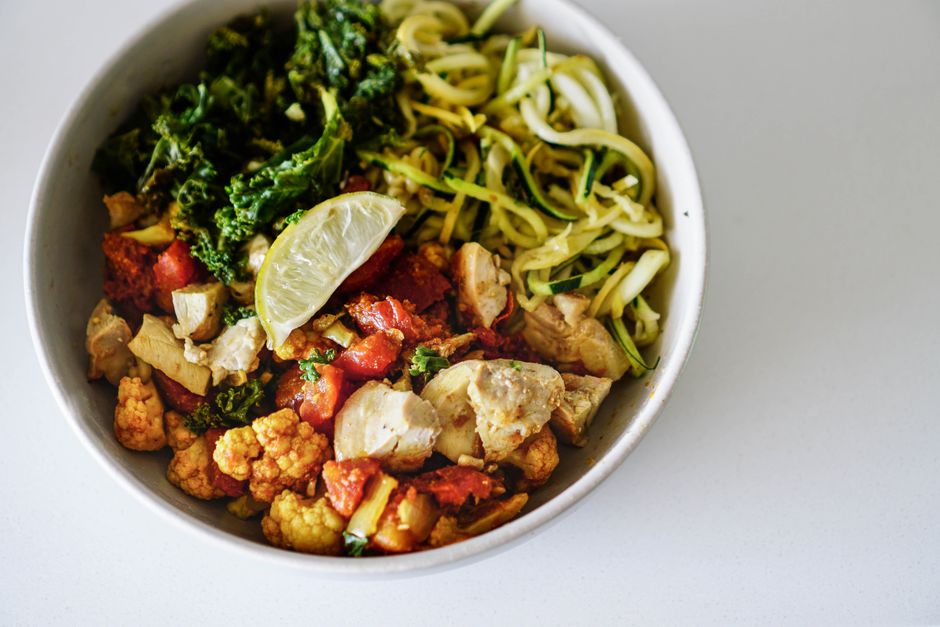
What Is a Whole Food Detox Meal Plan?
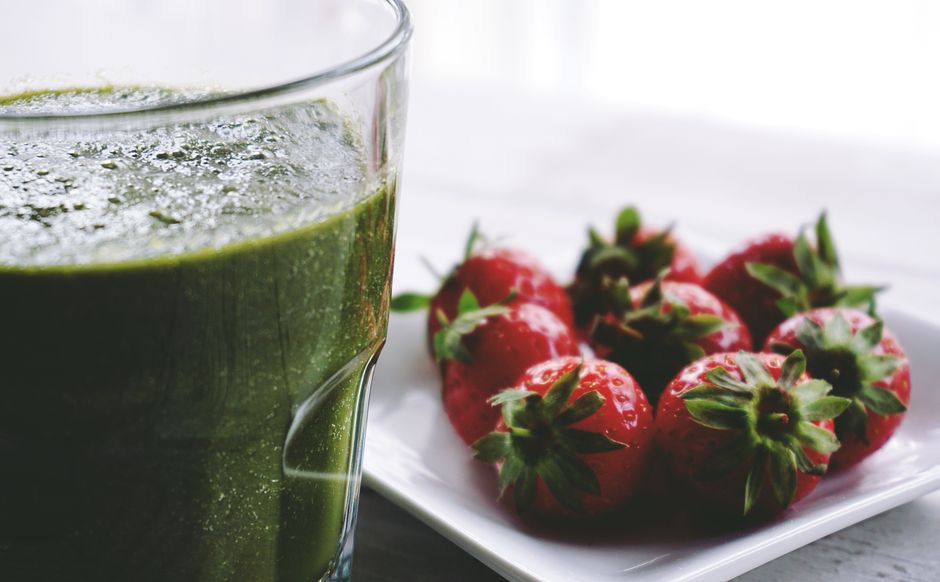
A whole food detox meal plan focuses on eating minimally processed foods that come from the earth — vegetables, fruits, lean proteins, nuts, seeds, and whole grains. The goal is not to starve yourself or rely on juice cleanses with dubious results. Instead, it means giving your body a break from added sugars, refined grains, artificial additives, and processed snacks that pile up in the typical American diet. By filling your plate with nutrient-dense whole foods for seven consecutive days, you give your digestive system a chance to reset while flooding your body with vitamins, minerals, and fiber it actually knows how to use. This detox guide walks you through every step of a beginner-friendly week so you know exactly what to shop for, cook, and eat.
Many beginners wonder whether a detox plan means drinking nothing but juice for a week. That is a common myth. A legitimate whole food detox meal plan keeps you full and energized with real meals spread across breakfast, lunch, dinner, and snacks. The emphasis falls on **cooking at home** using fresh ingredients rather than relying on packaged products with long ingredient lists you cannot pronounce.
Quick pick: Compare top-rated Detox Guides options.
Benefits of a Whole Food Detox for Beginners
The appeal of a structured seven-day plan goes beyond short-term results. Research consistently links diets rich in whole foods to better gut health, more stable blood sugar, and improved energy levels throughout the day. When you remove heavily processed foods, most people notice they sleep better, experience less bloating, and feel mentally sharper within the first few days.
A seven-day window is short enough to start building new habits without feeling overwhelmed. It gives you a concrete milestone to measure against. Whether your goal is to jump-start healthier eating, break a sugar dependency, or simply reset after a period of indulgent meals, this timeline creates a tangible starting and ending point that keeps you accountable.
Understanding Whole Foods Before You Begin
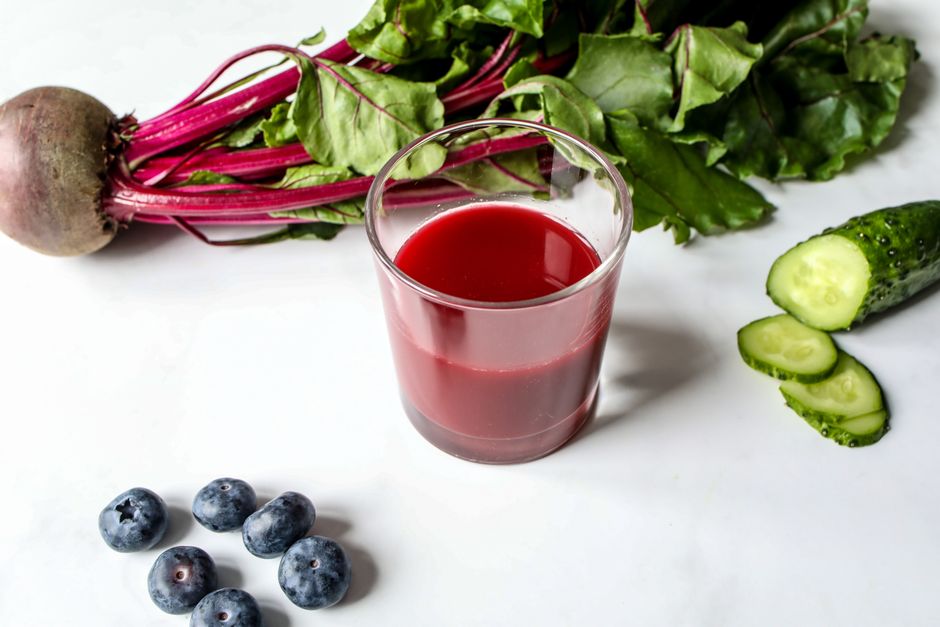
Whole foods are ingredients that have been minimally altered from their natural state. Think of an apple you can pick up and eat versus applesauce with added sugars and preservatives. Whole foods retain their original fiber, antioxidants, and micronutrients, which work together to support your body’s own detoxification pathways.
The liver is your primary detox organ, and it relies on specific nutrients — glutathione, sulfur compounds, and B vitamins — to process and eliminate waste. Whole foods like leafy greens, cruciferous vegetables, berries, and lean proteins supply those nutrients directly. Processed foods, by contrast, often contain additives and refined carbohydrates that increase the workload on your liver and contribute to inflammation.
Key whole food categories to focus on during your seven days include **leafy greens** such as spinach and kale, **colorful vegetables** like bell peppers, carrots, and beets, **lean proteins** including wild salmon, chicken breast, and legumes, **healthy fats** from avocado, olive oil, and walnuts, and **whole grains** such as quinoa, brown rice, and oats.
How Whole Foods Support Natural Detoxification
Your body has its own sophisticated detoxification system involving the liver, kidneys, intestines, and skin. A whole food detox meal plan does not force your body to do something it cannot already do. It removes the obstacles that slow the process down. Excess sugar, refined carbohydrates, alcohol, and processed meats all contribute to systemic inflammation and make your liver work harder.
When you flood your system with fiber from vegetables and whole grains, you support healthy bowel movements, which is one of the body’s primary channels for eliminating toxins. Antioxidant-rich foods like blueberries, sweet potatoes, and broccoli help neutralize oxidative stress. Meanwhile, adequate protein intake ensures your liver has the amino acids it needs to produce detoxification enzymes.
Understanding this mechanism is important because it explains why extreme juice cleanses often leave people feeling worse instead of better. Your body needs real protein, fat, and fiber to complete the detoxification cycle properly.
Foods to Avoid During Your 7-Day Plan
Success with a whole food detox depends just as much on what you remove as what you add. For the seven days of your plan, eliminate the following categories completely: **added sugars and artificial sweeteners**, **refined grains** such as white bread, pasta, and pastries, **processed snacks** including chips, crackers, and packaged cookies, **fried foods**, **alcohol and caffeine in excess**, and **dairy products** if you suspect lactose sensitivity.
Reading nutrition labels becomes essential during this phase. Many products marketed as healthy — granola bars, flavored yogurts, and sports drinks — contain added sugars that can undermine your efforts. Stick to the perimeter of the grocery store where fresh produce, proteins, and dairy alternatives are typically located.
Preparing for Your 7-Day Whole Food Detox
Preparation is the single biggest factor that determines whether beginners stick with a whole food detox or revert to old habits by day three. Start by setting realistic expectations. You may feel mild fatigue on days two and three as your body adjusts to increased fiber and reduced sugar. That is a normal response, not a sign the plan is failing.
Before your start date, clear out your pantry of tempting processed foods. Replace sugary snacks with whole food alternatives like mixed nuts, fresh fruit, or hummus with vegetable sticks. Stock your refrigerator with pre-washed greens, sliced vegetables, and fresh berries so healthy options are the most convenient choices available.
Essential Whole Foods to Stock Up On
A successful seven-day plan requires a well-stocked kitchen. The checklist below keeps your store run efficient and budget-friendly.
| Category | Items to Buy | Approximate Quantity |
|---|---|---|
| **Produce** | Spinach, kale, broccoli, bell peppers, carrots, sweet potatoes, avocados, lemons, ginger, garlic, blueberries, bananas, apples | 2–3 lbs mixed vegetables, 1 lb fruit |
| **Proteins** | Wild salmon, chicken breast, eggs, black beans, lentils, chickpeas | 1.5–2 lbs protein total |
| **Whole Grains** | Quinoa, brown rice, rolled oats, whole wheat tortillas | 2–3 lbs dry grains |
| **Nuts & Seeds** | Almonds, walnuts, chia seeds, flaxseed, sunflower seeds | 1 lb mixed nuts/seeds |
| **Pantry Staples** | Olive oil, coconut oil, almond butter, apple cider vinegar, herbal teas | 1–2 bottles each |
Buying organic produce is ideal for items on the Environmental Working Group’s Dirty Dozen list, including spinach, kale, and bell peppers. Frozen fruits and vegetables count as whole foods and often cost less while retaining comparable nutritional value.
Day 1: Launching Your Whole Food Detox
**Breakfast:** Start with **overnight oats** made with rolled oats, unsweetened almond milk, chia seeds, and topped with fresh blueberries and a drizzle of almond butter. This combination provides slow-releasing carbohydrates, omega-3 fatty acids, and antioxidants to fuel your morning without blood sugar spikes.
**Lunch:** Prepare a **quinoa bowl** with roasted sweet potatoes, black beans, spinach, shredded carrots, and a dressing of olive oil and fresh lemon juice. Quinoa delivers complete plant-based protein, while sweet potatoes supply complex carbs and vitamin A.
**Dinner:** Bake a skinless chicken breast alongside broccoli and bell peppers drizzled with olive oil and minced garlic. Add a side of brown rice for extra fiber and sustained energy.
**Snack:** Enjoy a small handful of mixed raw almonds and an apple.
Day one is about building momentum. Meal prep what you can in advance so you are not searching for options when hunger strikes. Preparing overnight oats the night before and pre-portioning snacks removes decision fatigue from your mornings.
Days 2 Through 7: Building on Your Progress
The structure of your meals stays consistent throughout the week while you rotate ingredients to keep things interesting and ensure a variety of nutrients. Each day follows the same rhythm: a fiber-forward breakfast, a plant-packed lunch, a protein-rich dinner, and a clean snack.
**Day 2:** Smoothie bowl with frozen banana, spinach, almond butter, and chia seeds for breakfast. Lunch features a lentil soup with whole wheat bread and a side salad. Dinner is baked wild salmon with roasted carrots and quinoa.
**Day 3:** Scrambled eggs with sautéed spinach and avocado slices. Lunch is a chickpea and cucumber salad with olive oil dressing. Dinner is stir-fried chicken breast with broccoli, bell peppers, ginger, and garlic served over brown rice.
**Day 4:** Oatmeal topped with walnuts, cinnamon, and fresh berries. Lunch is a turkey and avocado wrap using a whole wheat tortilla. Dinner is a baked sweet potato stuffed with black beans, kale, and a dollop of unsweetened Greek yogurt.
**Day 5:** Green smoothie blending kale, banana, frozen mango, and coconut water. Lunch is a Mediterranean grain bowl with quinoa, roasted eggplant, tomatoes, and lemon tahini dressing. Dinner is grilled salmon with roasted Brussels sprouts and wild rice.
**Day 6:** Whole grain pancakes made with oats, eggs, and banana served with fresh fruit. Lunch is a large mixed green salad with grilled chicken, chickpeas, carrots, and sunflower seeds. Dinner is a vegetable curry with tofu, spinach, bell peppers, and coconut milk served over brown rice.
**Day 7:** Yogurt parfait layering unsweetened coconut yogurt, chia seeds, granola, and mixed berries. Lunch is an open-faced sandwich on whole grain bread topped with smashed avocado and smoked salmon. Dinner celebrates your week with grilled shrimp skewers, roasted sweet potato wedges, and a side of sautéed kale with garlic.
Staying Hydrated During Your Detox
Hydration plays a critical role in every detoxification process. Water assists kidney function, helps maintain regular bowel movements, and prevents the headaches that sometimes accompany initial sugar withdrawal. Aim for **eight to ten glasses of water per day** as a baseline, and increase that amount if you exercise or live in a hot climate.
Beyond plain water, incorporate **herbal teas** into your routine. Ginger tea supports digestion and reduces nausea, peppermint tea soothes the stomach, and dandelion tea has a mild diuretic effect that some people find helpful during a detox. Starting each morning with a large glass of warm water mixed with fresh lemon juice is a simple practice that alkalizes the body and supports liver function.
Minimize caffeine during your seven-day plan. If you currently drink multiple cups of coffee per day, taper off rather than stopping abruptly to avoid withdrawal headaches. One cup of black coffee in the morning is acceptable if needed, but green tea is a better choice since it contains antioxidants alongside a moderate caffeine dose.
Tips for Staying Energized Without Processed Foods
One concern beginners often raise is whether they will feel fatigued without the quick energy from processed carbohydrates and sugars. The answer is yes, you can maintain high energy levels on whole foods — but timing and macronutrient balance matter.
Never skip breakfast. Eating within an hour of waking jump-starts your metabolism and prevents energy crashes later in the morning. Pair your morning carbohydrates with protein and healthy fat to slow digestion and provide steady fuel. For example, pairing oatmeal with eggs and avocado is far more sustaining than oatmeal alone.
Eat every three to four hours to maintain stable blood sugar. Going too long without food forces your body into a stress response that depletes energy and can trigger overeating at the next meal. Keep portable snacks like almonds, hard-boiled eggs, or apple slices with almond butter on hand throughout the day.
If you exercise regularly, do not assume you need to stop during your detox week. Light to moderate activity such as walking, yoga, or a 30-minute strength session is perfectly compatible with this meal plan. Your body may actually perform better once it adapts to using fat for fuel instead of relying on sugar spikes and crashes. For more wellness routines that complement a clean eating plan, explore our full detox guides archive.
Tracking Your Progress and Listening to Your Body
Keeping a simple journal during your seven-day plan transforms a short-term diet into a lasting learning experience. Each morning, note your energy level on a scale of one to ten, your sleep quality, and how your digestion feels. Before each meal, check in with your hunger level. These notes reveal patterns that are easy to overlook without written records.
Most beginners report noticeable changes by day four or five. Common improvements include reduced bloating, more consistent energy throughout the day, better sleep quality, and improved mental clarity. Some people also notice their skin looks clearer, which reflects the reduction in inflammatory processed foods and added sugars.
If you experience persistent fatigue, dizziness, nausea, or other unusual symptoms, do not push through them blindly. These signals deserve attention. A whole food detox meal plan should make you feel progressively better, not worse. Adjust portion sizes, ensure you are eating enough calories, and consult a healthcare professional if symptoms persist.
Maintaining a Whole Food Lifestyle After Day 7
Completing seven days of whole food eating is an accomplishment worth celebrating. The real challenge — and the real opportunity — lies in translating what you learned into a sustainable long-term eating pattern. You do not need to maintain the strict structure of a detox indefinitely. Instead, think of whole foods as the foundation of your regular diet with room for flexibility.
Adopt a **plate method** as your default: fill half your plate with vegetables, one quarter with lean protein, and one quarter with whole grains or starchy vegetables. This visual guide keeps your meals balanced without requiring calorie counting or obsessive tracking.
Continue drinking water throughout the day and prioritize home-cooked meals over restaurant or takeout options whenever possible. Batch cooking grains and proteins on Sundays makes weeknight meals faster and easier, reducing the temptation to reach for processed convenience foods when you are tired or busy.
Pay attention to how different foods make you feel. Many people discover they feel sluggish after consuming dairy, gluten, or added sugars once they have reset their baseline with whole foods. Use that awareness to make informed choices rather than following rigid rules.
Frequently Asked Questions (FAQ)
What can I expect to achieve after completing the 7-day whole food detox meal plan?
Most beginners report increased energy levels, improved digestion with less bloating and more regular bowel movements, clearer mental focus, and better sleep quality by the end of the week. These changes reflect your body’s reduced inflammatory load and improved nutrient intake. Individual results vary based on your starting diet, activity level, and overall health.
Do I need to buy expensive organic produce for this plan?
No. Organic produce is ideal for the Dirty Dozen list — spinach, kale, bell peppers, and strawberries among them — but it is not a requirement. Frozen fruits and vegetables count as whole foods and retain comparable nutritional value at a lower cost. Focus on buying a wide variety of whole foods within your budget rather than spending extra on organic labels.
Can I exercise while following this 7-day detox meal plan?
Yes. Light to moderate activity such as walking, yoga, or a 30-minute strength session is compatible with this plan. Your body may actually perform better once it adapts to using fat for fuel instead of relying on sugar spikes and crashes. Stay mindful of your energy levels and adjust intensity accordingly, particularly on days two and three when fatigue is most common.
How can I continue a healthy lifestyle after completing the 7-day plan?
Continue using whole foods as the base of your meals by following the plate method — half vegetables, quarter protein, quarter whole grains. Meal prep on Sundays, stay hydrated throughout the day, and exercise regularly. Listen to your body’s signals and adjust your eating pattern based on how you feel rather than following strict rules rigidly. Small, consistent choices compound into lasting habits over time.
When should I consult a healthcare professional during my detox meal plan?
Consult a healthcare professional if you experience persistent dizziness, severe fatigue, nausea, heart palpitations, or any other unusual symptoms that do not resolve within a day or two. Speak with a doctor before starting this or any other dietary plan if you have pre-existing medical conditions such as diabetes, kidney disease, or a history of eating disorders. Pregnant or breastfeeding women should seek personalized guidance before attempting a structured meal plan.
Top Product Recommendations
| Product Name | Rating | Key Feature | Est. Price | Action |
|---|---|---|---|---|
| Top-rated organic spinach and kale | ★★★★★ | Editor-recommended organic spinach and kale from this guide | $18–$42 | Check Lowest Price on Amazon |
| Best-value wild salmon fillets | ★★★★☆ | Affordable wild salmon fillets — strong everyday results | $12–$28 | Check Lowest Price on Amazon |
| Premium quinoa and brown rice | ★★★★☆ | Higher-end quinoa and brown rice for visible, lasting results | $45–$95 | Check Lowest Price on Amazon |
Affiliate Disclosure: This post contains affiliate links. We may earn a commission if you buy through our links, at no extra cost to you. Medical Disclaimer: This content is for informational purposes only and is not medical advice. Consult a healthcare professional before changing diet or exercise.
Leave a Reply