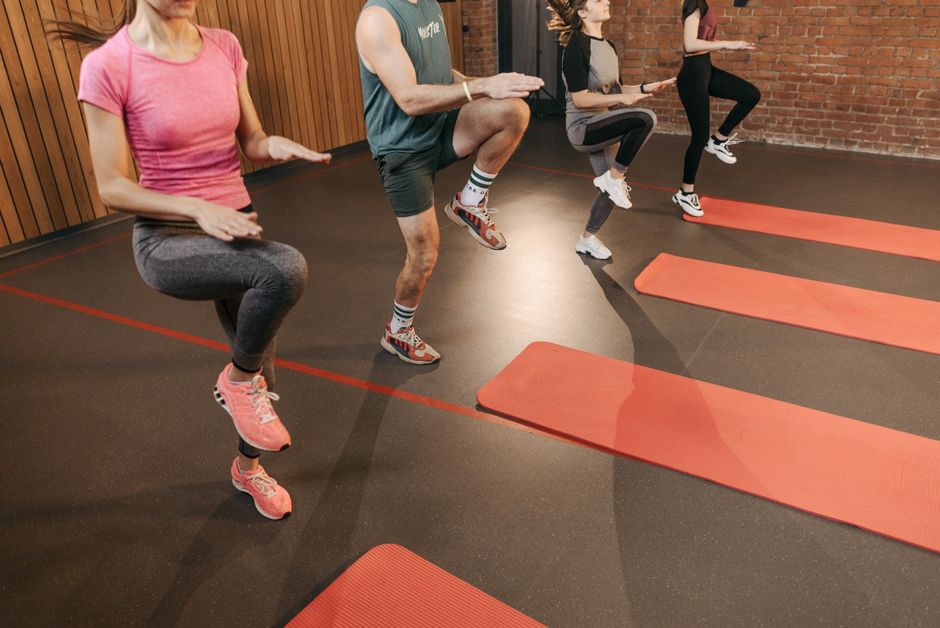
What Is Low Impact Cardio and Why Does It Matter for Bad Knees?
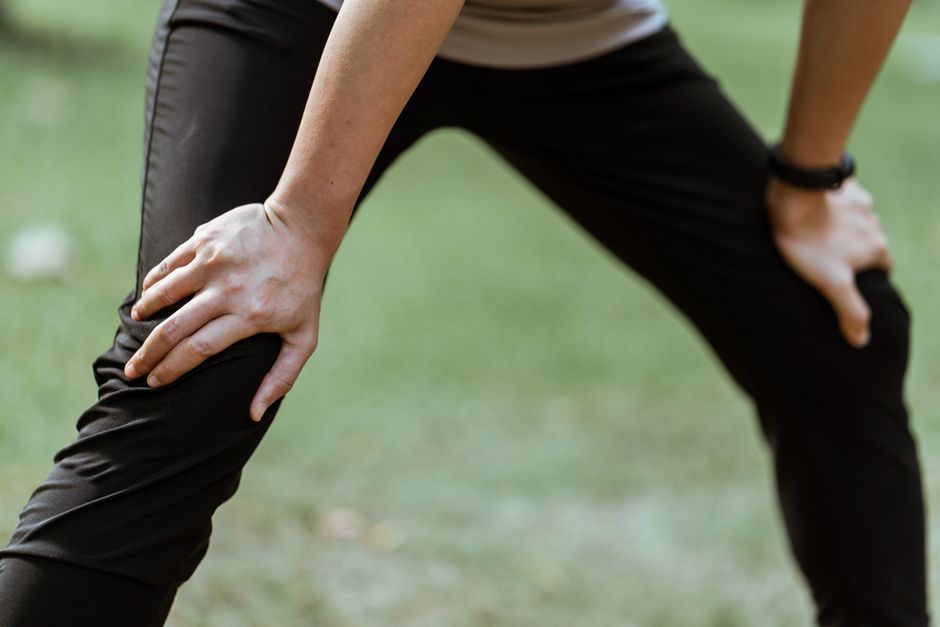
Low impact cardio keeps at least one foot grounded at all times, dramatically reducing the forces that travel through your knees with every step or jump. Unlike running or plyometrics, which can deliver two to three times your body weight through each knee joint per footstrike, low impact alternatives cushion every movement and protect your joints. For anyone dealing with knee pain, this approach opens up real options: elevate your heart rate, burn calories, and improve your health without the repeated jarring that inflames sore joints. The key is choosing movements that keep your body stable and supported throughout each session.
This guide covers everything you need to build a safe, effective, and sustainable cardio routine at home — even when your knees need a little extra care.
Quick pick: Compare top-rated Cardio options.
Common Causes of Knee Pain and When to See a Doctor
Knee pain is one of the most frequent complaints among adults, and it has many possible origins. Cartilage wear over time, meniscus tears, ligament strains, runner’s knee (patellofemoral pain), bursitis, and general overuse all rank among the usual suspects. Your risk climbs if you carry extra weight, have a prior injury, or lack strength in the muscles that stabilize your knee.
Certain warning signs deserve professional attention. Sharp or shooting pain during movement, visible swelling that shows up within hours, a knee that feels unstable, or pain that persists even when you are not bearing weight all warrant a medical evaluation. If your knee locks up, clicks painfully, or turns red and warm to the touch, do not push through it — see a healthcare professional first.
Getting a clear diagnosis before launching a new fitness routine is one of the smartest steps you can take. Once you know what you are working with, you can choose exercises that support healing rather than aggravate the problem.
Benefits of Low Impact Cardio for Knee Health

Low impact cardio delivers measurable benefits for people managing knee discomfort. First, it strengthens your cardiovascular system — your heart and lungs become more efficient, your resting heart rate drops, and your long-term risk for heart disease, stroke, and type 2 diabetes all decline.
Second, low impact exercise builds the muscles that surround and support your knee joint — your quadriceps, hamstrings, and hip abductors. Stronger supporting muscles mean your knees absorb shock more effectively and distribute load more evenly, which takes genuine pressure off damaged tissue.
Third, regular movement improves synovial fluid circulation inside the joint, keeping the knee better lubricated and more mobile. Studies consistently show that people with knee osteoarthritis who stick with regular low impact activity report less pain and better function than those who stay sedentary.
Best Low Impact Cardio Exercises You Can Do at Home
You do not need a gym membership to get an exc nt cardio workout. Here are the most knee-friendly options, ranked by joint impact from lowest to moderate:
- Swimming and water walking — Water buoyancy eliminates nearly all weight-bearing stress on the knees. Even swimming laps or walking in chest-deep water provides serious cardio conditioning with zero joint impact.
- Stationary cycling — Pedaling on a recumbent or upright bike strengthens your quads without any impact whatsoever. Adjusting resistance lets you increase intensity as your fitness grows.
- Walking — Walking on flat ground is genuinely low impact and accessible to nearly everyone. Start with 10 to 15 minutes and build from there.
- Elliptical trainer — An elliptical machine mimics the natural walking motion while your feet stay locked onto pedals. Moving handlebars involve your upper body too.
- Seated cardio exercises — Marching in place, seated leg lifts, and seated Russian twists all get your heart pumping from a supported position that keeps your knees safe.
- Rowing machine — A rower engages your legs, core, and arms simultaneously. As long as you use proper form with a controlled leg push-off, knee stress remains minimal.
Building a Low Impact Cardio Routine That Actually Works
Designing a sustainable routine comes down to three variables: frequency, duration, and progression. For most beginners, three sessions per week of 20 to 30 minutes is a smart starting point. As your body adapts and your knees feel better, you can bump up to four or five sessions weekly and extend duration gradually.
Every session needs a proper warm-up. Spend three to five minutes doing light movement — gentle marching in place, arm circles, and controlled leg swings — to wake up your muscles and coax synovial fluid toward your joints before you ask more of them. Skipping this step is one of the most common reasons new exercisers feel worse instead of better.
Cooling down is just as important. Finish each workout with five minutes of slow walking followed by static stretching targeting your quads, hamstrings, and calves. This reduces post-workout soreness and keeps your muscles long and flexible.
Mixing up your activity choices matters more than most people realize. Swapping cycling for swimming one day and walking the next gives different muscle groups a turn while keeping the routine from feeling stale. Variety genuinely sustains a long-term fitness habit.
How to Stay Motivated and Build Lasting Habits
Motivation is a skill, not a feeling — and it gets easier with practice. Start with brutally modest goals that you know you can hit. A five-minute walk three times a week beats an ambitious 30-minute plan you abandon after two weeks every single time.
Tracking your progress gives your efforts tangible proof. Write down how long you moved, how far you walked, or how many revolutions you cycled. Watching your numbers climb week after week is deeply satisfying and keeps you honest.
Finding accountability changes everything for many people. A workout partner, a local walking group, or even an online community of people with similar goals can turn a solo chore into a shared commitment. Choose activities you genuinely enjoy — you cannot build a habit around something you dread every morning.
Remember that setbacks are normal. Life interferes, injuries happen, and motivation dips. What separates people who stay active from those who quit is simple: they treat exercise as a non-negotiable part of their week, not an optional bonus when everything goes perfectly.
Nutrition Habits That Support Knee Health and Recovery
Exercise and nutrition work as a team. What you eat either fuels inflammation or fights it, and that has a direct impact on how your knees feel.
Foods that fight inflammation include:
- Fatty fish such as salmon, mackerel, and sardines packed with omega-3 fatty acids
- Colorful vegetables and fruits that deliver antioxidants protecting joint tissues
- Whole grains and legumes that steady your blood sugar and reduce inflammatory markers
- Olive oil, nuts, and seeds containing healthy fats that support overall joint comfort
Foods that can worsen knee pain include:
- Processed snacks and fast food loaded with refined oils and additives
- Sugary beverages and desserts that spike blood sugar and drive inflammation
- Excessive refined carbohydrates that amplify inflammatory responses
Beyond anti-inflammatory staples, specific nutrients deserve attention. Calcium and vitamin D support bone density, which matters directly for knee joint integrity. Collagen and vitamin C help maintain cartilage structure. If you struggle to get enough from food alone, talk to your doctor about whether a glucosamine, chondroitin, or omega-3 supplement makes sense for your situation.
| Nutrient | Best Food Sources | Joint Health Benefit |
|---|---|---|
| Omega-3 fatty acids | Salmon, mackerel, walnuts | Reduces joint inflammation |
| Vitamin C | Oranges, bell peppers, strawberries | Supports collagen and cartilage |
| Calcium | Dairy, fortified plant milks, leafy greens | Strengthens bone density |
| Vitamin D | Sunlight, egg yolks, fortified foods | Helps the body absorb calcium |
| Collagen | Bone broth, chicken skin, supplements | Maintains cartilage integrity |
Sample Weekly Low Impact Cardio Schedule for Bad Knees
Putting all of this together does not have to be complicated. Here is a straightforward starting template you can adapt to your own schedule:
- Monday — Brisk walking, 20 minutes
- Tuesday — Swimming or water walking, 25 minutes
- Wednesday — Rest or light stretching
- Thursday — Stationary cycling, 25 minutes
- Friday — Brisk walking, 20 minutes
- Saturday — Elliptical trainer or rowing machine, 25 minutes
- Sunday — Full rest and recovery
The goal is consistent movement — not perfection. Adjust days and durations to fit your life.
Frequently Asked Questions (FAQ)
How often should I do low impact cardio exercises?
Most health authorities recommend at least 150 minutes of moderate cardio per week for general wellness. That breaks down to roughly 30 minutes, five days a week. If you are just starting out with bad knees, begin with three 15-minute sessions weekly and build up gradually from there. Listen to your body and add time only when the current duration feels manageable.
Can I lose weight doing only low impact cardio exercises?
Yes — weight loss primarily comes down to burning more calories than you consume, and low impact cardio burns a meaningful number of calories consistently over time. Swimming can burn 400 to 500 calories per hour, cycling around 400 to 700 depending on intensity, and brisk walking roughly 250 to 350 calories per hour. Pair your routine with a balanced diet, and you create the calorie deficit needed for gradual, sustainable weight loss.
What are signs that my knee pain is actually improving?
You will likely notice reduced stiffness first thing in the morning, greater ease going up and down stairs, less pain during and after your workouts, and an improved ability to walk or move for longer stretches without discomfort. Swelling that once lingered for days may fade within hours now. If you experience consistent improvement over four to six weeks of consistent low impact exercise, your routine is working — keep going.
Is it safe to exercise every day with bad knees?
Daily movement can be safe, but daily intense cardio is not always the best choice when you have knee issues. Alternating between active days and recovery days gives your joints time to adapt and repair. Light activities like gentle walking or stretching on rest days are perfectly fine and even beneficial. If a particular day brings noticeable pain or swelling, dial back the intensity or take the day off entirely.
Always consult your healthcare provider before starting any new exercise program, especially if you have an existing injury or chronic knee condition.
Top Product Recommendations
| Product Name | Rating | Key Feature | Est. Price | Action |
|---|---|---|---|---|
| Top-rated low impact cardio equipment home | ★★★★★ | Editor-recommended low impact cardio equipment home from this guide | $18–$42 | Check Lowest Price on Amazon |
| Best-value best cardio machine for bad knees | ★★★★☆ | Affordable best cardio machine for bad knees — strong everyday results | $12–$28 | Check Lowest Price on Amazon |
| Premium home workout cardio bad knees | ★★★★☆ | Higher-end home workout cardio bad knees for visible, lasting results | $45–$95 | Check Lowest Price on Amazon |
Affiliate Disclosure: This post contains affiliate links. We may earn a commission if you buy through our links, at no extra cost to you.
Leave a Reply