
If you have been looking for a sustainable way to eat better and support your fitness goals without draining your bank account, the Mediterranean diet is one of the most evidence-backed places to start. Rooted in the traditional cuisines of countries bordering the Mediterranean Sea, this eating style emphasizes whole grains, fresh vegetables, lean proteins, and healthy fats from olive oil and nuts — and the good news is that building a **Mediterranean diet grocery list on a budget in the USA** is entirely achievable with the right strategy.
This guide walks you through every step of adopting the Mediterranean way of eating without breaking the bank. From understanding the core principles to smart shopping strategies and simple recipes, you will have a practical roadmap for making this healthy eating pattern work for your lifestyle and your wallet.
Understanding the Mediterranean Diet for Fitness
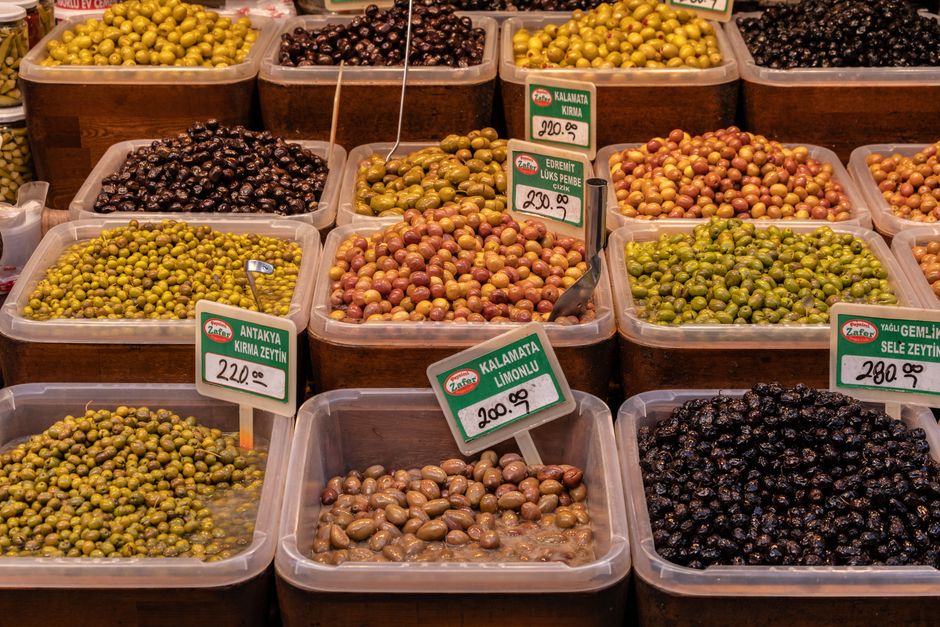
The Mediterranean diet is not a restrictive weight-loss fad. It is a flexible, evidence-backed eating pattern that draws from the traditional diets of countries like Greece, Italy, Spain, and Turkey. The foundation centers on plant-based foods: vegetables, fruits, whole grains, legumes, nuts, and seeds. These are paired with lean protein sources such as fish, poultry, and eggs, while red meat is kept to a minimum.
Healthy fats are a cornerstone of the approach. Olive oil — particularly extra virgin olive oil — serves as the primary fat source and is used generously in cooking and as a finishing drizzle. Herbs and spices replace salt for flavor, making dishes both delicious and heart-friendly. Moderate amounts of dairy, particularly yogurt and cheese, round out the typical Mediterranean plate.
For those focused on fitness, the Mediterranean diet delivers a strong balance of macronutrients. Complex carbohydrates from whole grains support sustained energy for workouts. Healthy fats help regulate hormones and support joint recovery. Adequate protein from fish and legumes aids muscle maintenance and repair. Together, these elements create an eating pattern that fuels performance and recovery without processed supplements or expensive specialty products.
Quick pick: Compare top-rated Healthy Food options.
Why the Mediterranean Diet Supports Your Health Goals
Research consistently shows that the Mediterranean eating pattern supports cardiovascular health, healthy weight management, and improved metabolic markers. A landmark study published in the New England Journal of Medicine found that participants following a Mediterranean diet supplemented with olive oil or nuts reduced their risk of major cardiovascular events by approximately 30% compared to a low-fat control group.
For fitness-minded individuals, the anti-inflammatory properties of Mediterranean foods are particularly relevant. Chronic low-grade inflammation can interfere with recovery and blunt training adaptations. The abundance of antioxidants from vegetables, fruits, and olive oil helps combat oxidative stress after intense workouts. Omega-3 fatty acids from fish like salmon, sardines, and mackerel support brain function, mood regulation, and muscle recovery.
The diet also promotes gut health through fermented foods like yogurt and kefir, as well as the fiber from legumes and whole grains. A healthy gut microbiome is increasingly linked to athletic performance, energy levels, and immune function. These benefits are not reserved for elite athletes — everyday exercisers and beginners alike can experience meaningful improvements by adopting this eating pattern consistently.
Explore more healthy food guides for fitness-focused eating plans that actually fit your life.
Building Your Mediterranean Diet Grocery List: The Basics
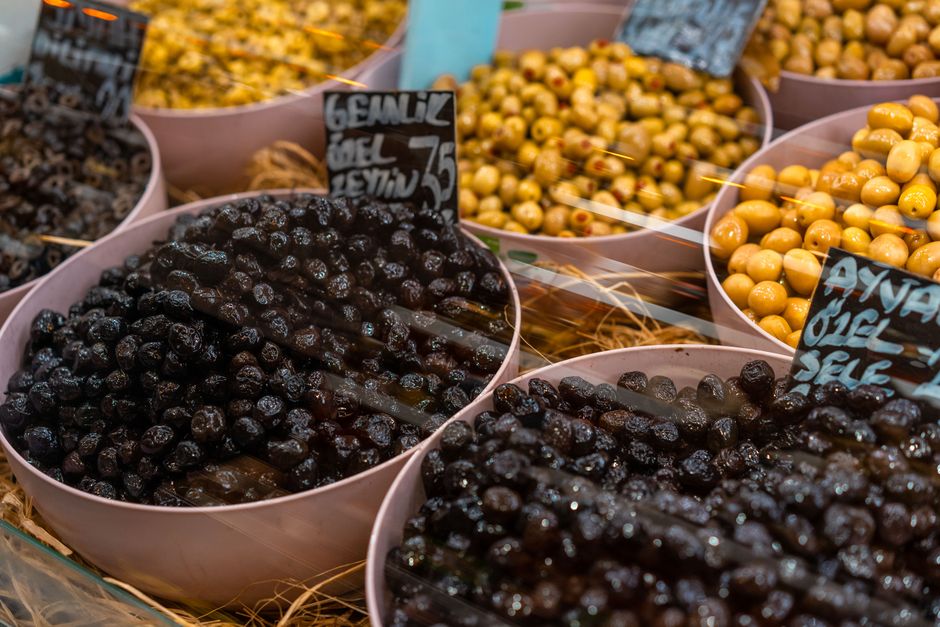
Creating a structured grocery list is the single most impactful step you can take for staying on budget while eating Mediterranean. A well-planned list prevents impulse buys, reduces food waste, and ensures you always have the ingredients on hand to prepare healthy meals at home rather than reaching for convenience foods or takeout.
Your core Mediterranean grocery list should include these foundational categories:
- **Grains and starches**: Brown rice, quinoa, whole wheat pasta, oats, barley, whole grain bread, and pita
- **Proteins**: Canned tuna, canned sardines, chicken breast or thighs, eggs, and frozen or canned legumes such as chickpeas and lentils
- **Vegetables**: Spinach, kale, tomatoes, cucumbers, bell peppers, onions, garlic, zucchini, and eggplant
- **Fruits**: Bananas, apples, oranges, grapes, berries (fresh or frozen), and lemons
- **Healthy fats**: Extra virgin olive oil, walnuts, almonds, and tahini
- **Dairy**: Greek yogurt, feta cheese, and milk
- **Pantry staples**: Canned tomatoes, olive paste, dried herbs, cumin, paprika, and black pepper
A well-stocked pantry means you can assemble a nutritious Mediterranean meal even when fresh groceries run low. Pantry staples like canned chickpeas, whole grain pasta, and jars of roasted peppers turn a bare refrigerator into a workable kitchen.
Budget-Friendly Protein Sources on the Mediterranean Diet
Protein is critical for any fitness-focused eating plan, and the Mediterranean diet delivers it in spades — without the premium price tags associated with grass-fed beef or organic poultry. Understanding which protein sources offer the best value per serving helps you stretch your grocery budget significantly.
**Canned tuna and canned sardines** are among the most affordable and nutritionally dense options available. Sardines provide an impressive combination of protein, omega-3 fatty acids, and calcium. A single can costs as little as $1.25 and delivers approximately 20 grams of protein. Canned tuna offers a similar protein punch at comparable prices.
**Eggs** are another budget MVP. A dozen large eggs provides roughly 70 grams of high-quality protein at an average cost of $3–$4 in most US markets. Eggs are incredibly versatile: scrambled for breakfast, hard-boiled for portable snacks, or used in frittatas loaded with Mediterranean vegetables.
**Legumes** — including black beans, lentils, and chickpeas — represent the most cost-effective protein source in the Mediterranean framework. Dried lentils and chickpeas are typically priced under $2 per pound and cook down into large quantities of protein-rich food. Canned versions add convenience at a slightly higher cost but remain among the cheapest protein options per serving.
**Greek yogurt** is a staple worth prioritizing. A 32-ounce tub of plain Greek yogurt provides roughly 90 grams of protein and costs $5–$7 in most US grocery stores. Use it as a breakfast base with fruit and honey, a sauce base with cucumber and dill, or a post-workout recovery snack.
Browse healthy protein ideas that support muscle recovery without high costs.
Seasonal Produce: Fresh and Affordable Choices
Buying produce in season is the single most effective strategy for reducing your produce bill while maximizing flavor and nutrition. In the Mediterranean approach, vegetables are the star of the plate, appearing at every meal. Seasonal buying ensures you get peak nutrient density at the lowest cost.
In spring and summer months, stock up on tomatoes, zucchini, bell peppers, eggplant, corn, berries, stone fruits, and fresh herbs like basil and parsley. These items are abundant in local farmers markets and supermarket sales, making them significantly cheaper than out-of-season alternatives.
Fall and winter bring opportunities to buy squash varieties — butternut, acorn, and spaghetti squash — along with leafy greens like kale, collards, and Swiss chard. Cabbage, carrots, apples, and citrus fruits are at their peak and priced competitively during these months.
**Frozen vegetables** are not a compromise — they are often flash-frozen at peak ripeness and can contain equal or superior nutrient levels compared to fresh produce that has traveled long distances. Stock up on frozen spinach, frozen peas, and frozen mixed vegetables to have a reliable base for Mediterranean dishes at any time of year.
Stocking Your Pantry: Mediterranean Diet Essentials
A well-organized pantry is the secret weapon of anyone eating Mediterranean on a budget. When your pantry is stocked with versatile staples, you can create satisfying meals without needing to shop every few days. This reduces transportation costs, impulse purchases, and the temptation to order takeout.
Your Mediterranean pantry should center on these essentials:
- **Extra virgin olive oil**: The cornerstone fat of the entire diet — used for sautéing, dressings, and finishing dishes. A 16-ounce bottle typically costs $8–$15 and lasts 3–4 weeks with regular use.
- **Canned tomatoes**: Crushed, diced, and whole canned tomatoes are the base for countless Mediterranean sauces, soups, and stews. A 28-ounce can costs under $2.
- **Canned legumes**: Chickpeas, black beans, kidney beans, and lentils provide quick protein and fiber. Keep at least 3–4 varieties on hand.
- **Whole grains**: Quinoa, brown rice, barley, and whole grain pasta form the starch foundation of Mediterranean meals.
- **Dried herbs and spices**: Oregano, basil, cumin, paprika, turmeric, and black pepper transform simple ingredients into bold, flavorful dishes.
- **Nut butter and nuts**: Almond butter, tahini, walnuts, and almonds add healthy fats and protein to snacks and meals.
- **Vinegars**: Red wine vinegar and balsamic vinegar create quick pickle and dressing bases.
Investing in these core items means you always have the building blocks for Mediterranean cooking. Resupplying your pantry monthly costs far less than buying prepared Mediterranean meals or dining out.
Smart Shopping Strategies for Mediterranean Foods
Knowing where and how to shop makes a dramatic difference in your total grocery bill. Strategic shopping means more Mediterranean food on your table and more money in your pocket at the end of each month.
Start by identifying the stores in your area that offer the best value. Discount grocery chains such as Aldi, Walmart, and Costco consistently undercut traditional supermarkets on pantry staples like olive oil, canned goods, and grains. Ethnic markets — particularly Latin grocery stores, Middle Eastern markets, and Asian supermarkets — often carry spices, tahini, canned legumes, and specialty grains at significantly lower prices than mainstream grocers.
**Buying in bulk when items are on sale** is a proven budget strategy. When olive oil goes on a buy-one-get-one deal or canned chickpeas drop to a rock-bottom price, stock up. A small investment in extra pantry storage — such as stackable food containers — pays for itself within one or two bulk purchases.
Store brands versus name brands deserve a closer look. In most cases, store-brand canned tomatoes, canned tuna, Greek yogurt, and grains are nutritionally equivalent to their branded counterparts and cost 20–40% less. Generic or store-brand olive oil can be an exc nt everyday choice, reserving premium brands for finishing dishes where the difference is more noticeable.
**Avoid shopping when hungry.** Research consistently shows that hungry shoppers spend more on processed foods and impulse items. Plan your grocery trips after a meal or with a written list to stay disciplined.
Meal Prep Made Easy: Mediterranean-Style Weekly Plan
Meal prepping is the bridge between knowing what to eat and actually executing it under a busy schedule. A Mediterranean-style weekly meal prep does not require culinary expertise or hours in the kitchen — it requires a simple system.
A practical weekly prep might look like this: Cook two batches of whole grains (such as quinoa and brown rice) on Sunday, enough to last four to five days. Roast a large sheet pan of Mediterranean vegetables — bell peppers, zucchini, red onion, and cherry tomatoes tossed in olive oil and herbs — at the same time. These two components form the base for dozens of meals.
Prepare a batch of simple protein each week. Baked chicken thighs seasoned with oregano, lemon, and garlic store well for four days. Hard-boiled eggs take five minutes to make and last a full week. A pot of lentil soup or chickpea stew made on Sunday provides multiple servings for lunch or a quick dinner.
Greek yogurt cups are the easiest grab-and-go prep: portion plain Greek yogurt into containers, top with a handful of frozen berries, a drizzle of honey, and a sprinkle of walnuts. Grab one on your way out the door for a protein-packed breakfast or snack.
This batch-cooking approach typically requires 60–90 minutes of active prep time on the weekend and yields 8–12 ready-to-eat meals. The cost per meal often falls below $4, compared to $12–$18 for comparable takeout or restaurant versions.
Quick and Healthy Mediterranean Recipes
The Mediterranean diet shines because it requires minimal processing to make food taste extraordinary. With a handful of spices, olive oil, and fresh ingredients, you can prepare satisfying meals in under 20 minutes.
A simple **chickpea and vegetable stir-fry** starts with heating olive oil in a skillet, adding cumin, paprika, and garlic, then stirring in canned chickpeas and whatever vegetables you have on hand. A squeeze of lemon and a handful of fresh parsley finish the dish. Serve over rice or inside a whole wheat pita for a complete meal in under 15 minutes.
A **Greek yogurt power bowl** layers plain Greek yogurt with sliced banana, a tablespoon of almond butter, a handful of walnuts, and a drizzle of honey. This breakfast or post-workout snack delivers approximately 25 grams of protein, healthy fats, and natural sugars for energy.
A **Mediterranean grain bowl** combines cooked quinoa, roasted vegetables, a serving of canned tuna or chickpeas, cucumber, olives, feta crumbles, and a lemon-olive oil dressing. Building grain bowls once or twice a week provides variety and ensures you hit your protein, fiber, and vegetable targets without feeling restricted.
A **lentil soup with lemon and herbs** is one of the most budget-friendly meals you can make. Sauté onion, garlic, carrots, and celery in olive oil. Add canned lentils, canned tomatoes, vegetable broth, cumin, and oregano. Simmer for 20 minutes, finish with a squeeze of lemon, and serve with whole grain bread. One pot makes four to six servings at roughly $1.50 per serving.
Staying on Track: Tips for Long-Term Success
Building a sustainable Mediterranean eating habit on a budget comes down to consistency and mindset. Small daily decisions compound into major health and financial results over weeks and months.
Start with incremental changes rather than a complete dietary overhaul. Begin by swapping one processed snack for a handful of almonds or olives. Replace one side of white rice with quinoa or brown rice. Add one extra serving of vegetables to your dinner plate each day. These small shifts are more sustainable than dramatic changes and reduce the risk of feeling deprived.
Track your grocery spending for the first month. Most people are surprised to find that cooking Mediterranean meals at home costs significantly less than their current food spending on restaurants, takeout, and pre-packaged meals. Use a simple spreadsheet or phone note to log weekly grocery totals and compare them to your previous average.
Rotate your protein sources to prevent boredom. A rotation of eggs, canned tuna, Greek yogurt, chickpeas, lentils, and chicken breast keeps meals interesting and nutritionally balanced. Experiment with different spice blends — try za’atar on roasted vegetables, harissa in chickpea dishes, or chimichurri on grilled chicken.
If you hit a plateau with fitness progress, remember that diet is only one piece of the puzzle. Adequate sleep, consistent strength training, and stress management all influence your results. The Mediterranean diet provides the nutritional foundation — your training and recovery habits determine the rest.
As with any major dietary change, consider consulting a healthcare professional or registered dietitian if you have specific health conditions, dietary restrictions, or fitness goals that require individualized guidance.
Frequently Asked Questions (FAQ)
What are some healthy and affordable protein sources for the Mediterranean diet?
Canned sardines, canned tuna, eggs, Greek yogurt, canned chickpeas, and lentils are among the most affordable and nutritionally dense protein sources in the Mediterranean diet. Eggs provide about 6 grams of protein each and cost roughly $0.25–$0.35 per egg. Canned chickpeas and lentils deliver 12–15 grams of protein per cup at a fraction of the cost of animal proteins. These options are widely available at Aldi, Walmart, and most US grocery stores.
How can I incorporate more vegetables into my Mediterranean diet meals?
Start by adding one extra serving of vegetables to every meal — a handful of spinach in your morning smoothie, extra tomatoes in your lunch grain bowl, and roasted vegetables alongside your dinner protein. Frozen vegetables are a budget-friendly backup when fresh produce is expensive. Soups, stews, and stir-fries are the easiest vehicles for loading up on vegetables without breaking your budget or your cooking time.
Are there any specific foods to avoid on the Mediterranean diet?
The Mediterranean diet minimizes processed foods, added sugars, refined grains, and excess red meat. Limit or avoid items such as white bread, sugary cereals, soda, chips, processed deli meats, and commercially baked goods. These foods offer little nutritional value and can undermine fitness and health goals. Instead, focus on whole, minimally processed ingredients that come from the core Mediterranean food groups.
Top Product Recommendations
| Product Name | Rating | Key Feature | Est. Price | Action |
|---|---|---|---|---|
| Top-rated extra virgin olive oil | ★★★★★ | Editor-recommended extra virgin olive oil from this guide | $18–$42 | Check Lowest Price on Amazon |
| Best-value canned sardines | ★★★★☆ | Affordable canned sardines — strong everyday results | $12–$28 | Check Lowest Price on Amazon |
| Premium greek yogurt | ★★★★☆ | Higher-end greek yogurt for visible, lasting results | $45–$95 | Check Lowest Price on Amazon |
Affiliate Disclosure: This post contains affiliate links. We may earn a commission if you buy through our links, at no extra cost to you.
Leave a Reply