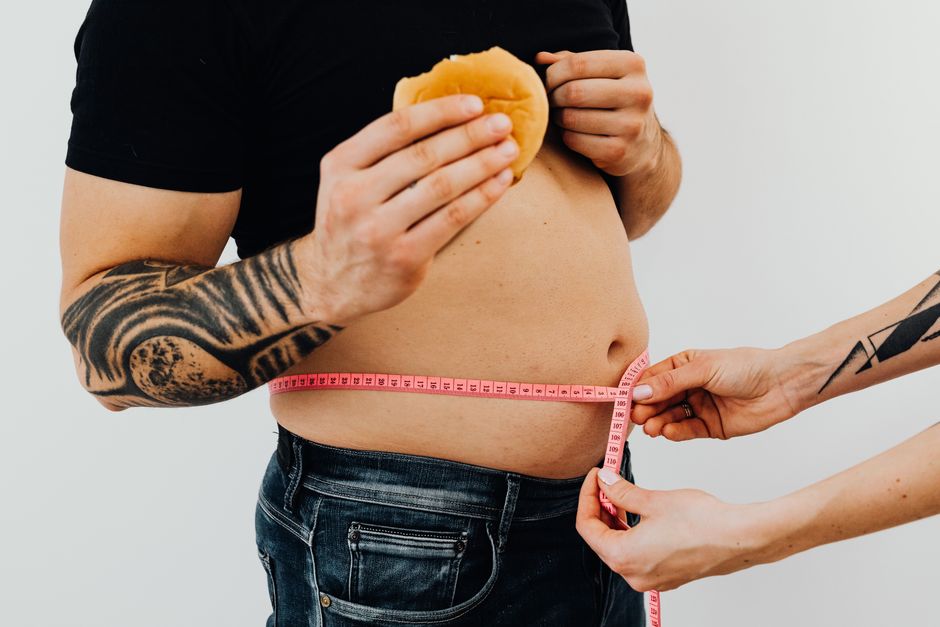
Understanding Macronutrients

Counting macros for fat loss is one of the most reliable tools available to beginners who are tired of vague nutrition advice. Instead of hearing “eat less, move more,” you get a precise, flexible framework built on real numbers. This guide walks you through everything you need to start today — and stay consistent.
**Macronutrients** — or “macros” — are the three nutrient categories your body uses for energy and structural function. Every food you eat contains some combination of protein, carbohydrates, and fat. Understanding what each does is the foundation of any effective fat-loss plan.
- **Protein** (4 calories/gram): Builds and repairs muscle tissue, keeps you full, and protects lean mass during a calorie deficit.
- **Carbohydrates** (4 calories/gram): Your body’s preferred fuel source for exercise and brain function.
- **Fat** (9 calories/gram): Supports hormone production, absorbs fat-soluble vitamins, and provides long-lasting energy.
No single macro is the enemy. Cutting any one of them too aggressively leads to fatigue, muscle loss, and unsustainable eating habits. The goal is the right *ratio* — not elimination.
Quick pick: Compare top-rated Nutrition Guides options.
Setting Your Macro Targets for Fat Loss
Before setting macro targets, you need your **Total Daily Energy Expenditure (TDEE)** — the total calories your body burns each day. Use a TDEE calculator based on your age, weight, height, and activity level. For fat loss, subtract **300–500 calories** from your TDEE to create a moderate, sustainable deficit.
Once you have your calorie target, split it across macros. A common starting point for beginners:
| Macronutrient | % of Calories | Grams (on 1,800 cal diet) |
|---|---|---|
| Protein | 30–35% | 135–158 g |
| Carbohydrates | 35–40% | 158–180 g |
| Fat | 25–30% | 50–60 g |
- **Higher protein** (0.7–1g per pound of bodyweight) preserves muscle while in a deficit.
- **Lower carbs** work well for sedentary days; **higher carbs** on training days.
- Adjust ratios every 2–4 weeks based on progress and energy levels.
If you have a medical condition such as diabetes or PCOS, consult a registered dietitian before setting macro targets. Our nutrition guides always recommend professional input for anyone with underlying health concerns.
How to Track Your Macros

The most practical tool for beginners is a **food tracking app** with a large food database and barcode scanning. Log everything you eat — including cooking oils, sauces, and beverages. Consistency in the first 2–3 weeks builds the food awareness that makes tracking feel effortless over time.
- Scan packaged food barcodes for instant macro data.
- For whole foods like chicken breast or rice, weigh portions on a **digital kitchen food scale** in grams for accuracy.
- For restaurant meals, search the app’s database and choose the closest verified entry.
Reading **nutrition labels** accurately is a non-negotiable skill. Always check the serving size first — many packages contain 2–3 servings, and the label reflects just one. Multiply every number by the number of servings you actually consume.
Building a Balanced Meal Plan
A solid macro-aligned meal plan doesn’t require gourmet cooking. The key is batching protein sources — ground turkey, eggs, canned tuna, Greek yogurt — and pairing them with fibrous vegetables and a controlled carb source. Prep 3–4 days of meals at once to eliminate daily decision fatigue.
- Build each meal around a **protein anchor** (20–40g per meal).
- Add non-starchy vegetables freely — they’re low-calorie and high in fiber.
- Use a **measured carb source** (rice, oats, sweet potato) and a small fat source (olive oil, avocado) to round out targets.
For busy professionals, Sunday meal prep is the single highest-ROI habit. Cook a large batch of protein, a grain, and two vegetables — mix and match throughout the week. This approach keeps meals varied while your macros stay predictable.
Eating Out While Staying on Track
Dining out doesn’t have to derail your progress. Most chain restaurants now post nutrition info online — check it before you arrive and pre-log your meal. For independent restaurants, build a best estimate using comparable items in your tracking app.
- Choose grilled, baked, or steamed proteins over fried options.
- Ask for sauces and dressings on the side — this one habit can save 200–400 calories.
- Opt for a side salad or steamed vegetables instead of fries when cutting.
Don’t aim for perfection when eating out — aim for a **reasonable estimate**. Being within 10–15% of your macro targets on restaurant days is a realistic and sustainable standard. Logging something imperfect beats skipping the log entirely.
Adjusting Macros Across Fat Loss Phases
Fat loss is not a straight line, and your macro targets should evolve with your progress. In the first 4–8 weeks, a standard deficit with high protein is enough to produce results for most beginners. After that, the body adapts and progress may stall.
- **Diet break**: Every 8–12 weeks, raise calories back to maintenance for 1–2 weeks to reset hunger hormones and metabolism.
- **Refeeds**: On high-intensity training days, temporarily increase carbs by 50–100g to restore muscle glycogen.
- **Advanced cut**: Reduce calories by an additional 100–200 only after confirming the stall with 2+ weeks of data.
Know when to seek professional support. If you’ve stalled for more than 3–4 weeks despite adherence, a **registered dietitian or certified nutrition coach** can identify whether the issue is caloric miscalculation, hormonal factors, or training volume.
Supplements That Support Your Macro Goals
Supplements are not required to count macros successfully — but a few can fill genuine gaps. **Whey or plant-based protein powder** is the most practical tool for hitting daily protein targets, especially on days when whole-food sources fall short. A single scoop typically adds 20–25g of protein for roughly 100–130 calories.
- **Creatine monohydrate** (3–5g/day) supports strength and muscle retention during a deficit — one of the most well-researched supplements available.
- **Vitamin D + Magnesium** address common deficiencies that can affect energy and sleep quality.
- Skip proprietary “fat burner” blends — most lack evidence and contain stimulants that aren’t worth the cost or risk.
Always count supplement calories and macros in your daily log. Protein shakes in particular contribute meaningful calories that can push you over your target if left untracked. Read labels and log them like any other food.
Frequently Asked Questions (FAQ)
How often should I track my macros?
Daily tracking for the first 4–8 weeks builds the food awareness you need. After that, many people shift to tracking only on weekdays or when progress stalls — full-time tracking isn’t required forever once you’ve internalized portion sizes.
Can I still enjoy treats while counting macros for fat loss?
Yes — this is one of the biggest advantages of macro counting over rigid meal plans. As long as a treat fits within your daily targets, it’s allowed. The flexibility reduces binge cycles and improves long-term adherence compared to all-or-nothing diets.
What tools do beginners need to start macro tracking?
A basic **digital kitchen food scale** that reads in grams is the most useful purchase for anyone starting macro tracking — accuracy improves dramatically compared to using measuring cups. Pair it with any reputable tracking app that has a barcode scanner and a large verified food database for the smoothest beginner experience.
When should I consult a healthcare professional?
If you have a diagnosed medical condition, are taking prescription medications that affect metabolism, or have been unable to lose weight despite consistent tracking for 4+ weeks, speak with a registered dietitian or your primary care provider before making changes to your nutrition plan.
Top Product Recommendations
| Product Name | Rating | Key Feature | Est. Price | Action |
|---|---|---|---|---|
| Top-rated digital kitchen food scale grams | ★★★★★ | Editor-recommended digital kitchen food scale grams from this guide | $18–$42 | Check Lowest Price on Amazon |
| Best-value macro tracking app barcode scanner | ★★★★☆ | Affordable macro tracking app barcode scanner — strong everyday results | $12–$28 | Check Lowest Price on Amazon |
| Premium whey protein powder muscle recovery | ★★★★☆ | Higher-end whey protein powder muscle recovery for visible, lasting results | $45–$95 | Check Lowest Price on Amazon |
Affiliate Disclosure: This post contains affiliate links. We may earn a commission if you buy through our links, at no extra cost to you. Medical Disclaimer: This content is for informational purposes only and is not medical advice. Consult a healthcare professional before changing diet or exercise.
Leave a Reply