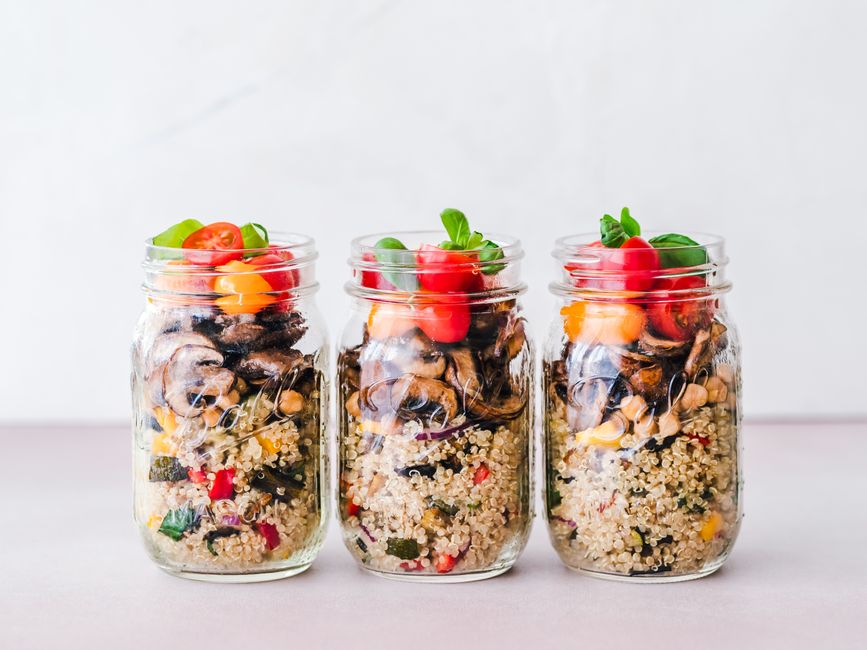
Why High-Protein Meal Prep Is Your Weight-Loss Edge
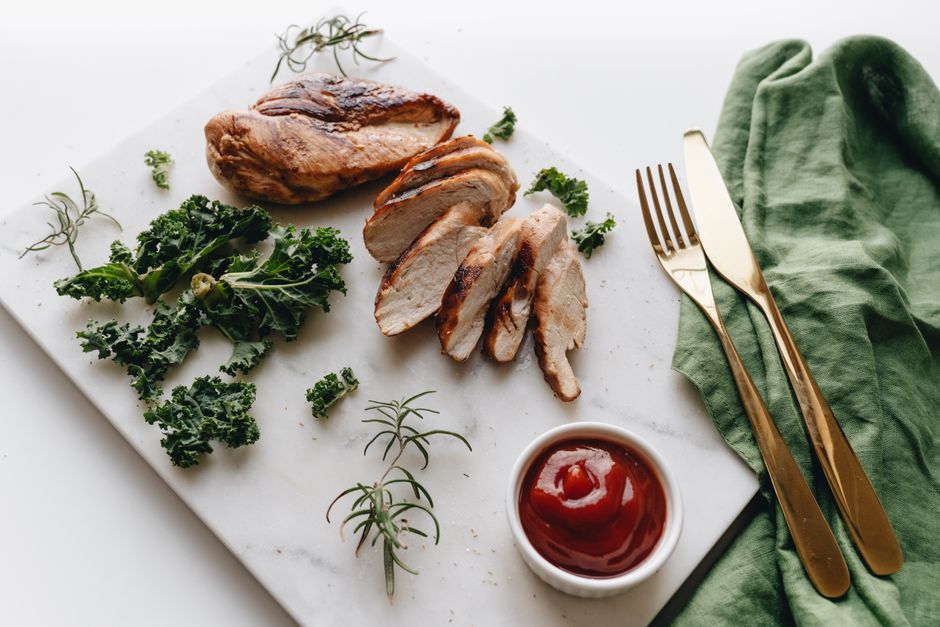
If you want to lose weight without spending a fortune on food, **high protein meal prep for weight loss on a budget** is one of the most effective strategies you can adopt. Protein keeps you full longer, preserves lean muscle while you’re in a calorie deficit, and reduces the urge to snack on empty calories. The combination of meal prepping and a protein-forward eating plan removes daily decision fatigue — so you’re never one bad afternoon away from a drive-through.
The core idea is simple: cook in bulk once or twice a week, portion everything out, and stock your fridge with ready-to-eat meals that align with your calorie and macronutrient targets. When food is already prepared, you’re far less likely to derail. Budget-conscious shoppers will be relieved to know the most effective protein sources — eggs, canned tuna, dried lentils, chicken thighs, cottage cheese — are also among the cheapest items in any US grocery store.
This guide walks you through every meal of the day with realistic portions, practical prep tips, and beginner-to-advanced modifications so you can start this week regardless of your cooking skill level. And if you’re new to building a sustainable routine, check out our weight loss resources for more habit-based guidance.
—
Quick pick: Compare top-rated Weight Loss options.
How Protein Supports Weight Loss
**Protein** is a macronutrient made up of amino acids that your body uses to repair tissue, build muscle, and regulate hormones. For weight loss specifically, its biggest advantage is **satiety** — protein triggers the release of fullness hormones like peptide YY and suppresses the hunger hormone ghrelin more effectively than carbohydrates or fat.
A practical target for most active adults aiming to lose weight is **0.7–1 gram of protein per pound of bodyweight per day**. For a 160-pound person, that’s roughly 112–160 grams daily. Spreading that across 4–5 meals keeps hunger controlled and supports muscle retention during a calorie deficit.
Protein sources vary in quality and cost:
- **Complete proteins** (contain all essential amino acids): eggs, chicken, turkey, tuna, Greek yogurt, cottage cheese
- **Plant-based proteins** (combine for completeness): lentils, black beans, chickpeas, edamame, tofu
- **Affordable supplements** (optional): unflavored whey or pea protein concentrate
Choosing **lean sources** — chicken breast, egg whites, non-fat Greek yogurt — keeps calories lower while hitting protein targets. Don’t fear fattier cuts like chicken thighs; the small fat difference is offset by the lower price and better flavor that keeps you consistent.
—
Building Your Weekly Meal Prep Plan
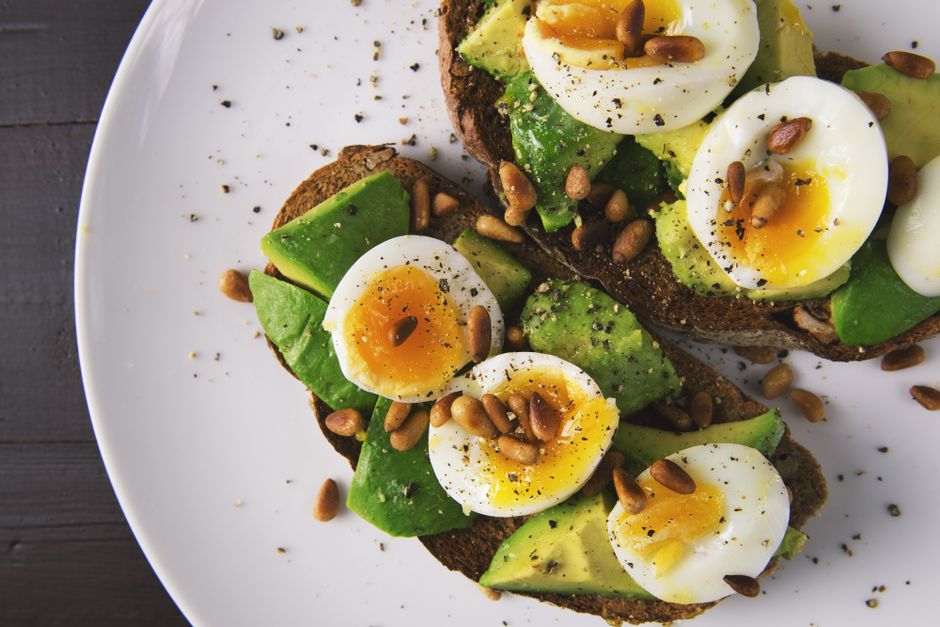
Successful meal prep starts with a **weekly plan before you shop**. Pick 2–3 protein anchors (e.g., a batch of ground turkey, a dozen hard-boiled eggs, a pot of lentil soup), then build breakfasts, lunches, and dinners around them. This prevents ingredient waste and keeps your grocery bill predictable.
**Budget-friendly protein staples to build your plan around:**
- Eggs (~$0.15–0.25 each)
- Canned tuna or sardines (~$1.00–1.50 per can)
- Dried lentils or black beans (~$1.50 per lb, yields ~10 servings)
- Bone-in chicken thighs (~$1.50–2.00 per lb)
- Non-fat Greek yogurt (store brand, ~$0.80 per 5.3 oz cup)
- Cottage cheese (~$3.50 for a 24 oz tub)
- Frozen edamame (~$2.50 per lb bag)
A realistic prep session takes **60–90 minutes on Sunday**. Cook proteins in bulk (roast a sheet pan of chicken thighs, boil eggs, simmer a lentil batch), portion into containers, and pair with roasted vegetables or a grain like brown rice or quinoa. Meals stay fresh **4–5 days refrigerated** — prep a second mini-session Wednesday if you need Friday and Saturday covered.
**Beginner modification:** Start with just prepping lunches for the workweek. Five identical containers of chicken, rice, and vegetables removes the hardest meal-planning decision of the day.
**Advanced modification:** Track macros using a free app and adjust portion sizes week over week based on scale trend and energy levels.
—
High-Protein Breakfasts That Cost Under $5 to Prep
Breakfast is where most Americans fall short on protein — cereal, toast, and pastries are carb-heavy and leave you hungry by 10 a.m. Prepping protein-rich breakfasts in advance solves this completely.
**Best budget-friendly high-protein breakfast preps:**
- **Egg muffins:** Whisk 12 eggs with diced vegetables and turkey sausage, pour into a muffin tin, bake at 375°F for 18–20 minutes. Each muffin delivers ~7g protein; eat 2–3 per morning. Cost: under $5 for 12.
- **Overnight oats with Greek yogurt:** Combine ½ cup rolled oats, ½ cup non-fat Greek yogurt, ½ cup milk, and a scoop of protein powder. Prep 5 jars Sunday night — 30+ grams of protein each.
- **Cottage cheese bowls:** ¾ cup cottage cheese topped with fruit and a tablespoon of nut butter. Zero cook time, ~20g protein, under $1.50 per serving.
Research suggests that eating a **high-protein morning meal reduces total daily calorie intake** by curbing mid-morning hunger. If you train in the morning, aim for 25–40g protein within 60 minutes post-workout.
—
Lunch and Dinner Ideas Under $2 Per Serving
Lunch and dinner are where your bulk-cooked proteins shine. The goal is variety from a limited ingredient list — rotate sauces, spices, and vegetables to keep the same chicken thigh batch feeling fresh across four days.
**Lunch ideas (prep-ready):**
- **Tuna salad lettuce wraps:** 1 can tuna, Greek yogurt instead of mayo, celery, mustard. ~30g protein, ~200 calories.
- **Lentil and vegetable soup:** One pot, ~8 servings, ~18g protein per bowl, freezes well.
- **Chicken and brown rice bowls:** Shredded roasted chicken thighs over rice with a simple hot sauce or teriyaki marinade.
**Dinner ideas (batch-friendly):**
- **Sheet-pan chicken thighs with broccoli:** Season 6–8 thighs, roast at 400°F for 35–40 minutes. Pairs with any grain or vegetable.
- **Turkey and black bean chili:** One pot, 10+ servings, freezes for 3 months. ~28g protein per cup.
- **Egg fried rice:** Uses leftover rice and 3–4 eggs. Ready in 10 minutes, ~22g protein per serving.
| Meal | Protein (g) | Approx. Cost/Serving | Prep Time |
|---|---|---|---|
| Egg muffins (3) | 21g | $0.75 | 25 min |
| Tuna salad wrap | 30g | $1.20 | 5 min |
| Lentil soup (1 bowl) | 18g | $0.60 | 40 min |
| Chicken rice bowl | 35g | $1.80 | 45 min |
| Turkey black bean chili | 28g | $1.40 | 50 min |
—
Smart High-Protein Snacks to Prep Ahead
Snacks aren’t optional filler — in a high-protein weight-loss plan, a **well-timed snack between meals** prevents energy crashes that lead to overeating at dinner. The target for a snack is **15–25g protein with minimal added sugar or refined carbs**.
**Best budget high-protein snacks to prep in advance:**
- **Hard-boiled eggs:** Prep a dozen at once; refrigerate up to 1 week. 2 eggs = 12g protein, ~$0.40.
- **Greek yogurt cups:** Portion into small containers with berries. ~15g protein each.
- **Roasted chickpeas:** Toss canned chickpeas with olive oil and seasoning, roast at 400°F for 30–35 minutes. ~7g protein per ½ cup, extremely portable.
- **Cottage cheese with cucumber:** Zero prep, high volume, very low calorie density.
- **String cheese + apple:** Convenient, no prep, ~8g protein.
For on-the-go nutrition, portion snacks into small zip-lock bags or reusable containers Sunday night. Having snacks ready in your bag or desk eliminates the vending machine temptation entirely. If your protein intake is consistently falling short, a **single scoop of whey or pea protein mixed with water** is one of the most cost-effective ways to close the gap at around $0.50–0.80 per serving.
**Beginner tip:** Start with just one prepped snack per day — a container of Greek yogurt in your work bag. That single habit can eliminate 200–400 calories of impulsive eating daily.
—
Common Meal Prep Mistakes to Avoid
Even well-intentioned meal preppers run into the same pitfalls. Avoiding these keeps your plan on track:
- **Overcomplicating recipes the first week.** Stick to 2–3 simple proteins and rotate vegetables and sauces for variety.
- **Skipping hydration.** Protein metabolism requires water — aim for at least 8 cups daily.
- **Ignoring portions.** Prepped food still has calories. Use a food scale or measuring cups, especially with calorie-dense items like nut butters and olive oil.
- **Not labeling containers.** Date everything. A mystery container in the back of the fridge is a food safety risk.
—
Mindset, Consistency, and Realistic Expectations
Meal prep is a **skill**, not a talent — the first few weeks will feel tedious, and that’s normal. Most people who stick with it for 30 days report that prep sessions shrink to under an hour as they get faster and more comfortable with their rotation of recipes.
**Realistic weight-loss expectations on a high-protein meal-prep plan:**
- Week 1–2: 1–3 lbs lost (mostly water weight and glycogen)
- Weeks 3–8: **0.5–1.5 lbs per week** of genuine fat loss with consistent adherence
- Plateau periods are normal — adjust portion sizes or increase activity rather than cutting protein
Consistency beats perfection every time. If you miss a prep day, fall back on the fastest high-protein defaults: canned tuna, Greek yogurt, eggs, and cottage cheese require zero cooking. These foods are your insurance policy.
Building sustainable habits matters more than any single meal choice. For more strategies on staying consistent with your weight loss goals, explore our collection of evidence-based articles.
**Always consult a registered dietitian or your healthcare provider** before making significant dietary changes, especially if you have kidney disease, diabetes, or other conditions where protein intake requires medical supervision.
—
Frequently Asked Questions (FAQ)
Q: What are the best budget-friendly protein sources for meal prep?
A: Eggs, canned tuna, dried lentils, black beans, chicken thighs, non-fat Greek yogurt, and cottage cheese consistently offer the **highest protein per dollar** at US grocery stores. Buying in bulk — a 5 lb bag of dried lentils or a family pack of chicken thighs — drops the cost per serving further.
Q: Can I hit my protein goals without eating too much fat or calories?
A: Yes — prioritize **lean protein sources** like egg whites, chicken breast, non-fat Greek yogurt, canned tuna in water, and lentils. These deliver 20–35g protein per serving with minimal fat. Use cooking methods like baking, air frying, or steaming rather than pan-frying in oil to keep calories in check.
Q: How many high-protein meals or snacks should I eat per day for weight loss?
A: Most people do well with **3 meals and 1–2 snacks**, spacing protein intake every 3–4 hours. This keeps muscle protein synthesis elevated and prevents the hunger spikes that cause overeating. Aim for **25–40g protein per main meal** and **15–20g per snack** as a practical starting framework.
Q: Do I need special containers or equipment for meal prep?
A: Not at all. Glass Pyrex-style containers, reusable plastic meal prep containers, or even zip-lock bags work fine. A basic food scale helps with accuracy but isn’t required to get started. The most important tool is a 60–90 minute block of time once or twice per week.
Top Product Recommendations
| Product Name | Rating | Key Feature | Est. Price | Action |
|---|---|---|---|---|
| Top-rated whey protein powder | ★★★★★ | Editor-recommended whey protein powder from this guide | $18–$42 | Check Lowest Price on Amazon |
| Best-value meal prep containers | ★★★★☆ | Affordable meal prep containers — strong everyday results | $12–$28 | Check Lowest Price on Amazon |
| Premium greek yogurt for meal prep | ★★★★☆ | Higher-end greek yogurt for meal prep for visible, lasting results | $45–$95 | Check Lowest Price on Amazon |
Affiliate Disclosure: This post contains affiliate links. We may earn a commission if you buy through our links, at no extra cost to you. Medical Disclaimer: This content is for informational purposes only and is not medical advice. Consult a healthcare professional before changing diet or exercise.
Leave a Reply