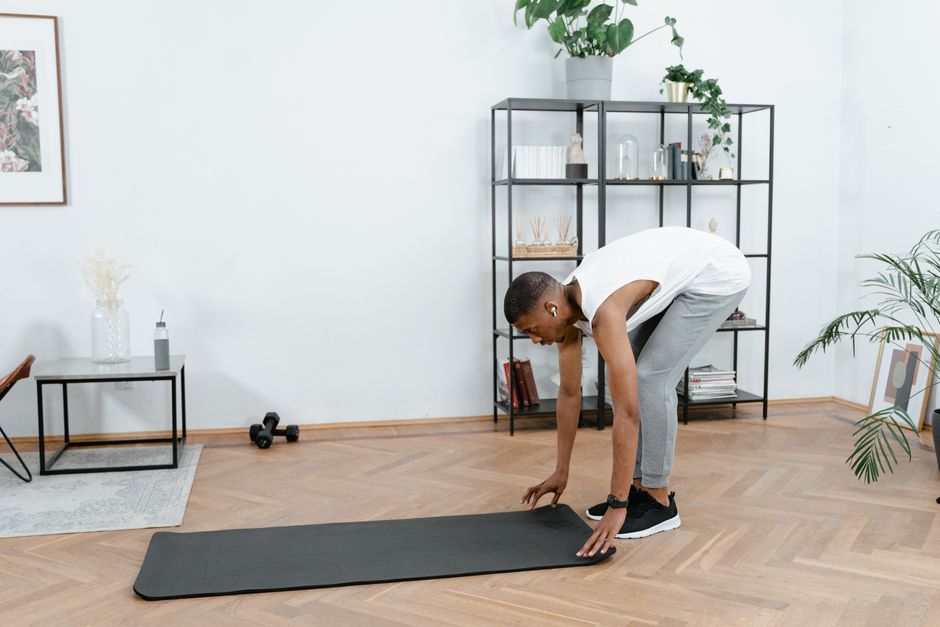
Why Strength Training Is the Best Investment You Can Make in Your Health
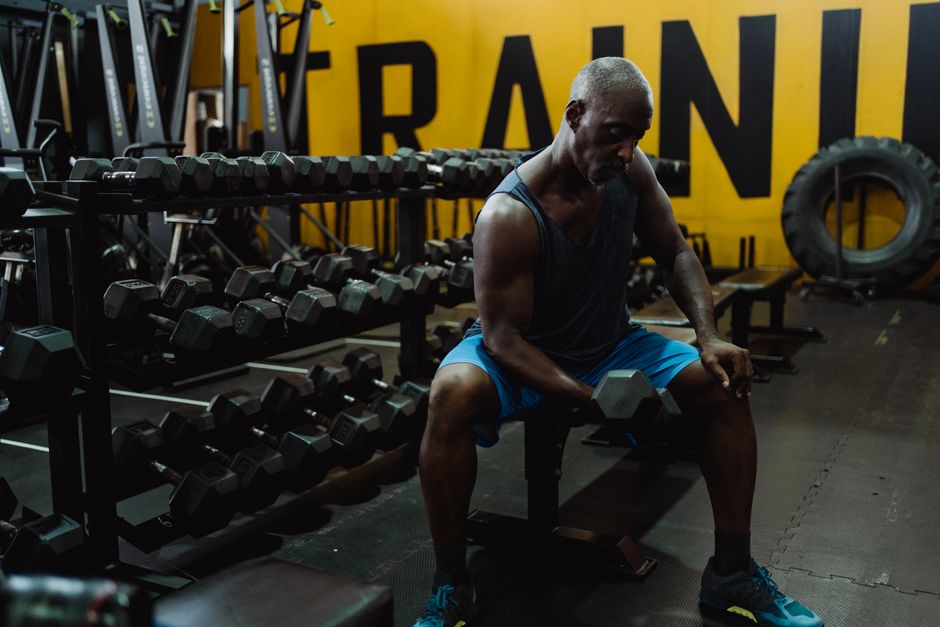
A **strength training program for men beginners at home** is one of the highest-return fitness decisions you can make. You don’t need a gym membership or expensive machines to build real muscle, boost your metabolism, and feel stronger every week. The research is clear: resistance training improves lean body mass, increases bone density, and supports long-term cardiovascular health.
The three pillars that drive results are **progressive overload** (gradually increasing difficulty), **training frequency** (hitting each muscle group 2–3x per week), and **recovery** (sleep, nutrition, and rest days). Miss any one of these and progress stalls. Master all three and you’ll see measurable changes in 8–12 weeks.
- **Muscle growth:** Stimulated by mechanical tension and metabolic stress from lifting
- **Bone density:** Loading bones through resistance reduces osteoporosis risk as you age
- **Metabolism:** More muscle mass means more calories burned at rest — even on off days
—
Quick pick: Compare top-rated Mens Fitness options.
Setting Up a Beginner-Friendly Home Gym
You don’t need to spend thousands to build an effective home training space. A focused investment in a few versatile pieces of equipment covers the vast majority of movements in any beginner program.
| Equipment | Cost Range | Primary Use |
|---|---|---|
| Adjustable dumbbells | $80–$200 | Pressing, rows, curls, lunges |
| Resistance bands (set) | $20–$40 | Warm-ups, accessory work, pull-aparts |
| Adjustable workout bench | $80–$150 | Chest press, incline, step-ups |
| Pull-up bar (doorframe) | $25–$50 | Back, biceps, core |
Dedicate a consistent space — even a 6×8 foot area — so your brain associates that spot with training. Keep equipment organized and easily accessible so setup friction doesn’t become an excuse to skip sessions. Wipe down equipment after use and inspect bands monthly for tears. Looking for the best home gym gear for men? The pieces above form the foundation most beginners need.
—
How to Design Your First Strength Training Program
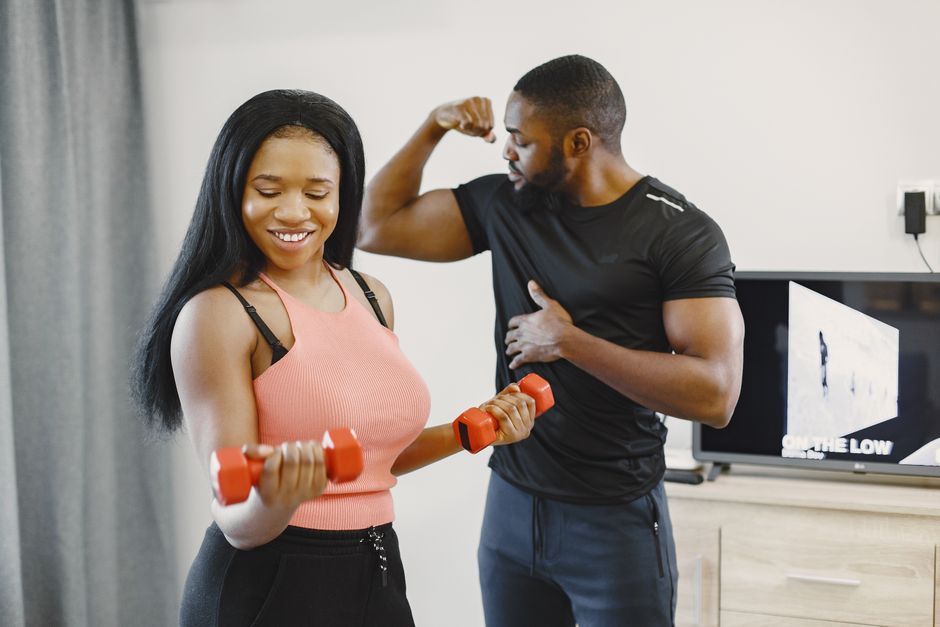
Before picking exercises, honestly assess where you’re starting. Can you do 10 push-ups with good form? Hold a plank for 30 seconds? These baselines tell you whether bodyweight or light loads should dominate your first 4 weeks.
Set **SMART goals**: specific, measurable, achievable, relevant, and time-bound. “I want to do 3 sets of 8 pull-ups in 10 weeks” beats “I want to get stronger.” Write it down. A realistic beginner goal is adding 5–10 lbs to key lifts every 2–3 weeks.
**Program design checklist for beginners:**
- [ ] 3 full-body sessions per week (Mon / Wed / Fri or similar)
- [ ] 3–4 compound movements per session (squat pattern, hinge, push, pull)
- [ ] 3 sets × 8–12 reps per exercise
- [ ] 60–90 seconds rest between sets
- [ ] At least one active recovery or mobility day per week
—
Sample Beginner Home Workouts (Week 1–4)
Full-Body Session A
This session hits every major muscle group and takes 35–45 minutes. Prioritize form over load — video yourself if needed to catch technique errors early.
- **Goblet squat** — 3 × 10 reps (dumbbell at chest; knees track over toes)
- **Dumbbell Romanian deadlift** — 3 × 10 (hinge at hips, soft knee bend, neutral spine)
- **Dumbbell floor press** — 3 × 10 (control the eccentric — 2 seconds down)
- **Dumbbell bent-over row** — 3 × 10 each side (elbow drives back, not out)
- **Plank hold** — 3 × 30 seconds
Full-Body Session B
Rotate this with Session A to keep stimulus varied. By week 3, aim to add 5 lbs to lower-body movements and 2.5 lbs to upper-body.
- **Reverse lunge** — 3 × 10 each leg
- **Dumbbell sumo squat** — 3 × 12
- **Push-up (or incline push-up for beginners)** — 3 × max reps (target 8–15)
- **Band pull-apart** — 3 × 15 (critical for shoulder health)
- **Dumbbell curl + overhead press combo** — 3 × 10
**Beginner modification:** If standard push-ups are too difficult, elevate hands on a bench. **Advanced progression:** Add a weighted vest or slow the tempo to 3 seconds down, 1 second up.
—
Nutrition and Hydration to Fuel Your Training
Strength gains happen in the gym, but they’re *built* in the kitchen. The three macronutrients each play a non-negotiable role. **Protein** repairs and builds muscle tissue — aim for **0.7–1.0 gram per pound of bodyweight** daily. **Carbohydrates** fuel your workouts and replenish glycogen. **Fats** support hormone production, including testosterone.
For hydration, drink **at least 0.5 oz of water per pound of bodyweight** on training days — more if you sweat heavily. Dehydration of even 2% body weight can measurably reduce strength output. Keep a water bottle visible during every session.
**Simple meal prep strategy for busy men:**
- Batch cook a protein source (chicken, ground beef, eggs) on Sunday
- Prep 2–3 carb sources (rice, oats, sweet potato) at the same time
- Pre-portion snacks (Greek yogurt, nuts, fruit) so grabbing them is effortless
Pre-workout: eat a mixed meal 90–120 minutes before training, or a small carb + protein snack 30–45 minutes before. Post-workout: consume 20–40g of protein within 1–2 hours to maximize muscle protein synthesis.
—
Tracking Progress and Staying Motivated
The single most underused beginner tool is a **workout journal** — paper or app, it doesn’t matter. Log the date, exercise, sets, reps, and weight every session. This data is your feedback loop. Without it, you’re guessing.
Structure motivation with two goal tiers. **Short-term goals** (2–4 weeks): complete every scheduled session, add reps to at least one exercise. **Long-term goals** (8–12 weeks): hit a bodyweight squat, do 5 pull-ups, lose or maintain weight while building strength. Celebrate every milestone — consistency compounds.
When progress plateaus, adjust one variable at a time: add one set, increase load by 5 lbs, or reduce rest periods by 15 seconds. **Never change everything at once** — you won’t know what worked.
—
Recovery: The Often-Skipped Part of the Program
Muscle doesn’t grow during a workout — it grows during recovery. Beginners often make the mistake of training every day because they’re motivated. Resist this urge. **48 hours of recovery** between sessions targeting the same muscle group is the evidence-backed minimum.
Sleep is your most powerful recovery tool. Aim for **7–9 hours per night** — growth hormone is released primarily during deep sleep. Active recovery activities like walking, stretching, or light yoga on off days improve blood flow and reduce soreness without adding training stress.
- **Foam rolling:** 5–10 minutes post-workout on major muscle groups reduces delayed-onset muscle soreness (DOMS)
- **Mobility work:** Hip flexor stretches and thoracic spine rotations are especially valuable for men who sit at a desk
- **Stress management:** Chronic stress elevates cortisol, which actively works against muscle growth
*If you experience sharp, joint-localized pain (not general muscle soreness), stop the exercise and consult a healthcare professional before continuing.*
—
Frequently Asked Questions (FAQ)
Q: How do I avoid injuries when starting a home strength training program?
A: Always warm up for 5–10 minutes with light movement and dynamic stretches before lifting. Use controlled form on every rep — prioritize technique over how much weight you’re moving. Increase load no more than 5–10% per week, and stop immediately if you feel sharp or joint pain rather than general muscle fatigue.
Q: How many days per week should a beginner man train at home?
A: Start with **3 days per week** of full-body strength training, with at least one rest day between sessions. This frequency is enough to drive consistent progress while giving your body adequate recovery time. After 8–12 weeks of consistent training, you can consider moving to a 4-day upper/lower split.
Q: Can I actually build noticeable muscle with just dumbbells and resistance bands at home?
A: Yes — absolutely. **Progressive overload** is the driver of muscle growth, not the type of equipment. As long as you’re consistently increasing resistance (heavier dumbbells, stronger bands, more reps) and eating enough protein, you can build significant muscle with a minimal home setup. Many intermediate lifters maintain most of their physique with home equipment alone.
Q: What is the best time of day to train for strength as a beginner?
A: The best time is whenever you can be consistent. Morning and evening both work — research shows similar strength gains regardless of training time. Choose a window when you’re least likely to skip, and protect that block on your calendar.
Top Product Recommendations
| Product Name | Rating | Key Feature | Est. Price | Action |
|---|---|---|---|---|
| Top-rated adjustable dumbbells home gym | ★★★★★ | Editor-recommended adjustable dumbbells home gym from this guide | $18–$42 | Check Lowest Price on Amazon |
| Best-value resistance bands set for strength training | ★★★★☆ | Affordable resistance bands set for strength training — strong everyday results | $12–$28 | Check Lowest Price on Amazon |
| Premium adjustable workout bench for men | ★★★★☆ | Higher-end adjustable workout bench for men for visible, lasting results | $45–$95 | Check Lowest Price on Amazon |
Affiliate Disclosure: This post contains affiliate links. We may earn a commission if you buy through our links, at no extra cost to you.
Leave a Reply