Why Home Workouts Work So Well for Women Over 40
After 40, life gets busy — careers, family, and recovery time all compete for the same hours. A home workout plan for women over 40 with no equipment removes the biggest barriers: commute time, gym memberships, and schedule conflicts. Research consistently shows that regular moderate exercise improves cardiovascular health, bone density, and mood in midlife women. You don’t need a squat rack or treadmill to build real fitness. Bodyweight training, when programmed correctly, delivers strength, endurance, and flexibility gains that translate directly to everyday life. The key is structure, progression, and showing up regularly.
- No equipment means no excuses and no cost
- Home workouts fit into 30–45 minutes, even on busy days
- You control the environment — temperature, music, and schedule
Looking for more ways to move your body at home? Browse our women’s fitness resources for additional routines and wellness tips tailored to every stage of life.
Quick pick: Compare top-rated Womens Fitness options.
Understanding Your Body’s Needs After 40
Hormonal shifts after 40 — including declining estrogen and progesterone — affect how your body stores fat, builds muscle, and recovers from exercise. Muscle mass naturally decreases by 3–8% per decade after 30, a process called sarcopenia. The good news: strength training directly counteracts this loss. Metabolism slows modestly, but the bigger driver of weight gain in midlife is loss of muscle tissue, not a broken metabolism. Prioritizing resistance-based movement — even bodyweight-only — preserves and rebuilds lean mass. Recovery also takes longer, so programming rest days is not optional; it’s essential.
- Aim for 2–3 strength-focused sessions per week
- Allow 48 hours of recovery between sessions targeting the same muscle groups
- Consult your healthcare provider before starting if you have joint issues, osteoporosis, or cardiovascular concerns
Warm-Up: 5–8 Minutes Before Every Session
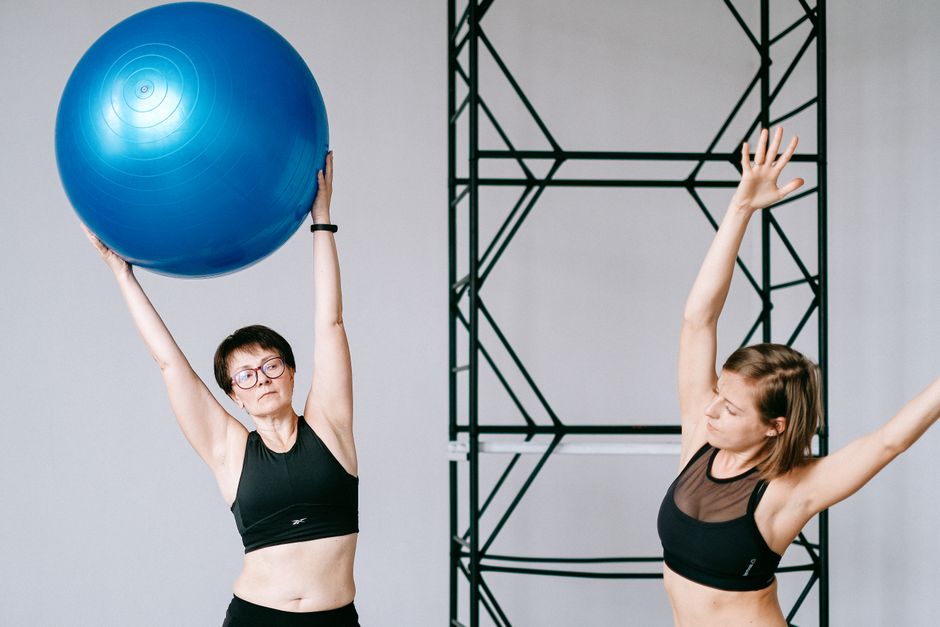
Skipping the warm-up is the fastest route to injury, especially after 40 when connective tissue is less elastic. A proper warm-up raises core body temperature, increases joint synovial fluid, and activates the muscles you’re about to train. Keep it dynamic — save static stretching for the cool-down.
**Dynamic warm-up sequence (2 rounds):**
- Leg swings: 10 each leg (forward/back, then side-to-side)
- Hip circles: 10 each direction
- Arm circles: 10 forward, 10 backward
- Bodyweight squats (slow, controlled): 10 reps
- Inchworms: 5 reps — walk hands out to plank, walk feet back in
- Jumping jacks or marching in place: 30 seconds
This sequence takes under 8 minutes and dramatically reduces injury risk while improving performance in the main workout.
The Main Workout Routine
This plan runs 3 days per week (e.g., Monday, Wednesday, Friday) with rest or light walking on off days. Each session targets full-body strength with a cardio finisher. Expect sessions to run 35–45 minutes.
**Beginner:** 2 sets per exercise, 8–10 reps, 60 seconds rest between sets
**Intermediate/Advanced:** 3–4 sets, 12–15 reps, 30–45 seconds rest
Strength Block (20–25 minutes)
- **Bodyweight squats** — feet shoulder-width, chest tall, knees track over toes. *Modification: squat to a chair seat for beginners.*
- **Push-ups** — hands slightly wider than shoulders, body in a straight line. *Modification: knees on floor; advancement: elevate feet.*
- **Reverse lunges** — step back, lower back knee toward floor, front shin vertical. *Easier on knees than forward lunges.*
- **Glute bridges** — lie on back, feet flat, drive hips up and squeeze glutes at the top. Hold 2 seconds. *Advancement: single-leg bridge.*
- **Plank hold** — forearms or hands, neutral spine, breathe. Beginner: 20 seconds; Advanced: 45–60 seconds.
- **Superman holds** — lie face down, lift arms and legs simultaneously, hold 2 seconds. Targets the posterior chain.
Cardio Finisher (8–10 minutes)
Choose one format and rotate weekly for variety:
- **Tabata intervals:** 20 seconds work / 10 seconds rest × 8 rounds. Use high knees, mountain climbers, or squat jumps.
- **EMOM (Every Minute on the Minute):** 10 burpees — or modified step-back burpees — at the top of each minute for 8 minutes.
- **Low-impact option:** March in place, step-touch side-to-side, or dance — valid choices if joints need protection.
| Format | Impact Level | Best For |
|---|---|---|
| Tabata intervals | High | Cardiovascular endurance, calorie burn |
| EMOM burpees | Moderate-High | Full-body conditioning |
| Low-impact march/dance | Low | Joint issues, active recovery days |
| Steady-state walk (outdoor) | Low | Recovery, mental health, Zone 2 cardio |
Cool-Down and Stretching
Spend 5–10 minutes cooling down after every session. This is when static stretching is appropriate — your muscles are warm and pliable. Rushing through or skipping cool-down increases next-day soreness and reduces flexibility gains over time.
**Static cool-down sequence (hold each 20–30 seconds):**
- Standing quad stretch (hold wall for balance)
- Standing hip flexor lunge stretch
- Seated hamstring stretch
- Pigeon pose or figure-four stretch (glutes/piriformis)
- Child’s pose (lower back and lats)
- Chest opener: clasp hands behind back, open chest toward ceiling
End with 2–3 minutes of deep diaphragmatic breathing — inhale 4 counts, exhale 6 counts. This activates the parasympathetic nervous system, lowering cortisol and signaling recovery.
Staying Motivated and Consistent
**Consistency beats intensity every time.** A moderate workout done 3 times per week for 6 months will outperform a brutal routine abandoned after 3 weeks. Set process goals — “I will work out Monday, Wednesday, and Friday at 7am” — rather than outcome goals alone. Track your progress with a simple notebook or phone app. Log sets, reps, and how you felt. Seeing that you went from 2 sets of 8 squats to 3 sets of 15 in 6 weeks is powerful motivation. Progress photos taken monthly are more meaningful than daily scale checks.
- **Schedule workouts like appointments** — block the time on your calendar
- **Find an accountability partner** — even a text check-in with a friend helps
- **Build a reward system** — not food-based; try a new workout playlist or rest day activity you love
- **Expect setbacks** — missing a week doesn’t erase progress; just restart the next session
For ongoing support and structured plans, explore our full library of women’s fitness articles designed to keep you moving forward.
Nutrition and Diet Tips for Women Over 40
No workout plan works in isolation. After 40, protein intake becomes especially important because the muscle protein synthesis response to meals is slightly blunted — meaning you need a bit more protein to get the same muscle-building signal. Aim for 0.7–1.0 grams of protein per pound of bodyweight daily, distributed across meals. Focus on whole, minimally processed foods: lean proteins (chicken, fish, eggs, legumes), vegetables, whole grains, and healthy fats. Calcium and vitamin D deserve extra attention for bone health — dairy, fortified foods, leafy greens, and sunlight exposure all contribute. If you’re unsure about supplementation, a registered dietitian is your best resource.
- Eat protein at every meal — target 25–40g per sitting for muscle synthesis
- Hydration matters more than most realize — aim for half your bodyweight in ounces of water daily
- Reduce ultra-processed foods and added sugars, which spike inflammation and disrupt sleep
- **Consult a registered dietitian** for personalized guidance, especially if managing any metabolic health conditions
Frequently Asked Questions (FAQ)
What is the best time of day to work out for women over 40?
A: The best time is the time you’ll actually do consistently. Morning workouts have the edge for adherence — fewer schedule conflicts arise. However, afternoon exercise often coincides with peak body temperature and strength, so performance may feel slightly better. Avoid intense workouts within 2 hours of bedtime if sleep quality is a concern.
How many days a week should women over 40 work out?
A: Three to four days per week is the proven sweet spot for most women over 40 — enough frequency for progress, enough rest for recovery. Five to six days is sustainable for advanced exercisers if sessions vary in intensity. Seven days without any recovery focus increases injury and burnout risk significantly.
Can I realistically lose weight with a home workout plan alone?
A: Yes, but diet is the larger driver of fat loss. A calorie deficit — consuming fewer calories than you burn — is required for weight loss, and workouts contribute to that deficit while preserving muscle. Expect 0.5–1 pound of fat loss per week as a realistic, sustainable rate. Home workouts build the strength and metabolic foundation; nutrition determines the magnitude of fat loss.
Do I need supplements to support this workout plan?
A: Most women can meet their nutritional needs through whole foods alone. That said, a few supplements are worth considering after 40: vitamin D (especially in winter or for those with limited sun exposure), omega-3s for joint and cardiovascular health, and a high-quality protein powder if meeting protein targets through food alone is challenging. Talk to your doctor or a registered dietitian before adding any supplement to your routine.
What if I have knee pain or joint issues — can I still follow this plan?
A: Yes, but modifications are key. Swap high-impact movements (squat jumps, burpees) for low-impact alternatives (step-ups, modified push-ups). Reverse lunges are gentler on the knees than forward lunges. Glute bridges and planks are generally joint-friendly. If pain persists beyond mild soreness, pause the exercise causing discomfort and consult a physical therapist or healthcare provider before continuing.
Top Product Recommendations
| Product Name | Rating | Key Feature | Est. Price | Action |
|---|---|---|---|---|
| Top-rated home workout equipment for women | ★★★★★ | Editor-recommended home workout equipment for women from this guide | $18–$42 | Check Lowest Price on Amazon |
| Best-value resistance bands for women | ★★★★☆ | Affordable resistance bands for women — strong everyday results | $12–$28 | Check Lowest Price on Amazon |
| Premium workout mat for home exercise | ★★★★☆ | Higher-end workout mat for home exercise for visible, lasting results | $45–$95 | Check Lowest Price on Amazon |
Affiliate Disclosure: This post contains affiliate links. We may earn a commission if you buy through our links, at no extra cost to you.
Leave a Reply