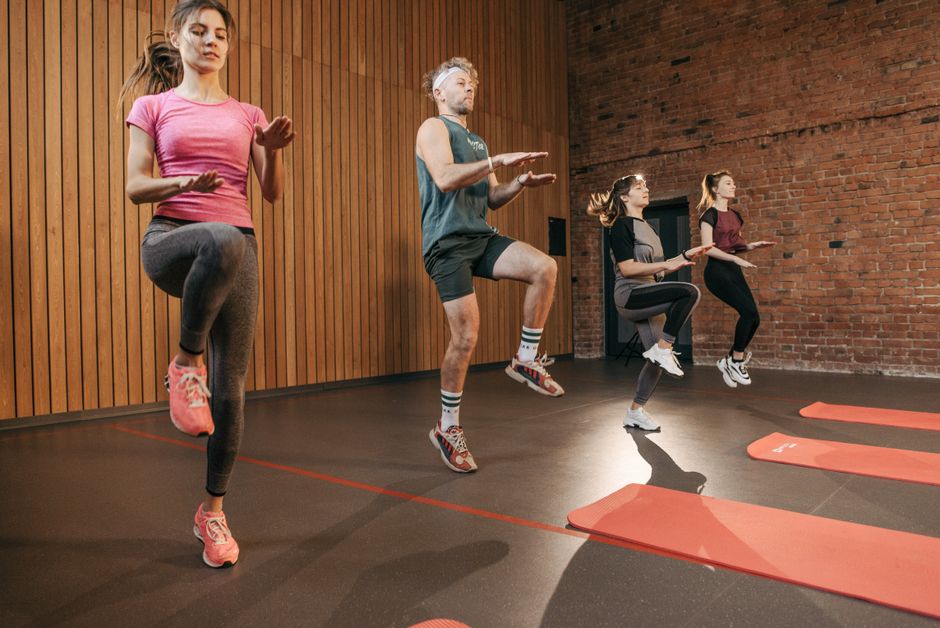
Why Low Impact Cardio?
Low impact cardio is one of the most effective ways to protect your knees while still getting your heart pumping and calories burning. Unlike high impact exercises such as running, jumping, or plyometrics, low impact options minimize the force that travels through your knee joints with every movement. This distinction matters enormously if you are managing knee pain, recovering from an injury, or simply want to stay active without accelerating joint deterioration.
The benefits go well beyond joint protection. Regular low impact cardio improves circulation, supports healthy blood pressure, boosts mood through natural endorphin release, and helps with weight management. All of these outcomes reduce the overall strain on your knees over time. When you maintain a healthy weight, each step you take places less compressive force on your joints, which means less pain and better long-term mobility.
The key is finding the right balance. You do not have to choose between a challenging workout and healthy knees. Low impact cardio lets you push your cardiovascular limits safely, as long as you pay attention to form, start gradually, and listen to your body when it signals that something needs to change.
Quick pick: Compare top-rated Cardio options.
Best Low Impact Cardio Exercises for Bad Knees
Walking
Walking is the most accessible low impact cardio option and requires nothing more than a good pair of shoes. The trick is focusing on proper form from the start. Keep your core engaged, shoulders relaxed, and land with your foot flat rather than striking heel-first. Shorter, quicker steps reduce joint stress compared to long, overstriding steps.
To increase intensity without increasing impact, try walking on a slight incline on a treadmill or tackling mild hills outdoors. You can also add hand weights or march in place during commercial breaks while watching television. The goal is to gradually build duration first, then speed, before adding any resistance.
Swimming and Aquatic Exercise
Water is a game-changer for anyone with knee concerns. The buoyancy of water supports your body weight, which dramatically reduces load on your knees while still providing resistance for a challenging workout. A moderate swim session or water walking in chest-deep water can elevate your heart rate without any jarring impact.
If you have access to a pool, try alternating between freestyle swimming and water jogging. Water jogging mimics the motion of running while the surrounding water absorbs impact. Many community recreation centers offer shallow-water fitness classes that are specifically designed for people with joint limitations.
Stationary Cycling
Cycling, whether on a stationary bike or a regular outdoor bicycle, is exceptionally gentle on the knee joint because the movement is circular and smooth rather than weight-bearing and repetitive. On a stationary bike, you control the resistance entirely, which makes it easy to progress gradually.
Proper bike fit matters here. Your seat height should allow a slight bend in your knee at the bottom of the pedal stroke, and your handlebars should be positioned so you are not hunched over excessively. Start with low resistance and focus on maintaining a steady cadence of 60 to 90 revolutions per minute before thinking about increasing difficulty.
Building Your Home Workout Plan
Beginner Routine
If you are just starting out or returning after a long break, begin with a simple 15-minute session three days per week. A typical beginner workout might include five minutes of gentle marching in place, five minutes of seated or standing leg marches with arm swings, and five minutes of slow-paced walking around your home or neighborhood. The emphasis at this stage is simply building the habit and allowing your body to adapt.
Intermediate Routine
Once the beginner routine feels comfortable, bump your sessions to 20 to 25 minutes and aim for four days per week. Add intervals by alternating two minutes of moderate effort with one minute of recovery pace. A sample structure might be ten minutes on a stationary bike at moderate resistance, five minutes of water walking or stepping side to side, and five minutes of brisk walking in place with higher knees.
Advanced Routine
For those who are ready to push further, consider a 30 to 40-minute circuit that combines cycling intervals, standing low impact movements, and brief strength training segments. Alternate between four minutes of cycling at moderate-to-high resistance, two minutes of low impact dance movements or step-taps, and two minutes of wall sits or supported squats to build leg strength. Always reserve one full day per week for active recovery.
The Role of Strength Training Alongside Cardio
Cardio alone is powerful, but pairing it with targeted strength training delivers the best results for people with knee concerns. Strong quadriceps and glutes absorb shock and stabilize the knee joint, which means every cardio session becomes safer and more effective over time.
Focus on body weight exercises like straight-leg raises, glute bridges, and standing leg curls using resistance bands. These movements build supporting musculature without loading the joint itself. Aim for two to three strength sessions per week on non-consecutive days, keeping sets in the 12 to 15 rep range to build muscular endurance alongside cardiovascular fitness.
Warming Up and Cooling Down
Never skip your warm-up, especially with knee sensitivities. A five-minute dynamic warm-up prepares the joint and surrounding tissues for activity. Try leg swings, gentle knee circles, and hip rotations before every session. Cold muscles and stiff joints are far more prone to irritation and discomfort.
After your workout, spend five to ten minutes cooling down with slow walking and static stretching. Focus on stretching your hamstrings, quadriceps, hip flexors, and calves. Hold each stretch for 20 to 30 seconds without bouncing. This routine reduces post-workout soreness and supports long-term joint mobility.
Choosing the Right Equipment at Home
You do not need a fully equipped gym to get effective low impact cardio at home. A quality stationary bike is often the single best investment for people with bad knees because it delivers consistent cardio with zero joint impact. Look for a bike with adjustable resistance and a comfortable seat. If you prefer variety, a jump rope with thick coiled rope (which is lighter than speed ropes) or a quality yoga mat for floor-based movements can round out your setup without breaking the bank.
For aquatic workouts at home, water walking in a swim spa or even a deep bathtub with resistance can supplement your routine, though access to a community pool remains ideal for serious swimming cardio.
Nutrition and Recovery
Cardio gains are amplified when paired with smart nutrition and proper recovery. Prioritize protein to support muscle repair, and include anti-inflammatory foods such as fatty fish, leafy greens, berries, and nuts in your diet. Staying well-hydrated before, during, and after workouts also supports joint lubrication and overall cardiovascular function.
Sleep matters too. Aim for seven to nine hours per night, as this is when your body repairs tissue and consolidates the cardiovascular adaptations from your training. If you notice persistent swelling, redness, or pain that does not resolve with rest and ice, those are signals to pause your workouts and consult a healthcare professional before resuming.
Tracking Your Progress
Keeping a simple workout journal or using a fitness tracking app helps you see tangible improvements over time. Note the date, duration, perceived effort level, and any specific exercises you completed. As weeks pass, you will notice that sessions that once felt challenging are now manageable, and your resting heart rate is trending downward.
Metrics to track include workout duration, average heart rate during exercise, and how your knees feel both during and after sessions. If your knee pain increases significantly during or after a particular exercise, that is a sign to swap it for a gentler alternative rather than pushing through.
When to Seek Professional Guidance
Low impact cardio is generally safe for most people, but knee pain that is new, worsening, or accompanied by swelling, locking, or instability deserves professional attention. A physical therapist can evaluate your specific knee condition and recommend targeted exercises that will not interfere with your recovery.
Before starting any new fitness program, particularly if you have a diagnosed knee condition such as osteoarthritis, meniscus damage, or ligament strain, check in with your primary care physician or an orthopedic specialist. They can confirm that low impact cardio is appropriate for your situation and help you design a plan that aligns with your current fitness level and medical history.
Frequently Asked Questions (FAQ)
What is the best time of day to do low impact cardio?
The best time is whenever you can do it consistently. Morning workouts can jumpstart your metabolism and set a positive tone for the day, while afternoon or evening sessions may suit people who feel stiff and sore upon waking. Choose a time that fits your schedule and energy patterns, and stick with it long enough to make it a habit.
How often should I be doing low impact cardio workouts?
Most fitness guidelines suggest aiming for 150 minutes of moderate cardio per week, which breaks down to about 30 minutes on five separate days. However, if you are just beginning, start with three sessions per week and build up gradually. Listen to your body and allow at least one full rest day between challenging sessions to give your knees and cardiovascular system time to recover.
Can low impact cardio really help improve my cardiovascular health?
Absolutely. Cardiovascular health is built through sustained elevated heart rate over time, and low impact exercises do this effectively without the joint stress of high impact alternatives. Studies consistently show that regular moderate cardio improves heart efficiency, lowers resting heart rate, reduces blood pressure, and improves cholesterol profiles. Low impact options simply make this achievable for people whose knees would otherwise keep them sedentary.
Are there specific exercises I should avoid with bad knees?
Generally, steer clear of running, box jumps, deep plyometric lunges, and high-knee drills. Any movement that sends a sharp jolt through your knees on every repetition can aggravate existing joint issues. Instead, prioritize cycling, swimming, walking, water-based movements, and elliptical training. If an exercise causes sharp pain during execution, stop immediately and consult a professional before trying it again.
Top Product Recommendations
| Product Name | Rating | Key Feature | Est. Price | Action |
|---|---|---|---|---|
| Best Cardio Pick | ★★★★★ | Top-rated overall | $25–$45 | Check Lowest Price on Amazon |
| Budget Cardio Option | ★★★★☆ | Great for beginners | $12–$28 | Check Lowest Price on Amazon |
| Premium Cardio Choice | ★★★★☆ | Pro-level results | $50–$90 | Check Lowest Price on Amazon |
Affiliate Disclosure: This post contains affiliate links. We may earn a commission if you buy through our links, at no extra cost to you.
Leave a Reply