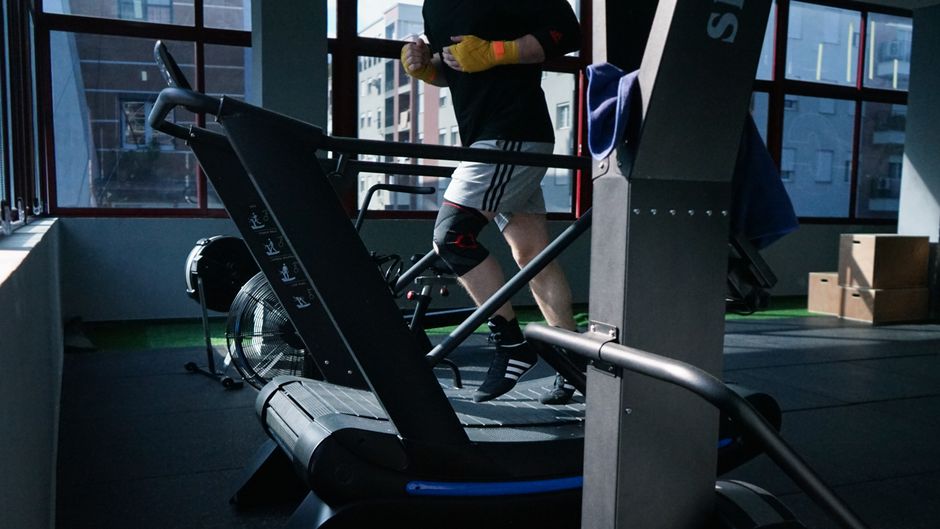
Cardio for Bad Knees: Gentle Home Workouts
Low-impact cardio protects your knee joints while delivering cardiovascular benefits without the pounding stress of high-impact exercise. When you have bad knees, choosing gentle movements reduces inflammation and prevents further damage to cartilage and ligaments. Home workouts offer control over your environment, allowing you to modify exercises instantly based on how your knees feel that day.
Exercising at home eliminates the pressure to keep pace with gym classes or intimidating equipment. You can pause when needed, adjust intensity freely, and repeat movements until you master proper form. This flexibility is essential when managing knee pain, as pushing through discomfort at a gym can lead to injury.
**Choosing the right equipment** starts with supportive footwear that cushions impact and stabilizes your foot arch. Look for shoes with thick, shock-absorbing soles and adequate ankle support. Knee braces or compression sleeves provide external stability and reduce swelling during exercise. Resistance bands add strength training without loading weight directly onto your knees.
Warm-up routines prepare your joints for movement and reduce injury risk. Start with **dynamic stretches** like leg swings, gentle knee circles, and ankle rotations to increase blood flow. Spend 5-7 minutes on range of motion exercises, moving your knees through comfortable arcs without forcing any position. Warming up lubricates joint surfaces and signals your nervous system that activity is coming.
Quick pick: Compare top-rated Cardio options.
Low-Impact Cardio Exercises
**Walking** remains the most accessible low-impact cardio for bad knees when done with proper technique. Keep your steps shorter than usual, land heel-to-toe gently, and maintain an upright posture with shoulders back. Walk on flat, even surfaces to avoid uneven stress on knee joints. Start with 10-15 minute sessions and gradually extend duration as your knees adapt.
Stationary cycling provides exc nt cardio with minimal knee stress when you set the seat height correctly. Your knee should have a slight bend (about 25-30 degrees) at the bottom of the pedal stroke. **Adjust resistance low** to start—higher resistance forces your knees to work harder and may trigger pain. Aim for a smooth, circular pedaling motion rather than pushing down forcefully.
Swimming and water aerobics use buoyancy to support your body weight, removing up to 90% of gravitational stress on your knees. Water resistance strengthens muscles around the knee without impact. Try water walking, leg lifts, or gentle flutter kicks. Pool temperature matters—warmer water (83-88°F) relaxes muscles and may feel better on sore joints.
Elliptical machines mimic walking but keep your feet on the pedals throughout the motion, eliminating impact. Keep your movements fluid and avoid locking your knees at any point in the stride. Use the handles to distribute some effort to your upper body, reducing knee load. Start with 5-10 minutes and monitor how your knees respond.
**Seated or recumbent exercises** work well for severe knee issues. Seated marching, arm circles combined with leg extensions, and recumbent bike sessions keep your heart rate elevated without standing stress. These modifications allow you to build cardiovascular endurance while your knees heal or strengthen.
Yoga and Pilates build strength and flexibility with modifications for knee concerns. Avoid deep lunges and full squats initially. Use **props like blocks and blankets** to reduce knee bend in poses. Focus on poses that strengthen quadriceps and hamstrings—these muscles stabilize the knee joint. Cat-cow stretches, bridges, and modified planks offer benefits without knee stress.
Creating a Low-Impact Cardio Plan
Determine your current fitness level honestly by noting how long you can exercise before experiencing knee discomfort. Set realistic goals based on this baseline—if you can comfortably walk for 10 minutes, aim for 12-15 minutes within two weeks. Write down specific, measurable targets like “complete 20 minutes of stationary cycling three times per week.”
**Frequency and duration** should start conservative for bad knees. Begin with 3 sessions per week, allowing rest days between workouts for recovery. Each session might last 15-20 minutes initially. As your knees adapt over 3-4 weeks, add 5 minutes to each session or introduce a fourth weekly workout.
Gradually increase intensity by adding time before adding resistance or speed. Once you can maintain 30 minutes of continuous low-impact cardio without pain, consider slight intensity increases. On a stationary bike, this might mean increasing resistance by one level. For walking, it could mean a slightly faster pace or gentle inclines.
Track your progress in a simple journal noting duration, exercise type, and knee pain levels (0-10 scale). Review weekly to identify patterns—perhaps morning workouts feel better than evening, or certain exercises trigger more discomfort. **Adjust your plan based on data**, not arbitrary goals that ignore what your body communicates.
Staying Motivated and Consistent
Set achievable goals that reflect your knee limitations rather than arbitrary fitness standards. “Exercise for 15 minutes without knee pain” beats “lose 10 pounds this month” when you’re managing joint issues. Break large goals into weekly mini-targets that feel within reach. Success breeds motivation.
Finding an exercise buddy or online support group creates accountability and shared experience. Look for communities focused on **joint-friendly fitness** where members understand modifications and celebrate small victories. Video chat workouts with a friend add social connection to home exercise.
Reward yourself for consistency milestones—after 10 consecutive workouts, treat yourself to new resistance bands or a massage. Rewards reinforce the behavior pattern more effectively than self-criticism for missed sessions. Track streaks visually with a calendar or app to see your dedication accumulate.
Overcome excuses by preparing in advance. Lay out workout clothes the night before. Queue up your favorite music or podcast. **Schedule workouts like appointments** rather than squeezing them in when convenient. When knees feel especially tender, remember that gentle movement often feels better than complete rest.
Nutrition and Hydration for Joint Health
Eating for strong bones and healthy joints emphasizes anti-inflammatory foods that support cartilage health. Include **omega-3 fatty acids** from sources like salmon, walnuts, and flaxseeds to reduce joint inflammation. Colorful vegetables provide antioxidants that combat oxidative stress in joint tissues. Adequate protein (0.8-1 gram per pound of body weight) supplies amino acids for tissue repair.
Supplements that support knee health include glucosamine and chondroitin, which some studies suggest may slow cartilage breakdown. Vitamin D and calcium maintain bone density around the joint. Turmeric or curcumin supplements offer natural anti-inflammatory effects. **Consult your healthcare provider** before starting supplements, especially if you take medications.
Staying hydrated keeps joint cartilage lubricated and cushioned. Cartilage is about 80% water, and dehydration reduces its shock-absorbing capacity. Drink water before, during, and after workouts—aim for half your body weight in ounces daily. If you exercise longer than 30 minutes, sip water every 10-15 minutes.
When to Consult a Healthcare Professional
Signs of potential injury include sharp pain (not just mild discomfort), swelling that lasts more than 48 hours, or inability to bear weight on the affected leg. If your knee locks, gives out, or feels unstable, stop exercising and seek medical evaluation. **Persistent pain that worsens with activity** rather than improves may indicate damage requiring professional assessment.
Adjust workouts based on medical advice from orthopedists, physical therapists, or sports medicine doctors. They can diagnose specific knee conditions (arthritis, meniscus tears, tendinitis) and recommend appropriate exercises. Physical therapy often provides personalized exercise progressions safer than generic online programs.
Listening to your body means distinguishing between productive muscle fatigue and harmful joint stress. Mild muscle soreness 24-48 hours after exercise is normal. **Sharp, immediate knee pain during movement** is a warning sign to stop and modify. If pain persists during rest or worsens over multiple workout sessions, reassess your routine.
Additional Considerations for Knee-Friendly Cardio
Maintaining a healthy weight reduces stress on knee joints—each pound of body weight creates 4 pounds of pressure on the knees during walking. Low-impact cardio combined with modest calorie reduction can gradually decrease this load. Focus on sustainable habits rather than aggressive weight loss, which often leads to yo-yo patterns.
**Cross-training** prevents overuse injuries by varying stress patterns on your knees. Alternate between cycling, water exercise, and walking throughout the week rather than repeating the same activity daily. This variety challenges different muscle groups while giving specific joint structures recovery time.
Proper recovery includes rest days, adequate sleep (7-9 hours), and active recovery techniques like gentle stretching or foam rolling. Ice your knees for 15-20 minutes after workouts if they feel warm or slightly swollen. Elevate your legs while resting to reduce any inflammation.
Frequently Asked Questions (FAQ)
What is the best time of day to do low-impact cardio?
The best time is whenever your knees feel least stiff and you can maintain consistency. Many people with knee issues prefer late morning or early afternoon when joints have loosened up from morning stiffness but before end-of-day fatigue sets in. Experiment with different times and track your knee comfort levels. **Consistency matters more than optimal timing**—exercising at a suboptimal hour beats skipping workouts because you can’t hit the perfect window.
How can I prevent boredom during my at-home cardio workouts?
Rotate between different low-impact exercises throughout the week to keep workouts fresh. Create playlists with energizing music, listen to audiobooks or podcasts, or position your bike near a TV for shows you only watch while exercising. Set mini-challenges like “can I add 2 more minutes today?” or use fitness apps that gamify progress. **Join virtual group classes** through streaming platforms for community energy and instructor guidance.
What should I do if I experience pain during or after exercising?
Stop immediately if you feel sharp or sudden pain—pushing through can cause serious injury. Apply ice for 15-20 minutes and elevate your leg. If mild discomfort appears during exercise, reduce intensity, shorten duration, or switch to a gentler activity. Pain lasting more than 2-3 days or worsening with rest requires medical evaluation. **Distinguish between muscle fatigue** (dull, general tiredness) and joint pain (localized, sharp, or burning sensations in the knee itself).
Top Product Recommendations
| Product Name | Rating | Key Feature | Est. Price | Action |
|---|---|---|---|---|
| Best Cardio Pick | ★★★★★ | Top-rated overall | $25–$45 | Check Lowest Price on Amazon |
| Budget Cardio Option | ★★★★☆ | Great for beginners | $12–$28 | Check Lowest Price on Amazon |
| Premium Cardio Choice | ★★★★☆ | Pro-level results | $50–$90 | Check Lowest Price on Amazon |
Affiliate Disclosure: This post contains affiliate links. We may earn a commission if you buy through our links, at no extra cost to you.
Leave a Reply