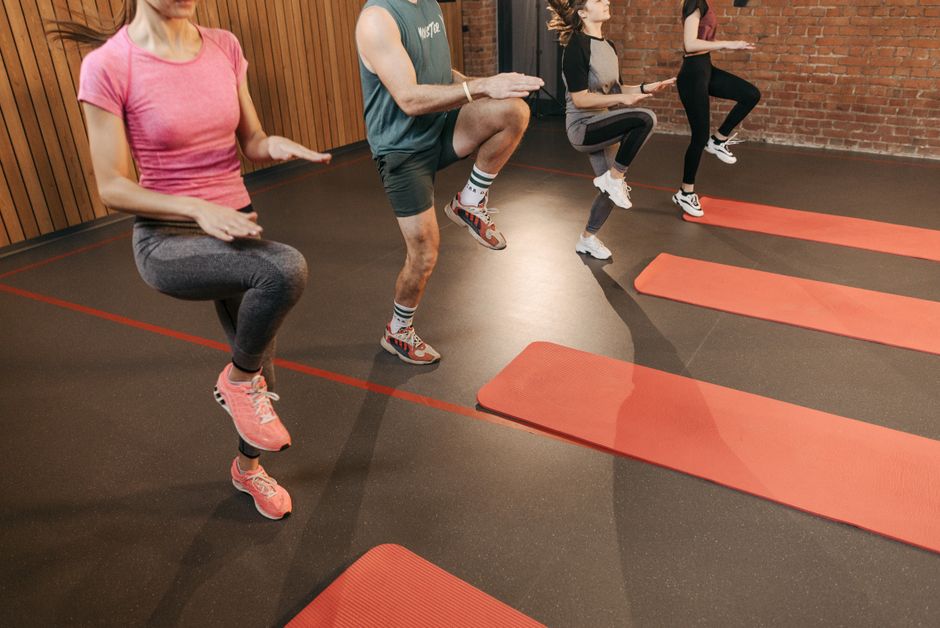
Understanding Knee Issues and Low Impact Cardio
Knee pain affects millions of Americans, but it shouldn’t stop you from staying active. **Low impact cardio** offers a safe way to maintain cardiovascular fitness without aggravating existing knee problems. These exercises minimize joint stress while delivering effective workouts that improve heart health and endurance.
Common causes of knee pain include arthritis, previous injuries, overuse, and natural wear and tear from aging. Before starting any new exercise routine, consult with a healthcare professional to get a proper diagnosis. They can identify specific limitations and recommend modifications tailored to your condition.
Understanding your knee’s current state helps you choose appropriate exercises and avoid movements that could cause further damage. A physical therapist can assess your range of motion, strength imbalances, and movement patterns to create a personalized approach.
Quick pick: Compare top-rated Cardio options.
Benefits of Low Impact Cardio
Low impact cardio strengthens your heart and lungs while protecting vulnerable joints. Unlike high-impact activities such as running or jumping, these exercises keep one foot on the ground or eliminate ground contact entirely. This reduces the force transmitted through your knees with each movement.
Regular low impact cardio improves stamina, helps manage weight, and enhances circulation throughout your body. Better circulation supports joint health by delivering nutrients and removing waste products. Many people notice reduced stiffness and improved mobility after establishing a consistent routine.
These workouts also boost mental health by releasing endorphins and reducing stress. You’ll build confidence as your fitness improves, and the variety of options prevents boredom while keeping your body challenged.
Best Low Impact Cardio Exercises for Bad Knees
**Stationary cycling** ranks among the best knee-friendly cardio options. An indoor stationary bike or recumbent bike allows you to control resistance and speed while supporting your body weight. Start with 10-15 minutes at low resistance and gradually increase duration as your knees adapt.
**Swimming and water aerobics** provide exceptional cardiovascular benefits with virtually no joint impact. Water’s buoyancy supports 90% of your body weight, making movement pain-free for most people. Aim for 20-30 minute sessions, incorporating different strokes to work various muscle groups.
**Elliptical machines** offer smooth, gliding motions that eliminate the jarring impact of walking or jogging. The pedals move in an oval pattern that mimics natural gait while keeping your feet planted. Begin with 15-20 minutes and focus on maintaining proper posture.
**Walking at a comfortable pace** remains accessible and effective for knee health. Choose flat, even surfaces and wear supportive shoes with good cushioning. Start with 10-minute walks and increase by 5 minutes weekly as tolerance improves.
Setting Up a Home-Based Low Impact Cardio Routine
Create a dedicated workout space in your home with enough room to move freely. Clear the area of obstacles and ensure good lighting and ventilation. A simple setup might include an exercise mat, resistance bands, and access to online workout videos.
Investing in key equipment expands your options significantly. A **stationary bike** or **elliptical machine** provides weather-independent cardio year-round. For budget-conscious setups, resistance bands, a stability ball, and a step platform offer versatility without major expense.
Design a balanced weekly routine that includes 3-5 cardio sessions lasting 20-40 minutes each. Alternate between different activities to prevent overuse and maintain interest. Schedule rest days to allow your body adequate recovery time.
Incorporating Strength Training and Flexibility Exercises
Strengthening the muscles around your knees provides crucial joint support and stability. Focus on quadriceps, hamstrings, glutes, and calves through exercises like wall sits, leg lifts, and clamshells. Perform 2-3 strength sessions weekly with 10-15 repetitions per exercise.
Flexibility work reduces stiffness and improves range of motion in your knees and hips. Gentle stretches for hip flexors, quadriceps, hamstrings, and calves should be held for 20-30 seconds without bouncing. Include stretching after every cardio session when muscles are warm.
A well-rounded routine combines cardio for heart health, strength training for joint support, and flexibility exercises for mobility. This comprehensive approach delivers better results than cardio alone and helps prevent future injuries.
Staying Motivated and Consistent with Your Workouts
Set specific, measurable goals such as completing 30 minutes of cycling three times weekly or walking 10,000 steps daily. Track your progress using a fitness journal or smartphone app to visualize improvements over time. Celebrate small victories to maintain momentum.
Find an accountability partner who shares similar fitness goals or join online communities focused on low impact exercise. Sharing challenges and successes with others increases commitment and provides encouragement during difficult periods. Consider scheduling workout times like important appointments.
Reward yourself for maintaining consistency with non-food treats such as new workout gear, a massage, or a favorite hobby activity. Building positive associations with exercise makes long-term adherence more likely.
Monitoring and Adjusting Your Workout Intensity
Learn to distinguish between normal exercise discomfort and problematic pain signals. Mild muscle fatigue and slightly elevated breathing are expected, but sharp knee pain, swelling, or persistent discomfort indicate you should stop and reassess. Use the talk test—you should be able to speak in short sentences during moderate cardio.
Gradually increase workout intensity by adding 10% more time or resistance each week. This conservative approach allows your knees to adapt without overwhelming them. If you experience increased pain or swelling, reduce intensity and duration until symptoms resolve.
Consider working with a certified fitness professional who has experience with joint issues. They can observe your form, suggest modifications, and ensure you’re progressing safely toward your goals.
| Exercise Type | Duration (Beginners) | Duration (Advanced) | Knee Impact |
|---|---|---|---|
| Stationary Bike | 10-15 min | 30-45 min | Very Low |
| Swimming | 15-20 min | 40-60 min | Minimal |
| Elliptical | 10-15 min | 30-40 min | Low |
| Walking | 10-15 min | 30-60 min | Low-Moderate |
Frequently Asked Questions
Q: Can I do low impact cardio every day?
A: While low impact cardio is gentler than high-impact activities, your body still needs rest days for recovery and repair. Most people benefit from 3-5 cardio sessions weekly with at least one full rest day. Listen to your body—if you feel persistent fatigue or increased knee discomfort, take an extra recovery day.
Q: How long should my low impact cardio workouts be?
A: Beginners should start with 10-15 minute sessions and gradually increase by 5 minutes weekly as fitness improves. Advanced exercisers can aim for 30-60 minute sessions depending on intensity and goals. Always include 3-5 minutes for warm-up and cool-down periods to prepare joints and prevent stiffness.
Q: What are some signs that I should consult a healthcare professional about my knee pain?
A: Seek medical advice if you experience sharp or severe pain, significant swelling that doesn’t resolve with rest and ice, knee instability or buckling, pain that worsens over several weeks, or inability to bear weight. These symptoms may indicate conditions requiring professional treatment such as meniscus tears, ligament injuries, or progressive arthritis.
Q: What equipment should I buy first for home cardio with bad knees?
A: Start with a quality **recumbent exercise bike** that provides back support and reduces knee stress, or an **elliptical trainer with adjustable resistance**. Both offer exc nt low-impact cardio options. If budget is limited, invest in supportive walking shoes and resistance bands before purchasing larger equipment.
Top Product Recommendations
| Product Name | Rating | Key Feature | Est. Price | Action |
|---|---|---|---|---|
| Top-rated recumbent exercise bike | ★★★★★ | Editor-recommended recumbent exercise bike from this guide | $18–$42 | Check Lowest Price on Amazon |
| Best-value elliptical trainer machine | ★★★★☆ | Affordable elliptical trainer machine — strong everyday results | $12–$28 | Check Lowest Price on Amazon |
| Premium resistance bands set | ★★★★☆ | Higher-end resistance bands set for visible, lasting results | $45–$95 | Check Lowest Price on Amazon |
Affiliate Disclosure: This post contains affiliate links. We may earn a commission if you buy through our links, at no extra cost to you.
Leave a Reply