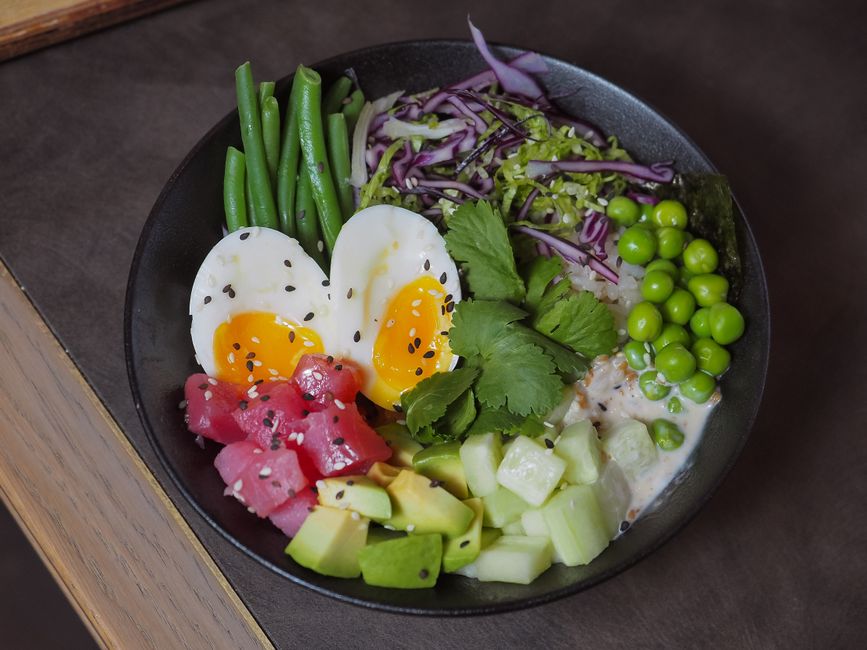
Healthy Food Mistakes Holding Back Your Fitness Progress
Many fitness enthusiasts focus intensely on their workout routines but overlook critical nutrition mistakes that can derail their progress. **Athletes often skip pre-workout meals**, thinking an empty stomach will help them burn more fat during exercise. This approach actually reduces performance and can lead to muscle breakdown instead of fat loss.
Another common error involves misunderstanding **diet foods and their role in weight loss**. Many people assume that anything labeled “diet” or “low-fat” automatically supports their fitness goals. However, these processed alternatives often contain hidden sugars and artificial ingredients that can actually hinder progress.
Perhaps most importantly, overlooking simple daily habits can significantly impact your overall fitness performance. Small choices like meal timing, hydration patterns, and food combinations create cumulative effects that either support or sabotage your training efforts.
How to Optimize Your Pre-Workout Nutrition
**Choosing the right pre-workout foods** involves selecting easily digestible carbohydrates paired with moderate protein. Bananas with almond butter provide quick energy and sustained fuel for your workout. Oatmeal with berries offers complex carbohydrates that release energy gradually throughout your training session.
Timing plays a crucial role in pre-workout nutrition effectiveness. **Eat your pre-workout meal 30-60 minutes before exercising** to allow proper digestion while ensuring energy availability. Larger meals require 2-3 hours of digestion time, while smaller snacks can be consumed closer to workout time.
Hydration strategy extends beyond simply drinking water before exercise. **Begin hydrating 2-3 hours before your workout** with 16-20 ounces of water. Continue with 6-8 ounces every 15-20 minutes during exercise, and replenish with 16-24 ounces for every pound lost through sweat after your session.
Diet Foods That Can Hinder Weight Loss
Many **diet foods contain artificial sweeteners** that can trigger cravings and disrupt your body’s natural hunger signals. These products often replace natural fats with processed ingredients that leave you feeling unsatisfied and more likely to overeat later.
**Low-fat versions of foods** frequently compensate for reduced fat content by adding extra sugar or sodium. Greek yogurt labeled “low-fat” might contain significantly more added sugars than the full-fat version, ultimately providing more calories and less satiety.
The most effective approach involves **choosing whole, minimally processed foods** over packaged diet alternatives. Fresh vegetables, lean proteins, and healthy fats naturally support weight loss without the artificial additives found in many commercial diet products.
| Food Type | Better Choice | Why It Works |
|---|---|---|
| Diet Soda | Sparkling Water with Lemon | No artificial sweeteners |
| Low-Fat Crackers | Raw Almonds | Healthy fats increase satiety |
| Diet Ice Cream | Frozen Greek Yogurt with Berries | Higher protein, natural sugars |
Overlooked Habits That Impact Fitness Performance
**Meal timing consistency** affects your body’s natural rhythm and energy levels throughout the day. Eating at regular intervals helps maintain stable blood sugar levels and prevents the energy crashes that can derail workout motivation.
Many athletes underestimate the impact of **food combinations on nutrient absorption**. Pairing iron-rich foods like spinach with vitamin C sources like citrus fruits significantly improves iron absorption. Similarly, consuming healthy fats with fat-soluble vitamins enhances their bioavailability.
**Sleep quality directly correlates with food choices** made the following day. Poor sleep increases cravings for high-calorie, processed foods while reducing motivation for healthy meal preparation. Establishing consistent sleep schedules supports better nutrition decisions and improved fitness performance.
The Healthiest Foods for Optimal Fitness
**Lean proteins form the foundation** of any fitness-focused nutrition plan. Chicken breast, fish, eggs, and plant-based options like lentils provide essential amino acids needed for muscle recovery and growth. Aim for 0.8-1.2 grams of protein per pound of body weight daily.
**Complex carbohydrates fuel your workouts** and support recovery processes. Sweet potatoes, quinoa, and brown rice provide sustained energy without the blood sugar spikes associated with refined grains. These foods also contain important micronutrients that support overall health.
**Healthy fats support hormone production** and reduce inflammation caused by intense training. Avocados, nuts, seeds, and olive oil provide essential fatty acids that your body cannot produce on its own. Include these fats in 20-35% of your daily calorie intake.
Colorful vegetables and fruits supply **antioxidants that combat exercise-induced oxidative stress**. Berries, leafy greens, and bell peppers contain compounds that speed recovery and reduce muscle soreness after challenging workouts.
Supplements for Enhanced Fitness Performance
**Protein powder serves as a convenient recovery tool** when whole food sources aren’t immediately available post-workout. Whey protein absorbs quickly, making it ideal for the 30-minute post-exercise window when muscle protein synthesis peaks.
**Creatine monohydrate** stands as one of the most researched and effective supplements for strength and power athletes. Taking 3-5 grams daily can improve performance in high-intensity, short-duration activities like weightlifting and sprinting.
**Vitamin D deficiency affects nearly 40% of Americans** and can significantly impact muscle function and bone health. Consider testing your levels and supplementing if deficient, especially during winter months or if you train primarily indoors.
Before adding any supplements, **focus on optimizing whole food nutrition first**. Supplements should fill specific gaps in your diet rather than replace balanced meals. Always consult with a healthcare professional before starting new supplements, especially if you have underlying health conditions.
Building Sustainable Healthy Eating Habits
**Meal preparation strategies** can make the difference between nutrition success and failure during busy weeks. Dedicate 2-3 hours on weekends to washing vegetables, cooking grains, and portioning proteins for easy weekday assembly.
**Mindful eating practices** help you recognize true hunger and satiety signals. Eating slowly, without distractions like phones or television, allows your brain to register fullness and prevents overeating.
**Flexible approach to nutrition** prevents the all-or-nothing mentality that often leads to diet failure. Plan for 80% compliance with your nutrition goals, allowing room for social events and occasional indulgences without guilt or complete abandonment of healthy habits.
Frequently Asked Questions
What should I eat before morning workouts?
For early morning sessions, keep pre-workout fuel light and easily digestible. A banana with a small amount of nut butter or a piece of toast with honey provides quick energy without causing digestive discomfort. If you prefer fasted cardio, ensure you’re properly hydrated and listen to your body’s energy levels.
How do I know if I’m eating enough to support my fitness goals?
Monitor your energy levels, recovery time between workouts, and overall performance trends. Consistently low energy, prolonged muscle soreness, or declining performance may indicate inadequate calorie intake. Track your food intake for a week to ensure you’re meeting your body’s needs, especially if you’re training intensively.
Can I still lose weight while building muscle?
Yes, but the process requires careful attention to nutrition timing and composition. Focus on eating adequate protein (1-1.2g per pound of body weight), timing carbohydrates around workouts, and maintaining a moderate calorie deficit. Progress may be slower than focusing on just one goal, but body composition improvements can occur simultaneously with proper programming.
Top Product Recommendations
| Product Name | Rating | Key Feature | Est. Price | Action |
|---|---|---|---|---|
| Top-rated protein powder whey isolate | ★★★★★ | Editor-recommended protein powder whey isolate from this guide | $18–$42 | Check Lowest Price on Amazon |
| Best-value creatine monohydrate supplement | ★★★★☆ | Affordable creatine monohydrate supplement — strong everyday results | $12–$28 | Check Lowest Price on Amazon |
| Premium meal prep containers glass | ★★★★☆ | Higher-end meal prep containers glass for visible, lasting results | $45–$95 | Check Lowest Price on Amazon |
Affiliate Disclosure: This post contains affiliate links. We may earn a commission if you buy through our links, at no extra cost to you.
Leave a Reply