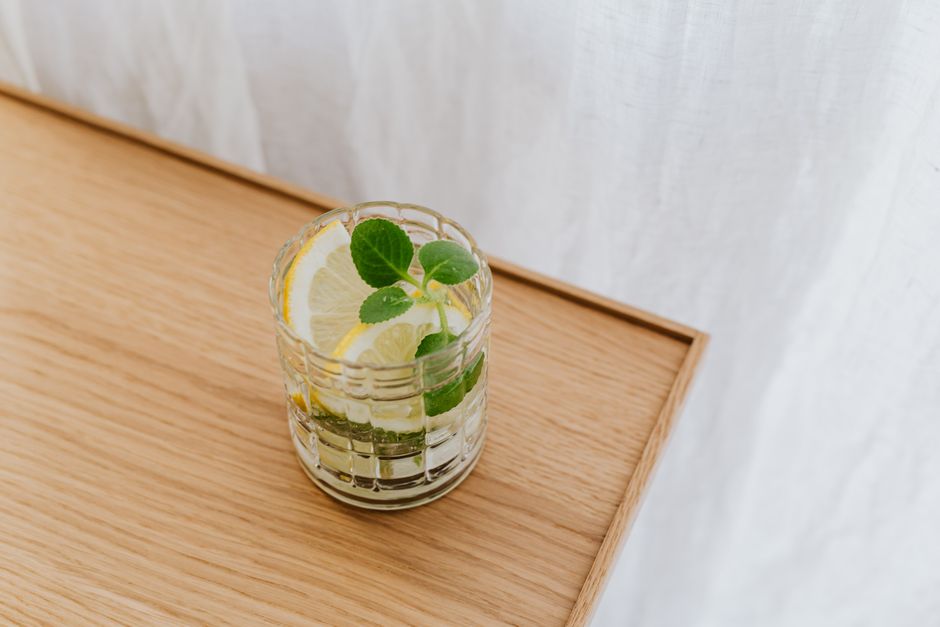
Understanding Detox Guides
Detox guides have become essential tools for anyone looking to reset their health and fitness journey. These structured programs help your body eliminate toxins while supporting optimal organ function. A well-designed detox guide provides clear daily instructions, meal plans, and lifestyle modifications that work together to enhance your overall wellness.
The benefits of following a structured detox guide extend far beyond temporary weight loss. Many people experience improved energy levels, clearer skin, better digestion, and enhanced mental clarity. These programs also help establish healthier eating patterns that can last long after the detox period ends.
Before starting any detox program, consult with a healthcare professional, especially if you have existing medical conditions, take medications, or have a history of eating disorders. Your doctor can help determine if a specific detox approach is appropriate for your individual health needs.
Choosing the Right Detox Guide
Selecting an appropriate detox guide requires careful consideration of your fitness level, health goals, and lifestyle constraints. Look for programs that emphasize whole foods, adequate nutrition, and realistic timeframes rather than extreme restrictions. Effective detox guides typically last between 3-21 days and focus on supporting your body’s natural detoxification processes.
Several types of detox guides are available, including juice cleanses, whole food elimination diets, and targeted organ support programs. **Juice cleanses** provide concentrated nutrients but may lack sufficient protein and fiber. **Elimination diets** remove common inflammatory foods while maintaining balanced nutrition. **Organ support programs** use specific foods and supplements to enhance liver and kidney function.
Ensure your chosen detox guide includes adequate calories (typically 1200-1500 for most adults), essential nutrients, and clear instructions for preparation and implementation. Avoid programs that promise unrealistic results, require expensive supplements, or eliminate entire food groups without medical supervision.
Preparing for Your Detox
Successful detox implementation begins with thorough preparation both mentally and physically. Start by gradually reducing processed foods, caffeine, and alcohol 3-5 days before beginning your program. This transition period helps minimize withdrawal symptoms and sets you up for better adherence.
**Mental preparation** involves setting realistic expectations and identifying potential challenges. Plan for temporary symptoms like headaches, fatigue, or mood changes during the first 2-3 days. Create a support system by informing family and friends about your detox goals and timeline.
**Physical preparation** includes shopping for all necessary ingredients, kitchen equipment, and any recommended supplements. Organize your schedule to minimize stress and ensure adequate sleep during the detox period. Consider starting your program on a weekend or during a less demanding work period.
Implementing Your Detox Guide
The first few days of your detox typically involve the most significant adjustments as your body adapts to new eating patterns. Expect some initial discomfort as your system eliminates stored toxins and adjusts to reduced calories or different macronutrient ratios.
**Days 1-3** often bring challenges like headaches, cravings, or low energy. Stay consistent with your meal timing, drink plenty of water, and practice stress-reduction techniques like deep breathing or gentle stretching. Light activities such as walking or yoga can help manage symptoms.
**Days 4-7** typically show improvement in energy levels and reduced cravings. Many people report clearer thinking and better sleep quality during this phase. Continue following your guide precisely while listening to your body’s signals for rest or modification needs.
Staying Hydrated and Nourished
Proper hydration forms the foundation of any effective detox program. Aim for **half your body weight in ounces** of water daily, plus additional fluids from herbal teas or vegetable juices. Quality hydration supports kidney function, helps eliminate toxins through urine and sweat, and maintains energy levels.
Even during restrictive detox periods, your body requires essential nutrients to function optimally. Focus on nutrient-dense foods like leafy greens, colorful vegetables, lean proteins, and healthy fats. Many detox guides incorporate smoothies or juices to concentrate vitamins and minerals while reducing digestive burden.
Watch for signs of dehydration including dark urine, dizziness, or persistent headaches. Nutrient deficiency symptoms may include extreme fatigue, muscle weakness, or difficulty concentrating. If these symptoms persist beyond the initial adjustment period, consult your healthcare provider.
Monitoring Your Progress
Tracking your detox progress helps maintain motivation and identify when adjustments may be necessary. Keep a daily journal documenting energy levels, sleep quality, digestive changes, and overall mood. Physical measurements like weight, body measurements, or progress photos can provide objective feedback.
**Positive indicators** include stable energy after the initial adjustment period, improved digestion, better sleep quality, and clearer skin. Many people also experience reduced bloating, decreased joint stiffness, and enhanced mental clarity as signs their detox is working effectively.
If you experience severe symptoms like persistent nausea, extreme weakness, or concerning digestive issues, consider modifying your approach or consulting a healthcare professional. Some people may need to extend the preparation phase or choose a gentler detox method.
After Your Detox: Maintaining Healthy Habits
The transition period following your detox is crucial for maintaining the benefits you’ve achieved. Gradually reintroduce foods you eliminated, paying attention to how your body responds to different items. This process can help identify food sensitivities or items that don’t serve your health goals.
Develop sustainable daily habits that support ongoing detoxification, such as starting each day with lemon water, incorporating more vegetables into meals, and maintaining regular physical activity. **Meal planning** becomes essential for avoiding the processed foods that may have contributed to toxin buildup initially.
Consider implementing shorter, gentler detox practices monthly or seasonally rather than relying on intensive programs. Simple approaches like increasing vegetable intake, reducing processed foods, or adding detox-supporting foods can provide ongoing benefits without the intensity of a full program.
Frequently Asked Questions (FAQ)
Q: Do I need to follow a specific diet during my detox?
A: Most effective detox guides provide detailed meal plans focusing on whole, unprocessed foods that support your body’s natural detoxification processes. The specific dietary approach varies by program type, but generally emphasizes vegetables, fruits, lean proteins, and adequate hydration while eliminating processed foods, alcohol, and caffeine.
Q: How often should I do a detox?
A: The frequency of detoxing depends on your individual health goals, current diet quality, and overall wellness status. Most health professionals recommend seasonal detoxes (3-4 times per year) rather than frequent intensive programs. Always consult with a healthcare professional to determine the appropriate frequency for your specific situation.
Q: Can I exercise while following a detox guide?
A: Light to moderate exercise is generally beneficial during most detox programs and can help support the elimination process through increased circulation and sweating. However, avoid intense workouts during the first few days when your body is adjusting. Focus on gentle activities like walking, yoga, or stretching, and always listen to your body’s energy levels and limitations.
Top Product Recommendations
| Product Name | Rating | Key Feature | Est. Price | Action |
|---|---|---|---|---|
| Top-rated detox tea organic herbal blend | ★★★★★ | Editor-recommended detox tea organic herbal blend from this guide | $18–$42 | Check Lowest Price on Amazon |
| Best-value glass water bottles with infuser | ★★★★☆ | Affordable glass water bottles with infuser — strong everyday results | $12–$28 | Check Lowest Price on Amazon |
| Premium organic vegetable juice blends | ★★★★☆ | Higher-end organic vegetable juice blends for visible, lasting results | $45–$95 | Check Lowest Price on Amazon |
Affiliate Disclosure: This post contains affiliate links. We may earn a commission if you buy through our links, at no extra cost to you. Medical Disclaimer: This content is for informational purposes only and is not medical advice. Consult a healthcare professional before changing diet or exercise.
Leave a Reply